
During Graduate Fashion Week 2026, Rachel Jefferson, founder of Label Hjem, returned to Truman Brewery as a judge for the International Catwalk Award. 2026 marked Graduate Fashion Week’s 35th anniversary year, 35 years of supporting talent, creating opportunities for emerging creatives and bringing together a collective of member universities to showcase to industry.
To celebrate our prestigious alumni, we’re bringing their stories to the forefront, through a series of interviews to discover how their careers evolved after showcasing at Graduate Fashion Week. After showcasing in 2013 with Northumbria University, Rachel has become a founder, a globally renowned brand collaborator and leader in the sustainable systems thinking space.
Here, we sit down with Rachel to discover more about her journey into the industry, from a designer at asos to founder of her own label, using design as a tool to transform systems in fashion.
Rachel, thanks so much for taking the time to chat with Graduate Fashion Foundation about your career!
You have worked with many well known brands, from Sweaty Betty and ASOS to Henry Holland Studios and TALA. Tell us more about your career journey - where did it all start?
Hi Graduate Fashion Foundation! It’s so great to chat with you guys.
My career evolved from a childhood love of making things, drawing, curating objects and playing with clothes. I stepped from my creative school subjects straight onto BA Fashion at Northumbria University. I was determined to get there because of their strong industry links, live projects and placement year - it was a stepping stone rooted in creative work, learning and a path to access the fashion industry.
I took a placement year interning at Erdem, in the run up to their FW12 London Fashion Week show, and then at ASOS. Reflecting back now, there was such focus and importance in how internships and work experience opened doors to jobs. After graduating, I was offered an entry-level design assistant role at ASOS which was a dream come true for me. Moving from Northumberland to London and jumping into the buzz of Camden was an exciting blur; being there at that time was inspiring and served as a great foundational introduction to the landscape of the industry, its complex systems and global processes.
My ambition to see as many possible aspects of the industry took me from online retail to heritage brick-and-mortar (Debenhams), then to activewear (Sweaty Betty) before moving to freelance. I’ve since expanded client partnerships across homeware, swimwear, uniform design and textile art, from high street to luxury, independent brands to department stores, global activations to local authority projects. Each career move has been guided by my necessity to ‘learn by doing’; and each pivot point created an opportunity to challenge my own skillset and knowledge. Ever evolving, my career now centres around the idea of harnessing outsider energy and pushing into unknown territories. In my experience alternative perspectives and diverse thinking yields unexpected and innovative results, and the most successful products are those underpinned by progressive collaboration and regenerative systems.
You studied at Graduate Fashion Foundation member university, Northumbria, showing at Graduate Fashion Week in 2014. How did you feel when you found out you had been selected to showcase?
Being selected to showcase at Graduate Fashion Week was surreal, exciting and also validating. Four years of hard work and study all building towards the pinnacle of completing and showing your final collection is huge, so to be given the platform of the GFW catwalk was such a big opportunity; it was like being given a key to the door into the global fashion world. I remember feeling the need to harness the opportunity to meet people and connect, and looking back now, it still holds that same weight of importance. I didn’t deliberate too much about things at the time; GFW felt like a welcome back to London, back into the industry, the start of the next phase in my life as well, and a big personal achievement marking the shift from academia into the professional world.
“It was like being given a key to the door into the global fashion world. I remember feeling the need to harness the opportunity to meet people and connect, and looking back now, it still holds that same weight of importance.”
Did anyone ever give you advice in the early stages of your journey, that you’ve held close to you?
Yes! I’ve had some really great advice (alongside some not so great) shared over the years, some of which continues to shape my decision today.
In a moment of doubt, someone said to me, “if not you, then who”, which really struck me and has stayed with me over the years when maybe I’ve felt overwhelmed, out of place, or that I wasn’t deserving to be there. I like that it is relevant in so many scenarios, tends to ground me back into the present moment and reminds me that I’m where I’m supposed to be.
I also sometimes apply it when embarking on a new project through the lens of “being the change you want to see”. If you have an idea and you don’t activate it yourself, share it with the world, who will? “If not you, then who” highlights to me that if the idea is in you, it can only come from you, and you have the power to manifest it into being.
The second piece is to stay connected. Collaboration is so integral to how our industry works and I very quickly realised the power of network whilst navigating my small corner of the industry. It’s also one of my favourite things about working in fashion; getting to meet new and inspiring people from around the globe on a weekly basis is a privilege. In a fast-paced and ever-changing space, everybody is moving, gaining and sharing information and perspectives, innovating and forging new avenues, like a web that accumulates and multiples, so slowly building and tending to your mini-ecosystem overtime is really valuable work that continues to broaden horizons and helps to keep that feeling of togetherness in a vast and challenging world.

You now work across multiple projects in the circular fashion space, from brand concept design, research and trend forecasting, circular design, sourcing, and responsible design development. When did your interest in circular design begin?
The way I work always places a lot of value on information gathering, I want the wide screen view of what's happening and I can get lost (happily) in research, social shifts and trend analysis, and I seek transparency. Only after collecting that solid base do I feel confident to form a concept and spin off into product development because we already have so much stuff already in existence on the planet. If I’m going to design something new it needs to have a good reason to exist, i.e serve a specific function, solve a problem, support communities or enhance local economies.
My interest in circular has been an evolving process that followed a wider shift in my own lifestyle choices. I started actively taking steps to refine my personal consumption in order to lower my carbon footprint which included what I was eating and wearing. I watched “Conspiracy” and “The True Cost of Fashion” documentaries, amongst many other hard-hitting books, articles, films, all of which added weight to my accumulating awareness of the product industry’s extractive linear systems and the harm perpetuated by historical frameworks to both people and planet.
I wanted my professional life to mirror my personal ethos so my mission in sculpting a career focused in sustainability began. By definition, to sustain is to be able to continue without depleting for future generations, and since we have (enough to clothes the global population six times over*), the concept of circularity and circular design is the only way to continue.
Many emerging talents are multidisciplinary, utilising skills and expertise across several areas of creative design. How did your career develop into such a varied skill set?
I think there is a lot of value in being an expert in one specific craft, but as someone who always likes to understand the bigger picture and get between the layers of how systems function, I have gradually and naturally honed a multidisciplinary approach.
I’ve been led by instinct and continue to try new things to figure out my purpose and find creative fulfilment, which is an ongoing task. I love the idea of cross-pollination, shaking up the norms and trying to find new meanings or perspectives on things, so in a quest to generate newness, removing limitations or barriers makes sense to me.
Staying true to my inner voice has not always meant progressing in a conventional motion: I’ve taken sideways tangents, crossed disciplines, allowed for pause breaks, stepped back when I needed to, said yes to things I’d never done before and taken risks. All of these steps have served as places to expand and acquire new skills. There is no career blueprint to follow or a particular measure of success other than your own which holds so much freedom to make it uniquely yours.
“Staying true to my inner voice has not always meant progressing in a conventional motion: I’ve taken sideways tangents, crossed disciplines, allowed for pause breaks, stepped back when I needed to, said yes to things I’d never done before and taken risks”
Label Hjem is focused on regeneration, working directly with the UK’s recycling system to transform post-consumer garments. What led to the creation of the label, and why do you work specifically with in changing systems within the industry?
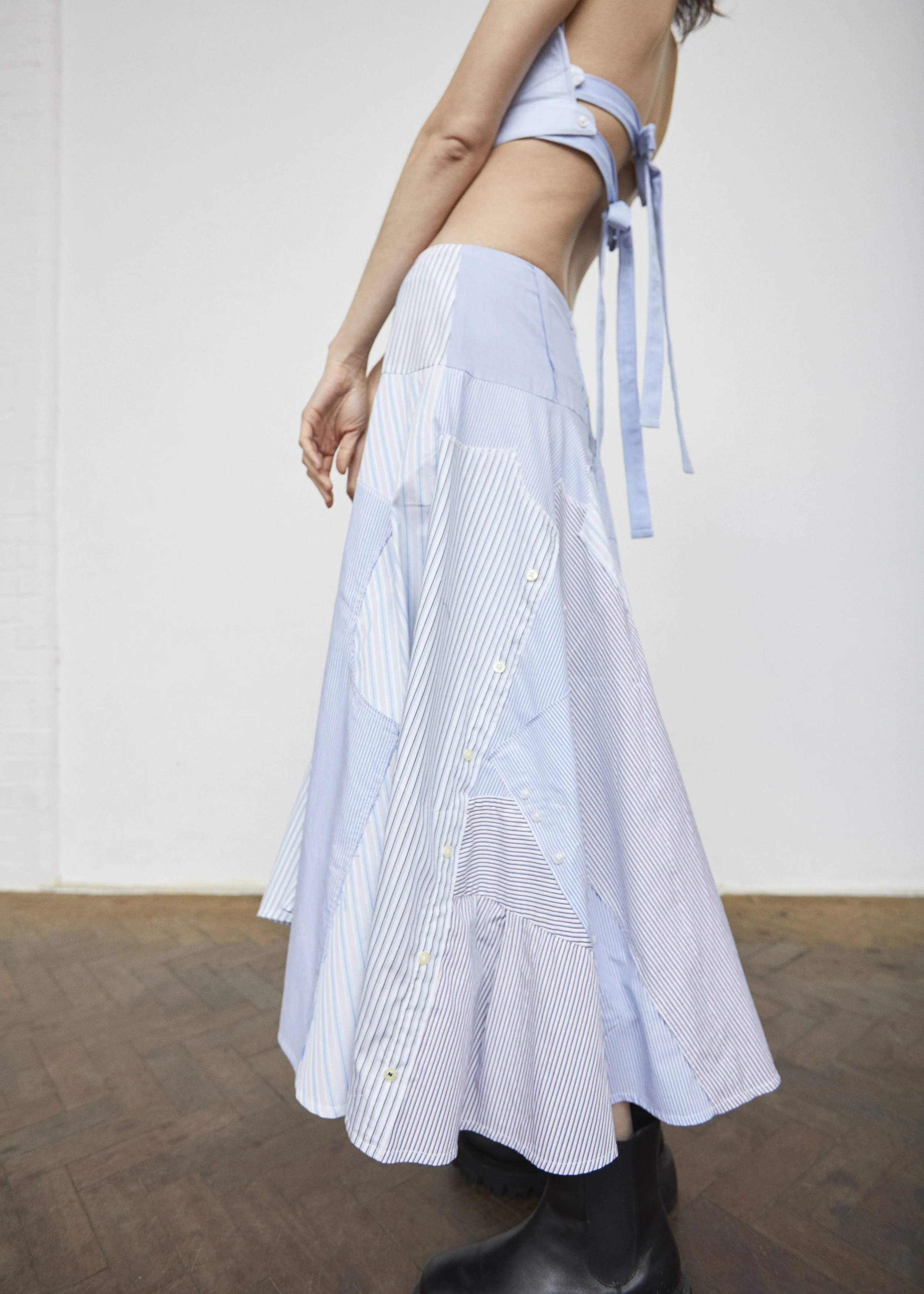
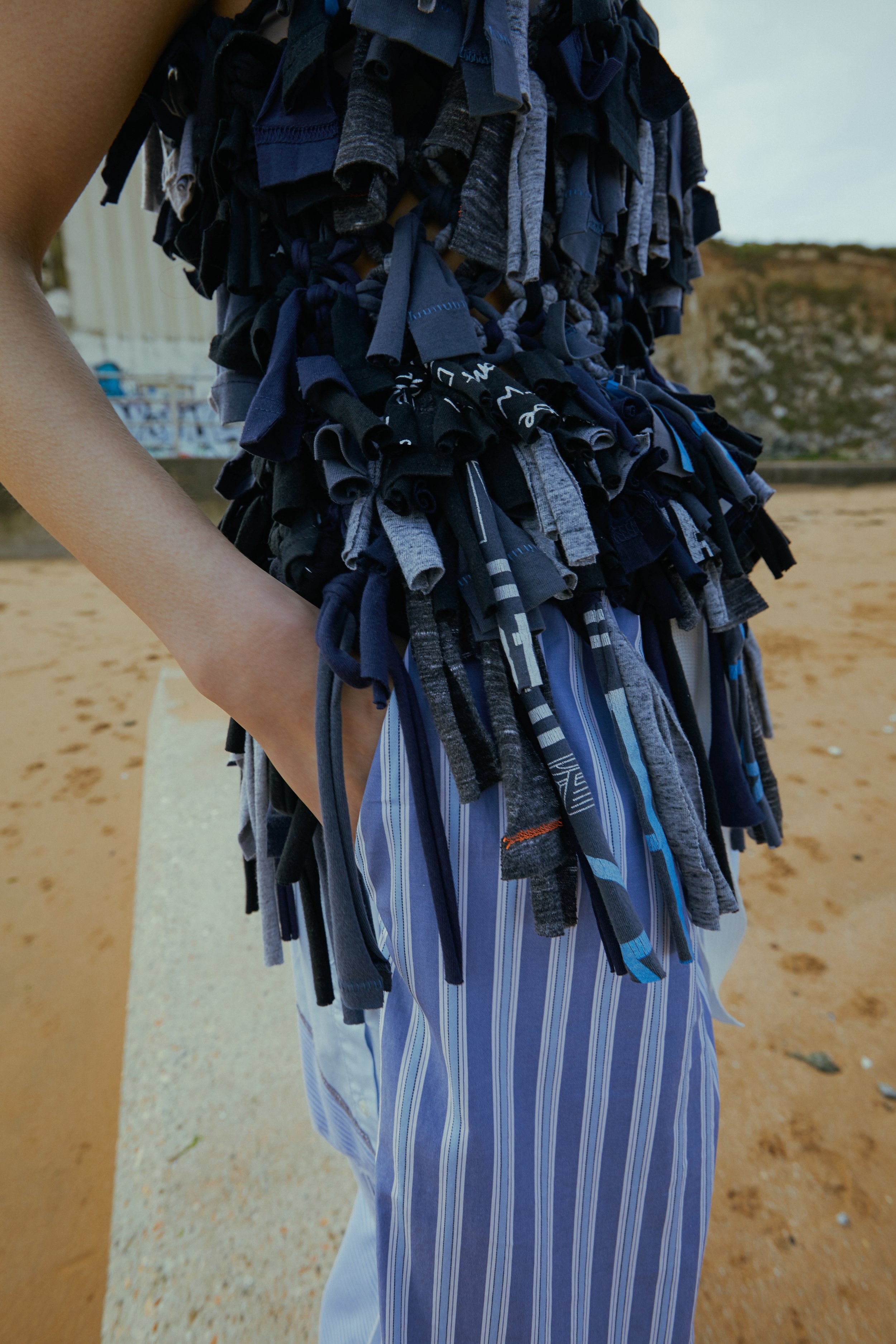
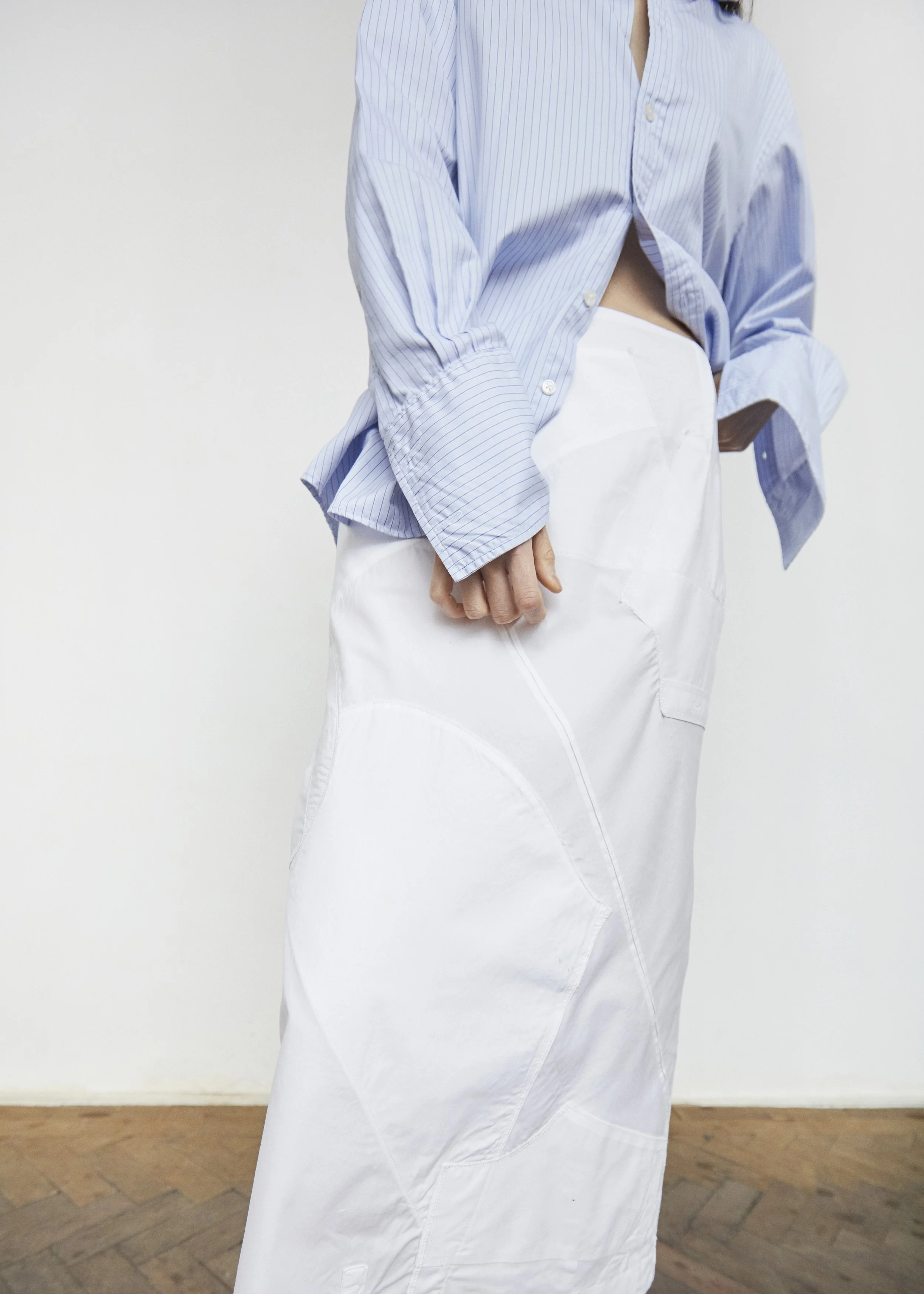
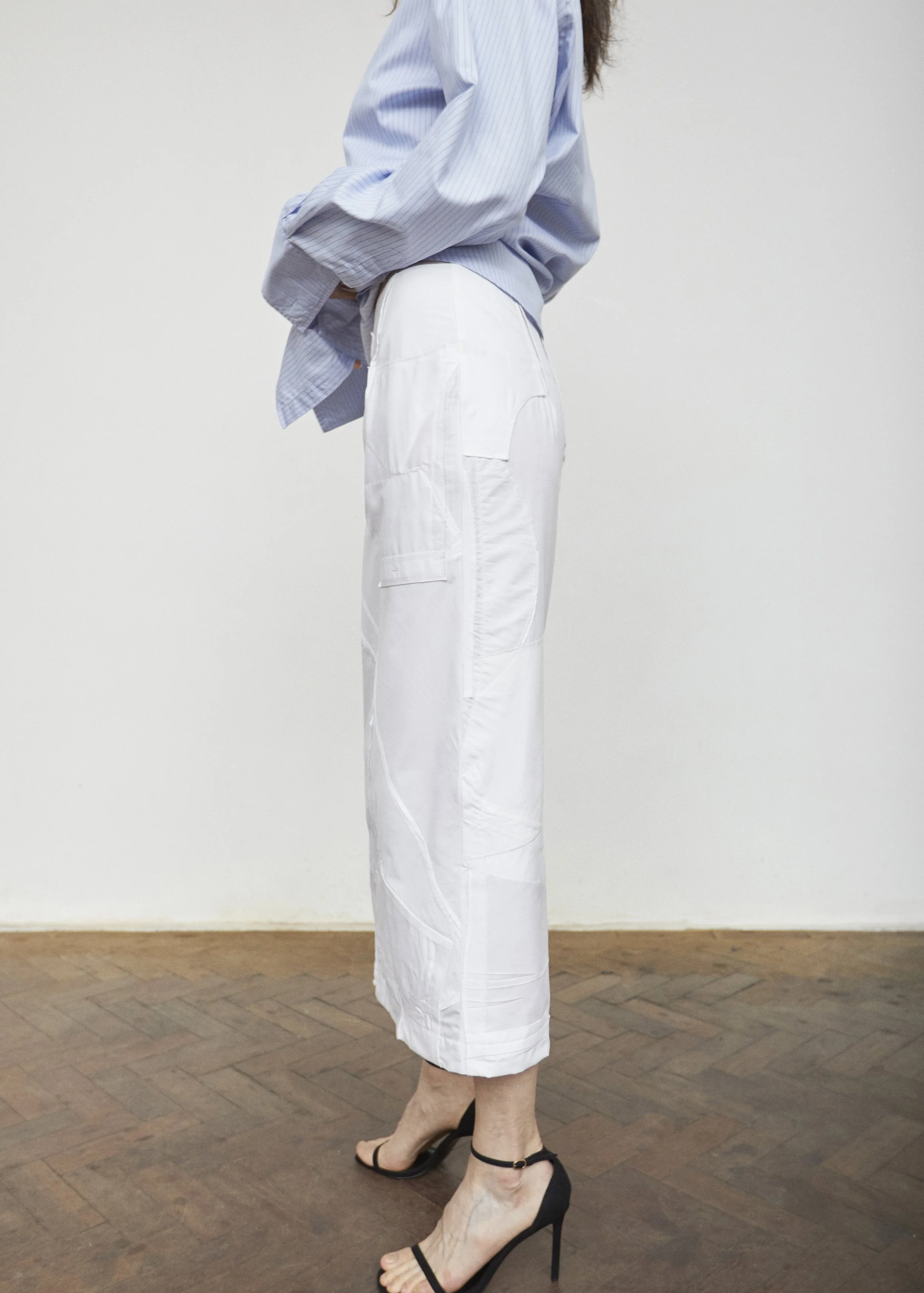
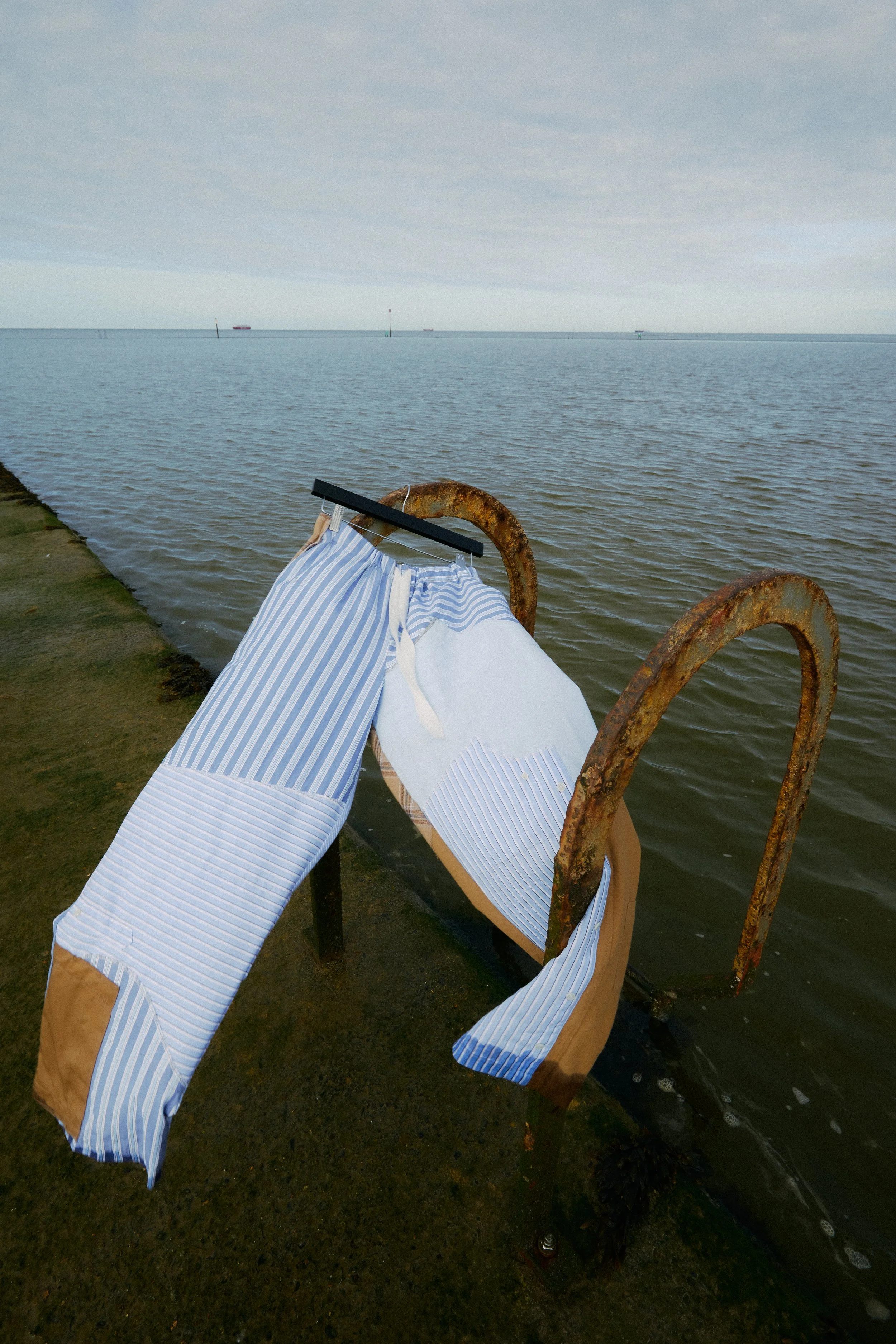
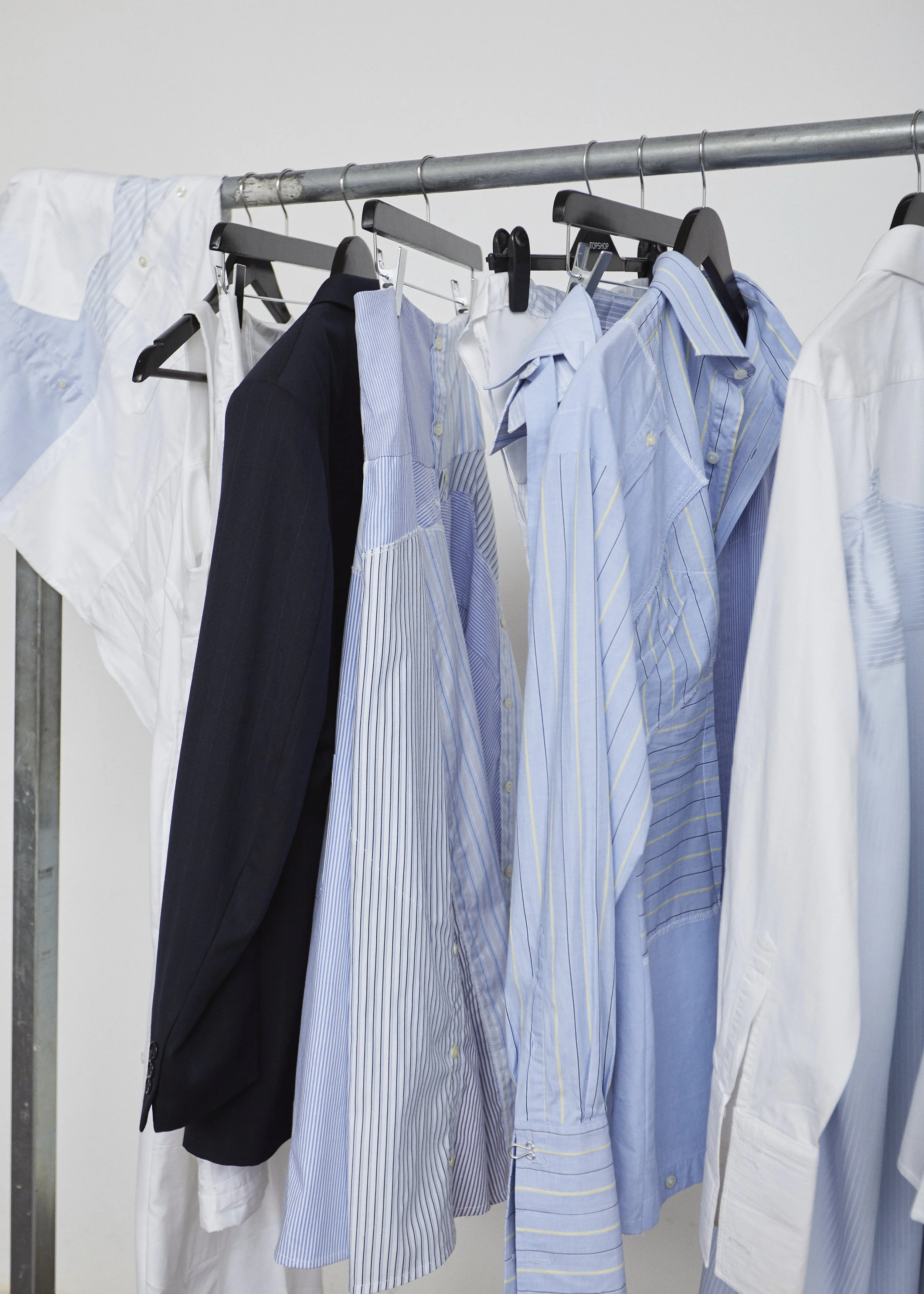
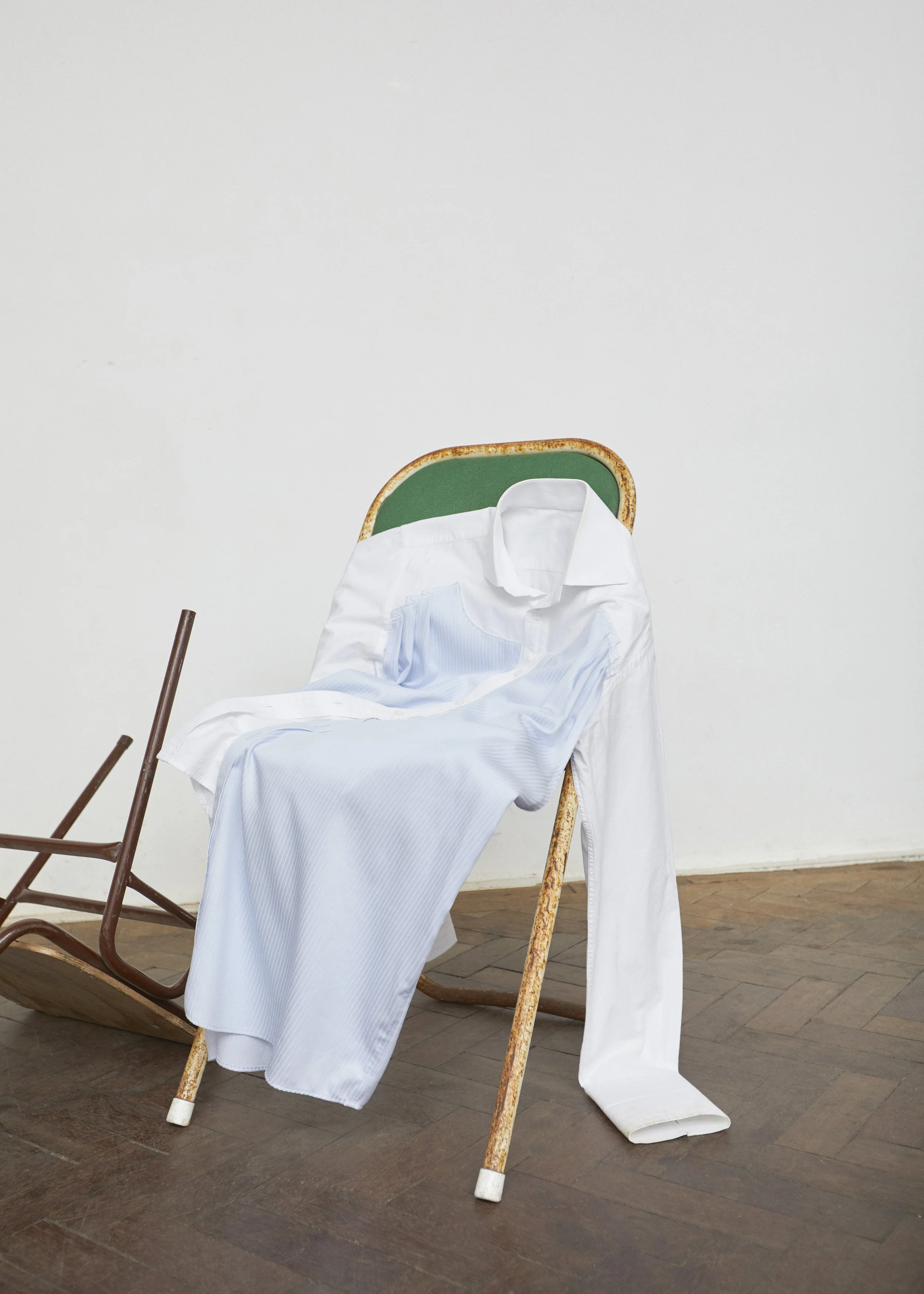
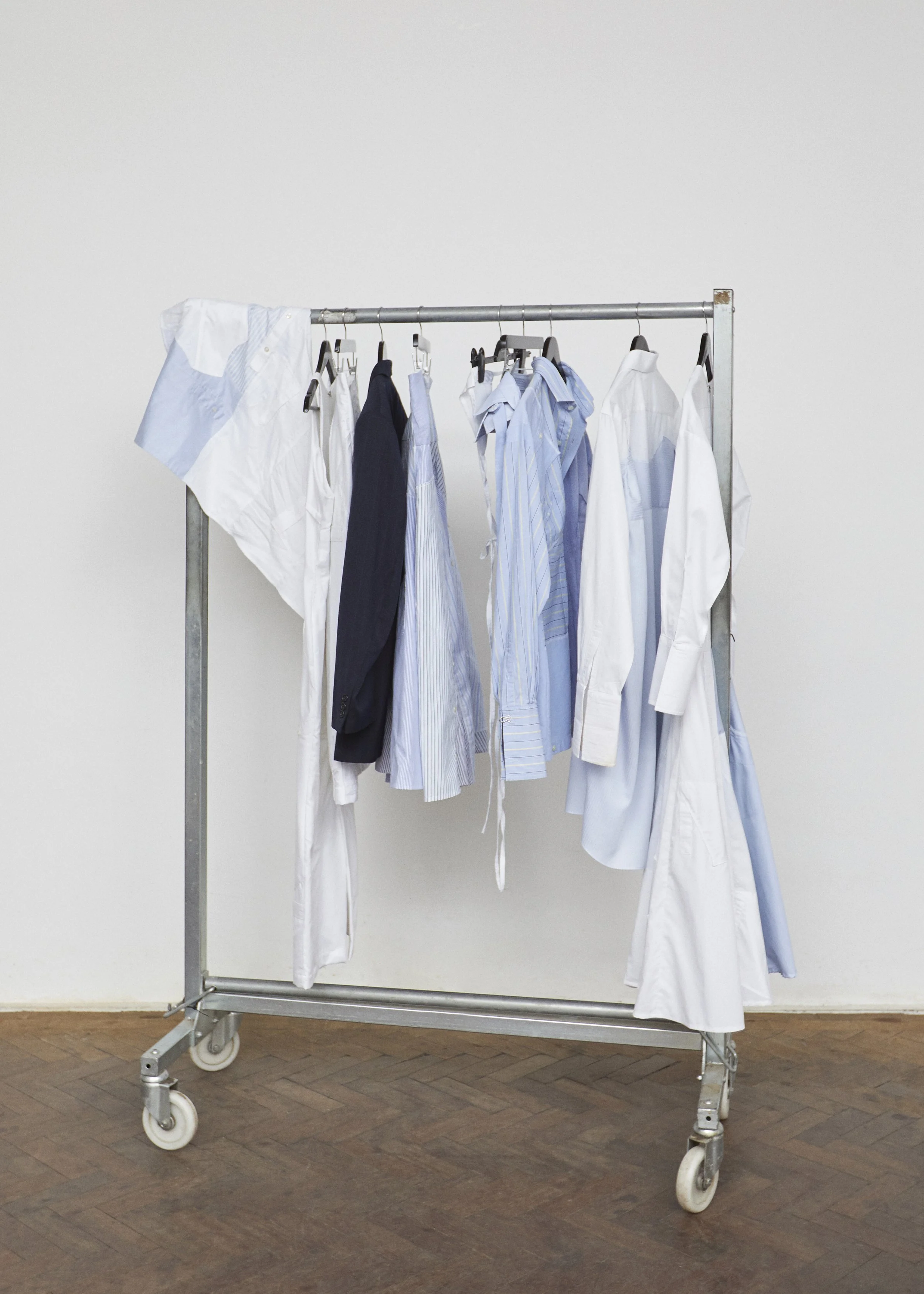
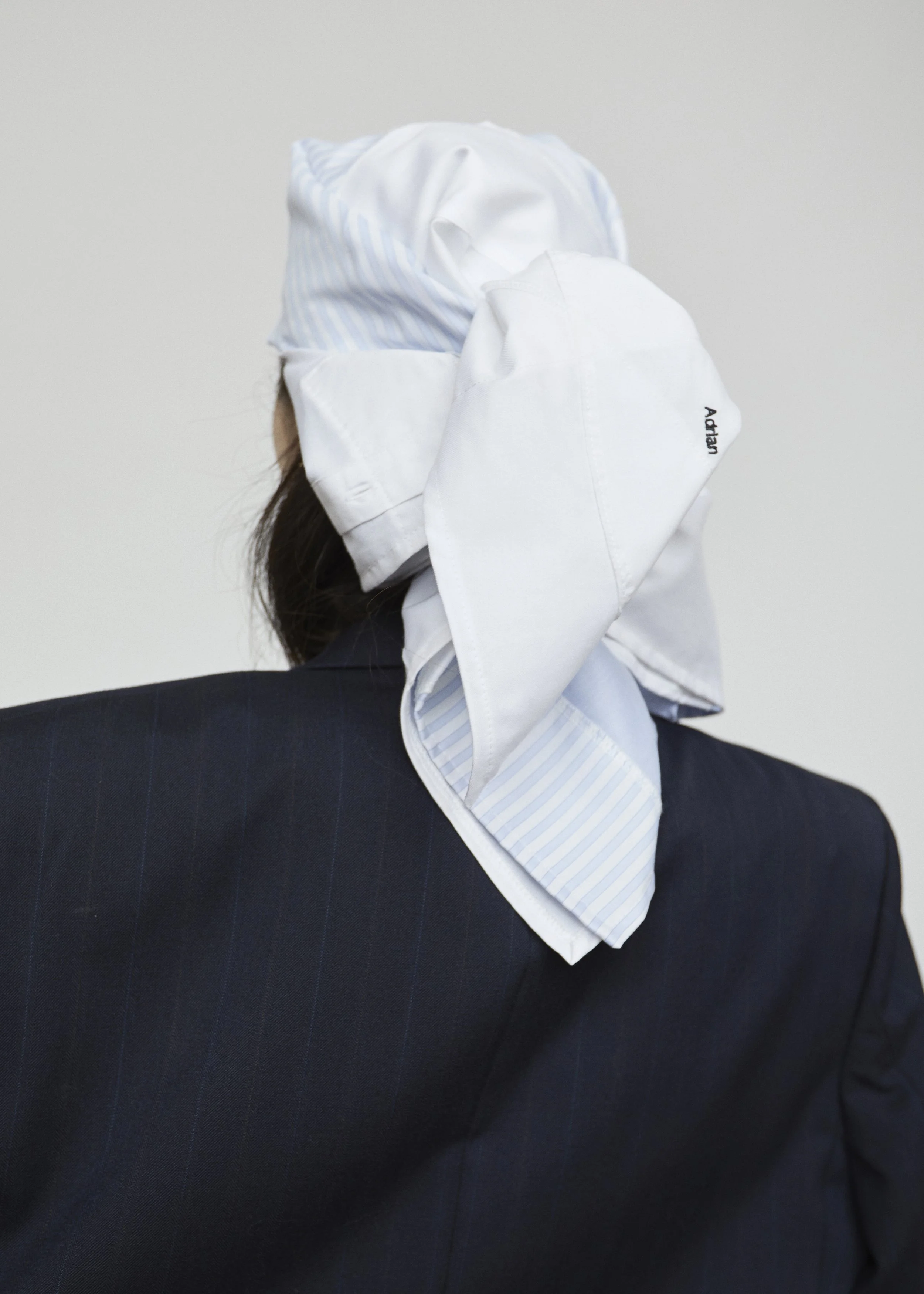
Label Hjem started as a personal research project. I had accumulated so much knowledge of the production process but felt compelled to explore the reality of what happens beyond the point of purchase and post-consumer. I had also become detached from making, having spent years behind a laptop, and was craving the feel of fabric between my fingers. I started deconstructing preloved shirts, patch-working and exploring what a reworked version would look like through my own lens.
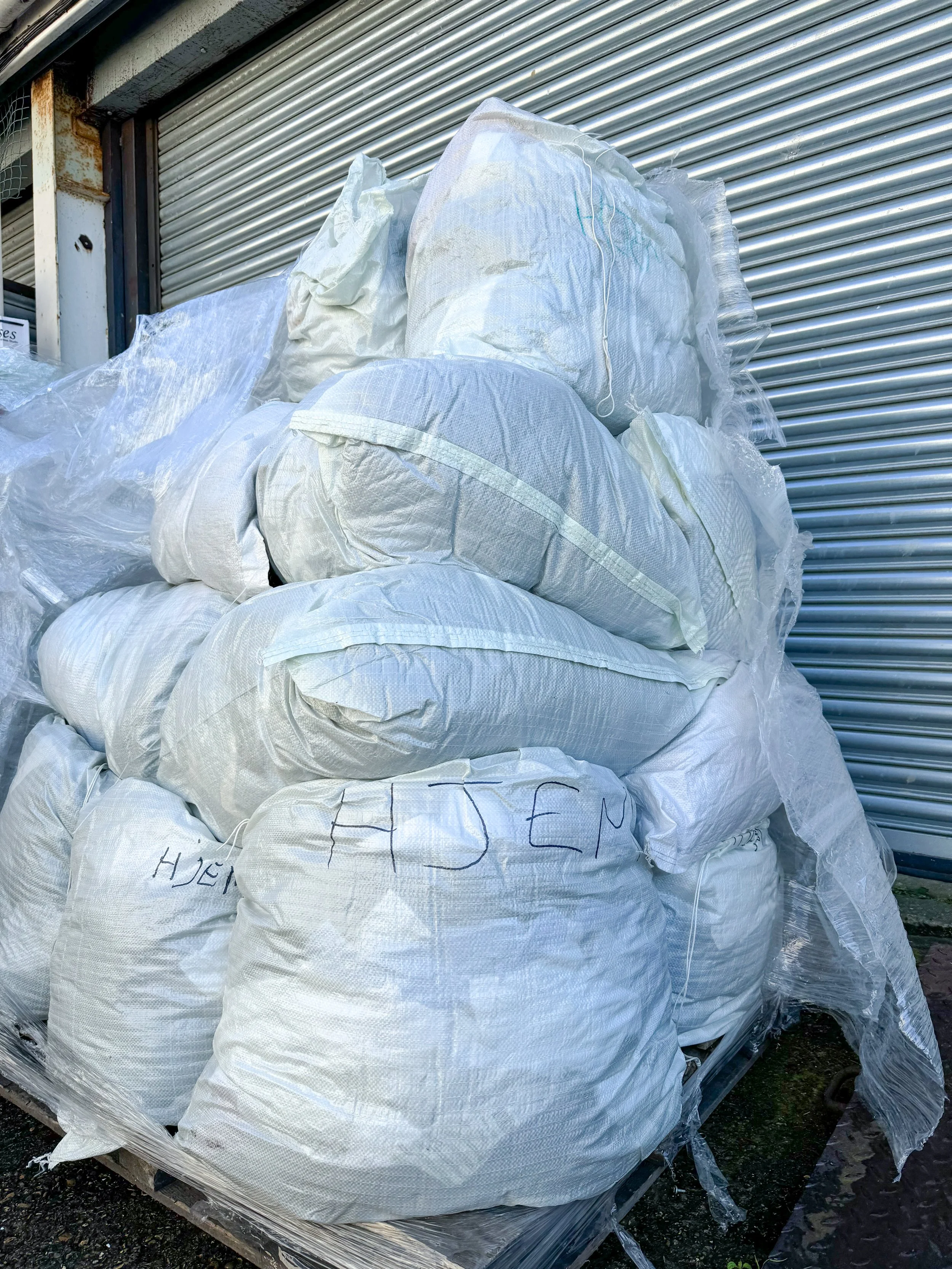
It all locked into place during a visit to SATCoL: the UK’s largest second-hand collecting and sorting facility. Witnessing the sheer scale of donated items flowing around their conveyor belts (>75,000 tonnes annually) was shocking, overwhelming and inescapable, with less than 1% being recycled or up-cycled.
The statistics highlight an ever-growing resource which is currently undervalued and underutilised. Label Hjem has become a way to challenge both the numbers and social mindsets; a way for me to operate within communities to demonstrate ways that existing materials can be used, open up conversations and inspire change through an expressive and creative outlet.
Photography by Birutė Paukštytė.
With such an extensive career across different types of business, are there any projects that have stood out to you?
There are so many! But to hone in on a couple…
At the beginning of my career I had the opportunity to work on an ASOS capsule collection in partnership with SOKO, a wonderful factory and social enterprise based in Kenya, who place people and community at the heart of their business model. As well as manufacturing beautiful garments in their sustainable factory (they collect rain water, harness solar power and up-cycle materials), SOKO runs a stitch academy, delivers skills training and runs the Kujuwa Initiative, an organisation working to achieve equal opportunities for girls by ending period stigma. Seeing SOKO’s work and the passion that founder, Joanna Maiden has for creating positive systems was the first time I directly saw fashion being used as a force for good. We created some cool collections together but the depth and value really lay within the processes and the impact that stretched far beyond the clothes.
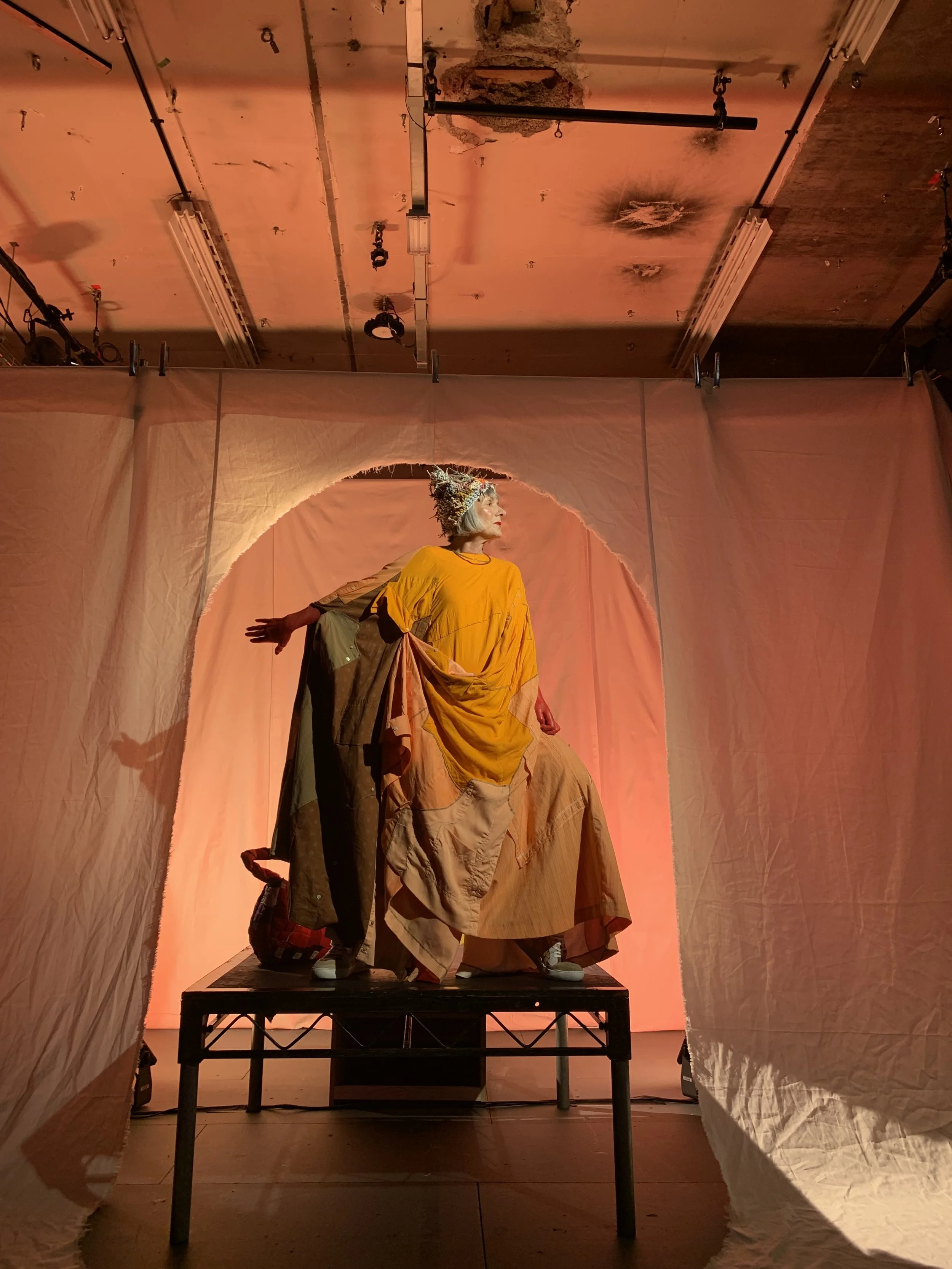
More recently, I’ve been lucky to continue to connect with brilliant people through Label Hjem, including Helen Kirkum, Founder of her namesake footwear label. As a trailer blazer, treading her own path, Helen’s work has been an inspiration to me since I first discovered the brand. Label Hjem’s first collection was styled within their London Fashion Week SS24 show ‘Cobbled Together’. The following year we collaborated on a bespoke piece for AW24 ‘Assemblages’, an artistic presentation of our future solar system within which we created a dress to represent the sun from fourteen post-consumer shirts. It was a pinch-me moment to contribute to such a powerful message.
I’d say the ones which have stuck with me the most strongly are projects that combine creative concepts with a strong sense of collaboration fully rooted in purpose and regeneration. Capsule collections which work closely with manufacturing as equals, embodying true traceability, transparency and meaning are what I’m most drawn to and fulfil a quest for connection.
What is it like being a Freelancer and Founder simultaneously?
Being both a Freelancer and a Founder is limitless. It's my biggest joy and equally terrifying depending on which day you catch me. Balancing the two aspects is a constant juggle with no two weeks the same, which for me is the beauty of it all.
Bouncing from one to the other brings endless opportunity to meet fellow creatives, to collaborate and be inspired. My freelance work sparks ideas to be explored within my label then vice versa, back and forth, like a pinball machine gathering speed. They serve different purposes for me, creating contrast and space for me to stay open to new ideas.
There is increasing synergy emerging between the two as the industry moves towards adopting circular systems which is very exciting!
You were recently a judge for the International Catwalk Award - did anything surprise you about the work of the next generation?
I had high expectations because I know how much talent is coming out of fashion schools each year, but I was seriously blown away by the ambition and the presence of the collections. Look after look of cohesive, beautifully executed pieces which clearly represented a depth of innovative thinking, diversity, personality and point of view. They were collections with confidence and a lot to say, which I loved. This made the judging selection difficult but it was a joy to comb through the threads of each collection together with my fellow judges and discuss our most loved elements. I’m looking forward to seeing how these creatives go on to shape the future of the industry.
Do you have any advice for recent graduates, looking to launch their career in the fashion industry?
“Never stop learning. Ask questions, seek knowledge, learn from others, find a mentor, watch and soak in how it all works. Find and align yourself with people who inspire you, who are kind and expansive with positive energy. All of this will eventually lead to identifying where you want to focus your attention, what excites you, and where you can make the most impact, as well as making it an enjoyable ride.”
No one is an expert in an ever-evolving landscape, where innovations and legislative changes are regularly being introduced; in some ways it's the perfect time to enter the industry as business models are being re-centred and fresh ideas are shifting success metrics. So remaining adaptive, curious, open-minded and unafraid to step into the unknown and share your thoughts will serve you well as we all step towards the future of the fashion industry.
*stat: Ellen MacArthur Foundation, A new textiles economy: Redesigning fashion’s future (2017, http://www.ellenmacarthurfoundation.org/publications).