
Material as Muse: How Glass Shaped The Winning Fashion Portfolio Collection
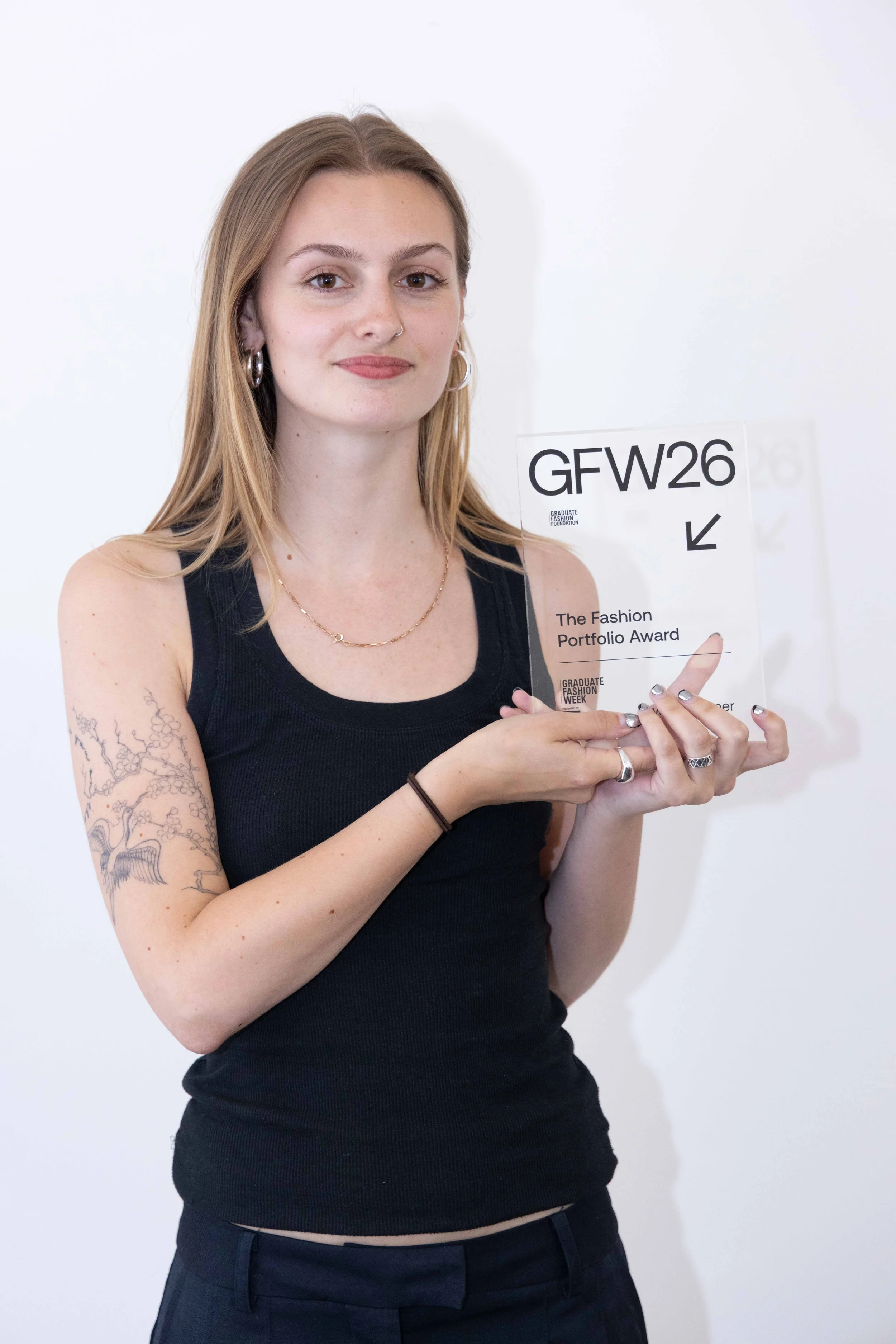
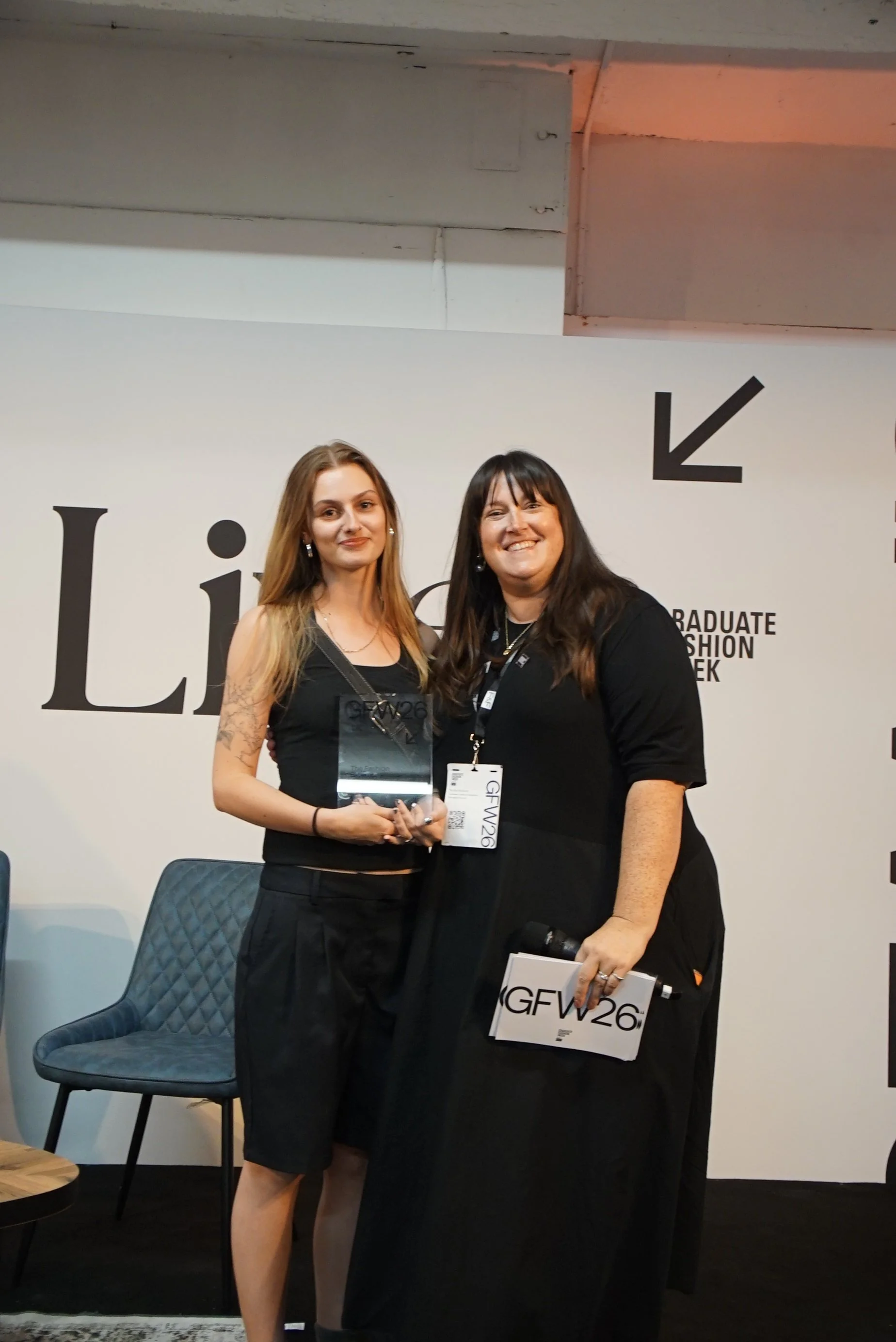
An Interview with the winner of the Fashion Portfolio Award 2026: Jasmine Harrowsmith from Kingston University.
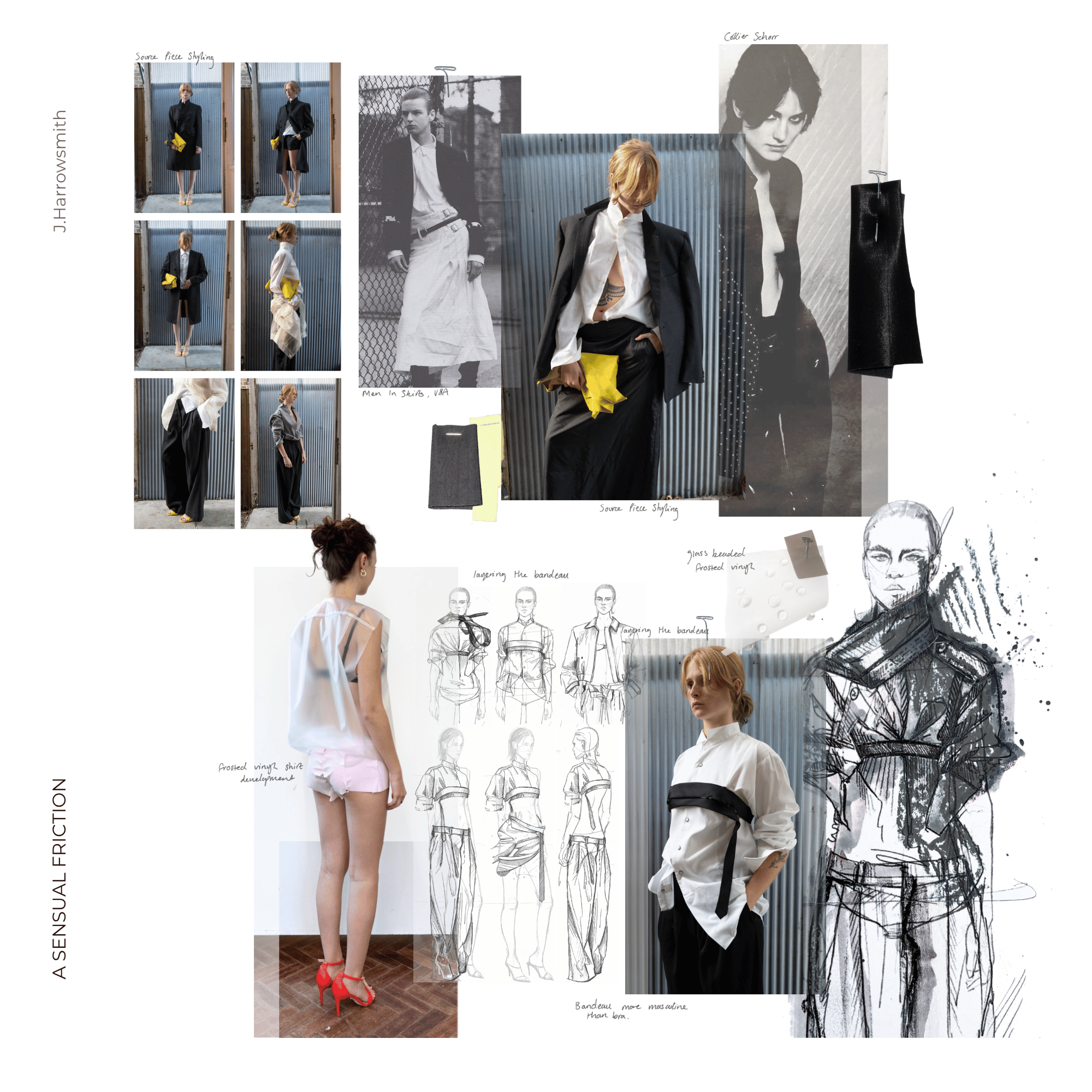
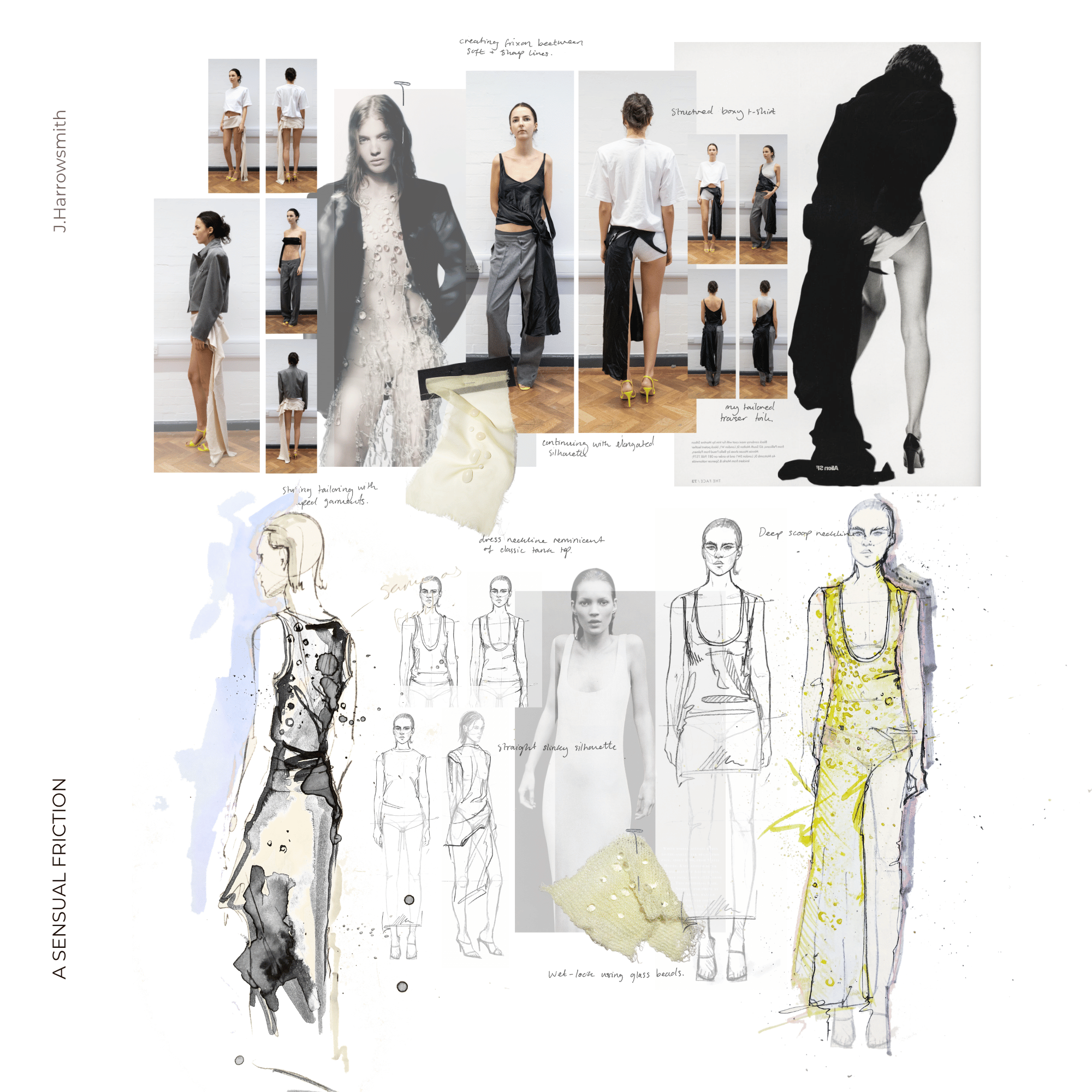
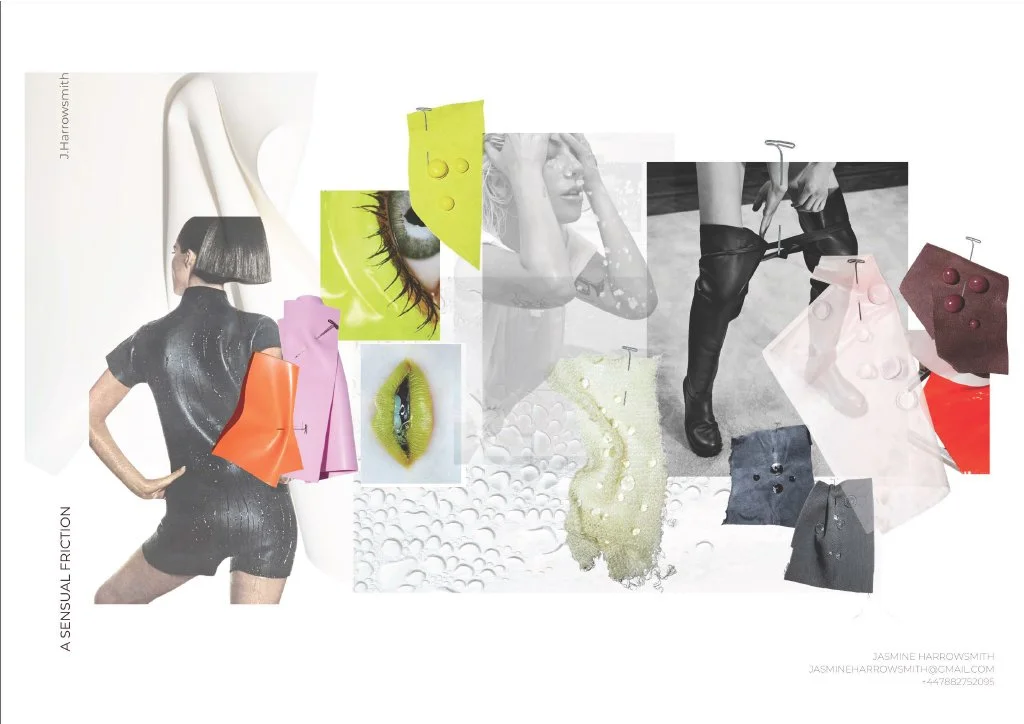
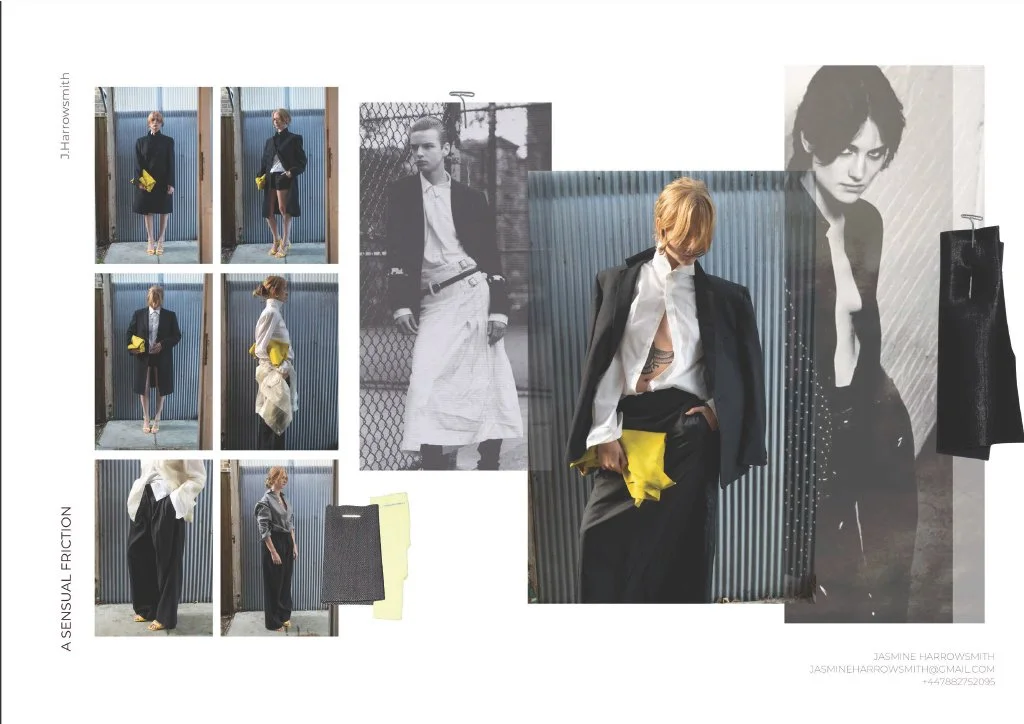
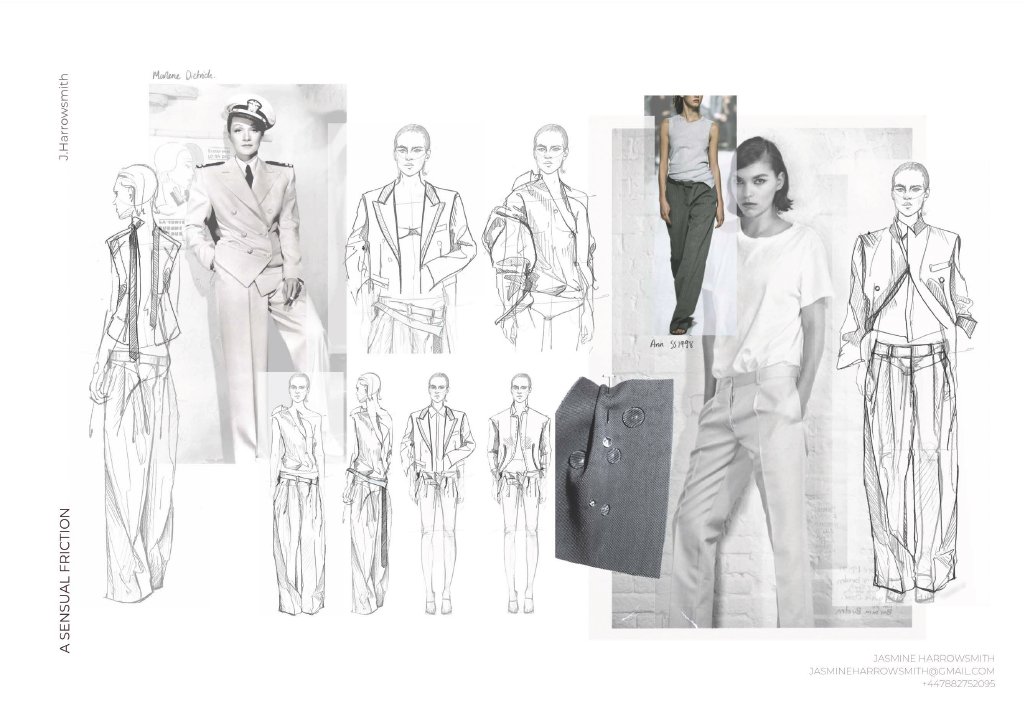
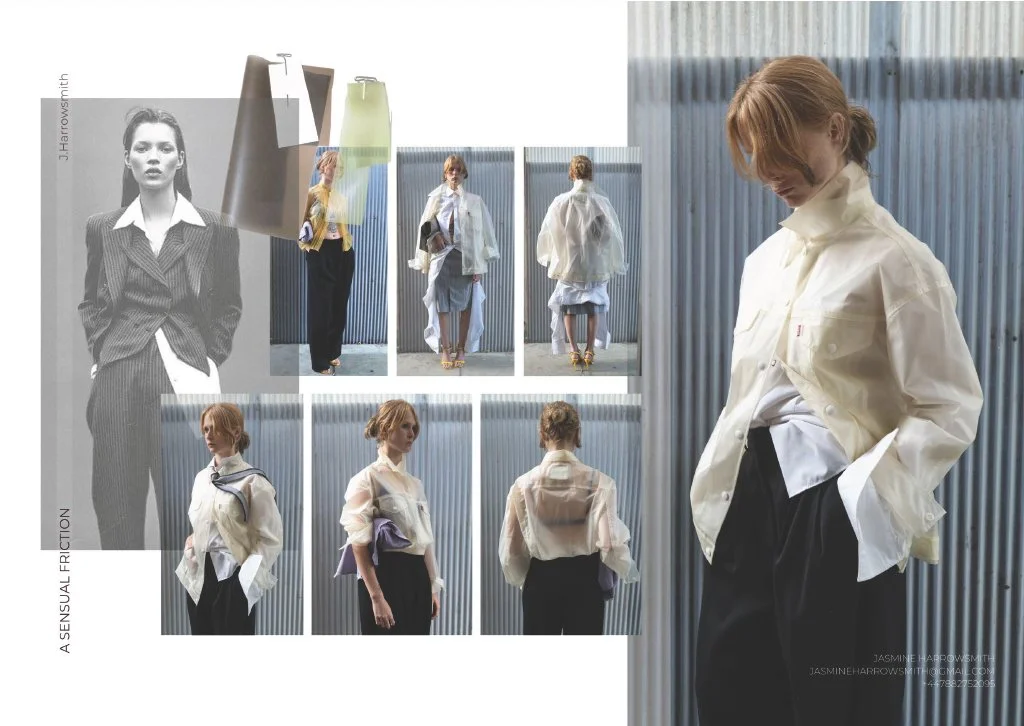
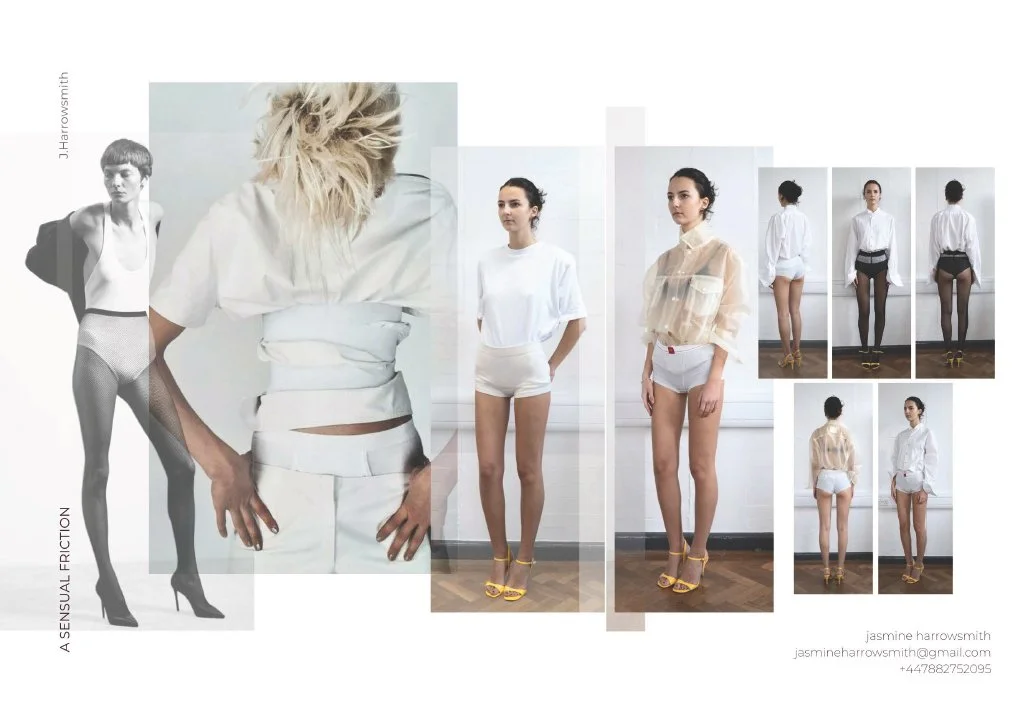
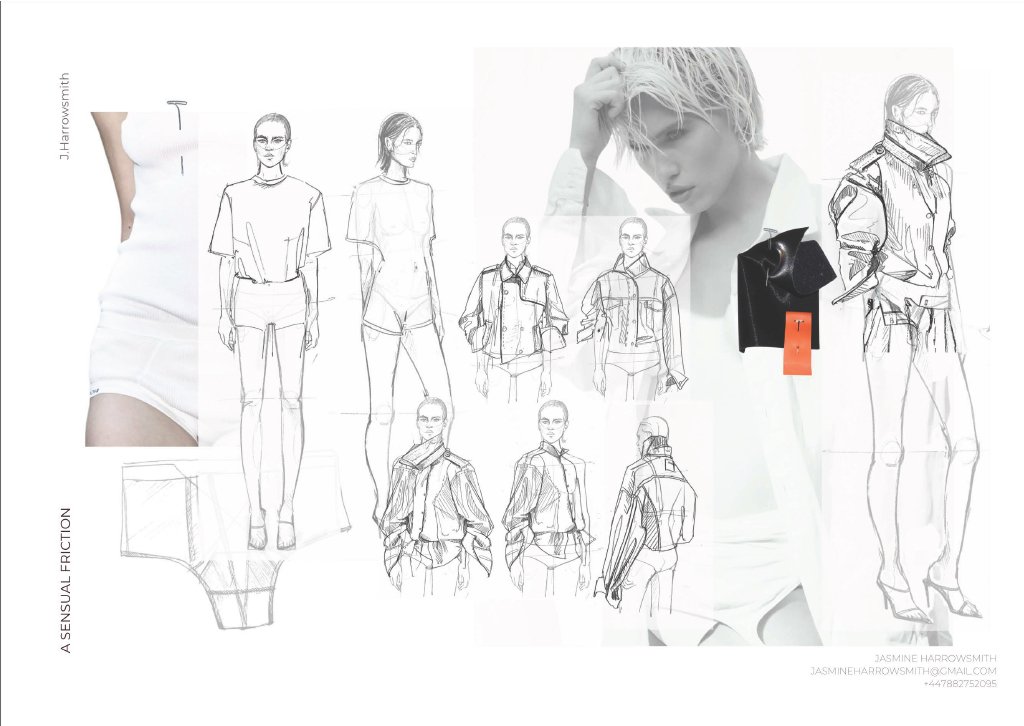
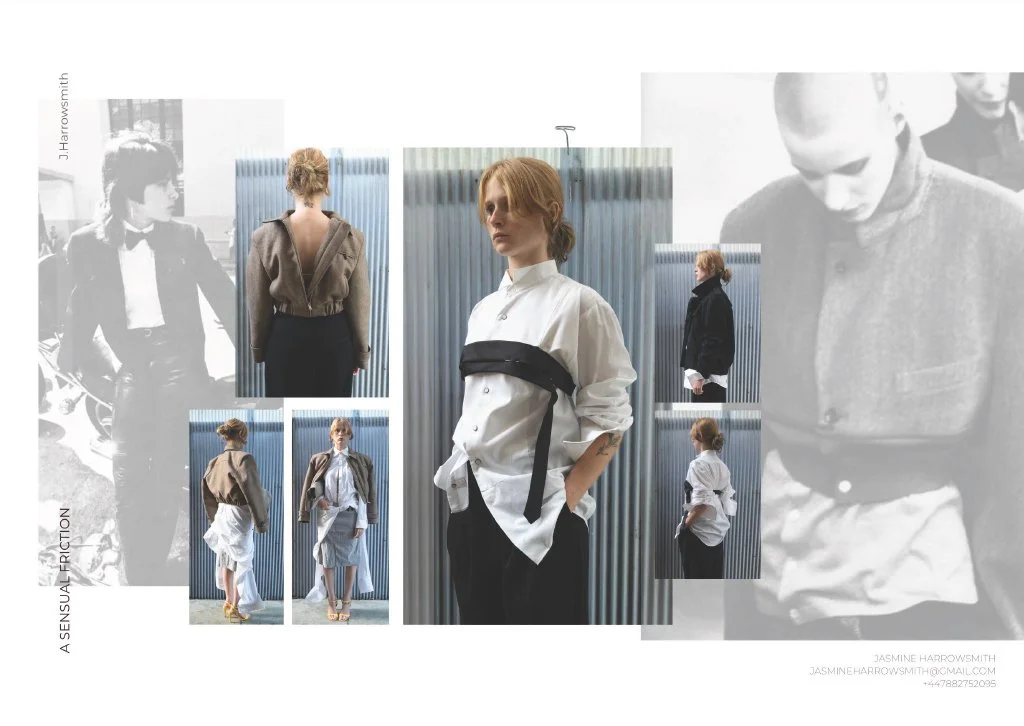
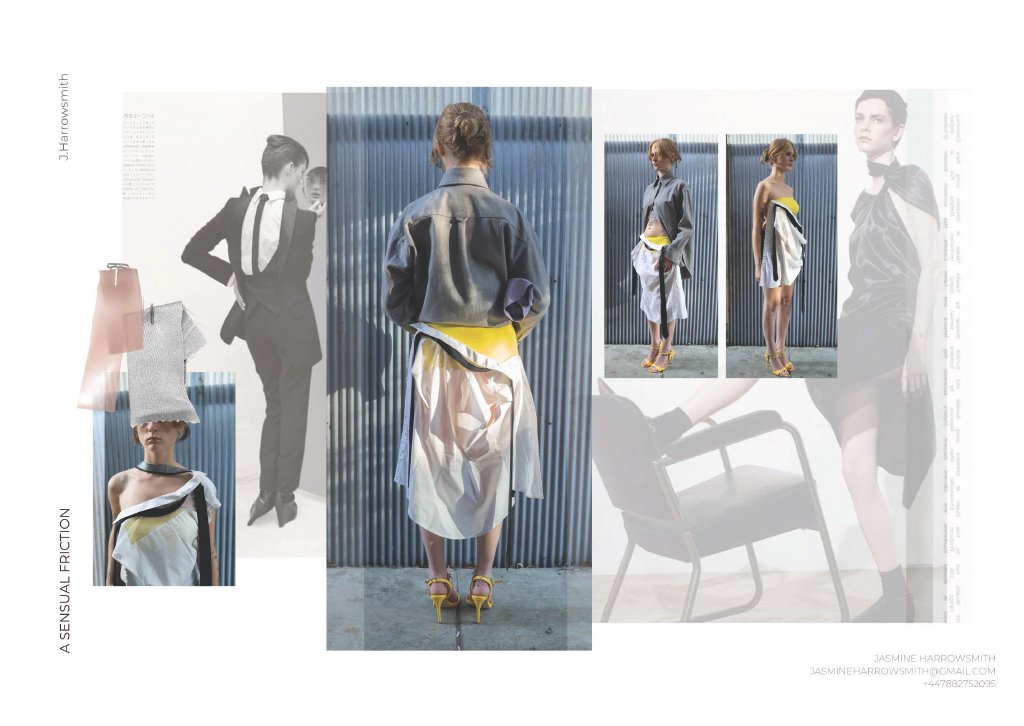
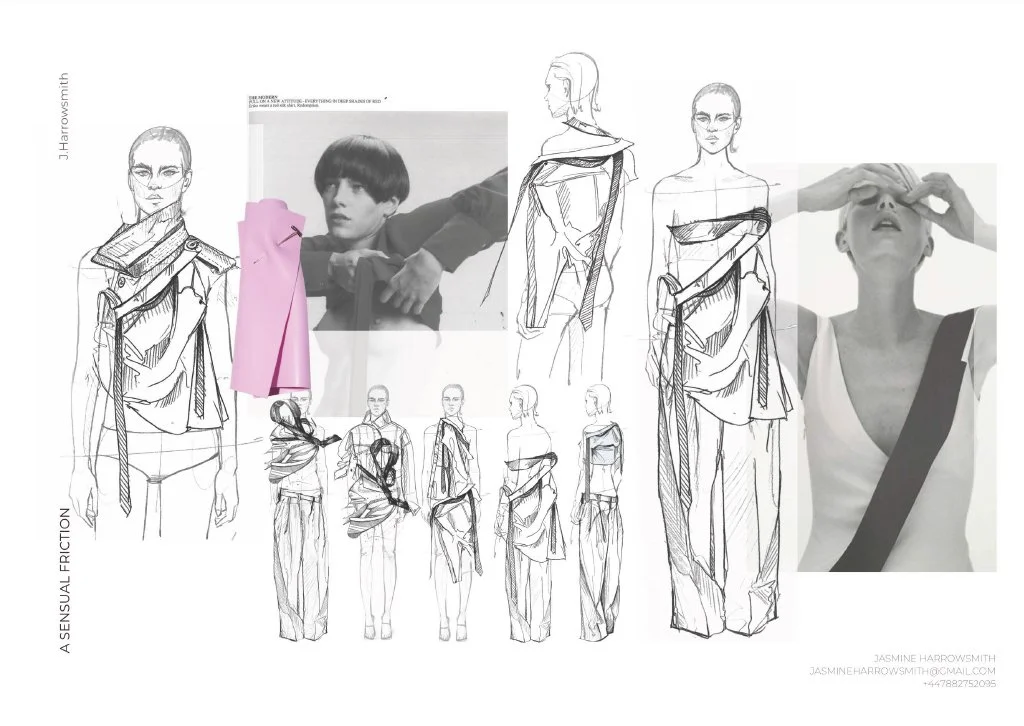
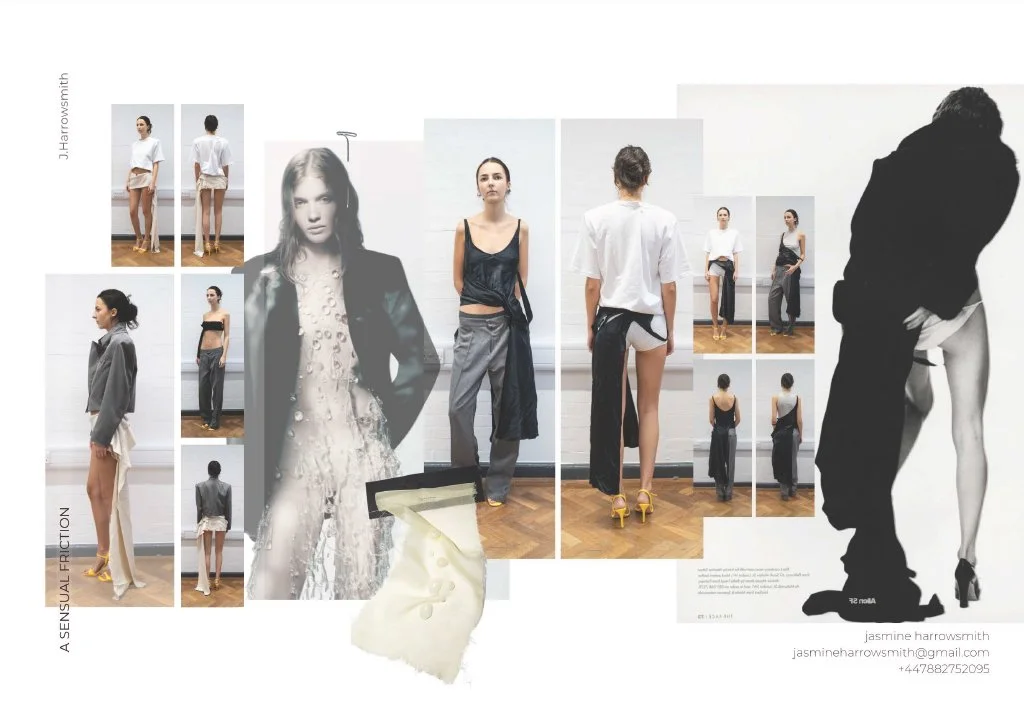
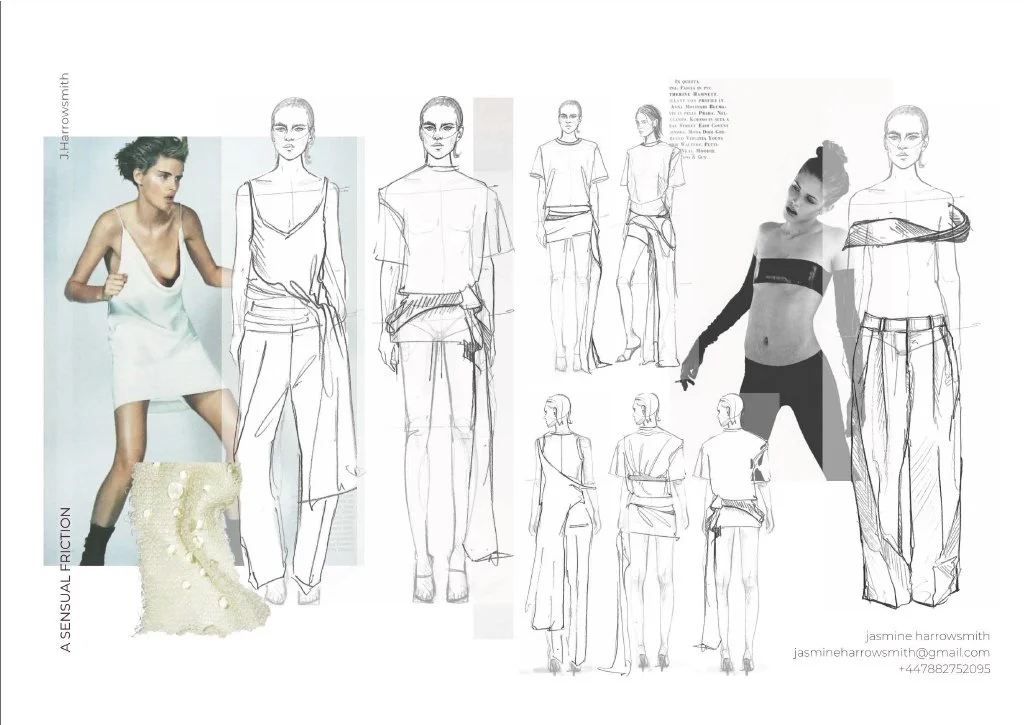
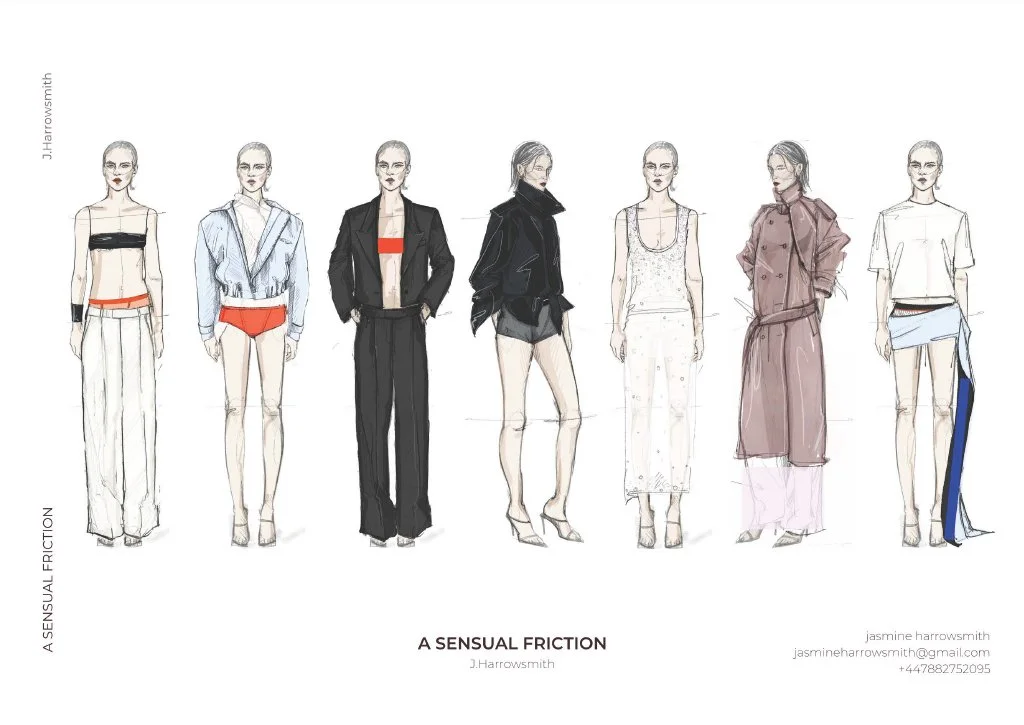
Jasmine Harrowsmith describes herself as a ‘material-led’ designer; her process often begins with tactile experimentation or the re-appropriation of materials, such as the glass and latex used in her collection. She uses these materials as a way to generate ideas rather than illustrate them. At the same time, beginning to build a visual and physical reference world, often sourcing vintage or existing garments that she is drawn to. These pieces are then styled, draped and manipulated on the body to explore silhouette, proportion and layering.
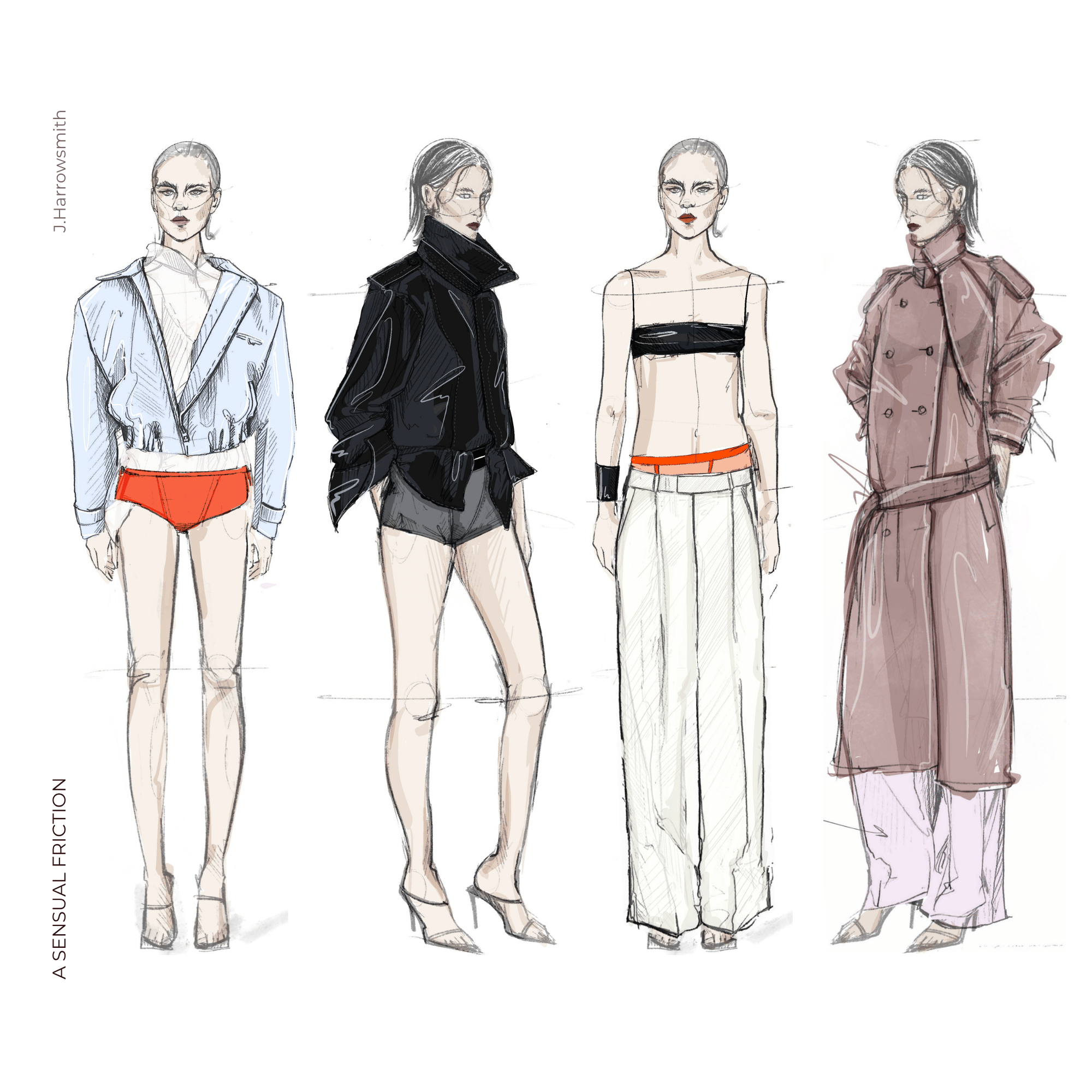
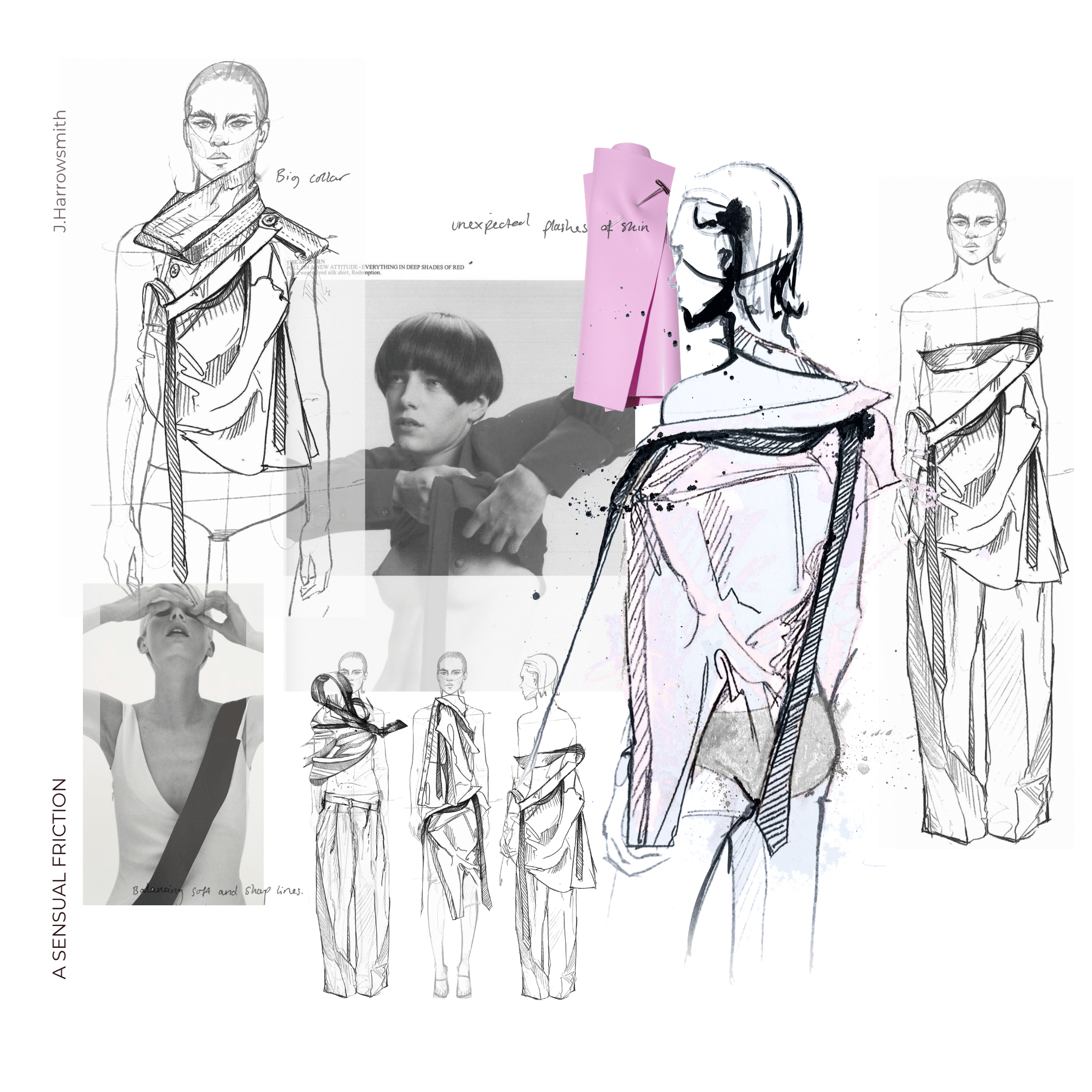
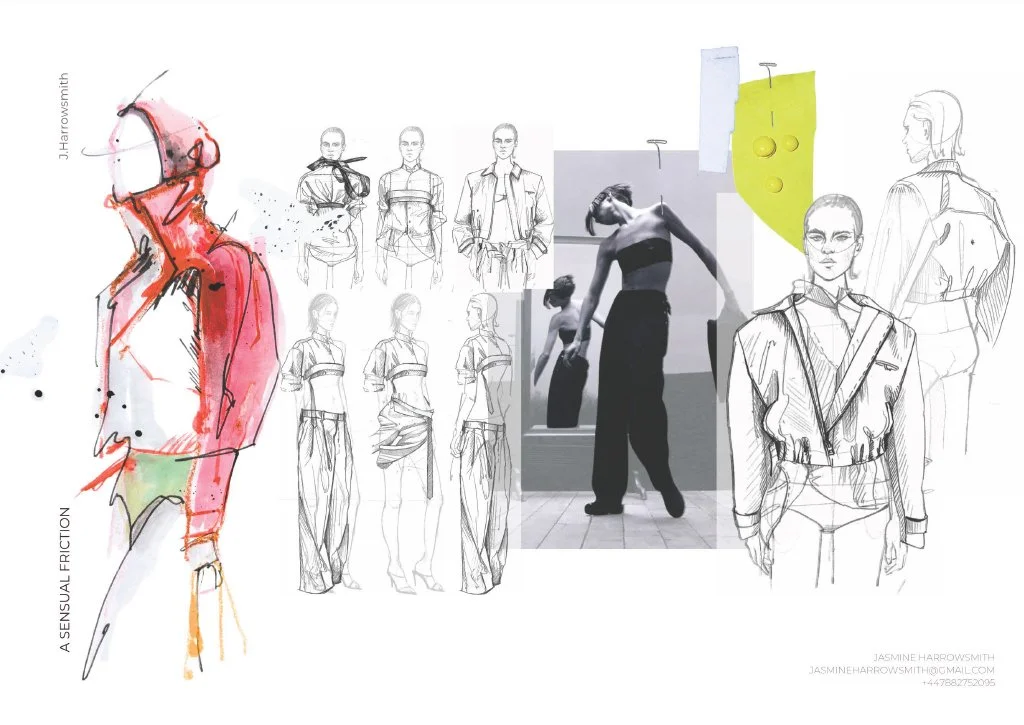
From this, she is able to produce a high volume of quick sketches based on photographs of these experiments, which is then translated into more developed figure drawings to refine and expand key design ideas. The strongest concepts begin to emerge at this stage and form the foundation of a collection lineup. From there, the process moves into 3D development through toileing, prototyping and iterative refinement, where the ideas are tested and resolved in material form.
What unexpected source influenced your final outcome?
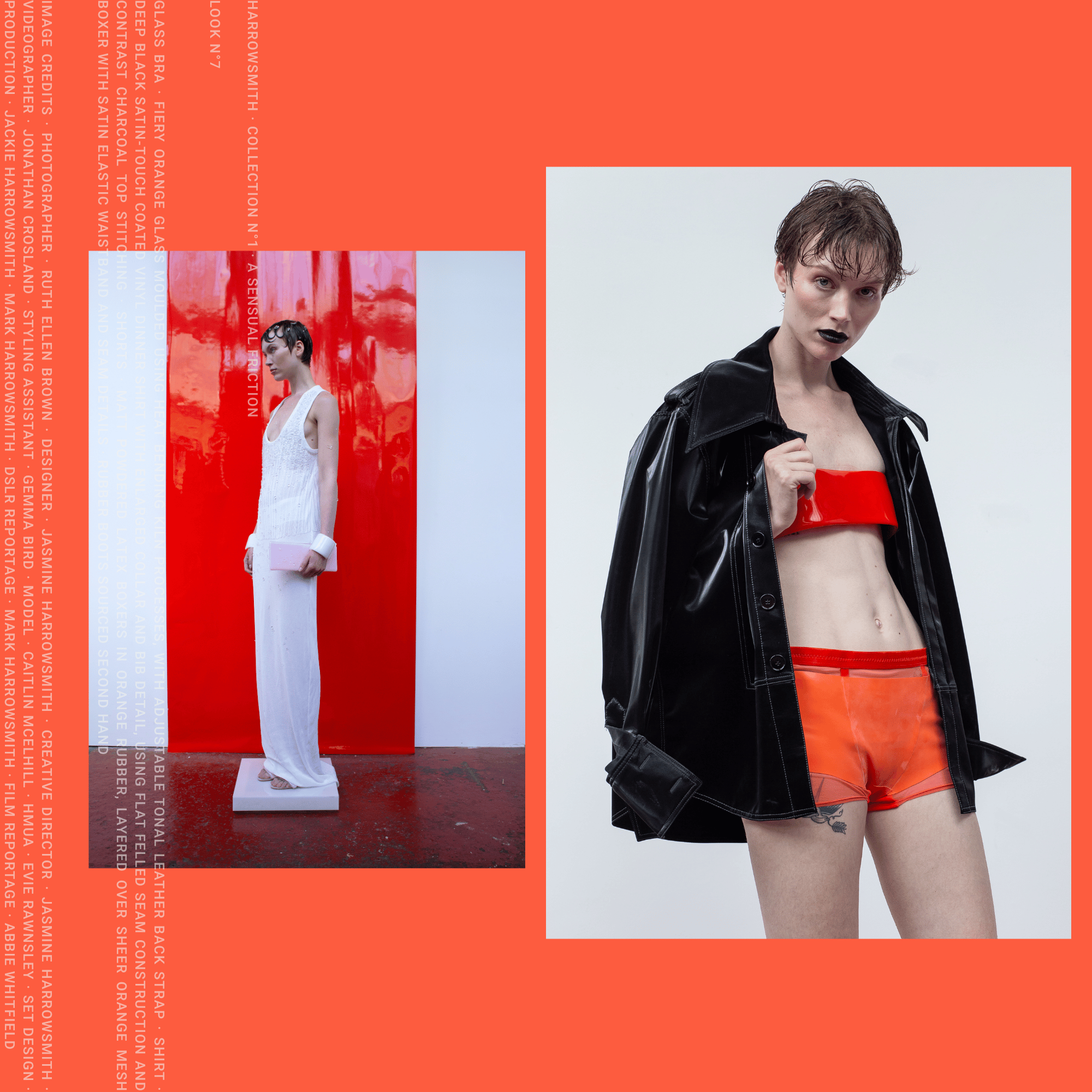
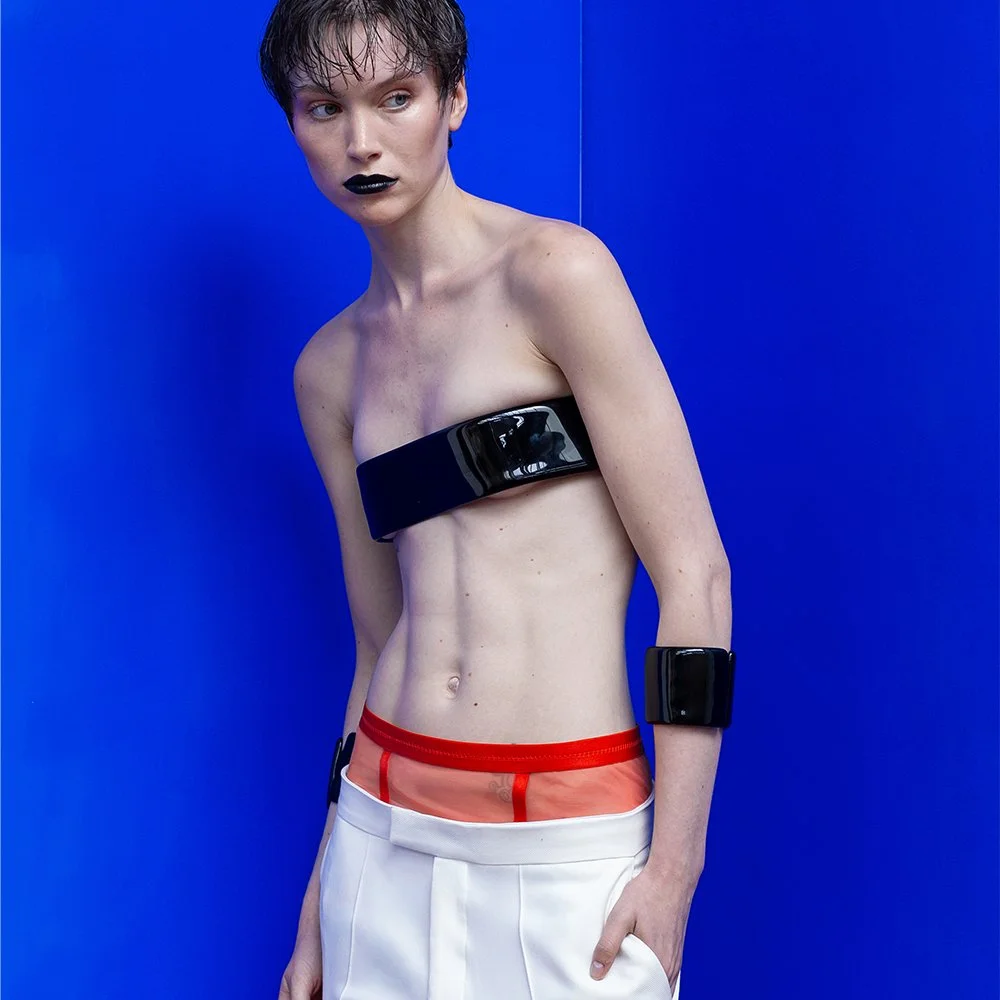
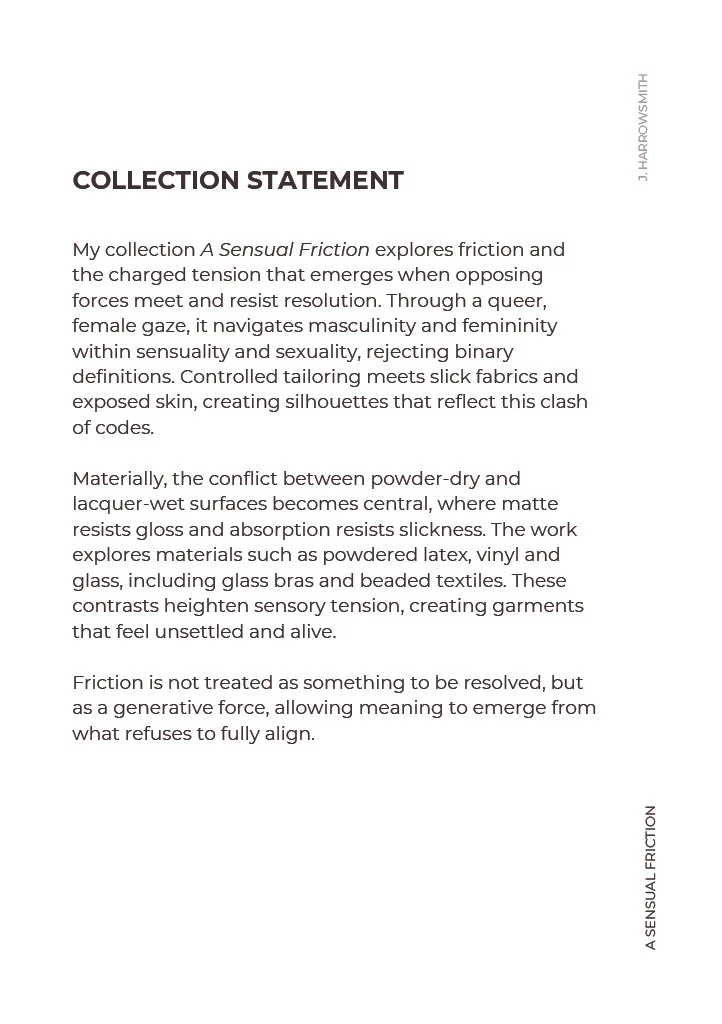
“One of the most unexpected influences on my final collection came from revisiting archived textile samples I’d developed in previous years. I’ve always been instinctively drawn to tactile materials and textures that contradict one another, particularly pairings that create a sense of friction or tension when placed together. While researching, I rediscovered a series of fused glass bead samples that created the effect of water droplets sitting on the surface of fabric.
What started as a small textile experiment quickly evolved into something much bigger. It led me to begin heat-moulding glass sheets in the kiln, resulting in custom sculpted glass bras and jewellery that became key pieces within the collection. Because my mum is a glass artist and tutor, glass has always been a familiar material to me, but this project was the first time I fully integrated it into my fashion practice. That unexpected return to an earlier experiment ended up shaping both the material language and the visual identity of the collection.”
What’s the best piece of creative advice you’ve ever received?
“One of my mum’s favourite quotes is Grayson Perry’s, “Originality is for people with short memories.”
It’s always stayed with me because it reframed the idea of originality. Rather than trying to create something completely new, it taught me that good design comes from looking widely, understanding what’s come before, and then bringing those influences together through your own perspective. That mindset has definitely shaped the way I research, experiment and develop ideas today.”
How would you describe your creative voice in three words?
“Sensual, Subversive, Tactile”
What kind of impact do you hope your work has beyond aesthetics?
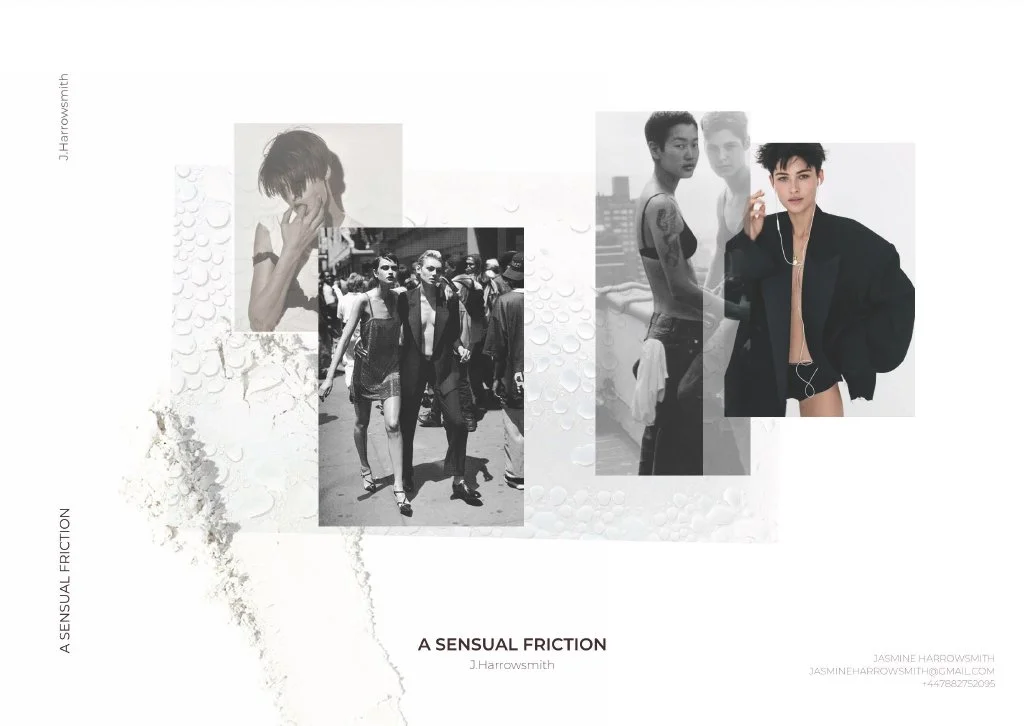
“I hope my work challenges conventional ideas of femininity and desire by presenting them through a queer female perspective. Rather than reinforcing heteronormative ideals, I’m interested in the intimacy that emerges when masculine and feminine qualities exist together. For me, those moments of androgyny are often the most sensual, and I want my work to create space for a broader understanding of what femininity, attraction and sensuality can look like.”
Which designer, artist or creative would you most like to show your work to?
“I’d love to show my work to Collier Schorr. Her exploration of masculinity, femininity and desire through a queer lens has had a lasting influence on my thinking. I am interested in the subtle tension in her work between strength and vulnerability. I would be interested in how she reads my work in relation to her own visual language, and how she interprets the tension I am trying to create between gender, materiality and the body.”
What conversations do you hope your work starts?
“I hope my work starts conversations around how we read masculinity and femininity outside of binary frameworks, particularly through a queer female gaze. I’m interested in how sensuality is constructed through tension, contrast and materiality, rather than fixed ideas of the body or gender. I’d like the work to open up discussion around desire, and how clothing can communicate intimacy through ambiguity rather than clarity.”
What advice would you give to a student currently starting their final collection or portfolio?
“Don’t rush to the final outcome. Spend time making, testing and refining ideas, because the best discoveries often happen through the process rather than the initial concept. I found my own way of working in second year, and although it looked different from many of my peers, it was the process that allowed me to develop ideas most effectively. Trusting that method again for my final collection meant I could stay focused while still giving myself the freedom to experiment. My advice would be to find a process that works for you and have the confidence to stick with it.”
So what’s next for you after graduating?
“After Graduate Fashion Week, I’m looking to return to industry and continue building on the experience I gained during my placement year, reconnecting with people I previously worked with at Tom Ford and Roksanda. That period gave me a strong understanding of luxury fashion environments and how ideas develop within established design houses.
I’m also very excited to be starting a Graduate Traineeship at Phoebe Philo in September. It feels like a really significant step for me, as it offers the opportunity to return to luxury fashion in a highly focused and design-led environment. I’m looking forward to being challenged, refining my technical skills further, and continuing to develop my own design voice within a contemporary studio practice.”
