
The tips and tricks I’ve learnt after 12 years in the field
There’s no denying the fashion industry is a competitive sector, but there are incredible opportunities for those who are persistent and willing to learn.
Careers in fashion now range from design, buying, styling, pattern cutting, to photography, journalism, copywriting, PR, visual merchandising, modelling, and much more. Within these sections are specialisms, such as womenswear, menswear, childrenswear, accessories, jewellery, footwear, sustainable fashion, lingerie, swimwear, e-commerce, high street and high-end sub-categories. Safe to say there is an abundance of opportunities in fashion for every creative.
I have worked in fashion for over a decade, and the industry has rapidly evolved during this time. I anticipate the fashion sector will continue to grow exponentially over time, which makes it an exciting career to pursue.
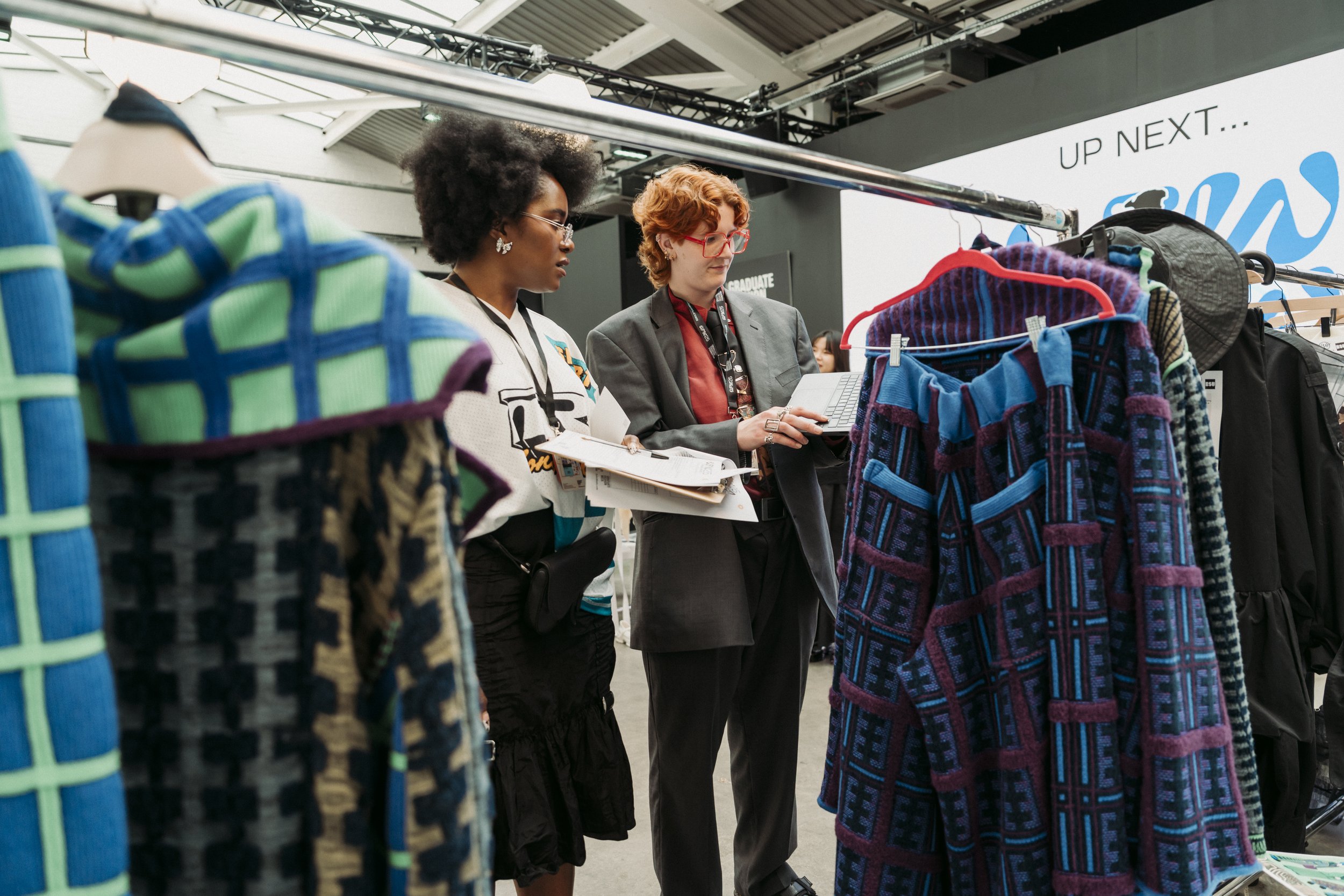
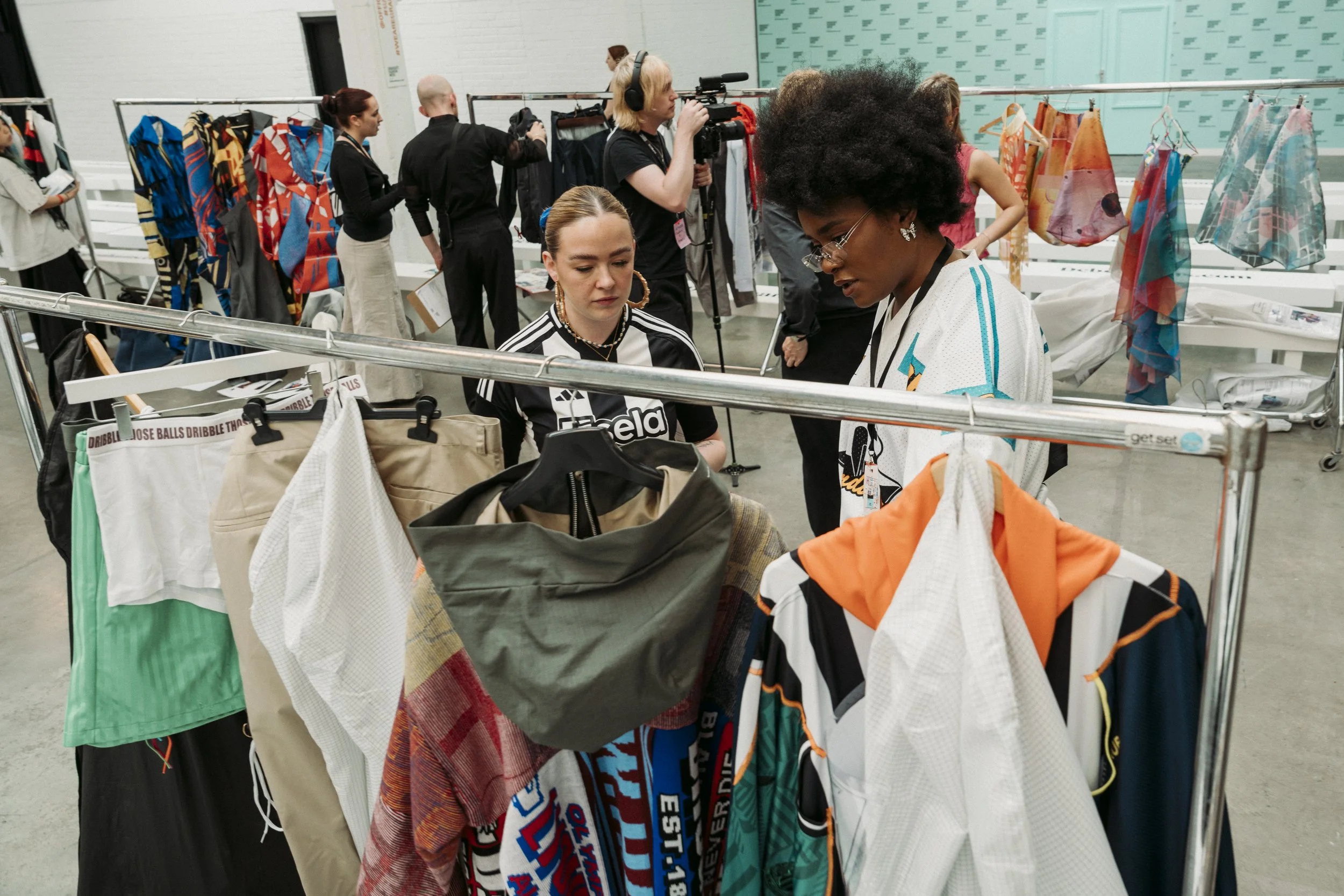

By this point, you have already built up an impressive portfolio, established your niche (perhaps), and are skilled in your area. So, if you’re looking for extra insider tips on how to break into the fashion industry, or take the next step on the career spider web, I have a few pointers to help you on your journey. However, I have to stress that every individual’s career trajectory is different, and you will reap what you sow.
1. Be resilient
This is easy to say, and hard to practice. However, it is a vital trait to succeed in the fast-paced and competitive fashion industry. Along the way, you may face hurdles or knockbacks, but true passion, determination, perseverance and resilience will propel your career forward.
My top tip: Feel your feels, but try to turn every challenge or criticism into a lesson.
2. Internships, work placements and apprenticeships
If you are unsure which area of fashion best suits your abilities, an internship or apprenticeship can be invaluable. Work placements are useful to gain a better understanding of the industry, explore different roles, learn about other people’s career journeys, and network.
Internships can range from two weeks, one month, six months to a year, depending on the company. Some internships may focus on one discipline, while others may see you rotate across different departments.
My top tip: Thankfully, many internships are now paid, or cover expenses as a bare minimum, but don’t hesitate to ask the company if you’re unsure.
3. Build connections
Internships and jobs can be found on LinkedIn, Cision, the company website, or a recruitment agency. However, there is something to be said for contacting an editor, stylist, or designer directly. Personally, this has been my most successful approach to securing new jobs to date.
I recommend you research a specific person to address directly, whether you email them directly, phone, or even call the head office to find the best contact. Alternatively, you may wish to approach social-savvy stylists, editors or photographers on social media.
I urge you to research any events, such as panel talks, launches or pop-ups, and politely introduce yourself to any established creatives hosting the event in person. This is a bold approach, but I have found making a connection in person leaves a lasting impression.
When I was trying to break into magazine journalism, I attended a panel talk hosted by Angela Buttolph, who was Grazia Daily’s Editor at the time. After the discussion, I introduced myself and shared my interest in pursuing a career in journalism. Angela kindly shared the best contact, and a few months later, I secured an internship at Grazia while I was still at University, and I returned to support different desks long after I graduated.
My top tip: Nothing ventured, nothing gained!
4. LinkedIn
Yes, your CV and portfolio are essential, but LinkedIn is a useful tool that has had a resurgence in recent months. I have observed brands, recruiters, editors and other creatives request freelance support, announce they are hiring, or share business highlights on the platform. Plus, jobs are frequently advertised on LinkedIn. It is also a powerful platform to showcase your work, highlight your availability to take on projects, and connect with fellow fashion creatives, brands or employers.
5. Social media
This may come as no surprise, but having a social media presence that showcases your work, your interests, and your ability to use the platform can be a huge asset to future employers. In essence, if used the right way, Instagram can be another form of a portfolio. Case in point: the Louis Vuitton intern who went viral for documenting their Day In The Life. Genius!
As previously mentioned, social media can help connect you with like-minded creatives, as well as brands or publications you want to work with, and vice versa. Plus, it can be a useful resource to research a company and its team before applying to work there.
My top tip: By all means, present your authentic self on social media, but you may want to consider curating your profile to maintain a professional persona for potential employers scouting new talent. After all, first impressions matter.
6. Keep learning
The fashion industry rewards creativity and individuality. So stay curious and hone your craft as much as possible to stand out in a crowd. While internships can provide this, consider extra curricular courses to bolster your skill set, and prove you have a genuine passion for that specialism. Whether you shadow a photographer or a designer across Fashion Week, or learn how to use a niche tool, technique, design process or software, ongoing education will set you apart from your competition.
7. Other useful platforms
While social media is a great resource, there are other platforms for your toolbox to help you connect with people in fashion, or research the industry further. I recommend signing up to Diary Directory, Fashion Monitor, Roxhill, The Dots, Fashion Workie, The Business of Fashion, Drapers, and Glassdoor. Personally, I rely on Diary Directory and Fashion Monitor to find the best contact details, while Roxhill offers insights and panel events with industry professionals.
8. Careers aren’t linear
This is a recent discovery of mine, despite being in the industry for over a decade. We are often programmed to follow a linear journey to achieve a successful career. Rather than viewing your career as a ladder to climb up, view it as a spider web. Side steps, pauses, pivots and re-directing your interests are normal and encouraged. Taking detours along the way allows you to develop a broad range of transferable skills, gain more experience and get a strong understanding of the industry, which is appealing to prospective employers. By exploring other interests, you may learn more about yourself, your abilities, as well as what you do and don’t want for your future career.
