
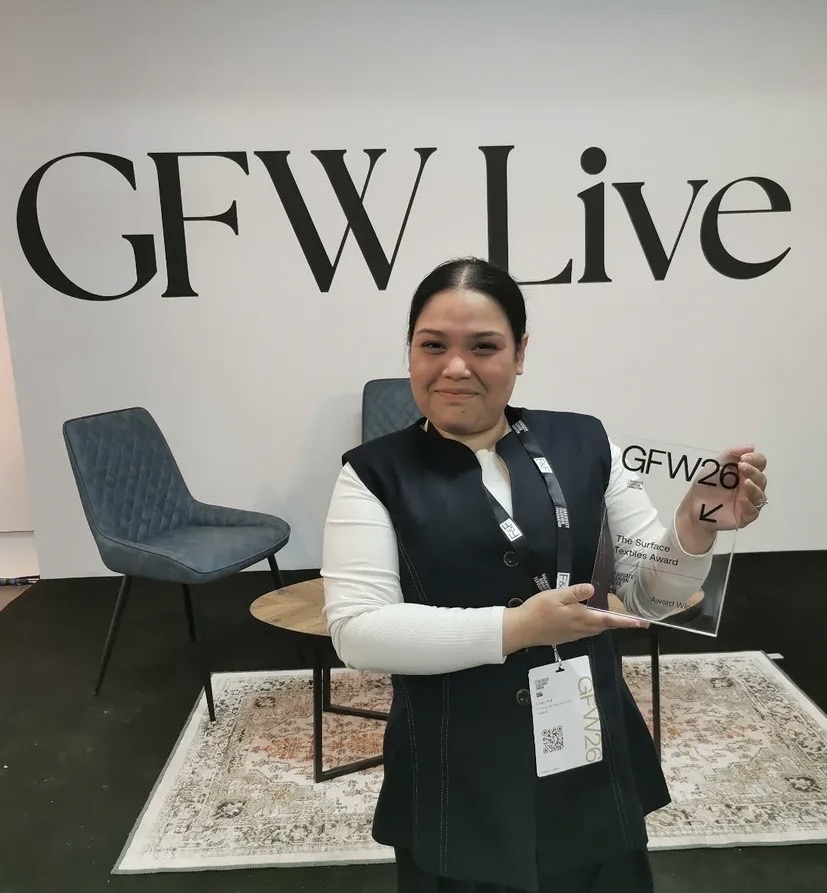
An Interview with the winner of the Surface Textiles Award 2026: Sonia Abul from Norwich University of the Arts
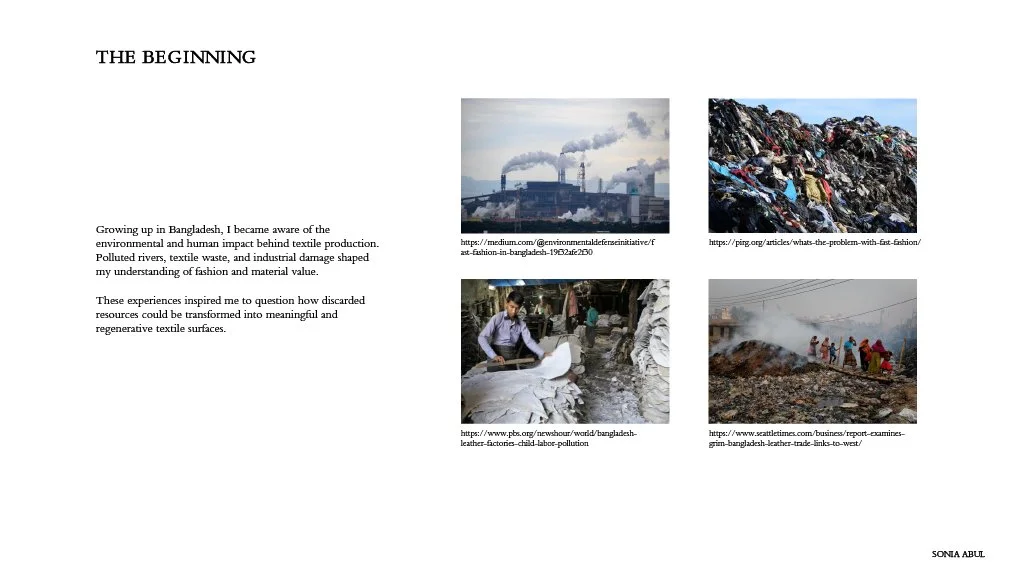
Sonia Abul is a biomaterial designer and textile innovator, passionate about rethinking waste as a valuable resource. Growing up between Bangladesh, Italy, and the UK gave her different perspectives on culture, sustainability, and identity, and those experiences continue to shape her work.
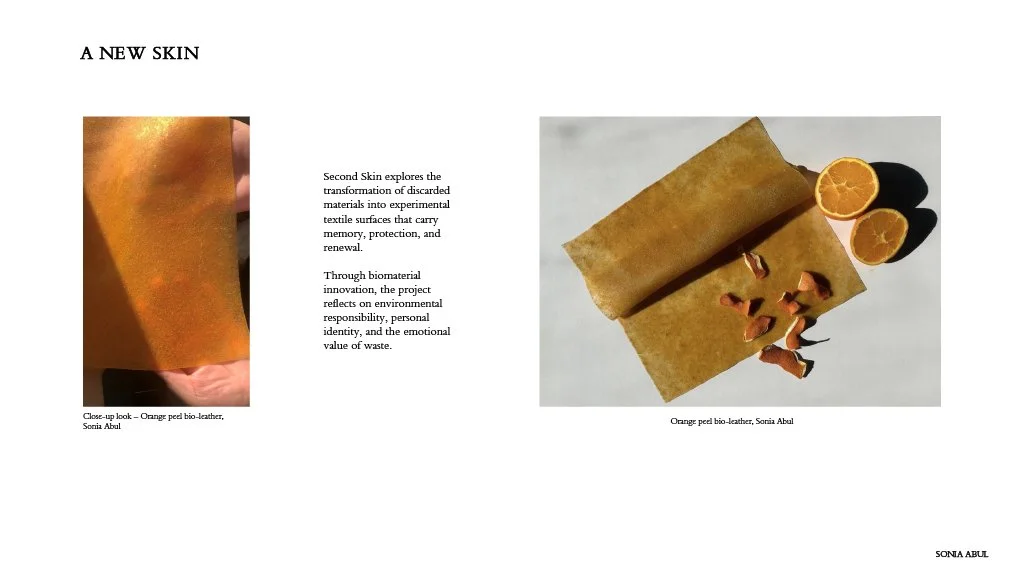
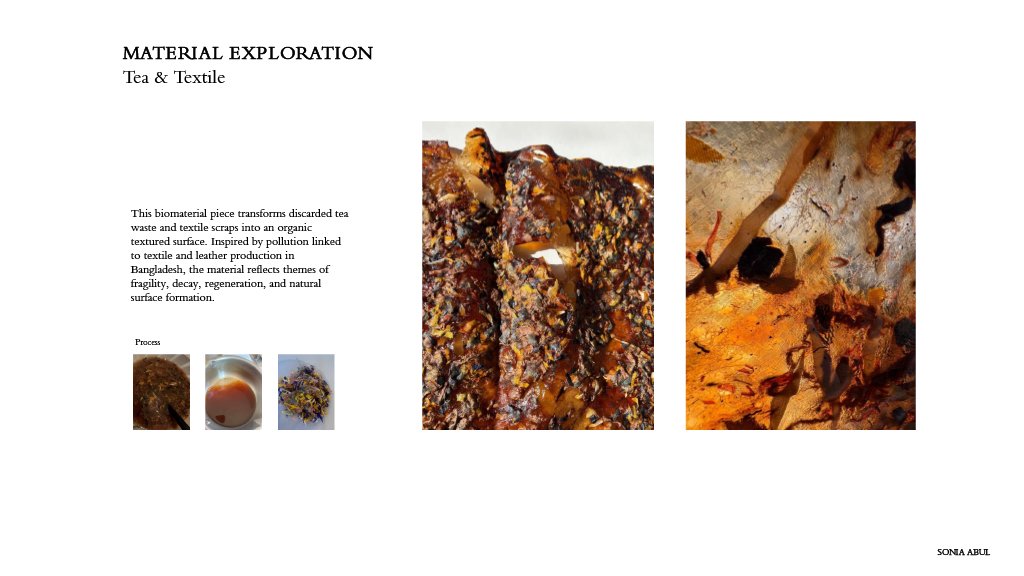
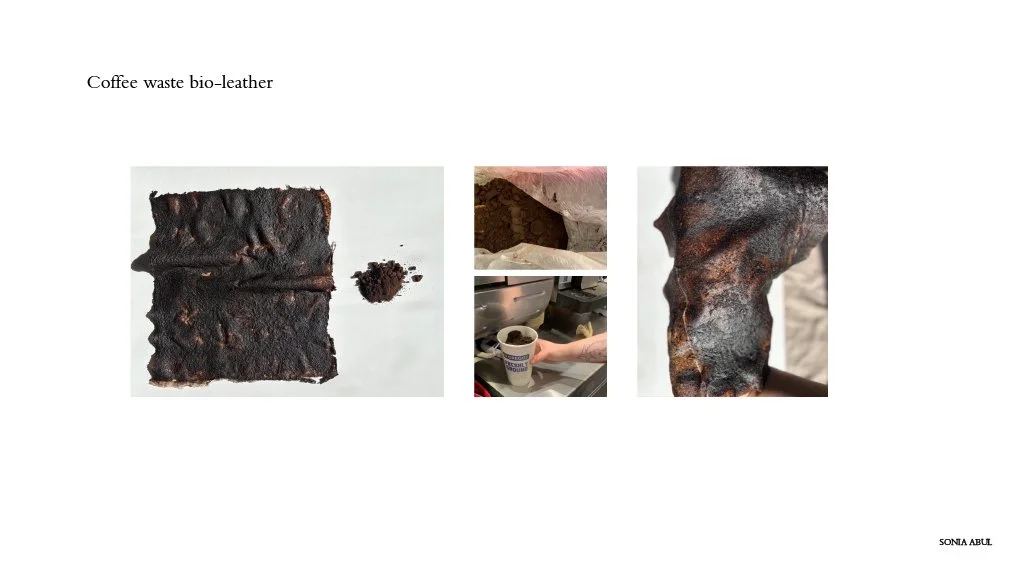
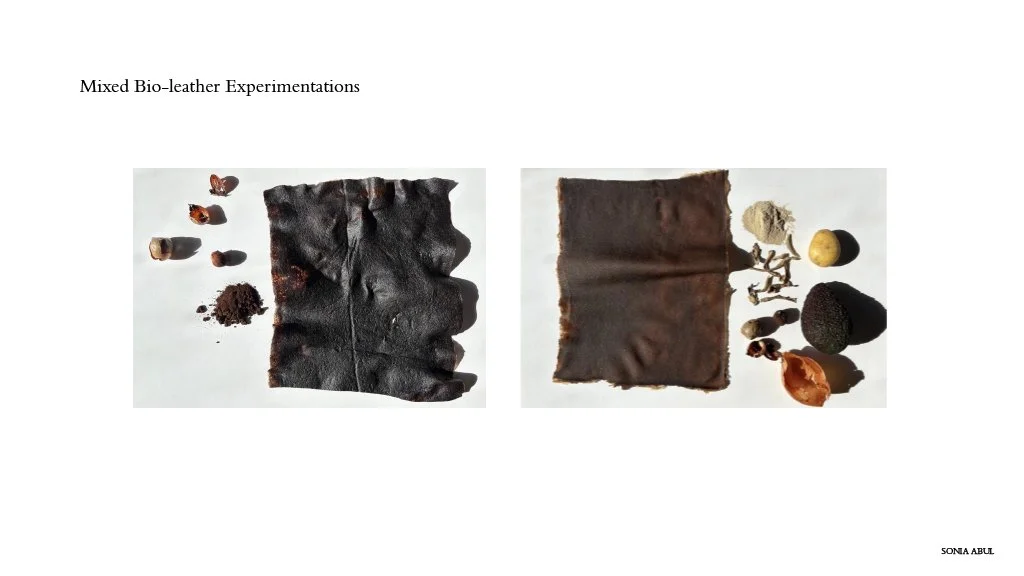
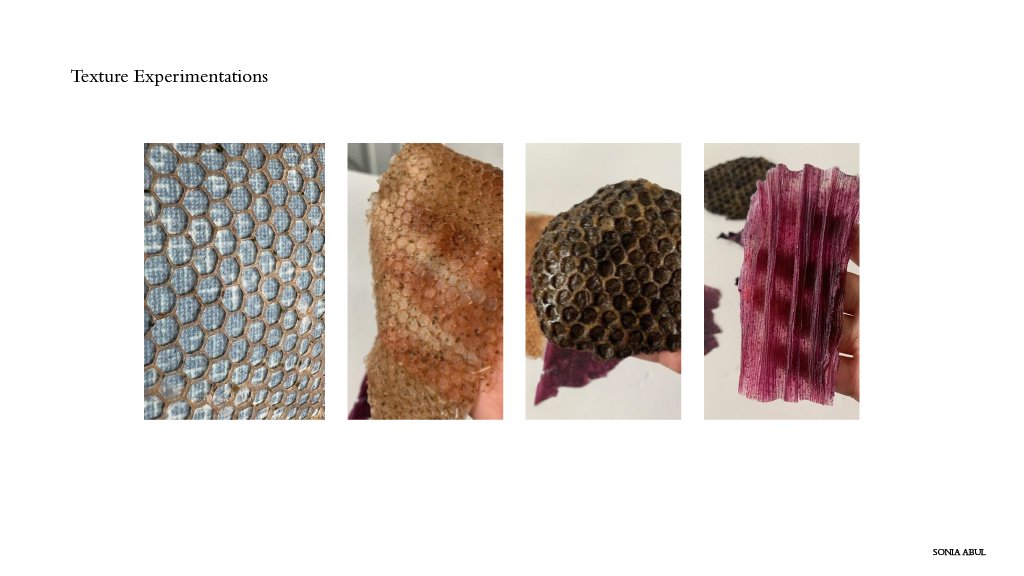
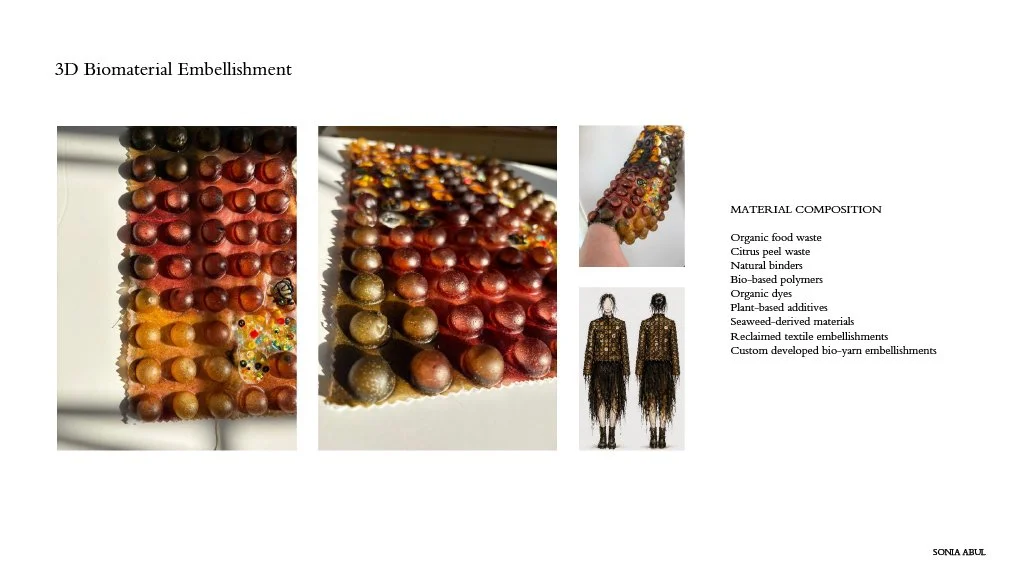
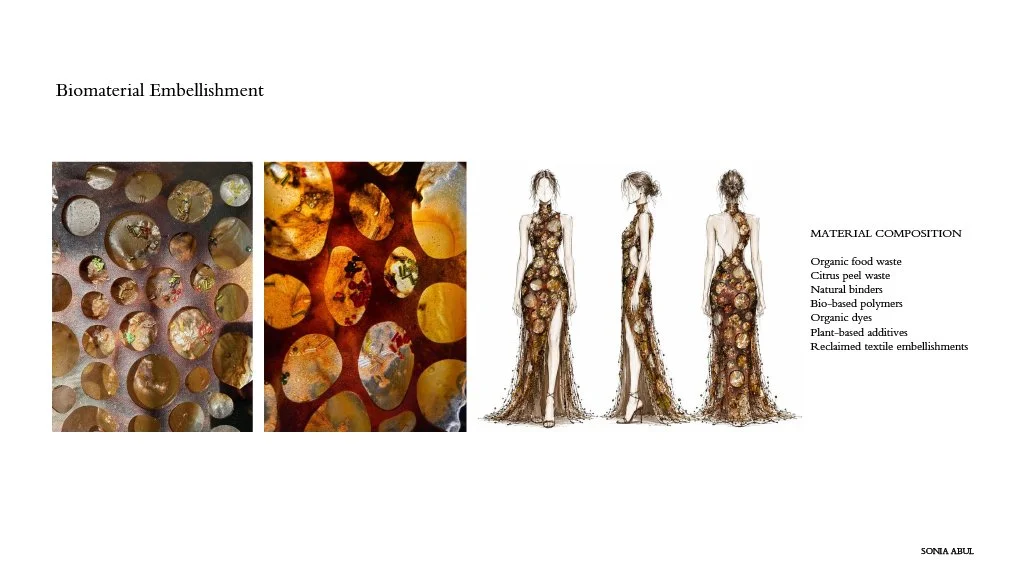
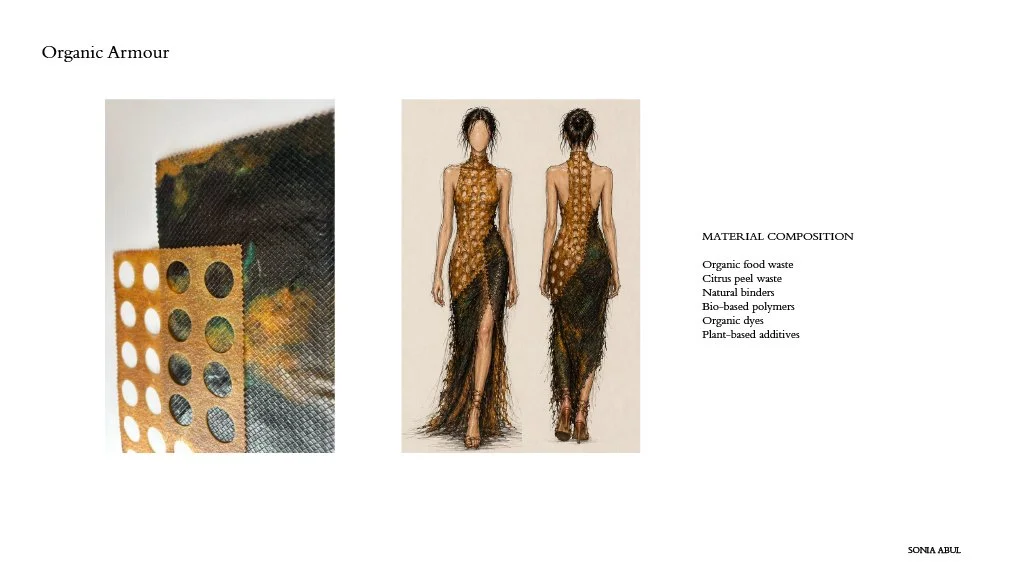
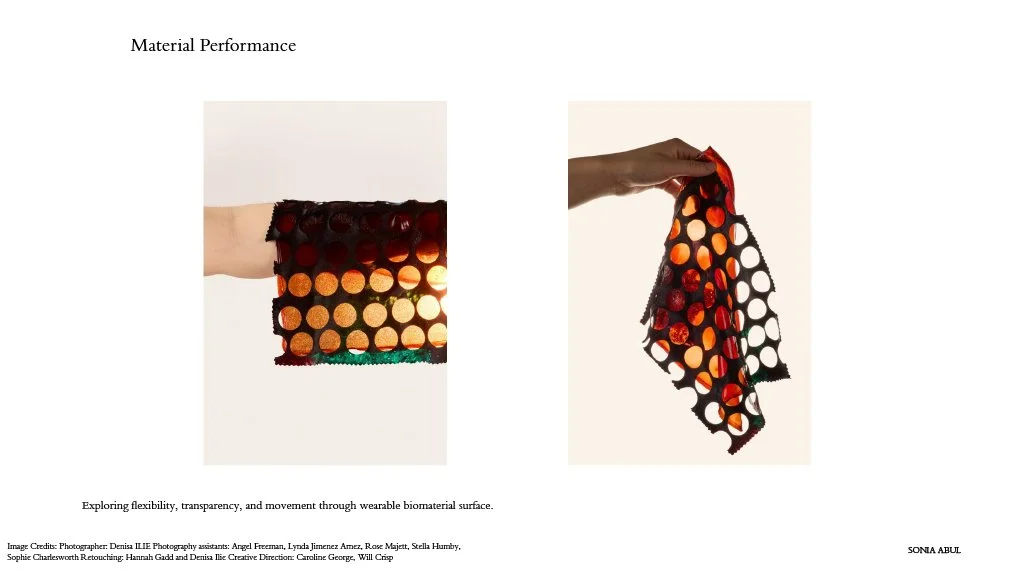
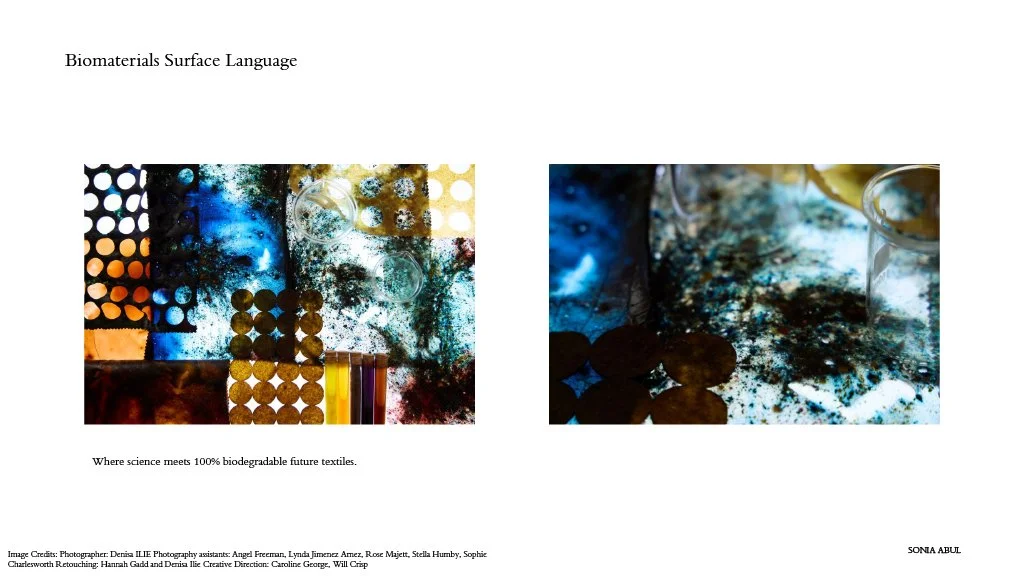
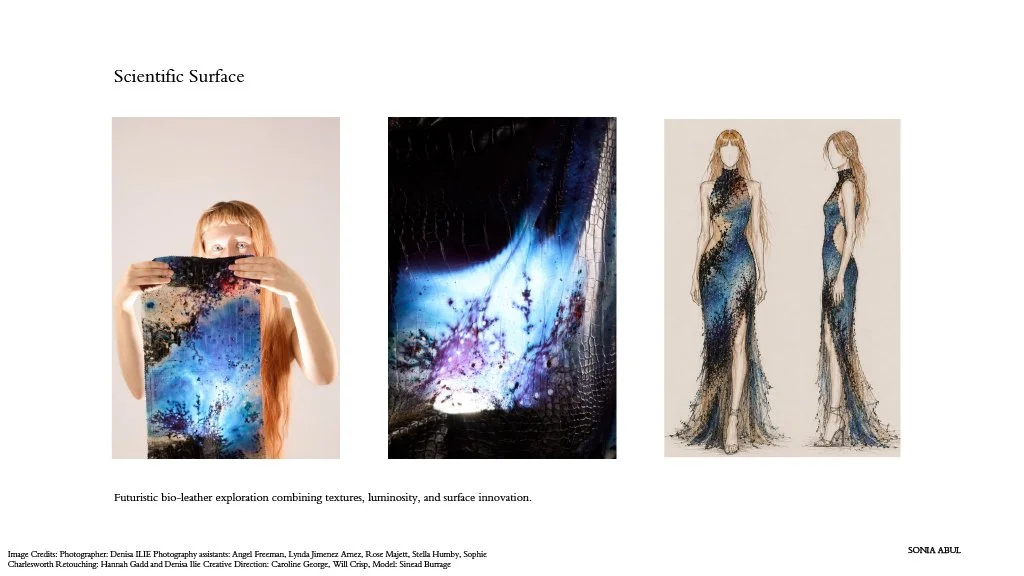
Her creative process begins with curiosity and experimentation. She collects waste materials, develops biomaterial recipes through testing and refinement, then transforms them into textiles using techniques such as natural dyeing, laser cutting, weaving, and surface design. She sees design as a bridge between science, craftsmanship, and storytelling, creating materials that are not only beautiful but also challenge how we think about waste and the future of fashion.
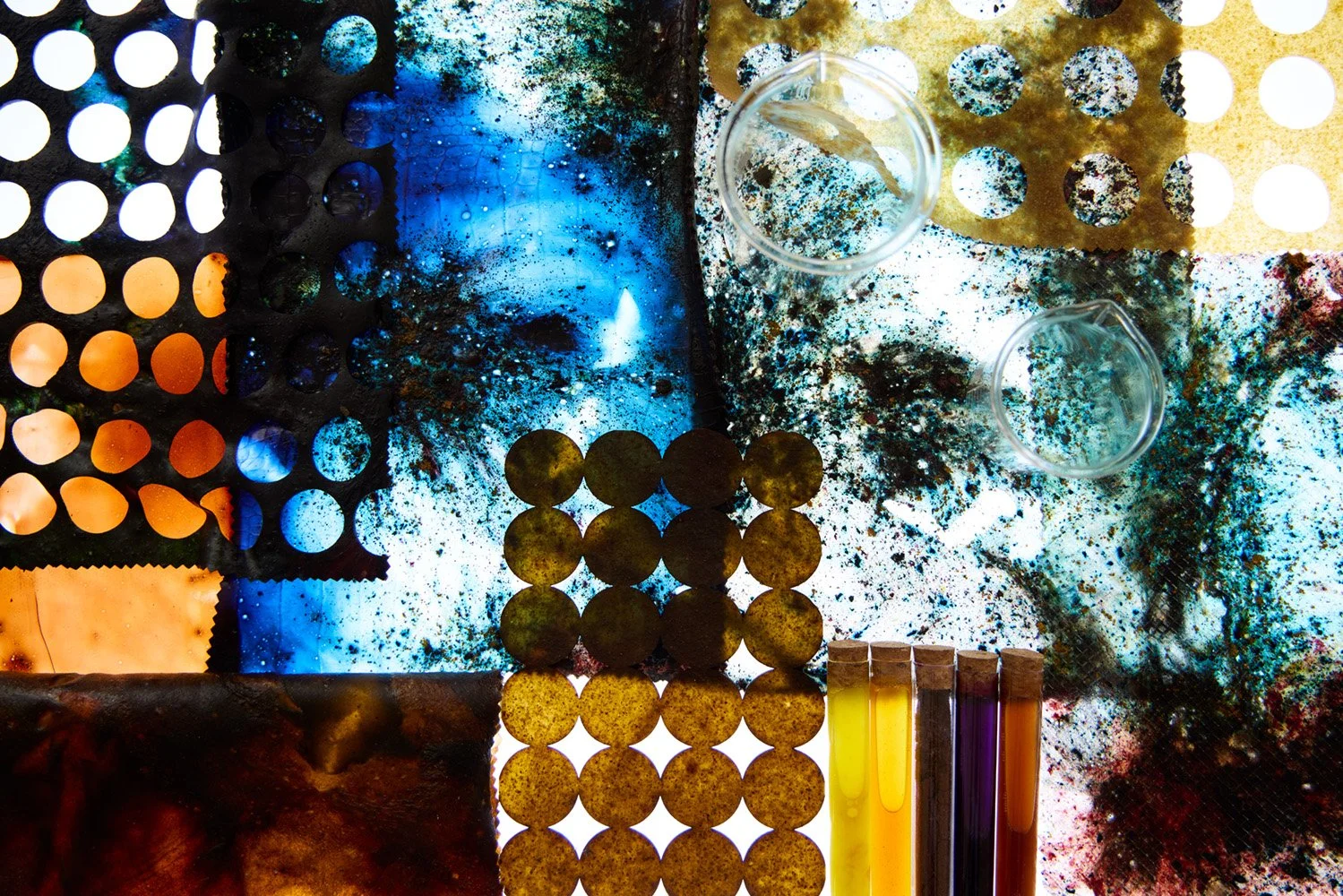
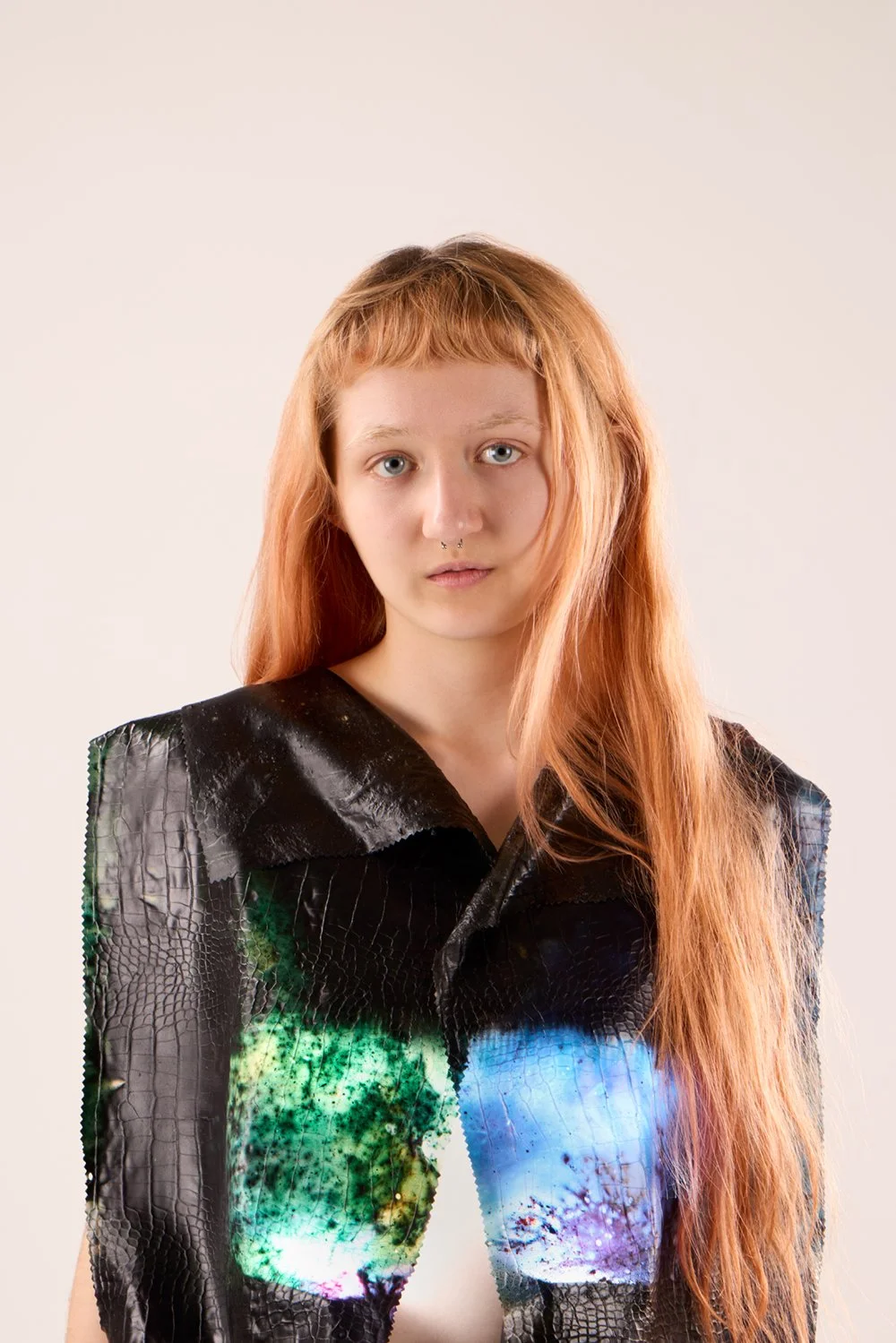
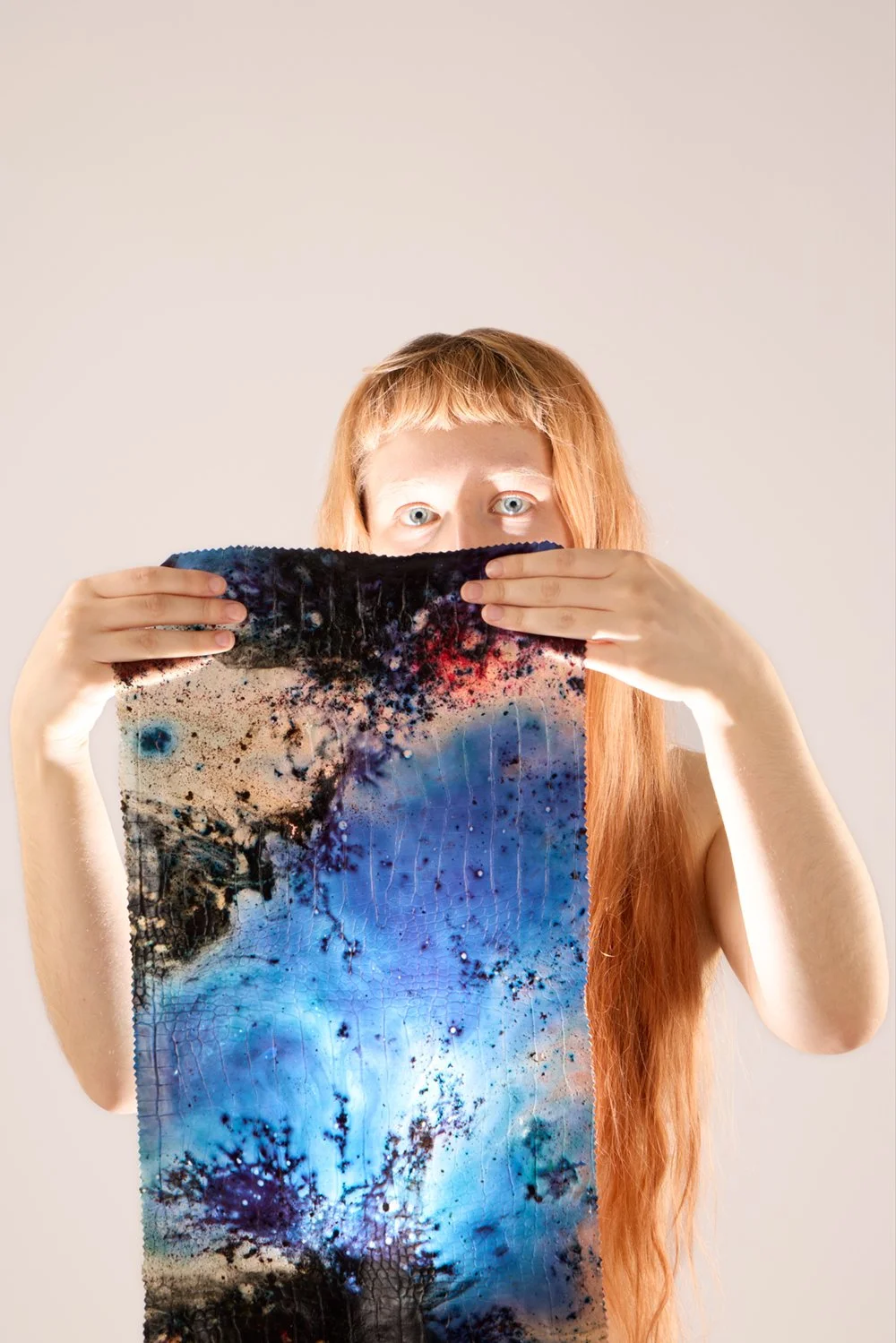
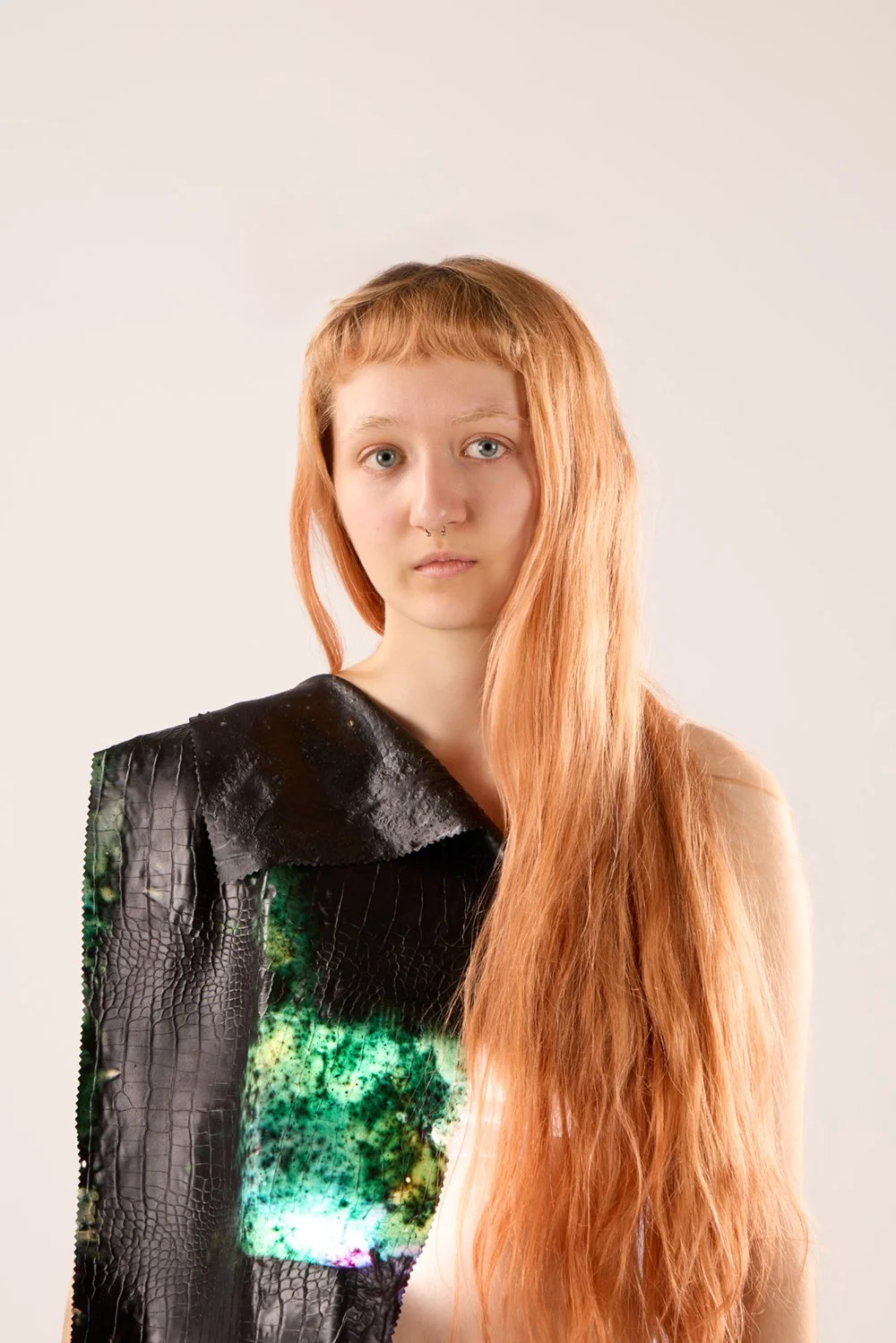
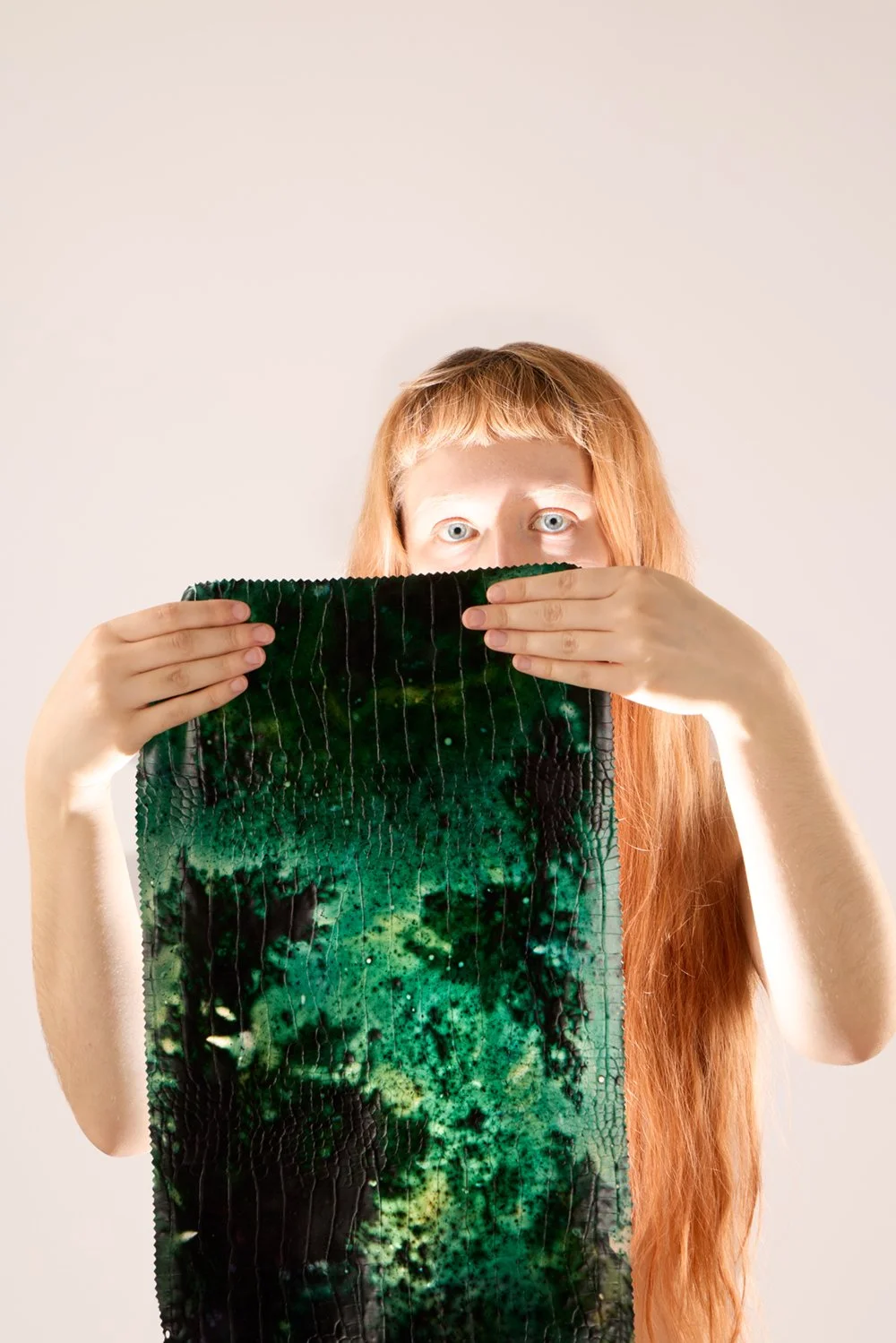
Image Credits
Image 1-5: Photographer: Denisa ILIE Photography
Assistants: Angel Freeman, Lynda Jimenez Arnez, Rose Majett, Stella Humby, Sophie Charlesworth Retouching: Hannah Gadd and Denisa Ilie
Creative Direction: Caroline George, Will Crisp
Model: Sinead Burrage
What unexpected source influenced your final outcome?
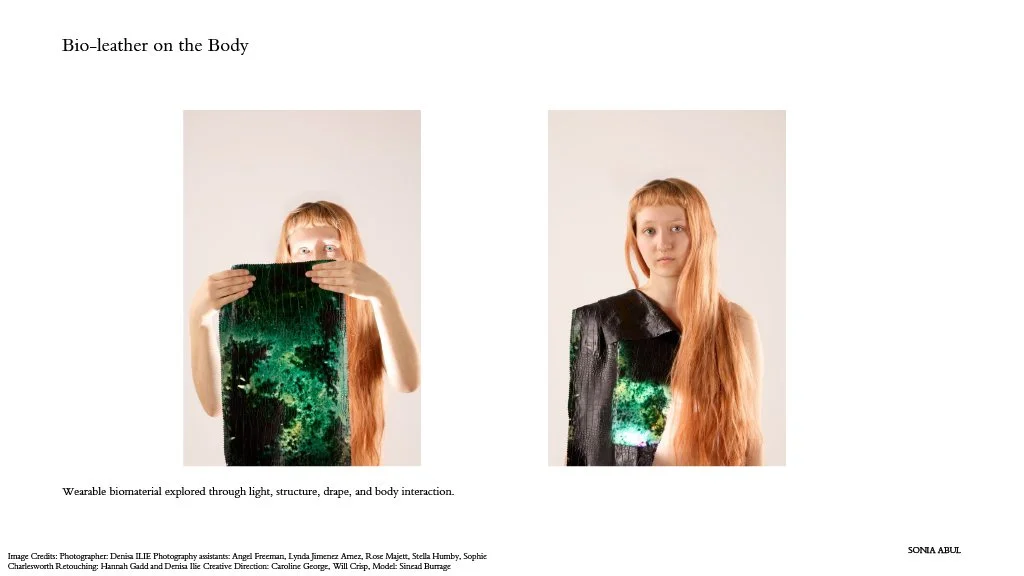
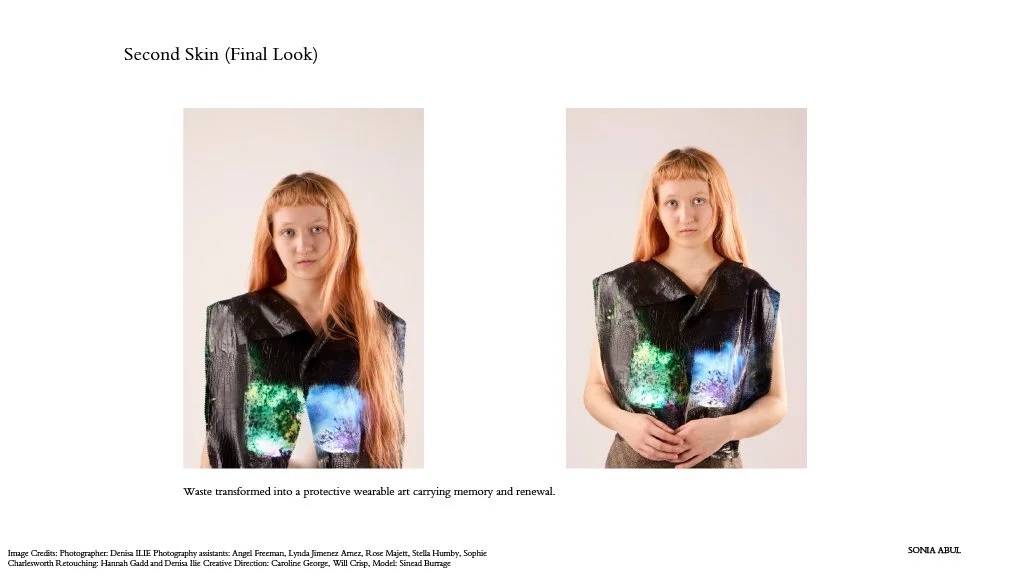
“One of the most unexpected influences on my project came from a childhood memory. I remember my mum making edible fruit leather from ripe mangoes, spreading the fruit out to dry naturally. Looking back, I realised that this simple traditional process inspired my own approach to biomaterials. Instead of using fresh fruit, I began transforming fruit waste into bio-leather, giving discarded materials a second life.
That memory changed the way I think about innovation. It reminded me that new ideas don’t always begin in laboratories—they can grow from everyday traditions, cultural knowledge and lived experiences. Connecting those childhood memories with material innovation became one of the most meaningful parts of my project.”
What’s the best piece of creative advice you’ve ever received?
“Trust the process.”
Working with biomaterials taught me that not every experiment succeeds, but every failure teaches you something valuable. Some of my strongest outcomes came from unexpected results, and that’s made me embrace experimentation rather than fear it.”
How would you describe your creative voice in three words?
“Curious. Regenerative. Fearless.”
What kind of impact do you hope your work has beyond aesthetics?
“I hope my work encourages people to see waste differently - not as something to discard, but as the beginning of new possibilities.
Beyond creating sustainable alternatives, I want to inspire conversations between designers, scientists and manufacturers about how materials can be developed more responsibly. If my work helps shift even a small part of the industry towards regenerative thinking and circular design, then I’ve achieved something meaningful.”
Which designer, artist or creative would you most like to show your work to?
“I’d love to show my work to Iris van Herpen. I’ve always admired how she combines science, technology and craftsmanship to redefine what fashion can be.
I’d also love to share it with the biomaterials teams at companies developing the next generation of sustainable materials. My dream is to collaborate across disciplines and help shape the future of material innovation, where creativity and scientific research work hand in hand.”
What advice would you give to a student currently starting their final collection or portfolio?
“Don’t chase trends - follow the questions that genuinely keep you curious.
Your strongest work will come from something that matters deeply to you. Experiment fearlessly, embrace mistakes because they’re often where the best discoveries happen, and don’t be afraid to take an unconventional path. Innovation rarely happens by playing it safe.”
What conversations do you hope your work starts?
“I hope people begin asking difficult but necessary questions.
Why do we continue relying on materials that damage our planet when nature already offers incredible alternatives? What if waste became one of our most valuable design resources? How can fashion move beyond being less harmful and instead become regenerative?
If my work encourages even one person to rethink the relationship between design, waste and nature, then it’s done its job.”
So what’s next for you after graduating?
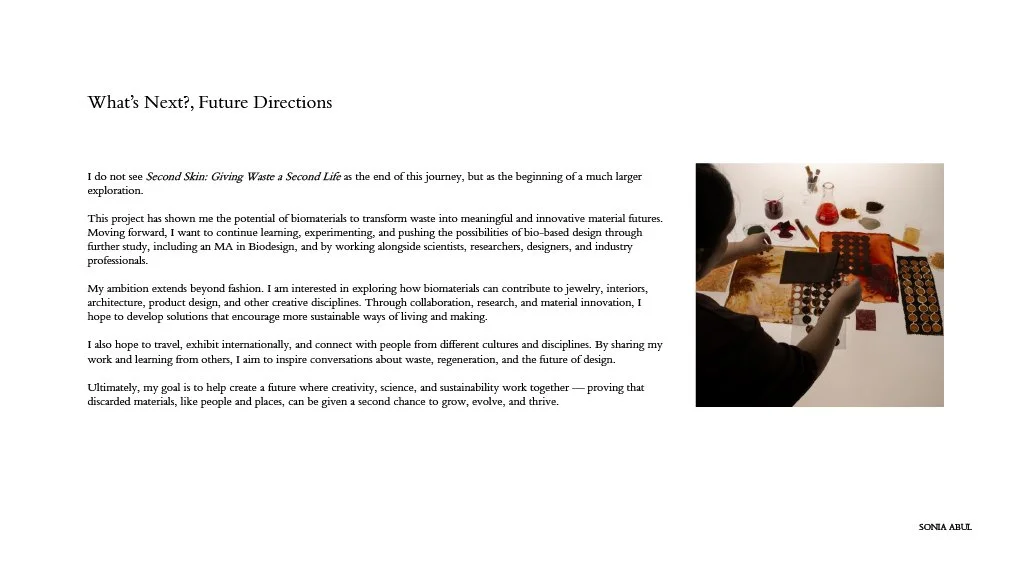
“I’m excited to continue pushing the boundaries of biomaterials through research, collaboration and innovation.
My goal is to work with designers, scientists and industry partners to develop next-generation sustainable materials that can move from experimental practice into real-world applications. I’m also planning to continue exhibiting my work internationally, pursue a Master’s in Biodesign, and ultimately contribute to transforming the future of fashion and material design.
I believe we’re only at the beginning of what’s possible with biomaterials, and I want to be part of shaping that future.
Thank you again for all your support and for this incredible opportunity. I’m honoured to be part of Graduate Fashion Foundation, and I look forward to seeing the feature.”
