
The Good Clothes Show is an exhibition dedicated to sustainable, vintage, preloved, and independent fashion, that took place this month at Manchester Central.
Built around the ethos "Explore. Shop. Connect. Create." , the event brings together ethical startups and conscious shoppers. The event is an excellent showcase of independent and preloved retailers, live runway shows, and The Good Clothes Podcast live.
Attendees can also participate in: creative sewing and upcycling workshops in the Re/Make Studio and Creative Cupboard, exchange haberdashery at the Sewing Swap, get live styling demos at Style Stop, browse selected fashion literature, and visit The Sparkling Edit lounge.
With a core goal of making conscious fashion an accessible, community-driven experience, the show also featured a host of Graduate Fashion Week alumni displaying their innovative and sustainable designs.
Designers:
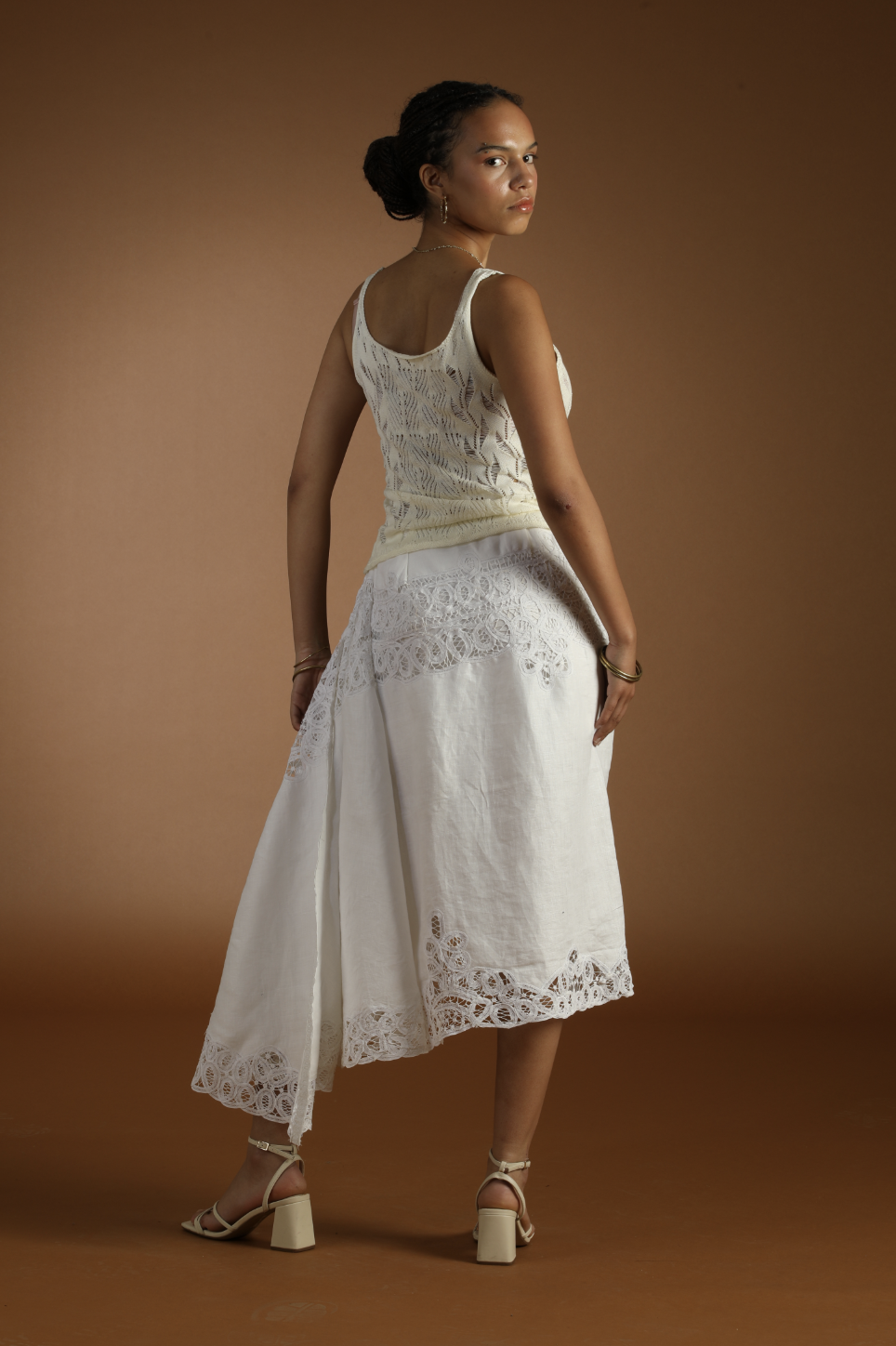
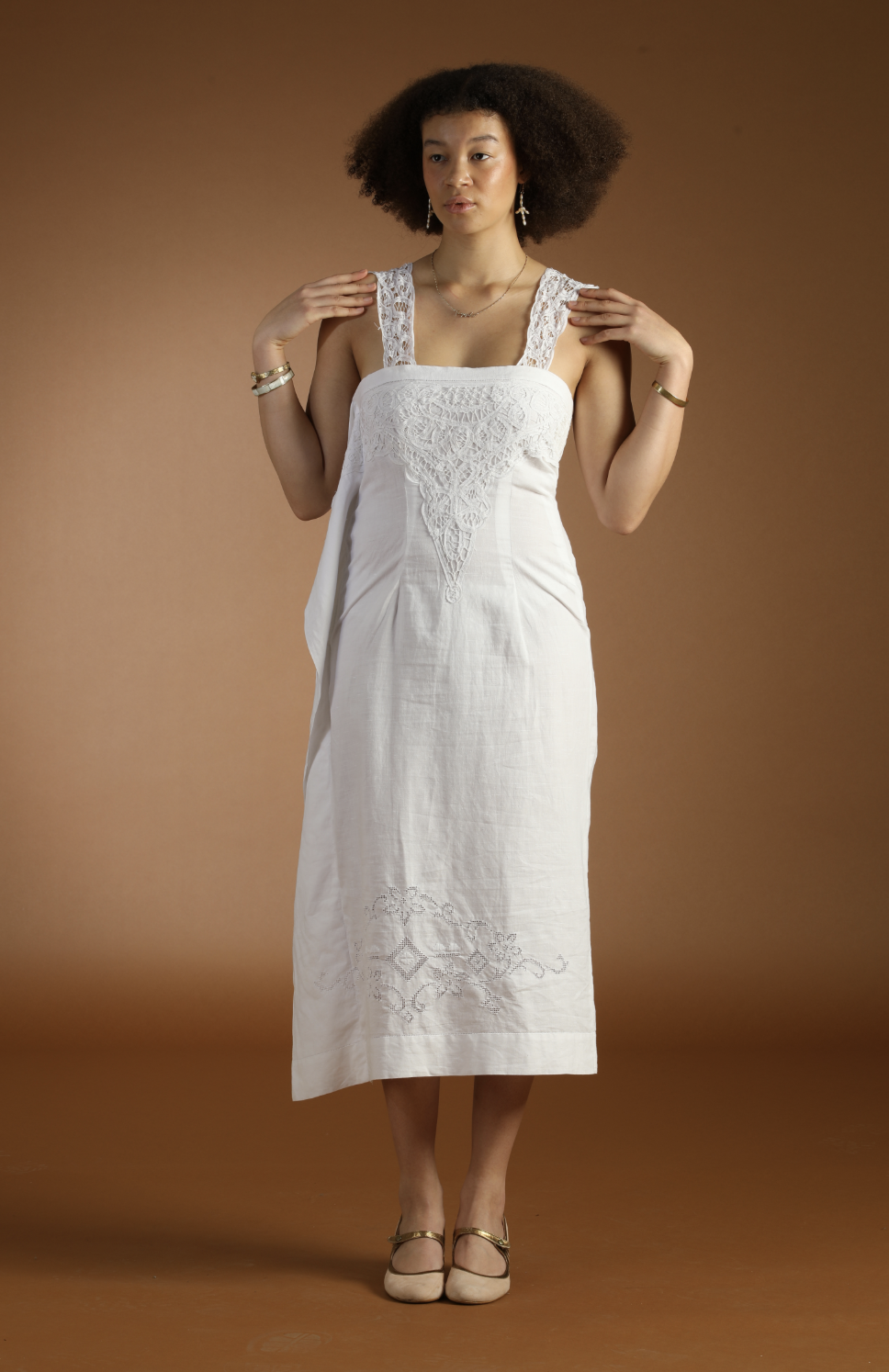
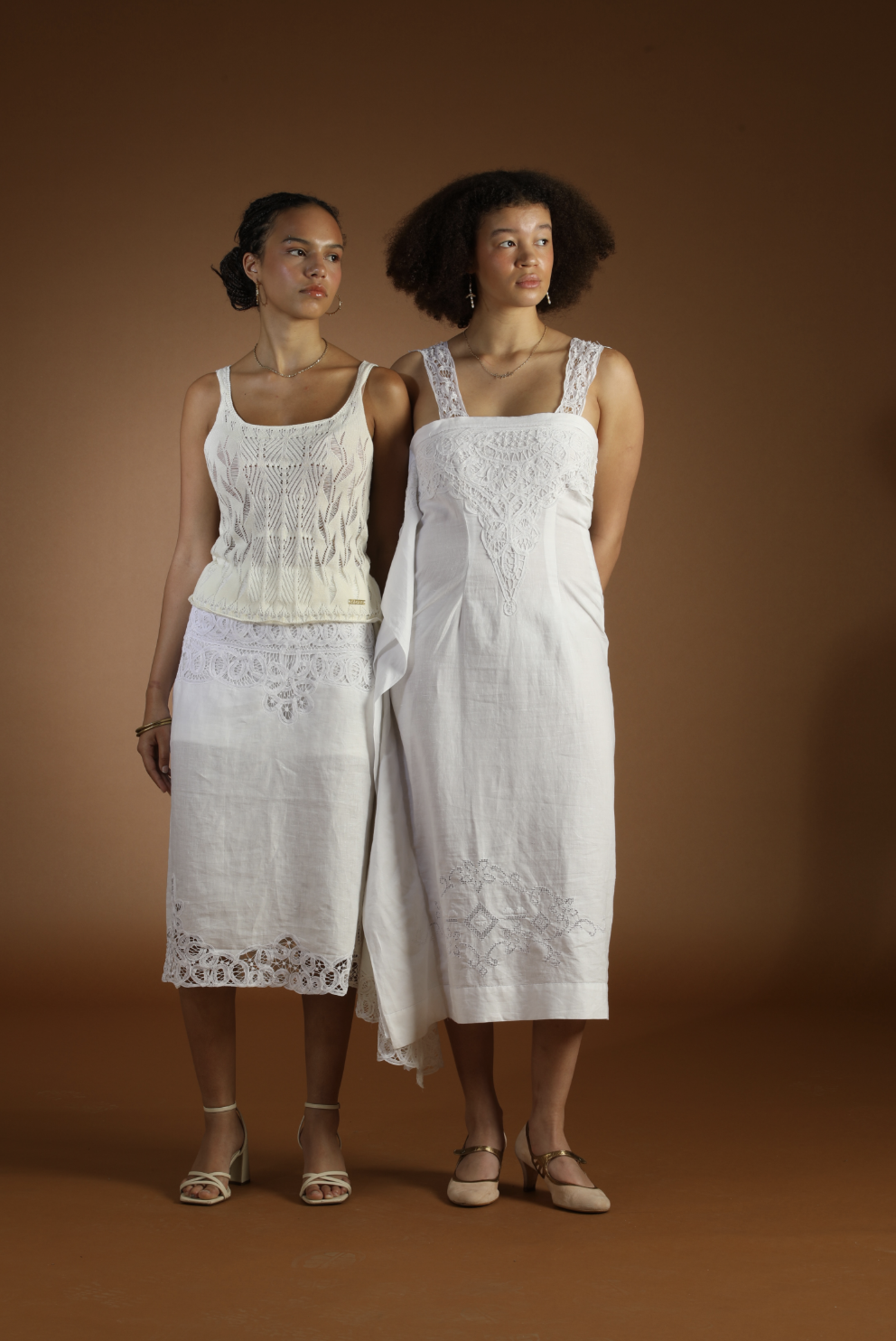
Re-Love emerged from a lifelong commitment to sustainable fashion and environmentally conscious living. Born into environmentalism, Bea was raised on second-hand clothes, veganism, no flying, a deep respect for the natural world, and an instinctive resistance to waste. Watching her mother repair, darn, and revive clothing, furniture, and objects found on the streets of London served as a constant reminder that value is not lost with time, but waiting to be rediscovered. When Bea inherited her grandmother’s lace tableware, that practice crystallised into a creative vision. Saturated with memory, craft, and heritage, the textiles offered an opportunity to breathe new life into heirloom materials through clothing, challenging the idea that fabrics exist on a linear journey and demonstrating instead that they can be repurposed endlessly, accumulating stories from multiple hands and homes.
Designed for her brand, La Polk, the entire collection is created using just three vintage tablecloths. The dress incorporates two smaller tablecloths and is adorned with appliquéd lace from a larger cloth, while the skirt and its under-shorts are constructed from the larger tablecloth itself, utilizing zero-waste pattern cutting to further infuse the collection with sustainability. Alongside this, Bea reinterpreted the visual language of lace through knitwear development, creating an elegant knit cami programmed and knitted using Shima Seiki technology to reduce wastage through efficient machinery. The result is a refined, seasonless collection sitting at the intersection of sustainability, heritage, and innovation.
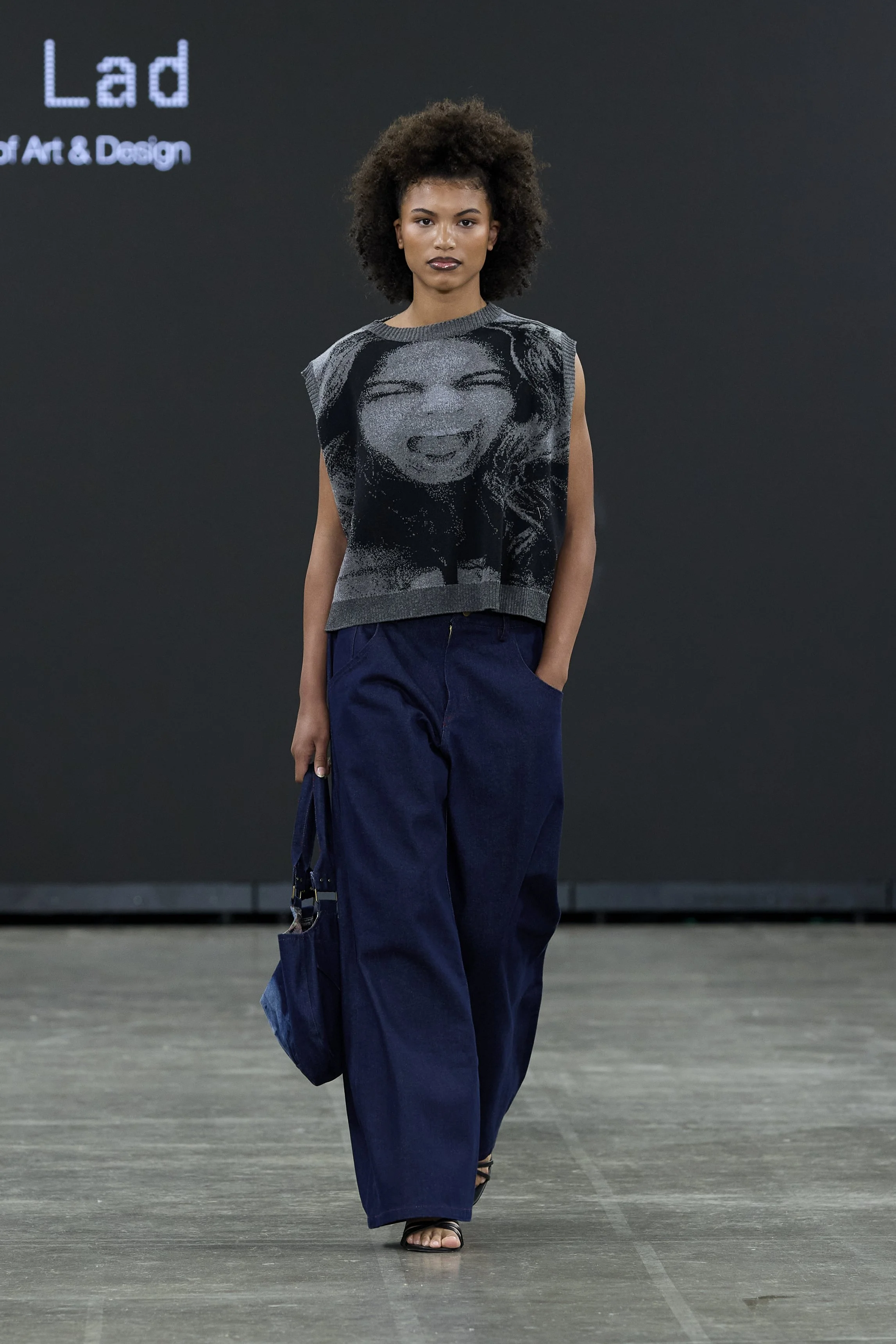
Jenna Lad
Sustainability is embedded within Renîmes, with garments constructed from reclaimed denim sourced from unwanted jeans, giving existing materials a new life while reducing reliance on virgin fabrics. Rather than viewing the limitations of reclaimed materials as a restriction, Jenna Lad treats them as an integral part of the creative process. Each piece of denim is considered for its colour, weight, and stretch, with pattern pieces strategically positioned to maximise material use and create a refined finish.
This approach is showcased through Jenna's graduate Trompe l'œil collection, which uses tonal variation pattern cutting to create dramatic, illusion-inspired silhouettes. A key aim of Renîmes is to challenge perceptions of what sustainable fashion can look like, moving away from the patchwork aesthetic commonly associated with upcycling and demonstrating that circular practices can exist alongside elevated, contemporary design. The Good Clothes Show provides an exciting opportunity for Jenna to showcase this approach alongside designers who share a commitment to and enthusiasm for sustainable fashion.

Grace Yates
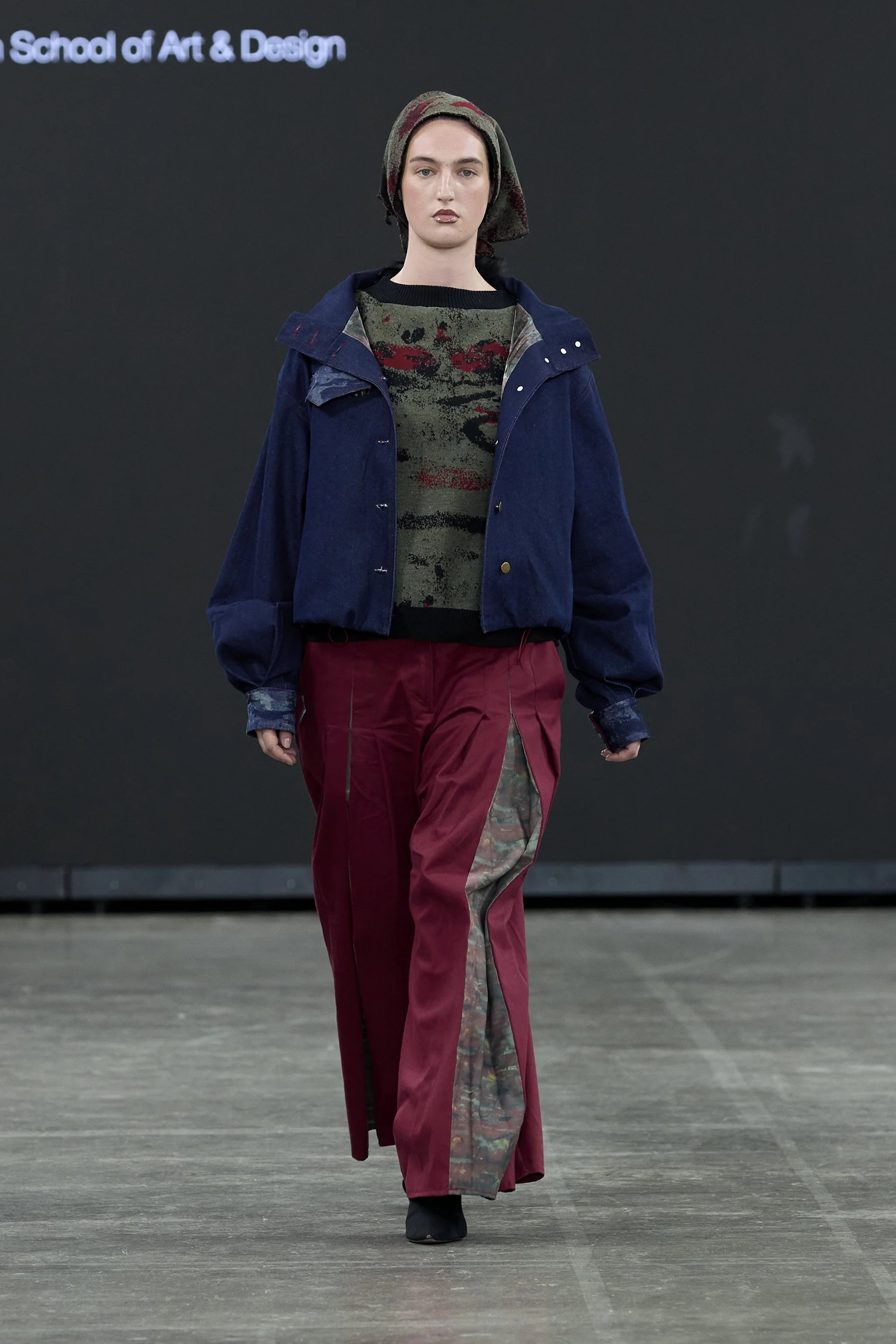
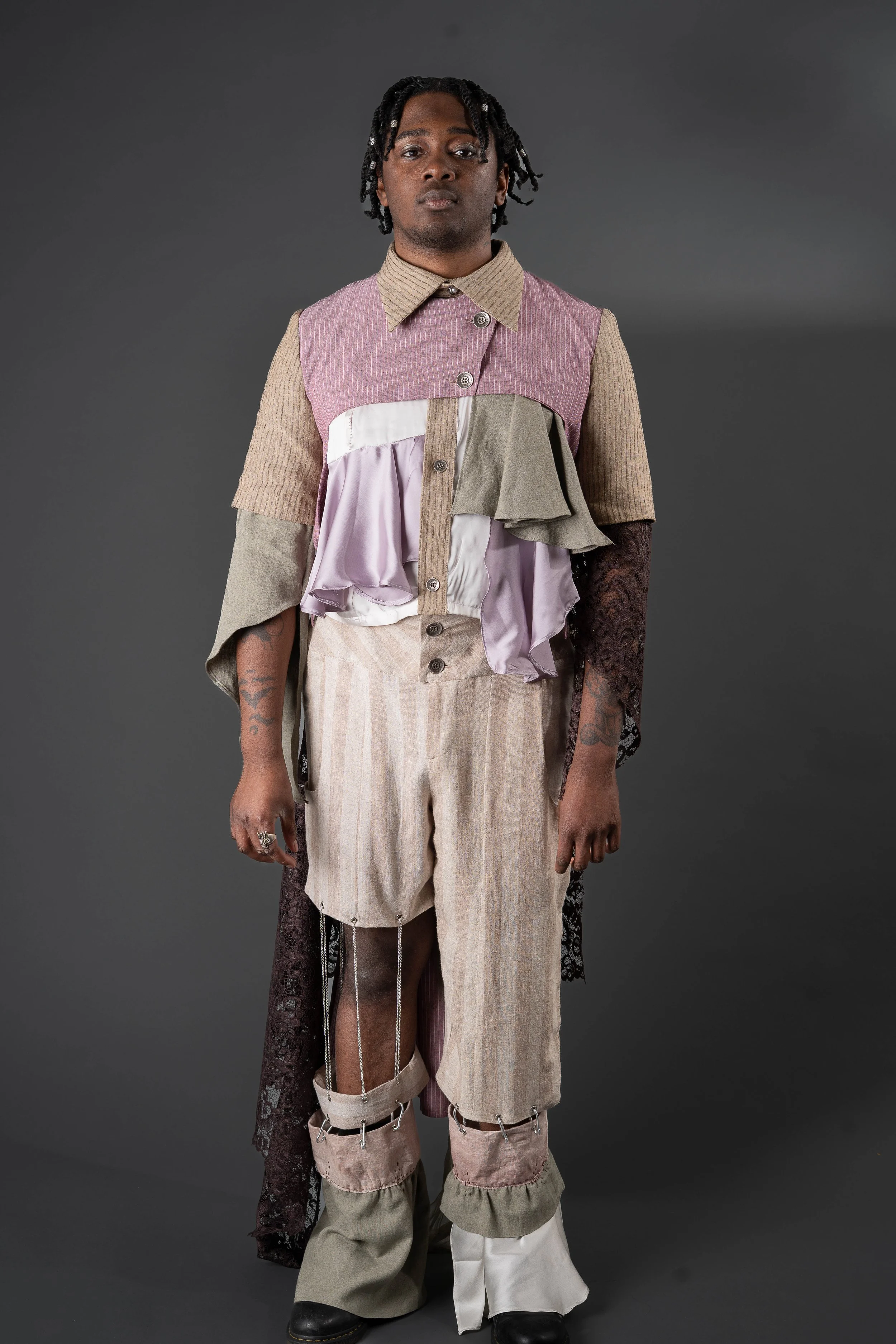
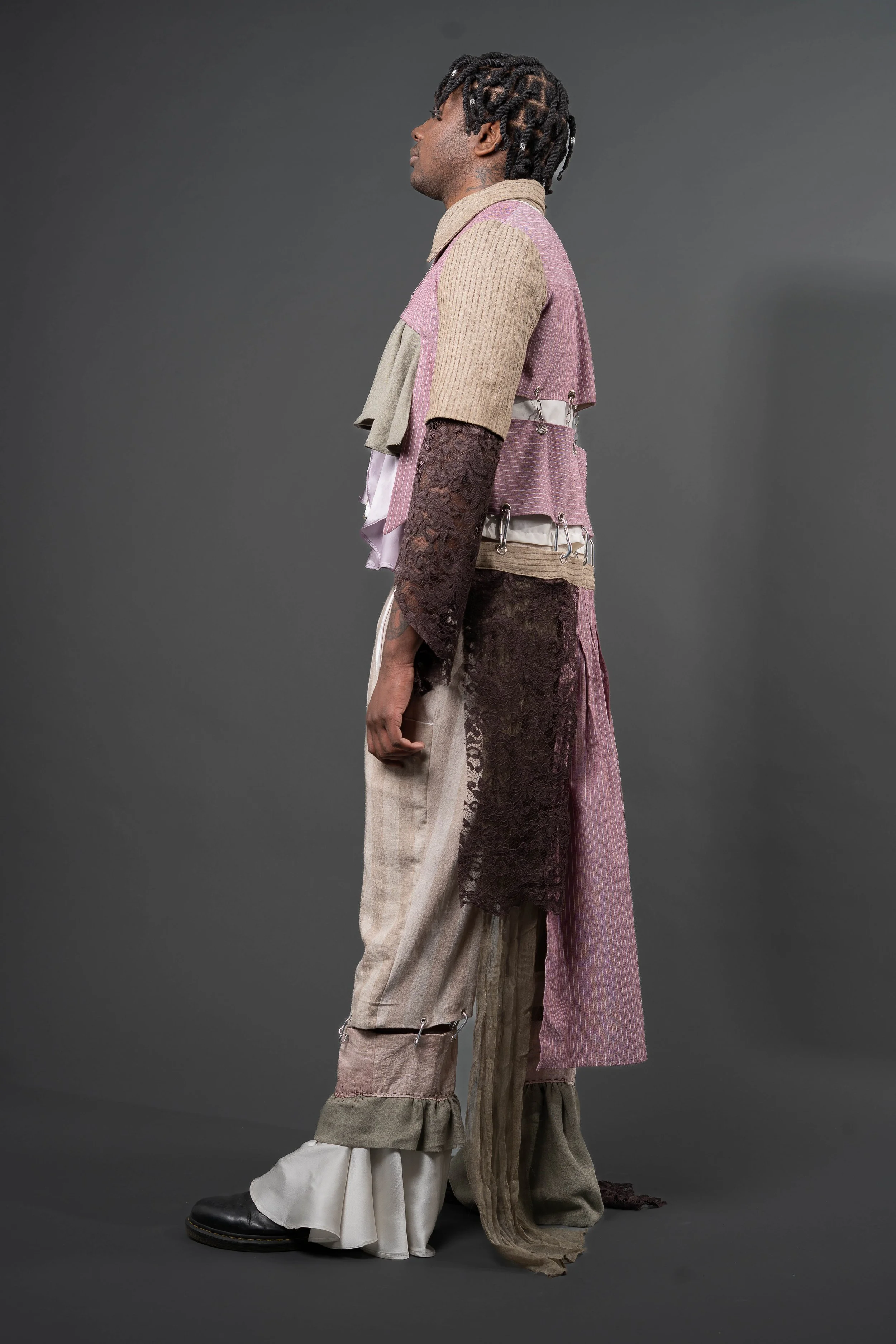
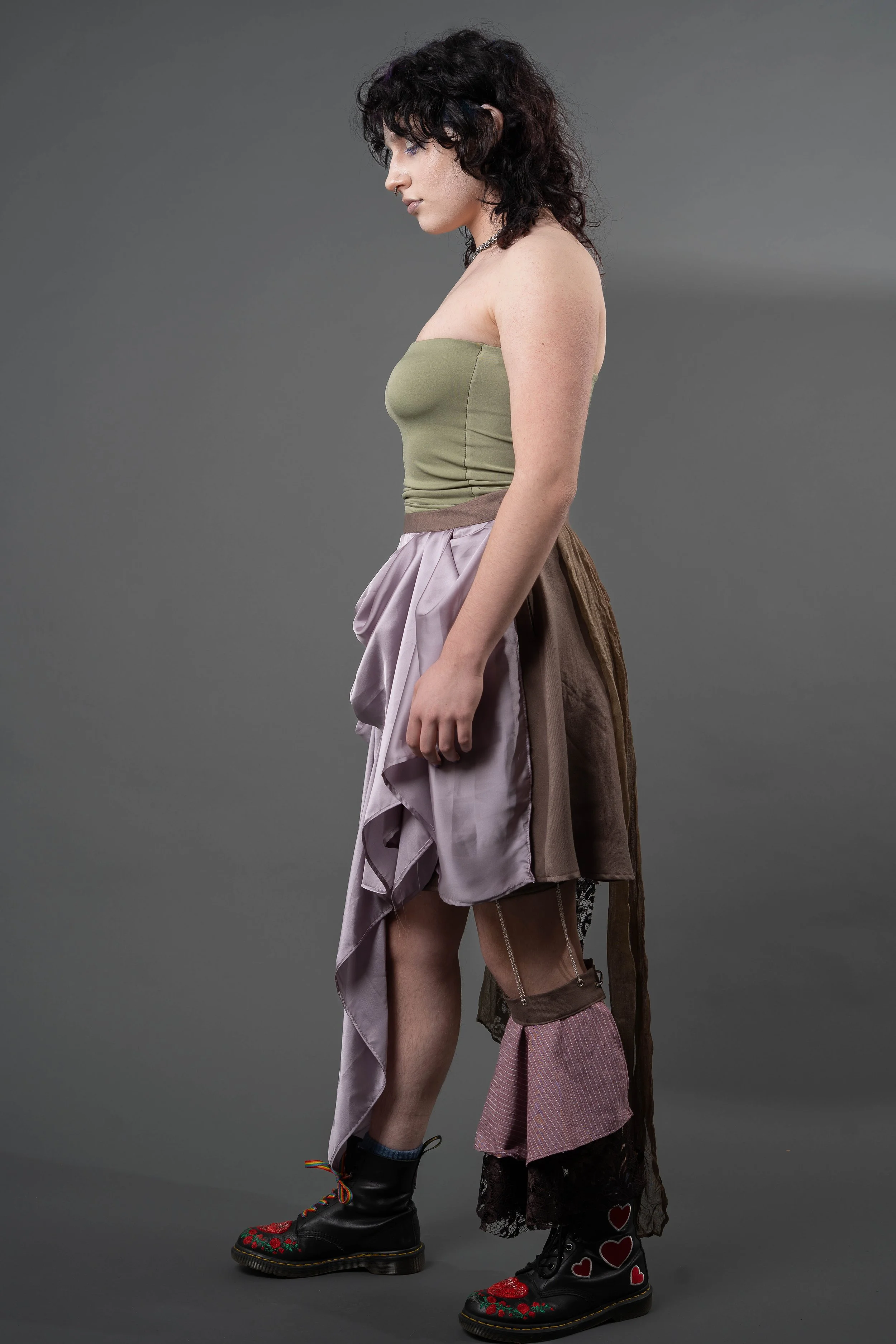
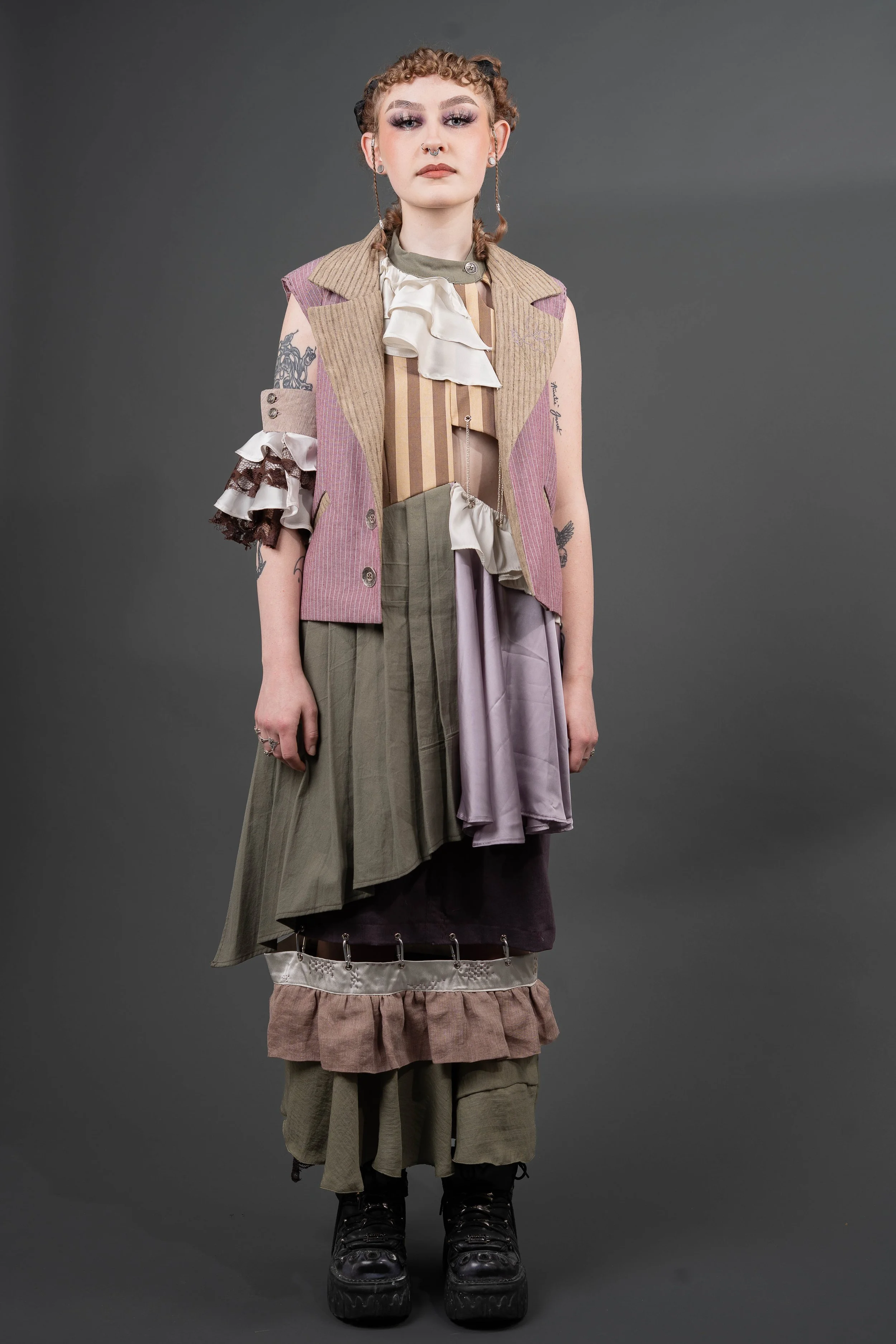
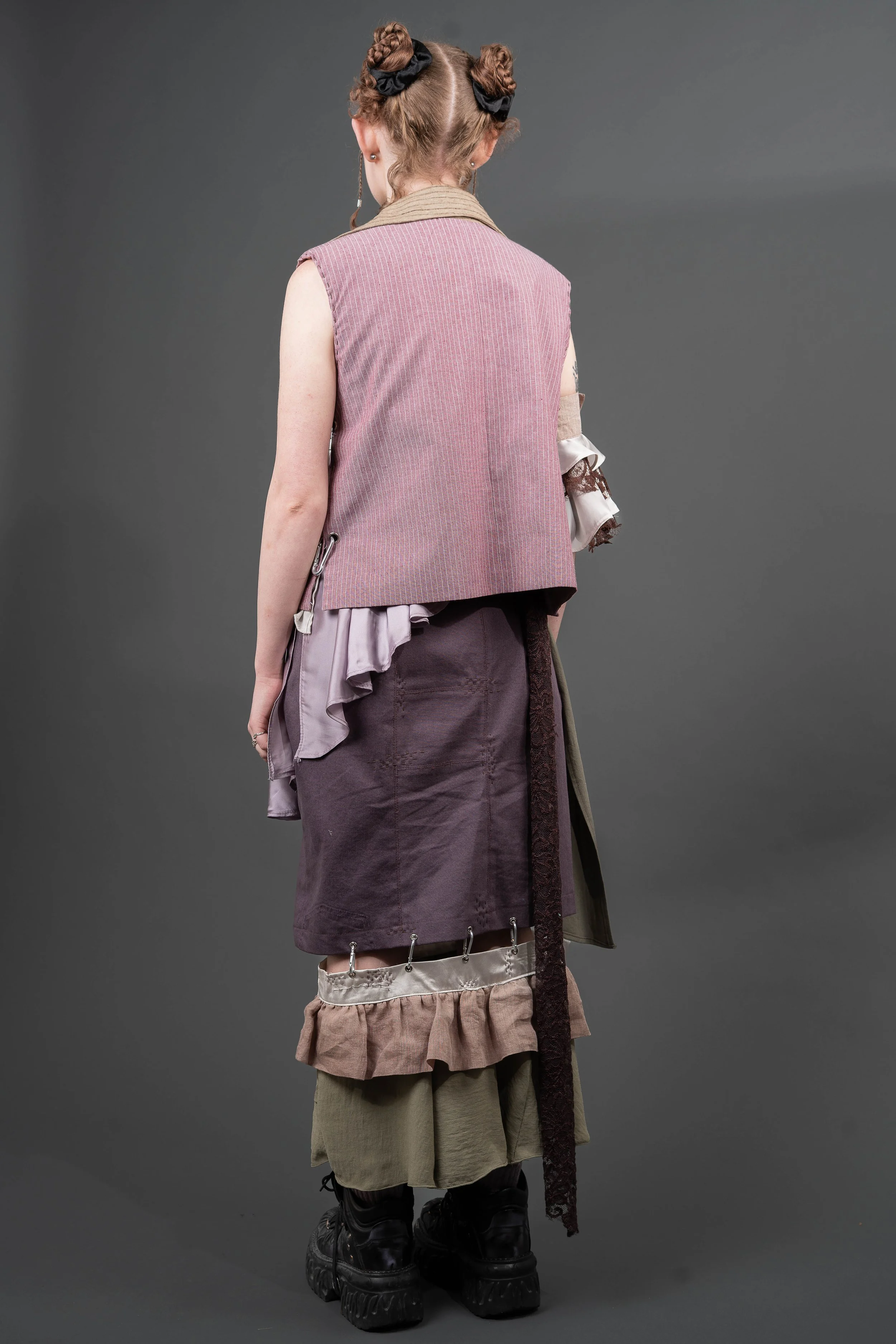
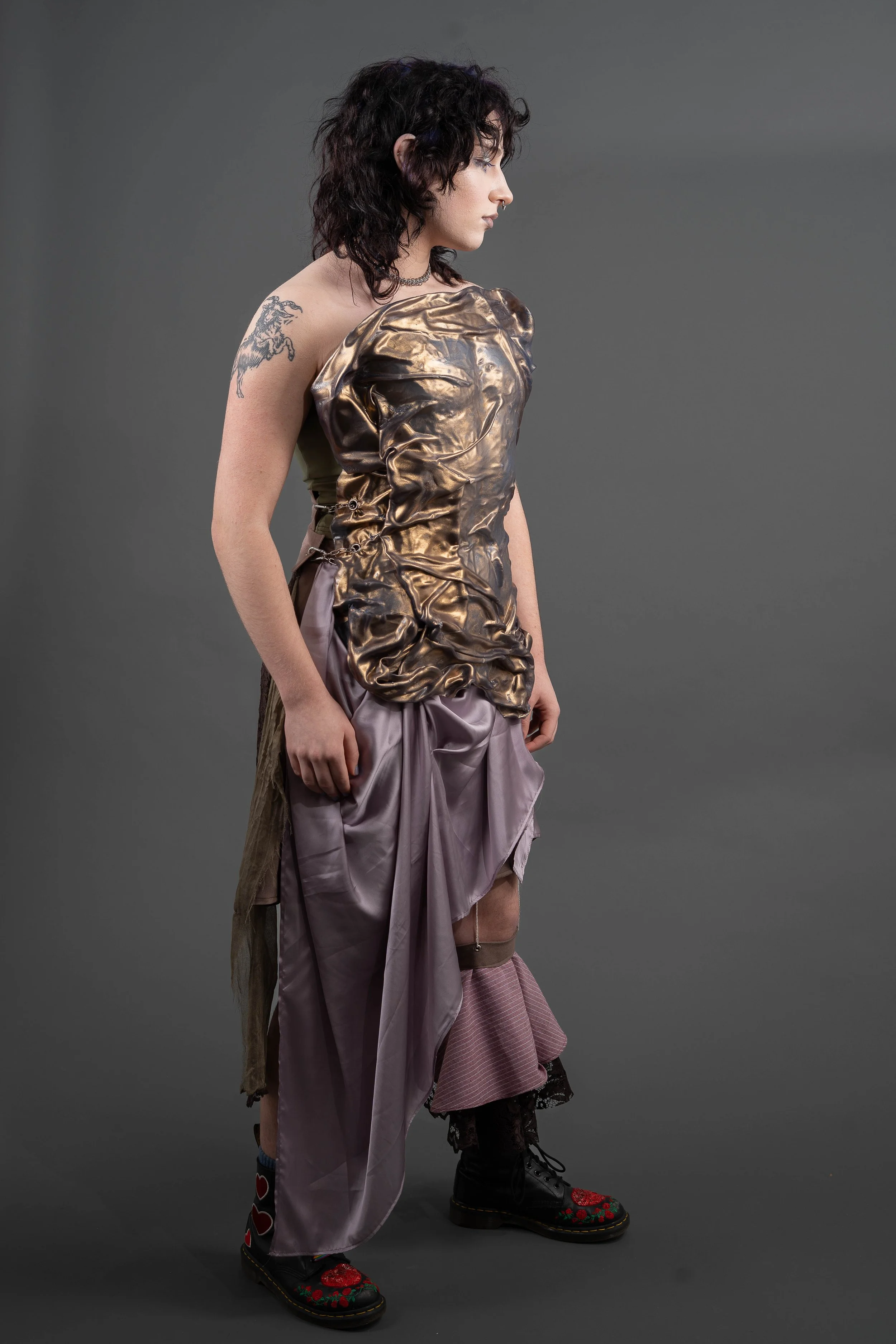
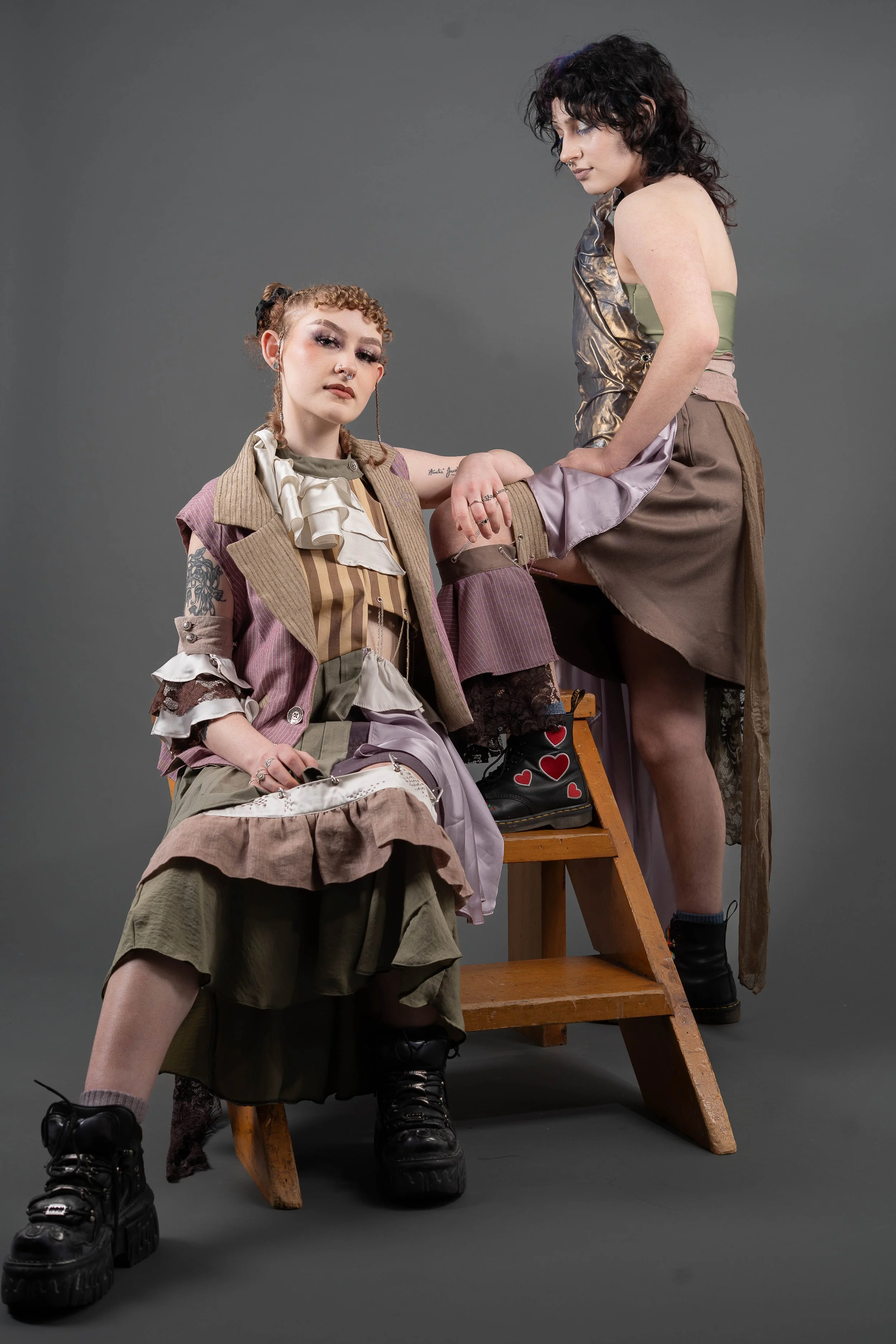
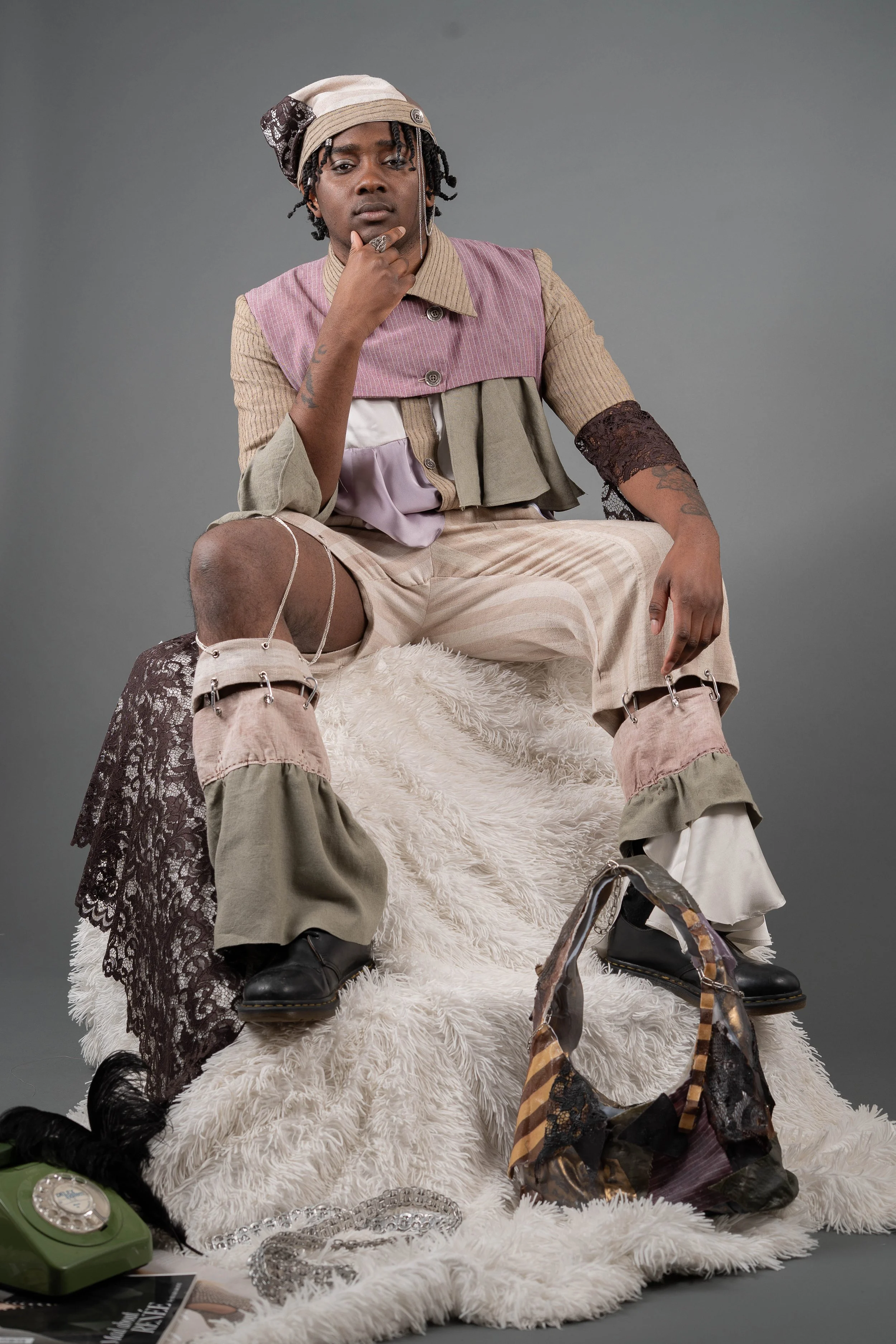
Grace's graduate collection, it's NATURAL, was heavily inspired by sustainable practices while drawing aesthetic and meaningful influence from queer culture and literature. Embracing genderless design, fluidity, and experimentation, the collection was named ‘it's NATURAL’ not only to reflect its sustainable production, but also to reiterate that queerness and self-expression are completely natural.
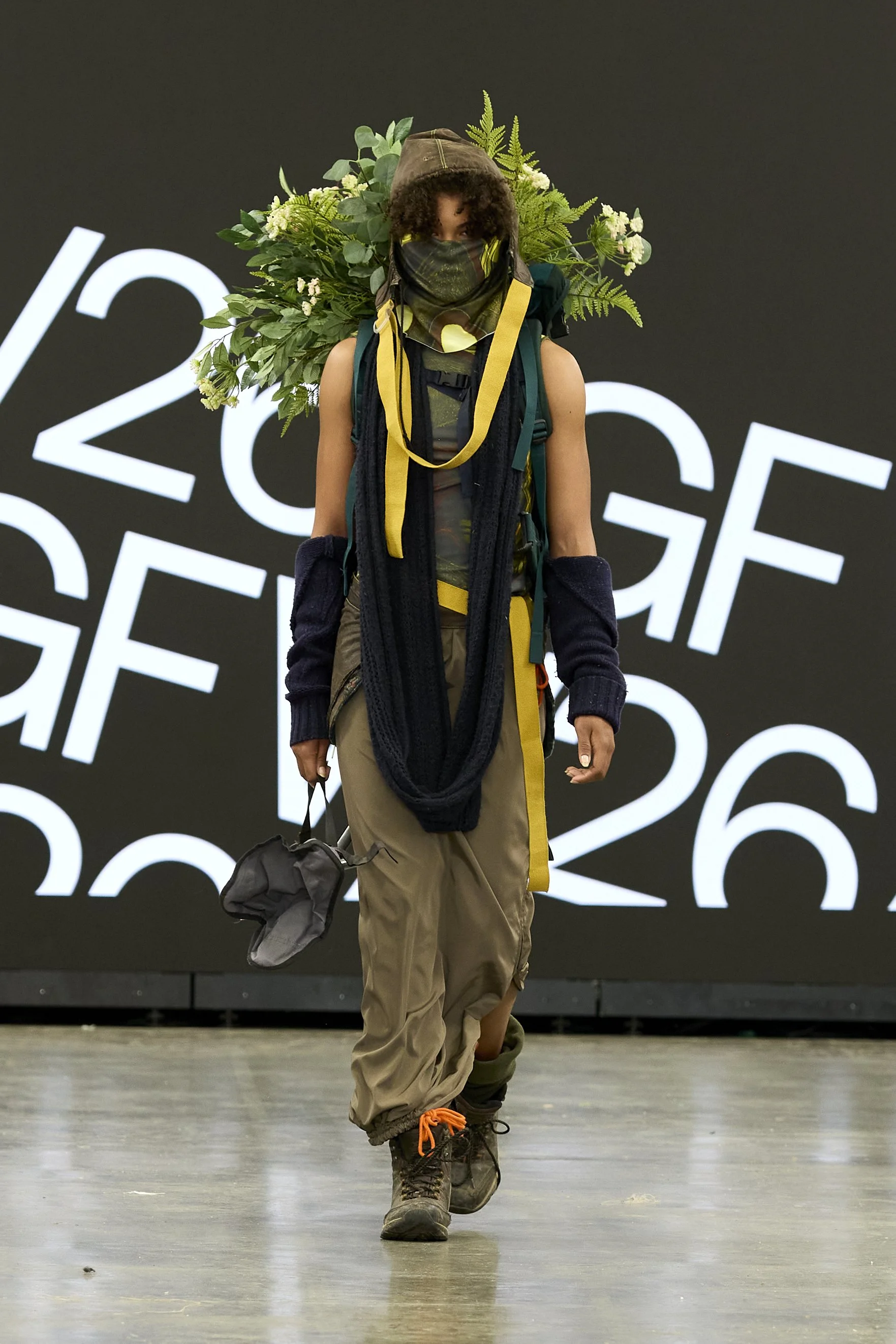
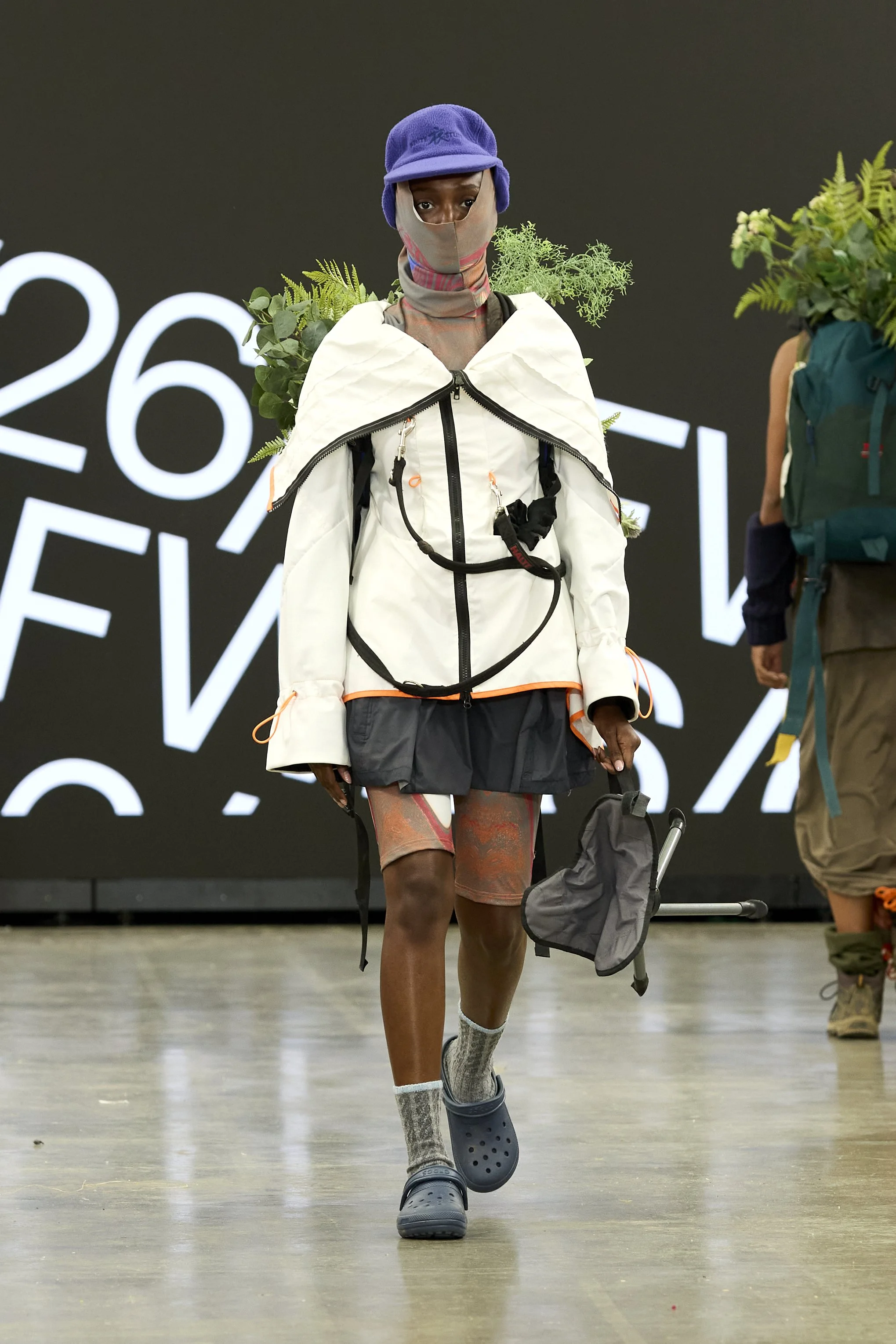
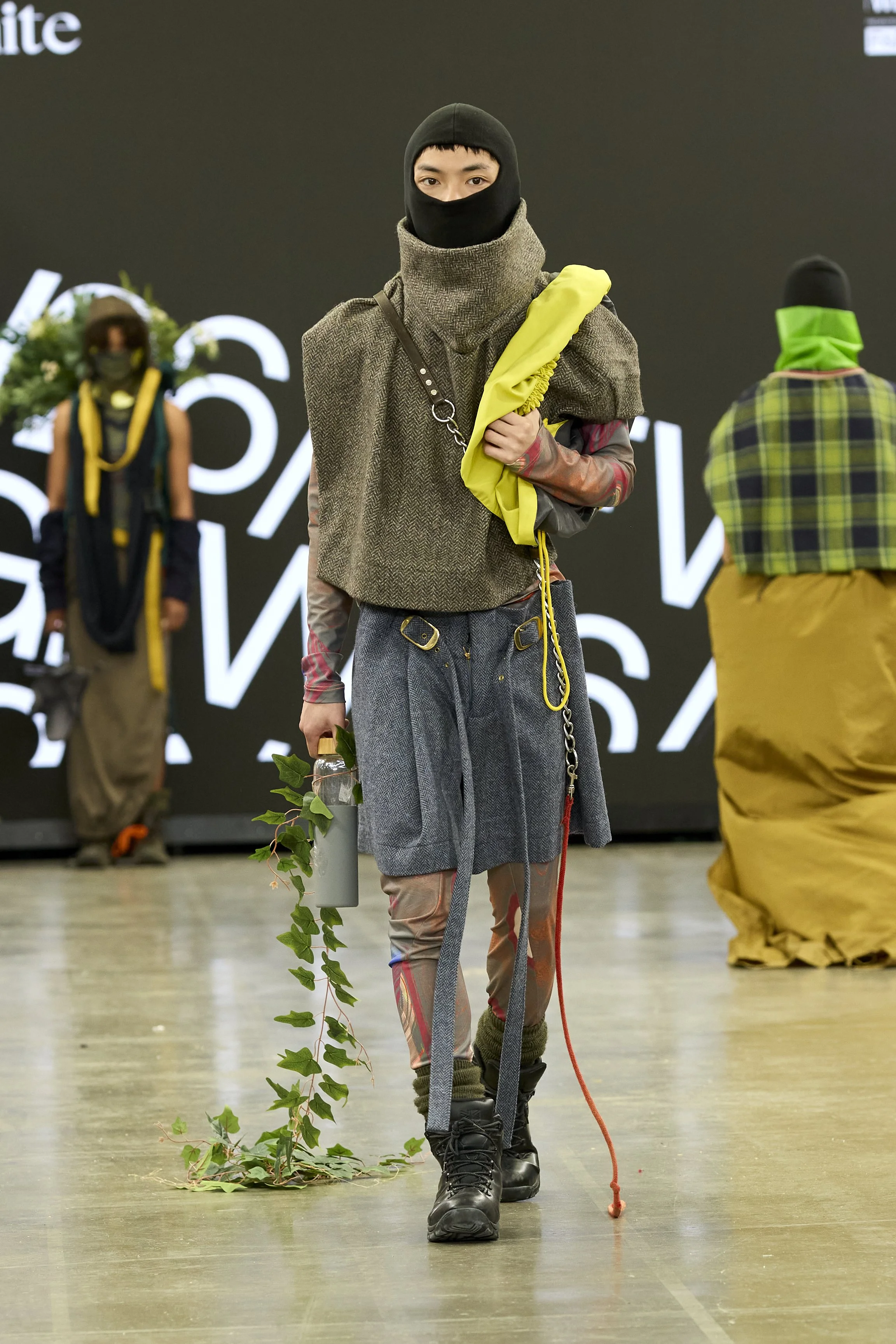
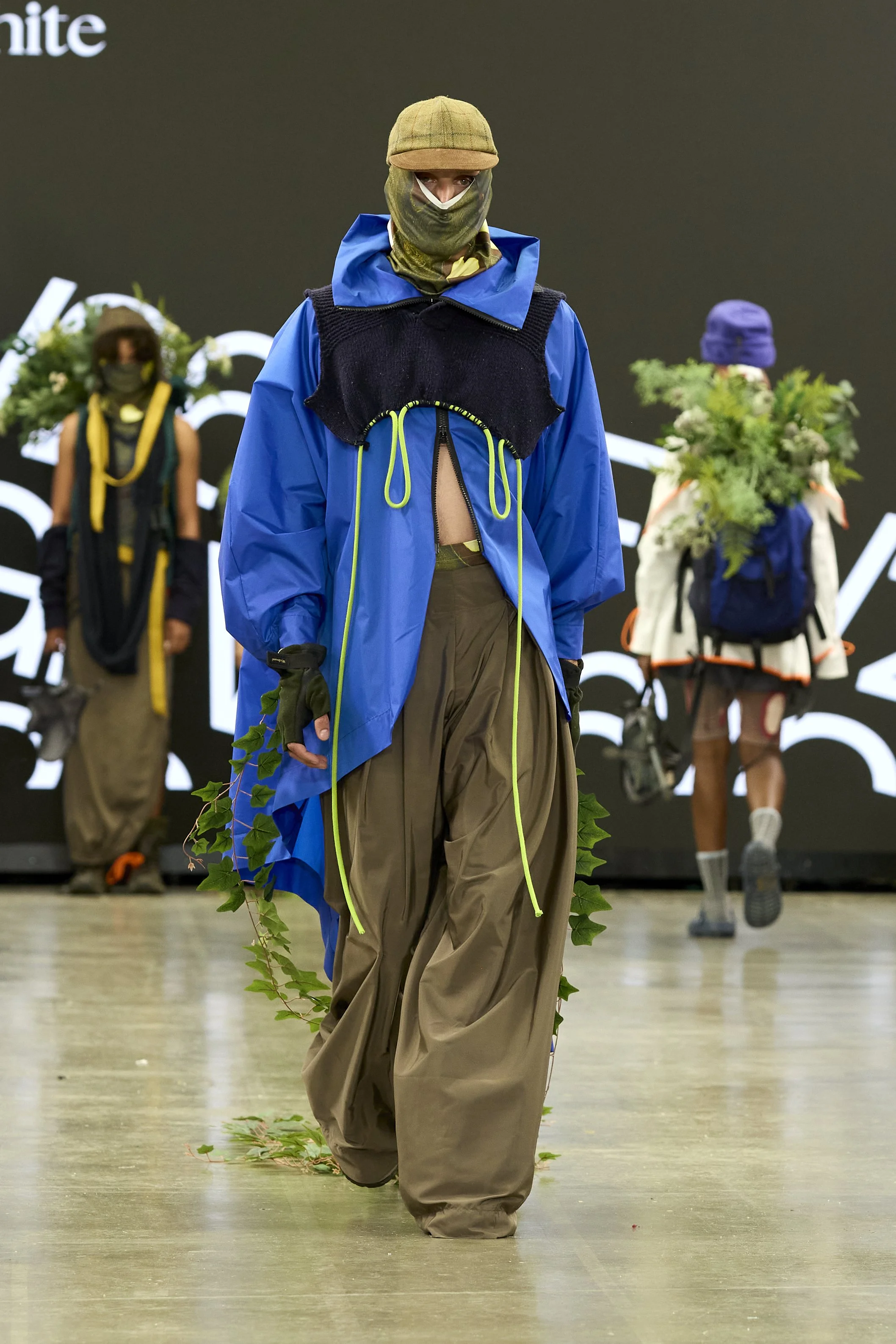
The collection was constructed entirely from second-hand garments and deadstock or preloved fabrics to showcase that sustainable fashion is far from limiting. Responding to the overload of unwanted clothing in charity shops and the waste generated by modern overconsumption, Grace aimed to highlight that the fashion industry does not need to exhaust resources creating new fibres when abundant materials already exist that would otherwise end up in landfill. To make the collection as circular as possible, she repurposed leftover fabric offcuts from the garment-making process into coordinating accessories. Additionally, Grace prioritized modularity to combat overconsumption by giving wearers multiple styling options within a single piece and incorporated carabiners to achieve this versatility as a deliberate nod to queer symbolism.

Senuji de Silva
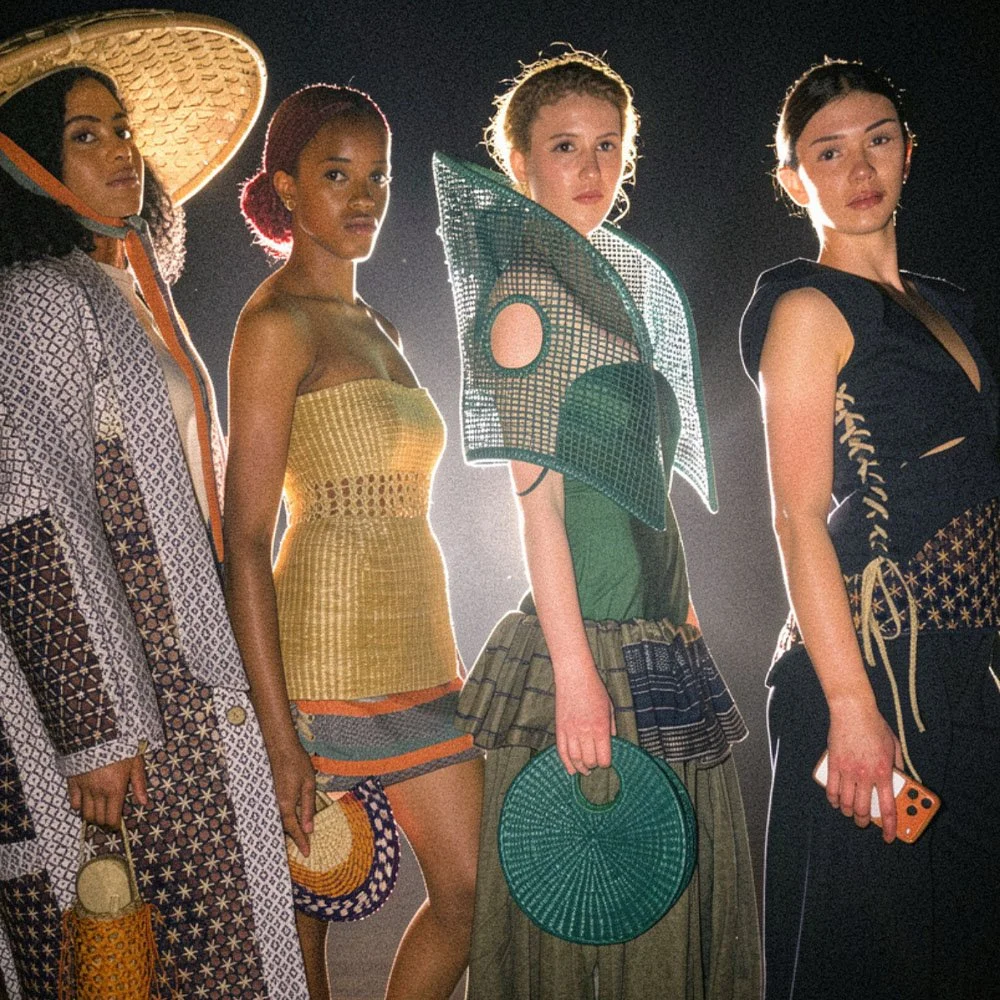
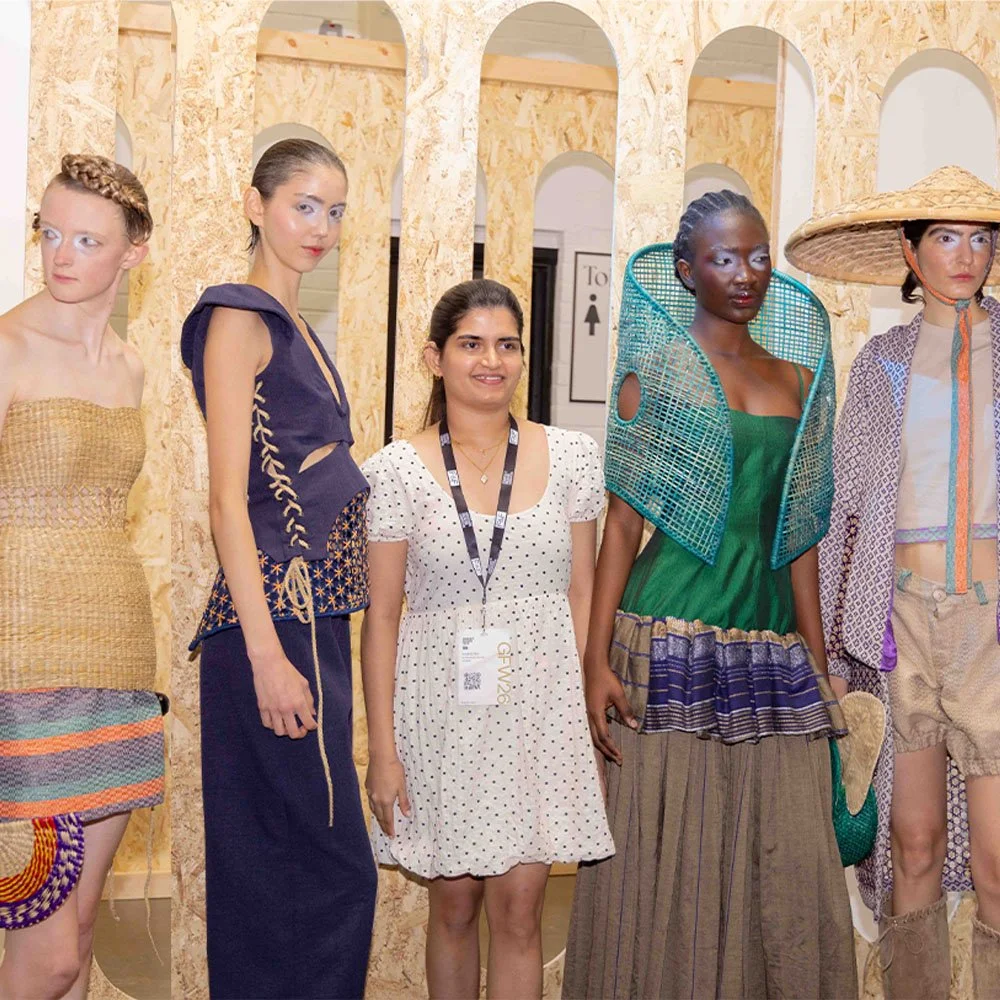
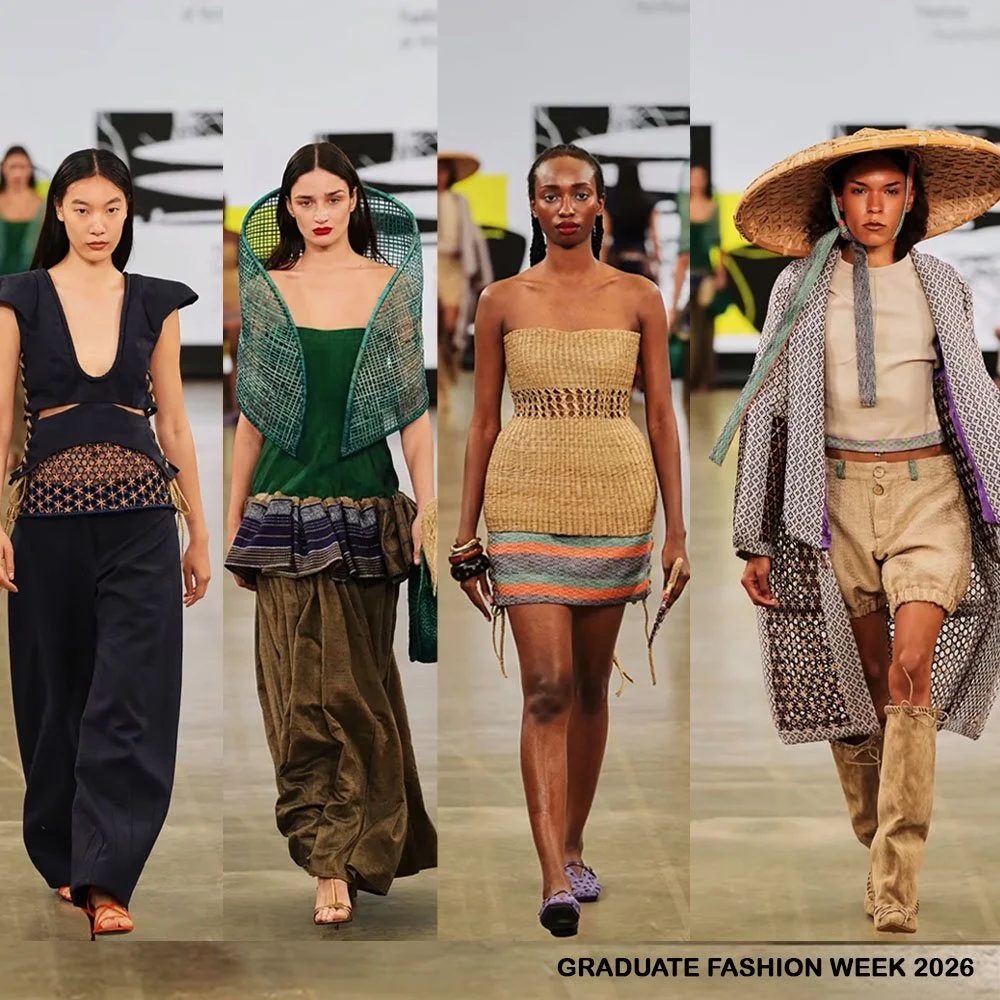
Senuji de Silva's womenswear collection, SANDAPAYA, is built around wewal (rattan cane), a traditional Sri Lankan craft material that Senuji developed into a structural fashion textile through collaborating with artisans in Wewaldeniya. Working directly with cane weavers allowed her to translate an ordinarily rigid, functional material into fluid, wearable forms, keeping the making process rooted in fair, small-scale artisan practice rather than industrial production. The collection also incorporates handloom fabric sourced through Selyn, a fair trade weaving cooperative, further embedding ethical, community-based production into every garment.
Conceptually, SANDAPAYA is inspired by Senuji's grandmother's story of defying rigid social class structures in Sri Lanka, expressed through a fusion of Portuguese and Sri Lankan silhouettes in a purple and beige palette. Rather than treating sustainability as an add-on, Senuji built it directly into the choice of material, the making process, and the people involved at every stage.
The collection was recognised with the Northumbria Catwalk Award at Graduate Fashion Week 2026, the Disturbia x Northumbria Catwalk Impact Award, and the Sree Mukhopadhyay-Sen Prize for Excellence in Sustainable Fashion Design, and has been featured in Pattern Magazine, Cold Magazine, and Hi Magazine Sri Lanka.
Taelor-Mae McNally
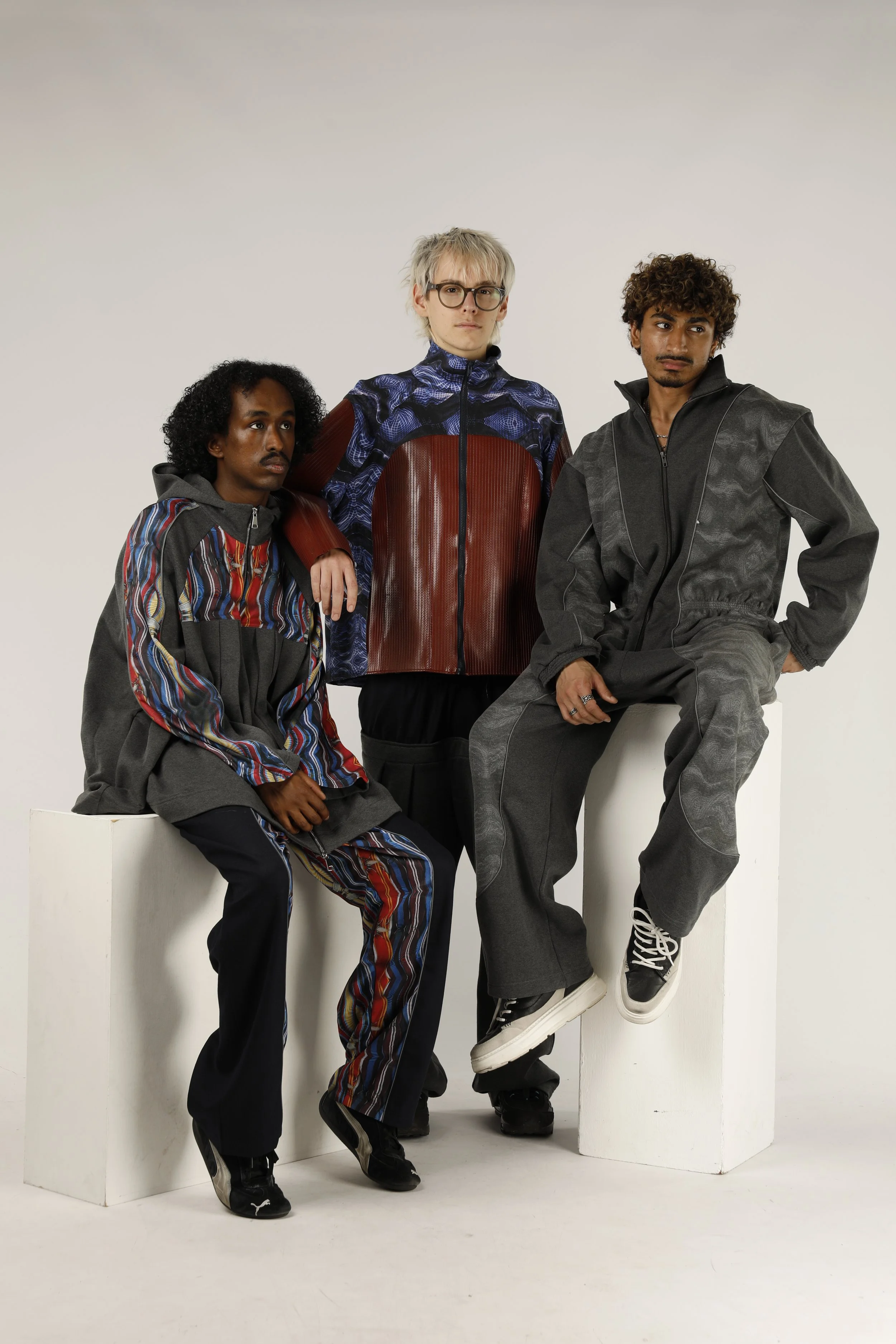
Who Saves the Savers?, is a collection centred around appreciation and admiration for firefighters who put their lives at risk every day to protect their communities. Recognizing that exposure to contaminants, trauma, and the intense pressures of the job place firefighters at a significantly higher risk of developing mental health illnesses than the general population, Taelor-Mae set out to break down the stigma surrounding men’s mental health. She created an elevated menswear athleisure collection focused on comfort, challenging boundaries around mental health while directly enabling wearers to give back to the very people who inspired the work.
Sustainability is deeply embedded in the garment construction: Taelor-Mae upcycled donated fire hoses destined for landfill into jackets, paired with organic cotton jerseys printed using waterless sublimation dye—widely recognised as one of the most sustainable printing methods. Taking circularity a step further, she laser-cut QR codes into fire-hose offcuts that link directly to a website featuring men’s mental health charities alongside a donation portal for The Fire Fighters Charity. Deeply personal touches also run throughout the designs, incorporating custom prints created directly from her father’s fire service medals and the linings of his fire jackets.
Taelor-Mae shares more of her work on Instagram here.
Emily Kitto
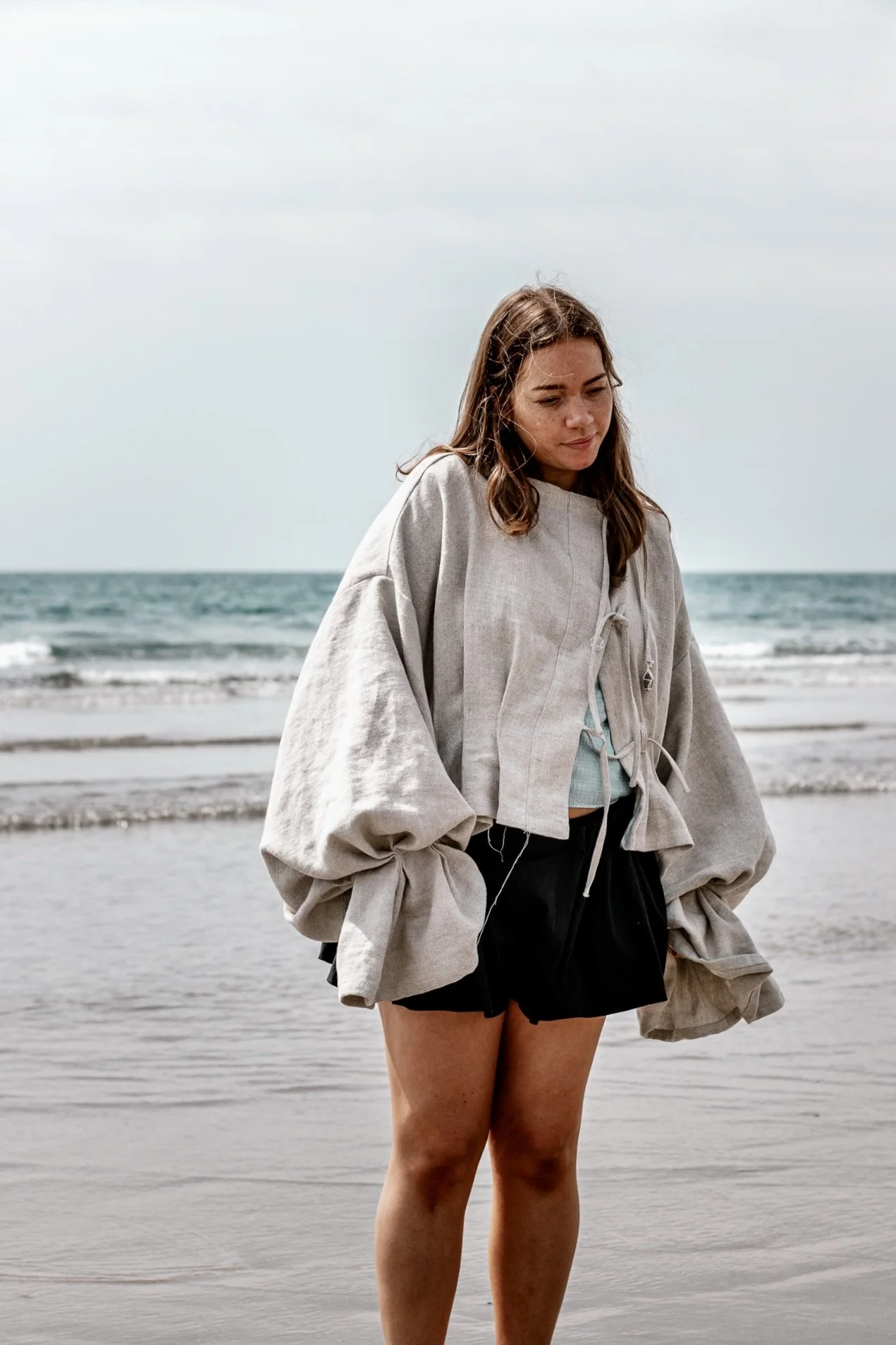
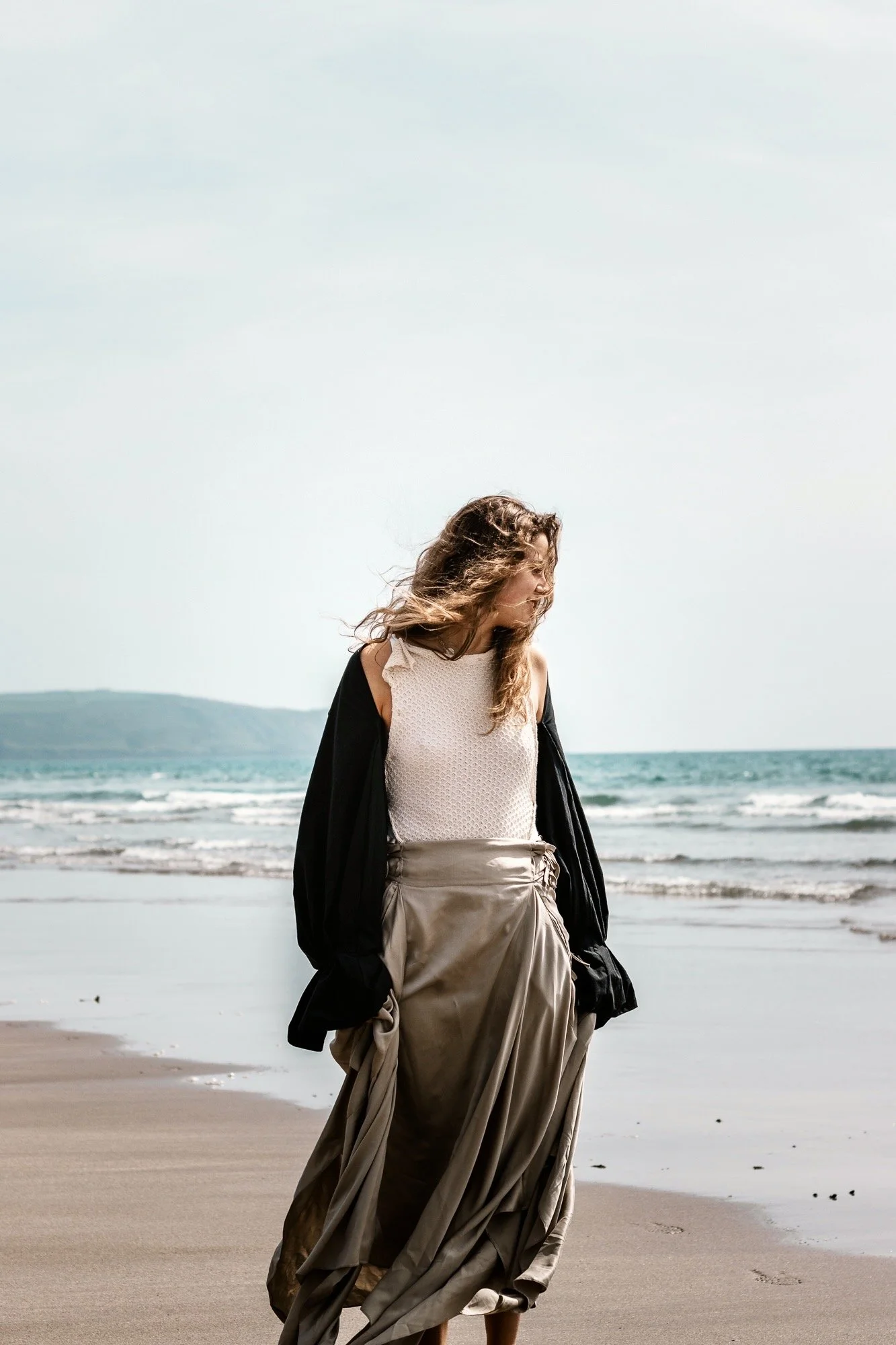
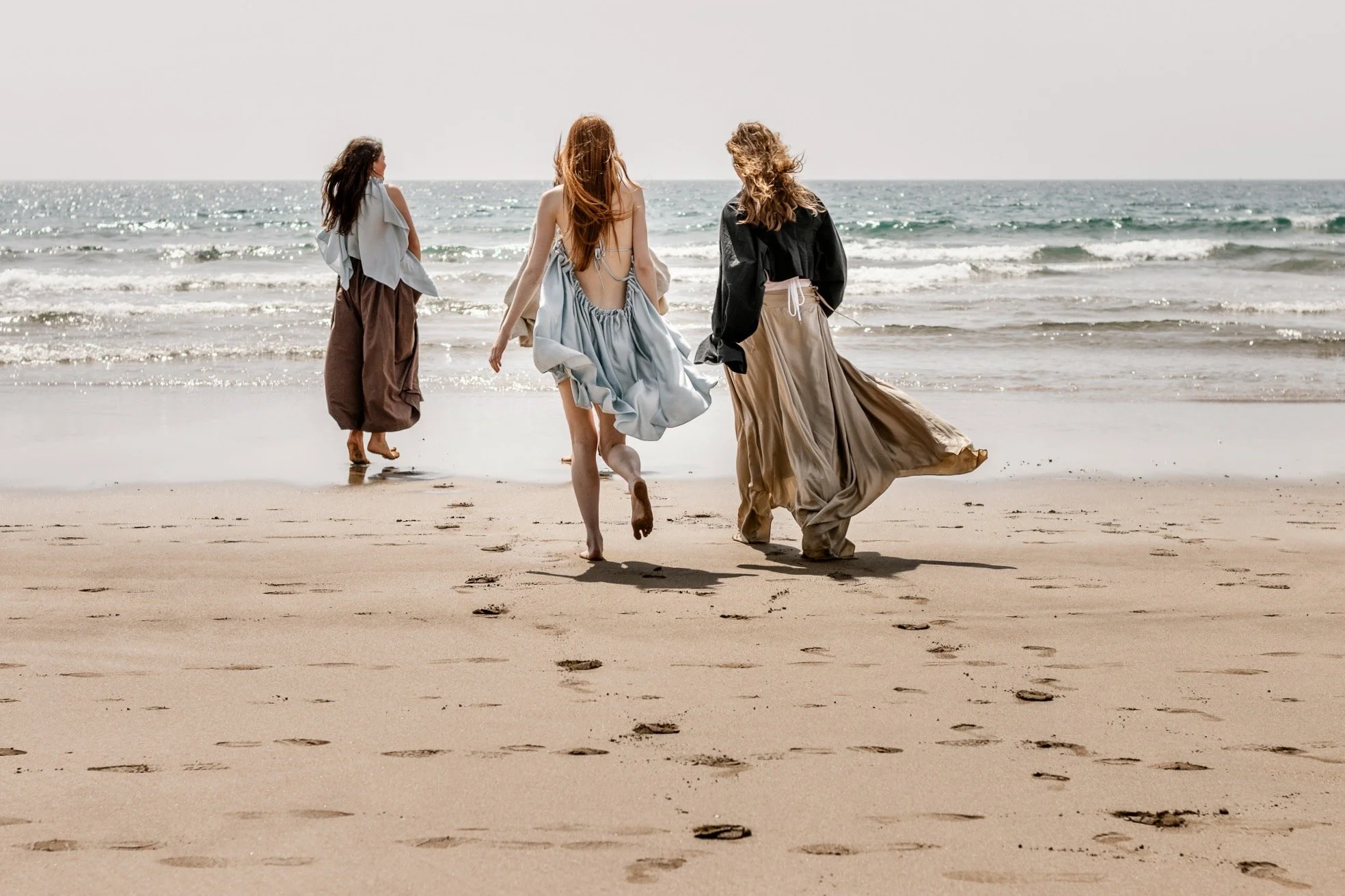
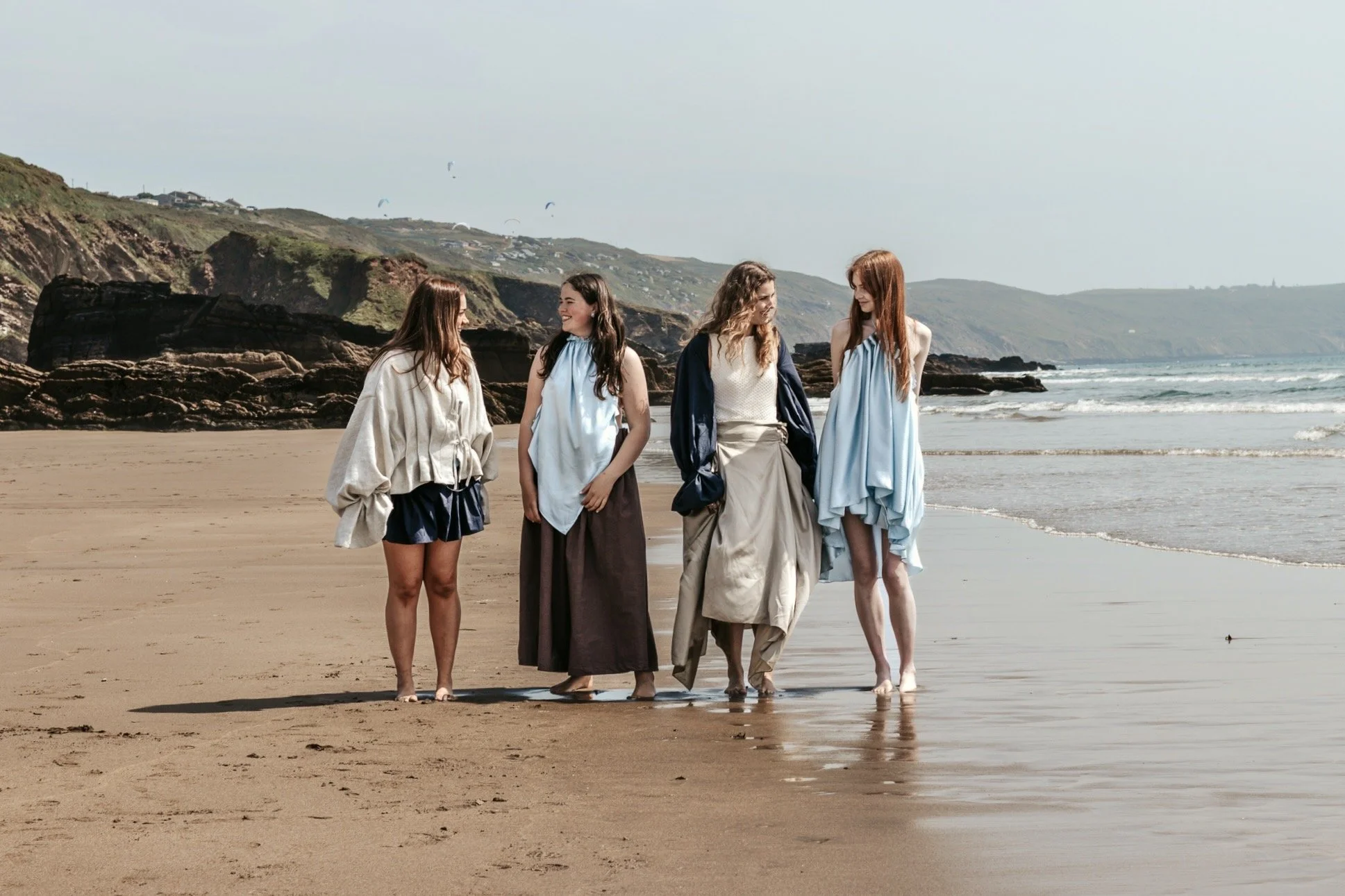
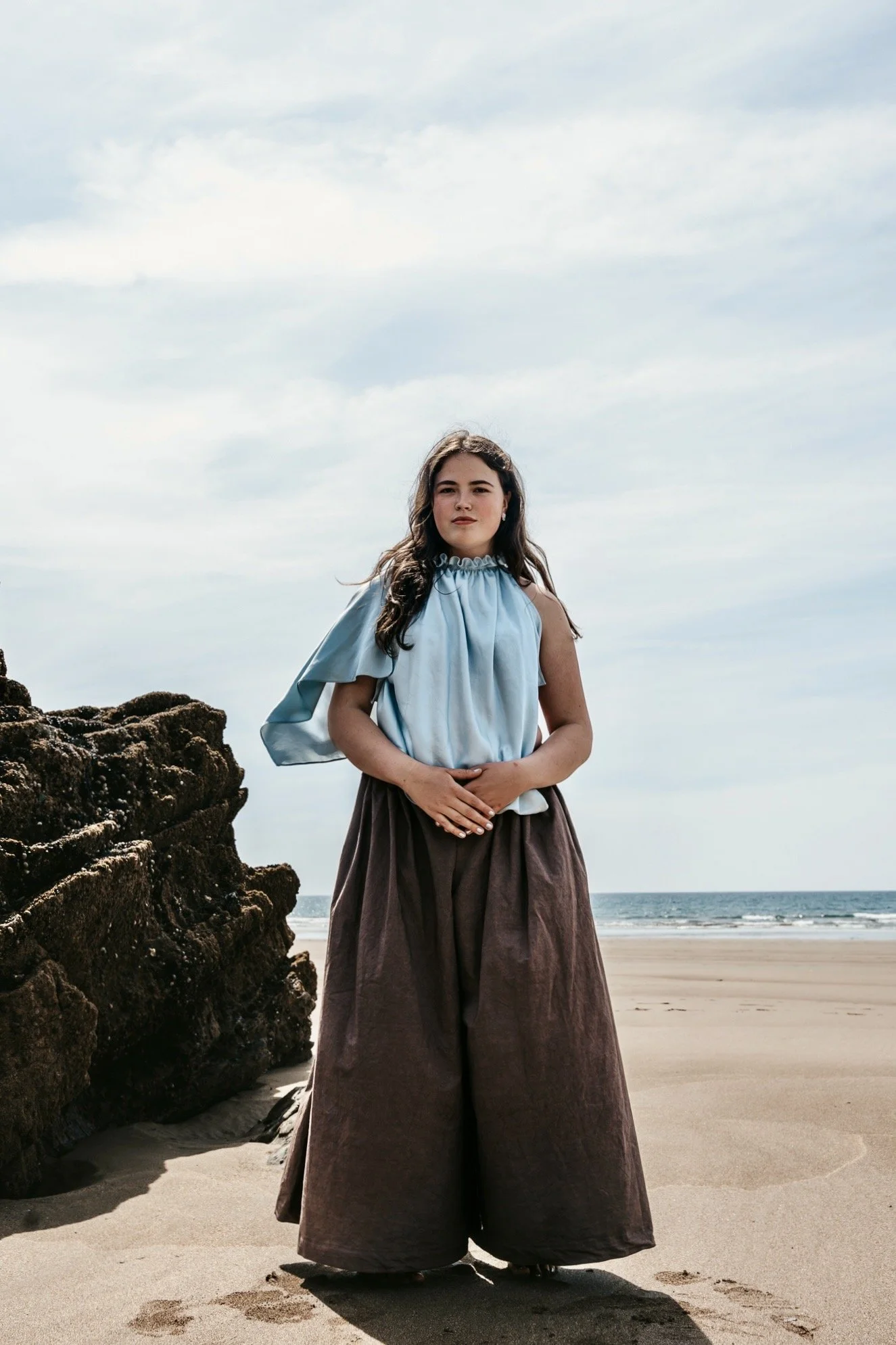
Whitsands, is inspired by the quiet beauty and raw energy of the Cornish coastline. Having grown up in Cornwall, Emily’s connection to the sea and natural landscape is central to her creative practice, translating windswept sands, layered rock formations, and silver-glimmering waters into fluid silhouettes, soft neutral tones, and tactile natural fabrics.
Sustainability lies at the heart of Whitsands, with the collection exploring how responsible design can become a creative force rather than a limitation. Constructed using 100% natural fibres and developed through geometric zero-waste pattern cutting, every piece of fabric is carefully considered for its placement and purpose. Rather than treating waste as an unavoidable byproduct of fashion, Emily used the zero-waste process as a catalyst for experimentation, directly informing the silhouettes, construction, and pleated details throughout the garments.
Fabric offcuts were also reimagined as intentional design details, extending the lifecycle of the materials and ensuring nothing was discarded without purpose. Ultimately, Whitsands reflects a slower, more considered approach to fashion, where sustainability, craftsmanship, creativity, and longevity work together to create meaningful contemporary womenswear.


Heather Anderson
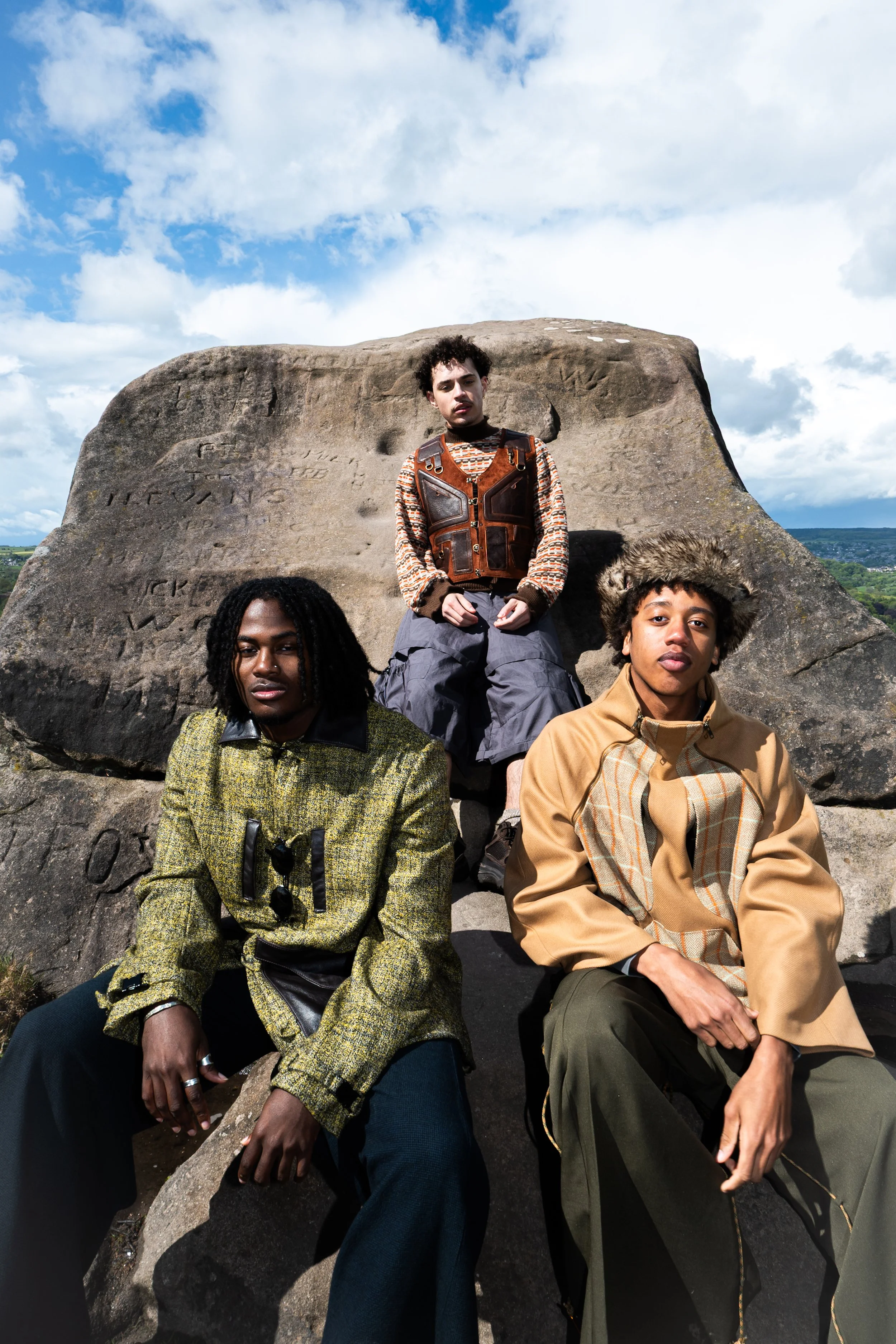
Heather Anderson won the Considered Fashion Award at Graduate Fashion Week for her focus on circularity, traceability, and longevity. Her collection, Granola Goat, reimagines performance sportswear as fashion with an emphasis on sustainable materials. Driven by her love for hiking and the Lake District, Heather became interested in the heritage of British sportswear. Noticing how reliant modern activewear has become on synthetics, she set out to explore the role of natural, heritage materials (such as wool, leather, and tweed) to emulate the detail and function of extreme climate wear within a sustainable fashion context.
Focusing on responsibly sourced fabrics, Heather utilised deadstock wool to reduce waste alongside leather from a certified supplier. One of her core textiles was sourced from Lake District Tweeds, a company dedicated to preserving British industry and local heritage by producing cloth made entirely in the North West of England that can be traced all the way back to the sheep. Through the use of traceable tweeds, durable natural materials, and quality craftsmanship, Heather aimed to create heirloom pieces built to be passed down through generation; hoping her collection would inspire others to be more considerate of natural landscapes and to better understand the lifecycle of their clothes.
Isabella Goldsmith
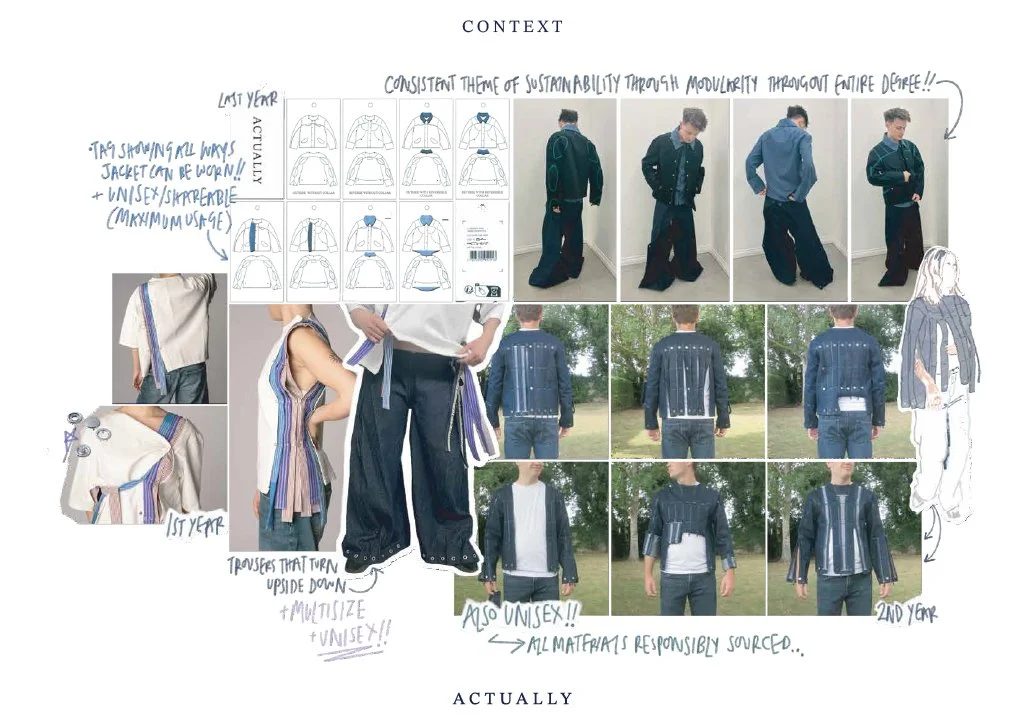
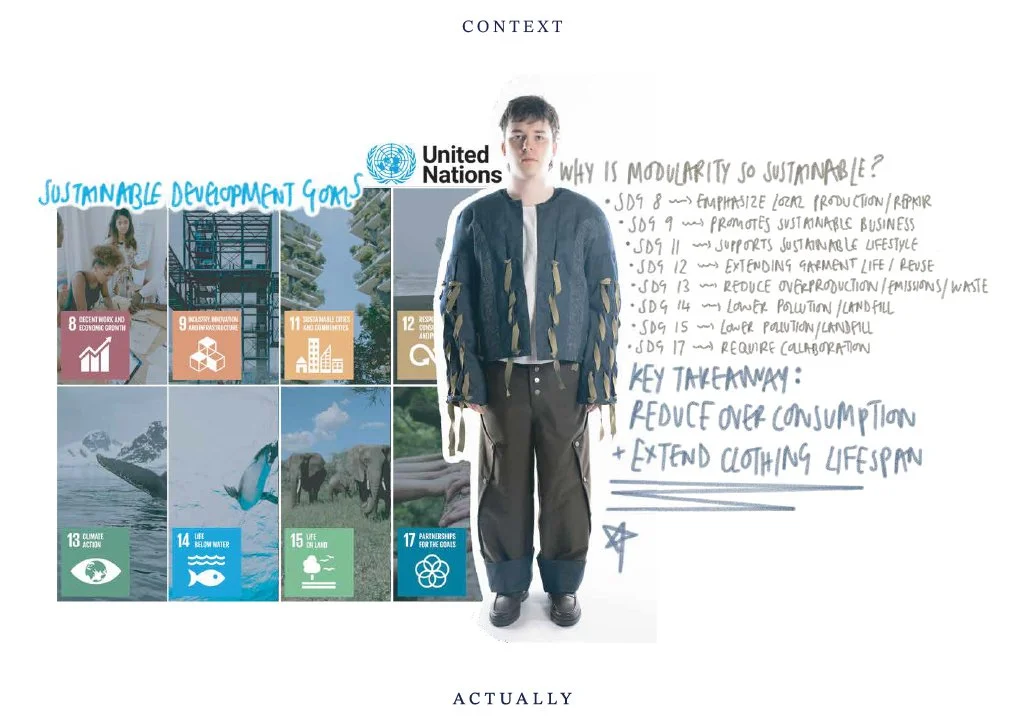
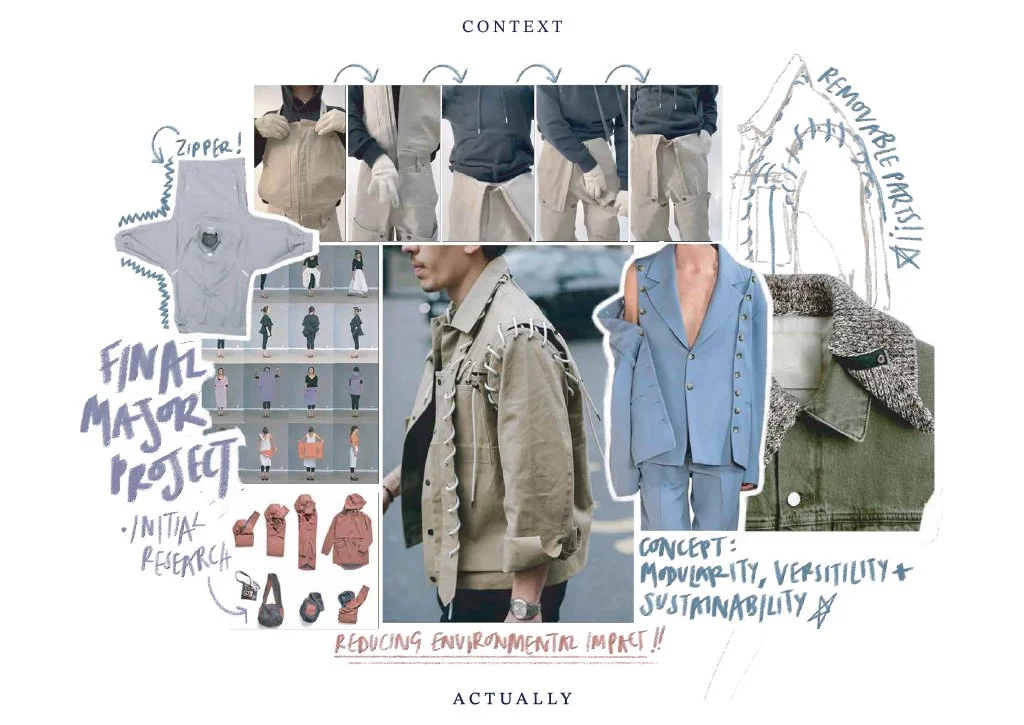
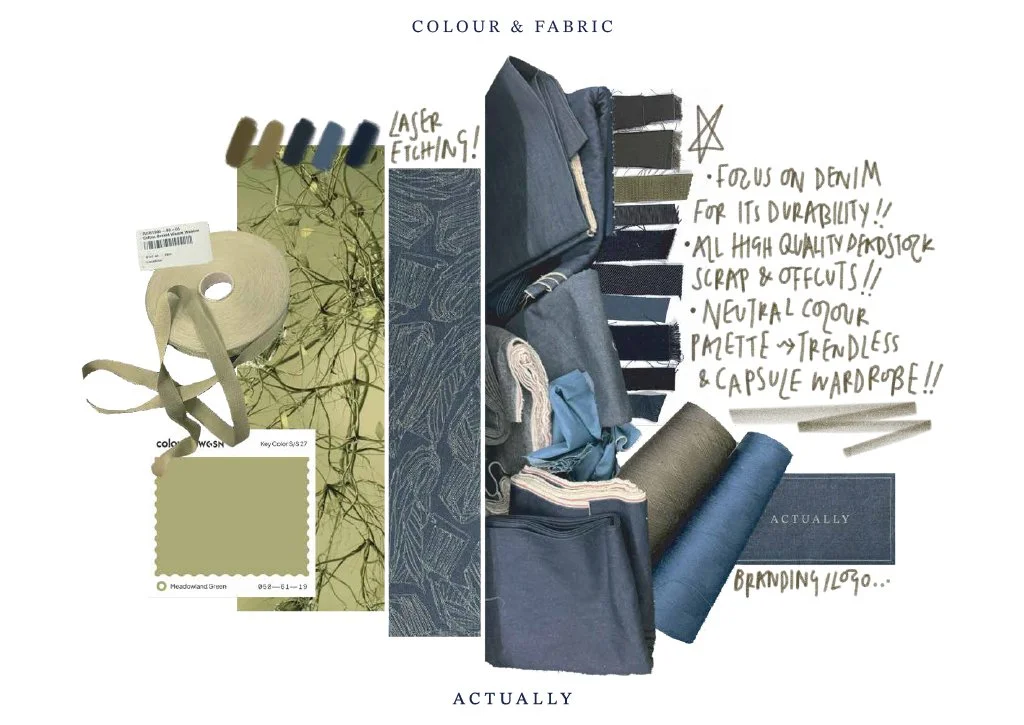
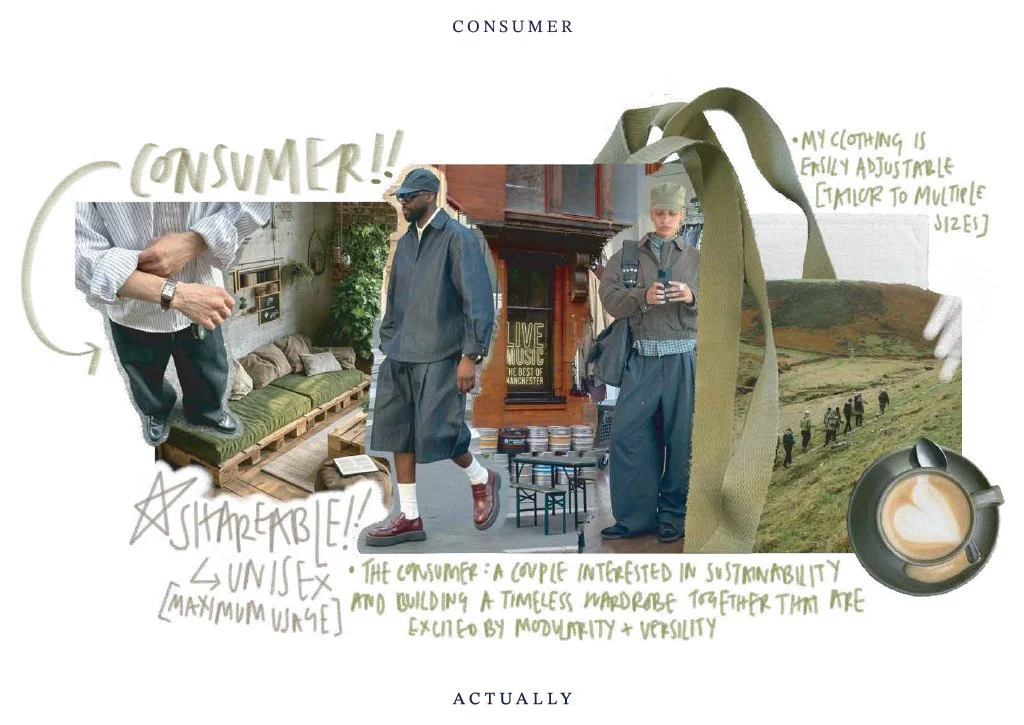
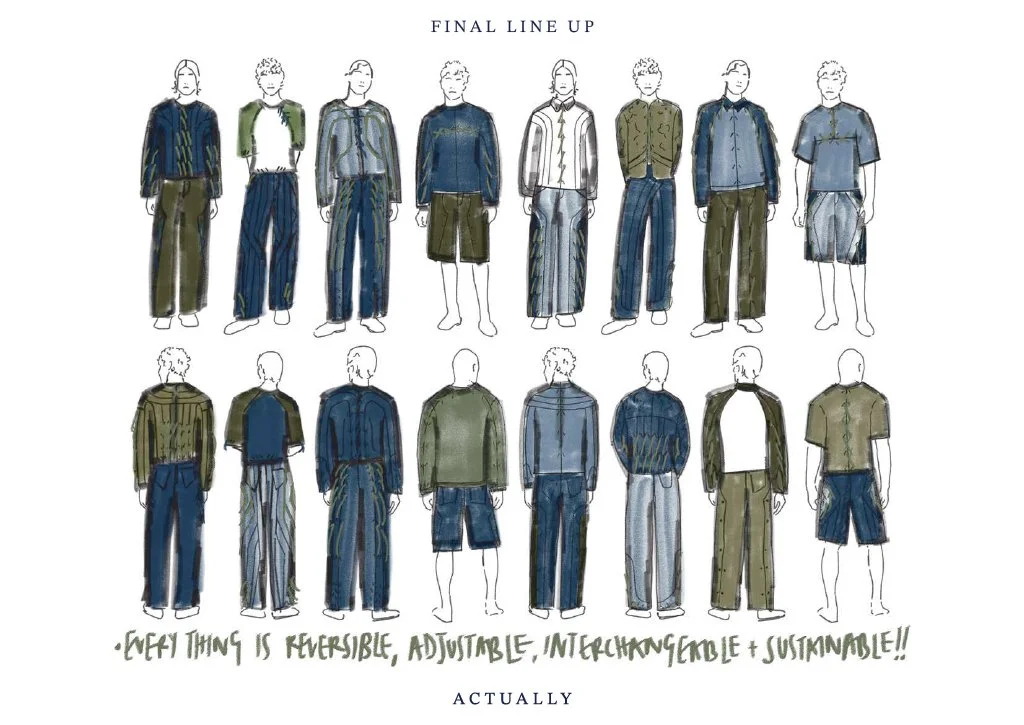
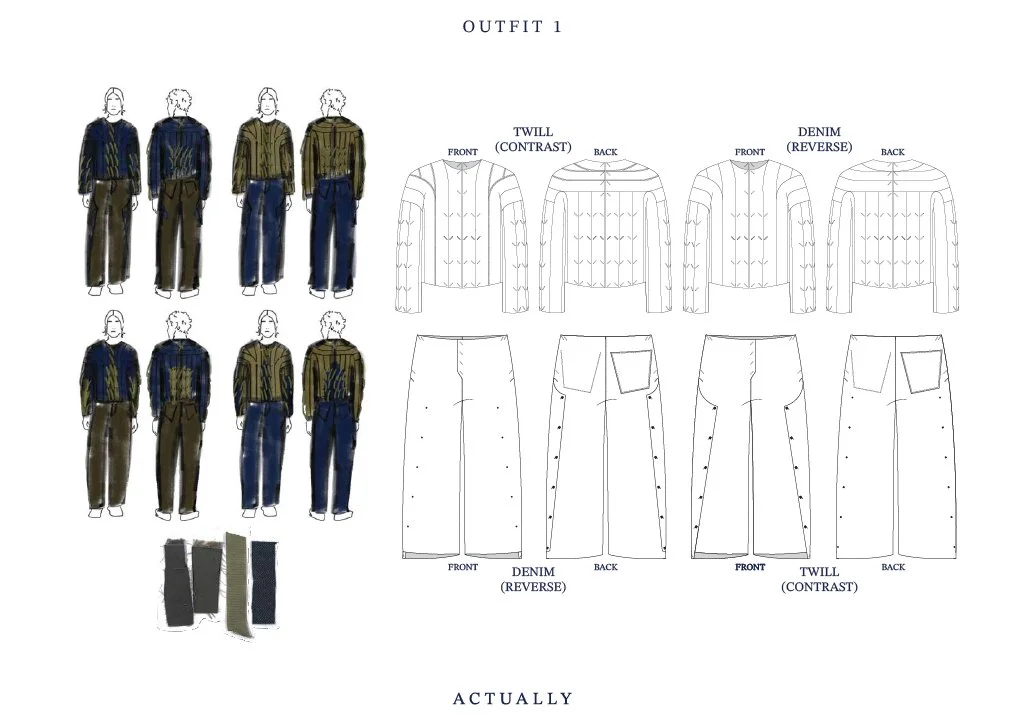
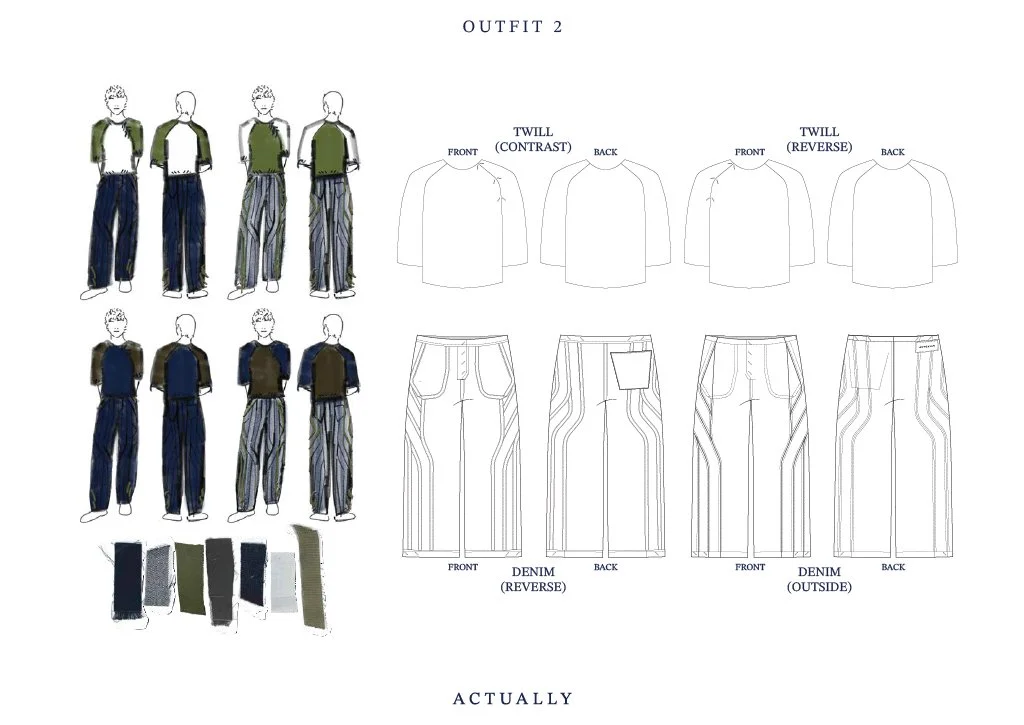
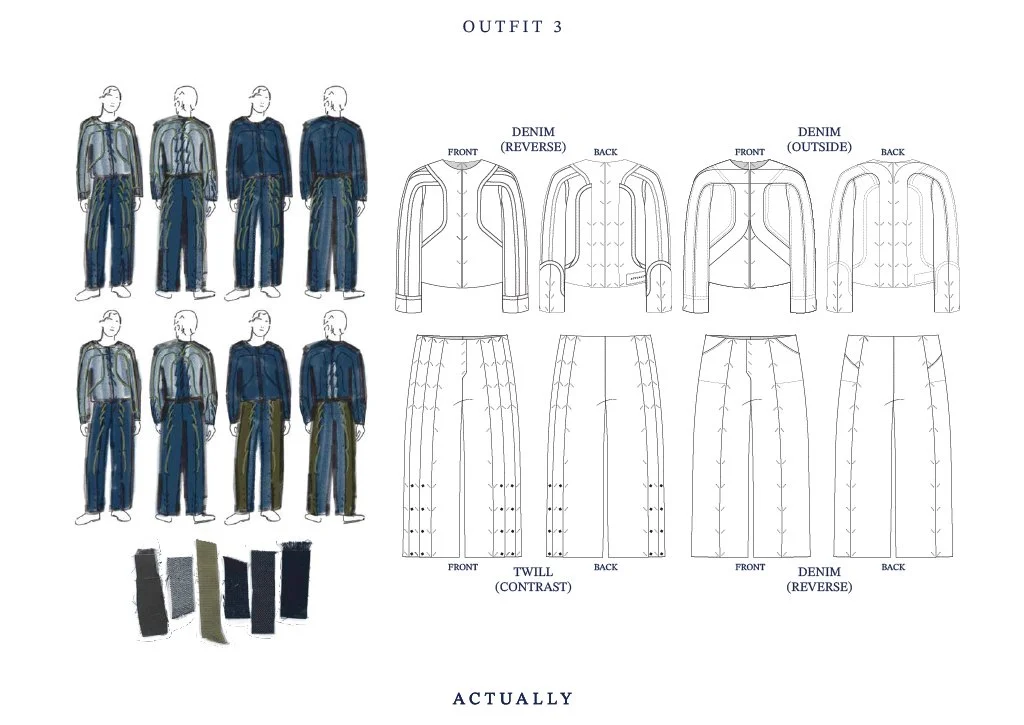
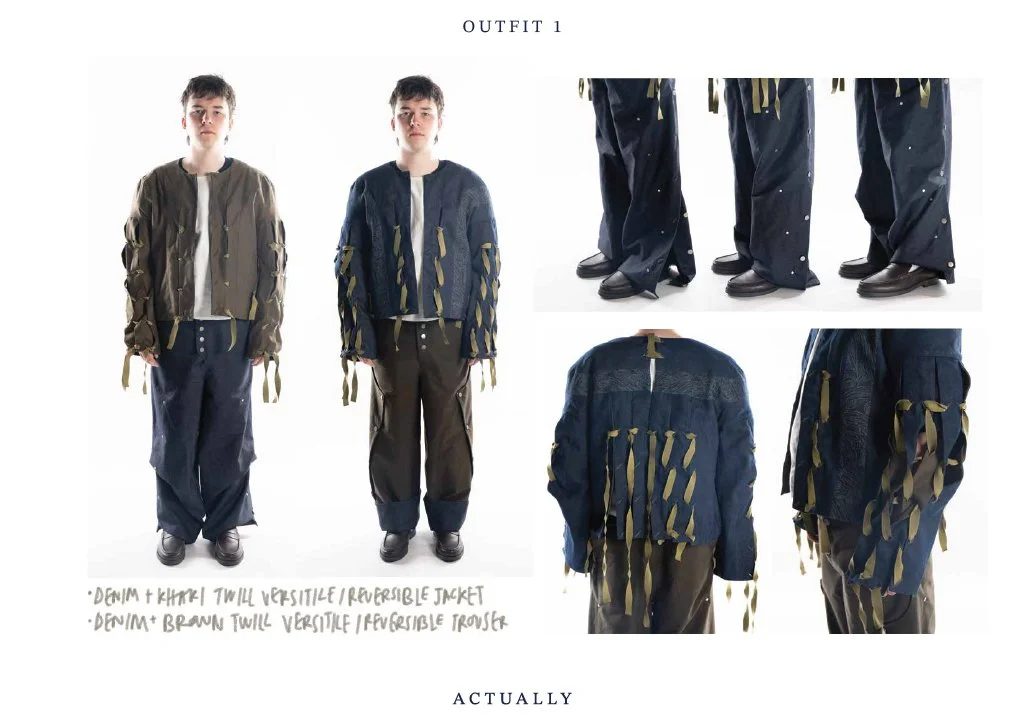
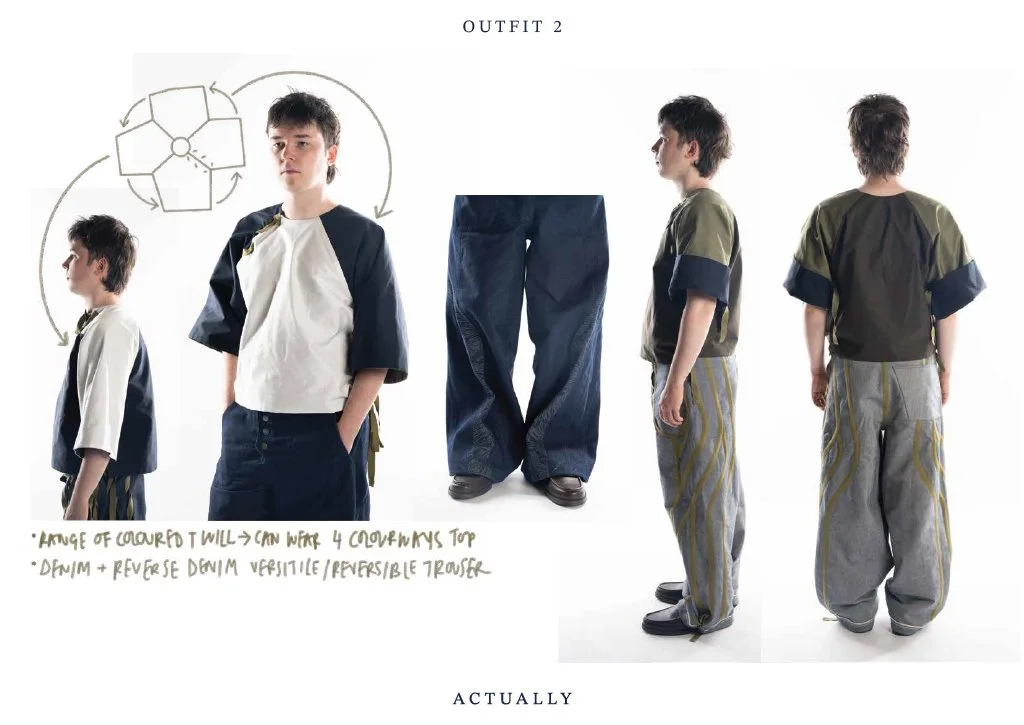
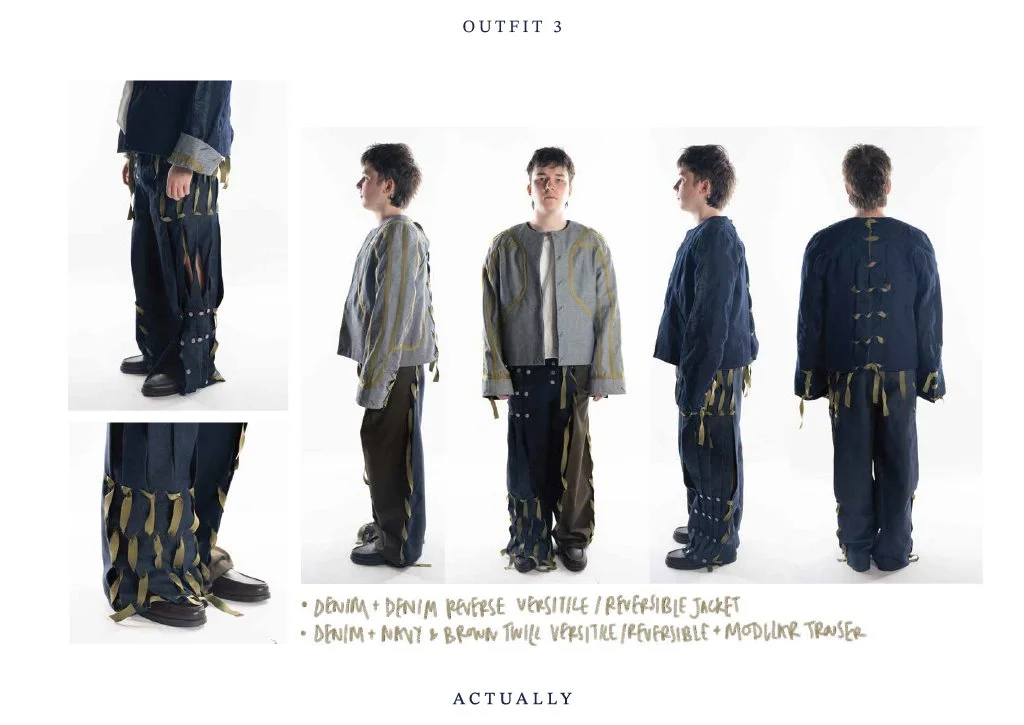
For her project, Isabella Goldsmith focused entirely on designing modular and versatile clothing and explored how garments can adapt, transform, and extend their lifespan. This is fundamentally sustainable because it reduces overconsumption and overproduction. By allowing garments to be worn in multiple ways, a single piece can satisfy a variety of needs, limiting the demand for excessive purchasing. It also enables individual parts to be repaired or replaced rather than discarding entire garments, increasing both durability and longevity. The interchangeable nature of the clothing keeps the wearer engaged for longer, strengthening emotional attachment and extending the garment lifecycle.
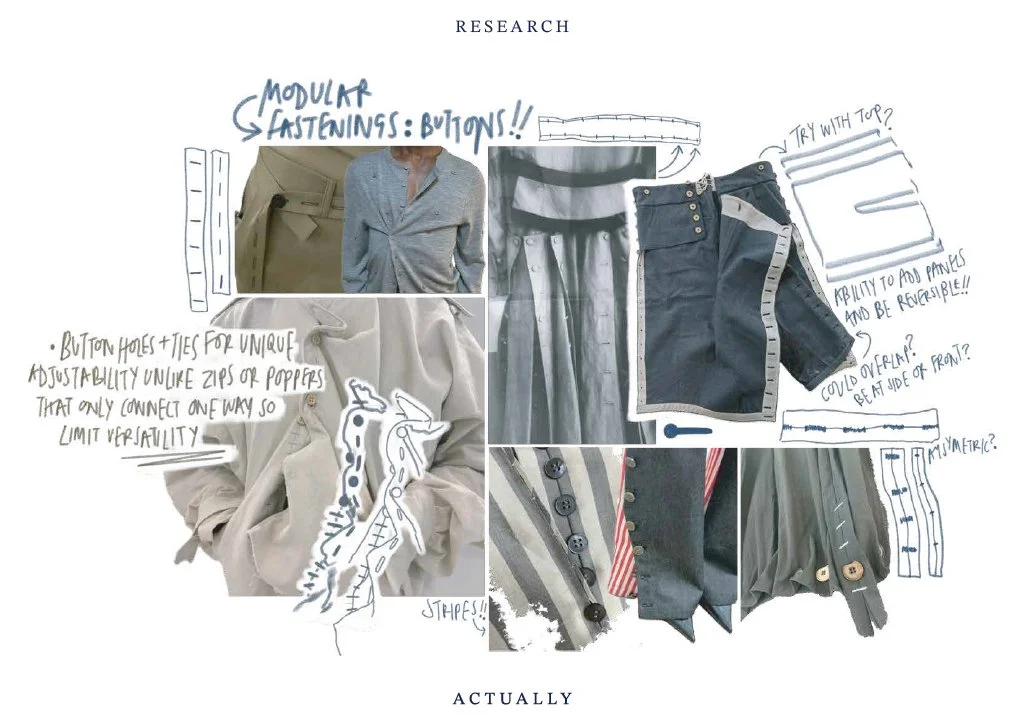
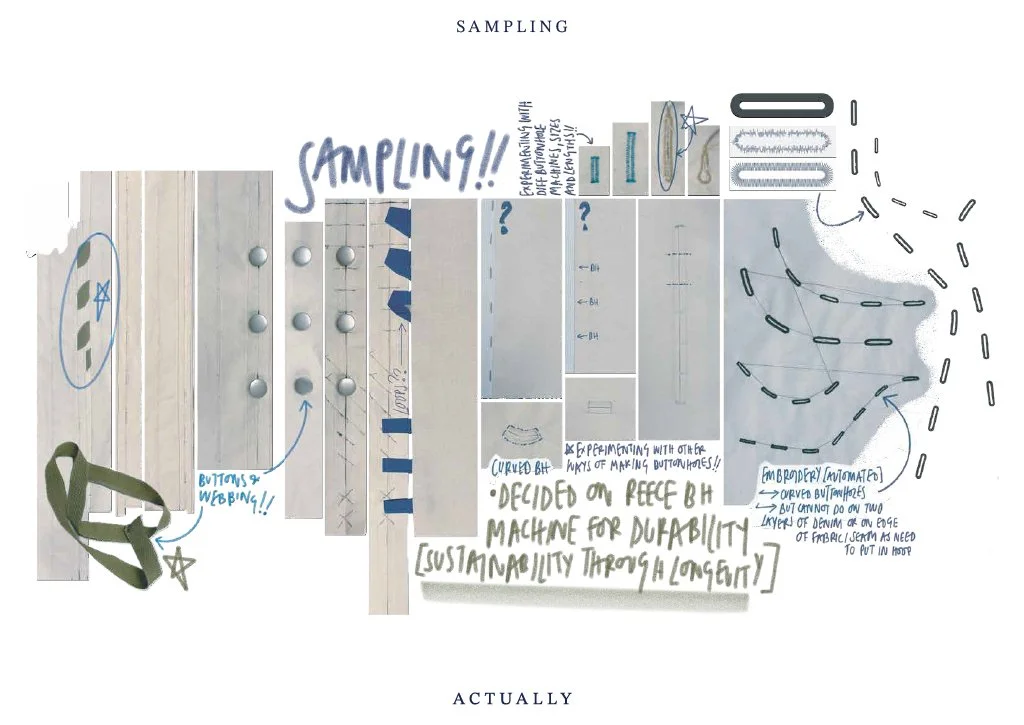
Fastenings became a central part of Isabella's research, particularly buttonholes and ties, which offer greater adjustability and versatility than traditional closures. Through removable modules and reversible garments, she created interchangeable pieces that allow endless combinations of silhouettes, fits, and styling possibilities. Her collection is also designed as unisex and adjustable, encouraging sharing between wearers and maximising usability. To reinforce durability, she primarily used high-quality deadstock denim and other fabrics also made from natural fibres. A neutral colour palette was also chosen to ensure the collection remains trendless and timeless. Isabella believes her collection is incredibly sustainable, circular, and ethical, and knows she would be a great fit for this event.
Amelia Pickance
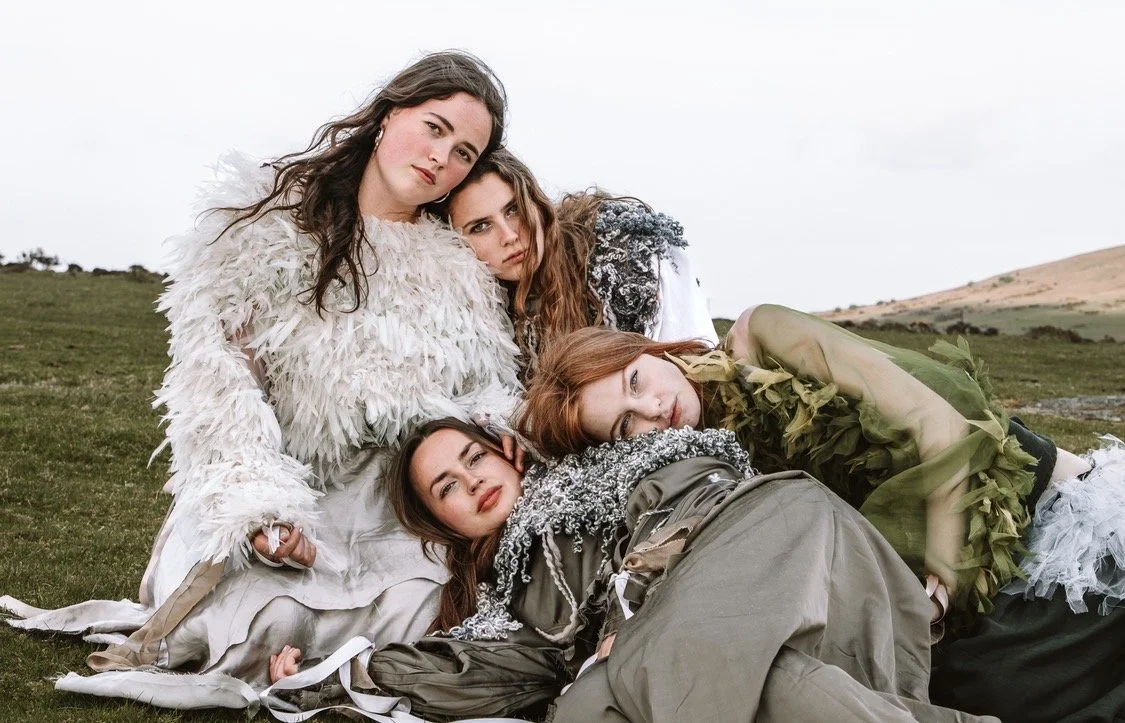
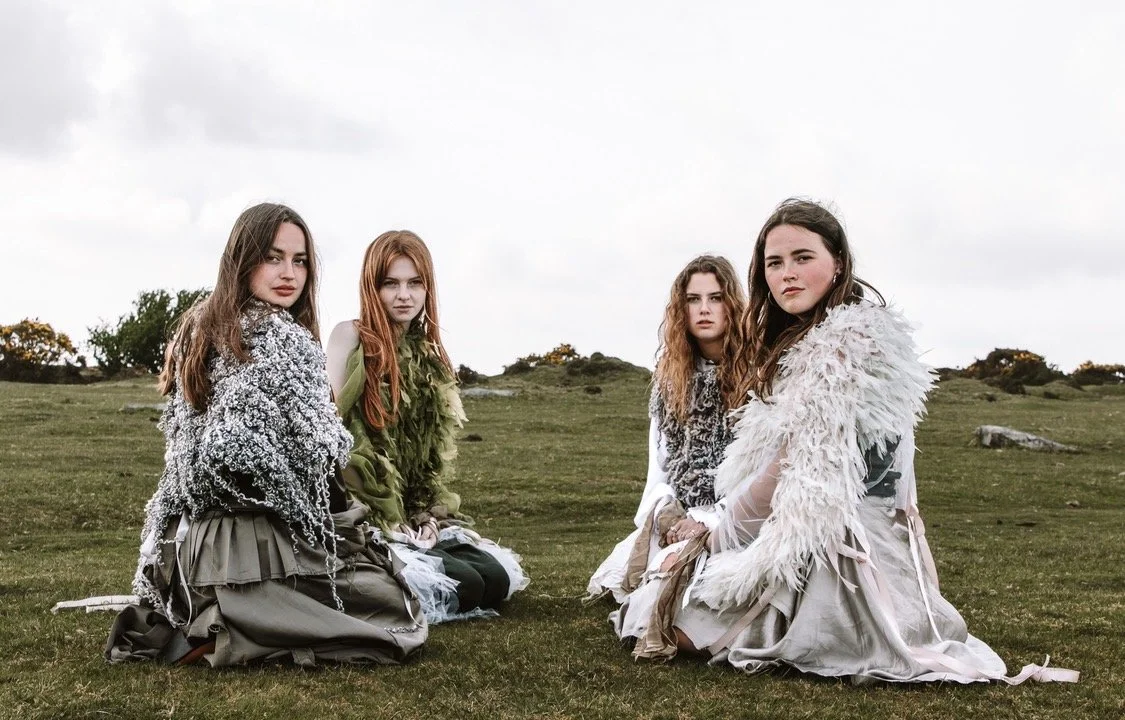
During her final year, Amelia Pickance found an interest in textile design, an area she had not really explored until that point. Whilst designing her graduate collection, she decided that she wanted to explore circular fashion through using knit. She went through the process of sourcing vintage knitwear from places around her, unwound the jumpers, re-spun the yarns, and used the yarn to re-knit the garments in her collection. This process taught her not only about sustainability, but also about the construction of knitted garments. Due to unwinding old garments, many of the yarns snapped, so she learned a technique where the old, snapped yarns are taken and re-woven back in whilst knitting on the machine. The result was better than she could have imagined and showed her the possibility of textile and knit design, which is something she would love to explore in the future.
She was also really inspired by using recycled silks. The first silk that she used was a parachute silk scrap that she had found. Intrigued by the shape of how it had torn, she decided to use it like an animal hide and not cut it at all, leaving the natural shape. Other silks and fabrics in her collection are from deadstock stores or were being thrown away for being damaged.

Georgina White
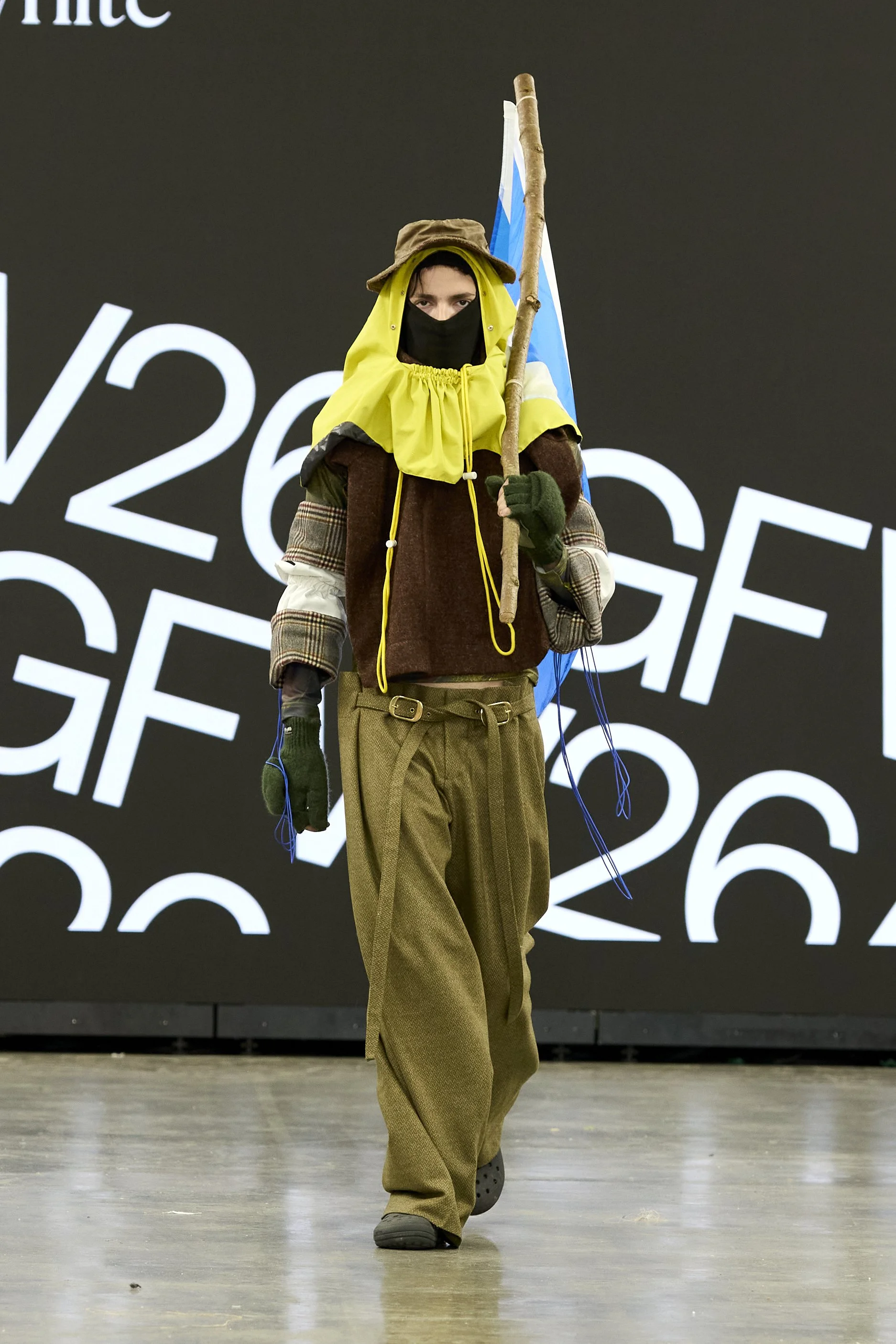
Georgina White is delighted to be putting forward her recent sport and outerwear collection for catwalk consideration at The Good Clothes Show 2026. Her range is strongly aligned with the values and practices held by The Good Clothes Show, with each garment carefully crafted and considered using a range of sustainable techniques. Up to 90% of the fabric used across the collection is secondhand, coming from deadstock supplies, donations, or upcycling pre-loved products. Garments that incorporated new fabrics were constructed using zero waste patterns, in an attempt to minimise consumption, wastage, and overall environmental impact.
Longevity and practical usage were at the forefront of Georgina's priorities when developing this collection. She designed and manufactured many modular products that actively promote consistent and long term use, showing that products can perform long-term for consumers, and in a range of different ways. As a whole, the collection brings together a range of sustainable production techniques, with each garment developed with consideration for its environmental impact throughout its lifecycle, from production and material use to its longevity and future use.
She is excited by the prospect of lending her garments for use at The Good Clothes Show, helping to raise awareness for, and implement, more sustainable practice within garment design and manufacturing.

“Overall it was a really great opportunity and I’m really thankful to have been a part of the graduates that were able to showcase their collections at the show. It was definitely a memorable experience. ”
