
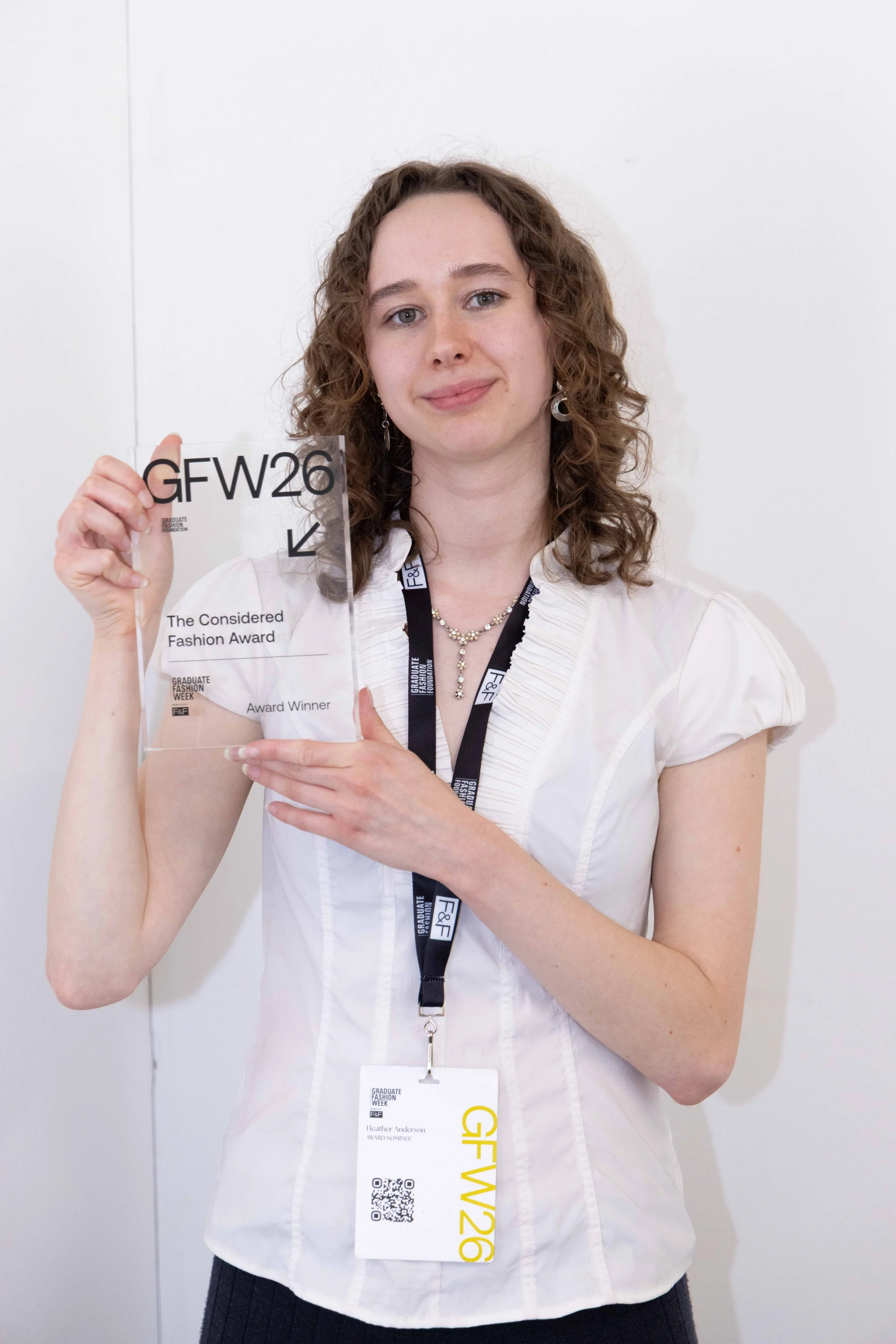
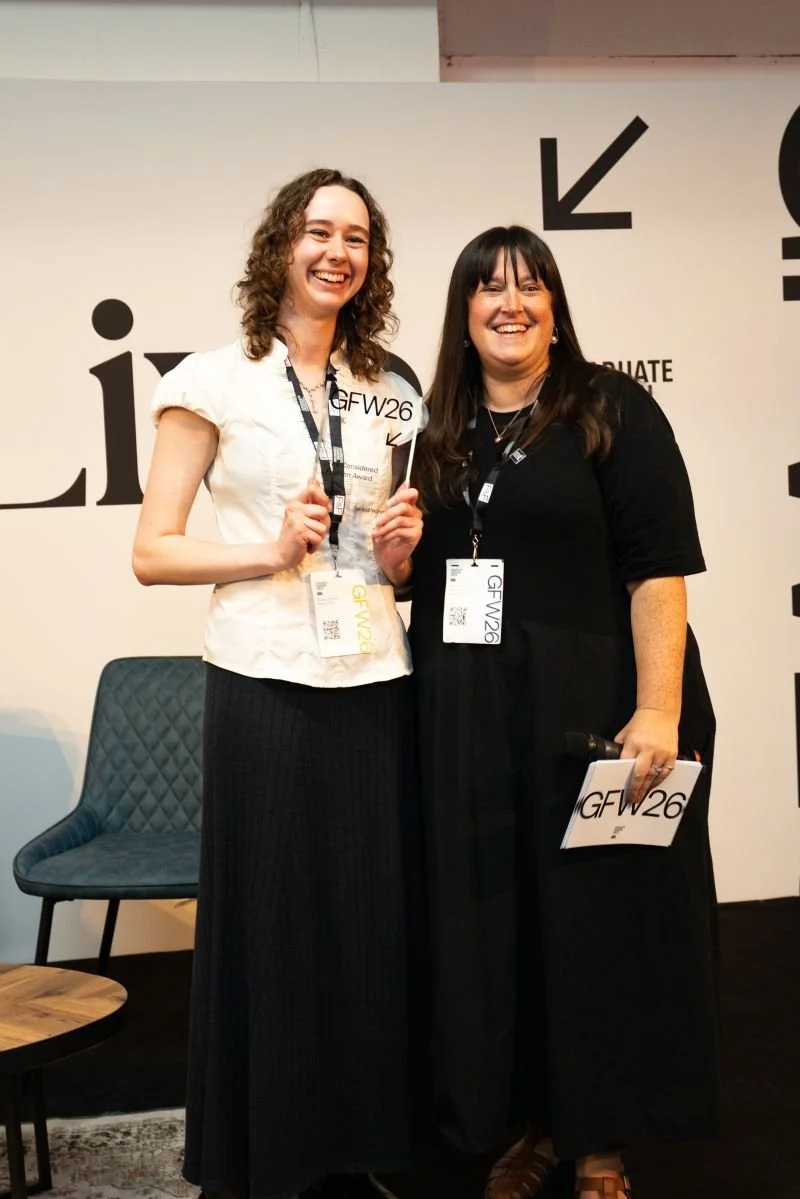
An Interview with the winner of the Considered Fashion Award 2026: Heather Anderson from Nottingham Trent University
Heather Anderson started sewing at the age of seven, when she learned how to cross stitch, and has loved sewing and handmaking ever since. This early passion has strongly influenced her creative process, with materials and textile processes always at the heart of her work. She thinks best in 3D, making sampling and experimentation one of her favourite parts of the design process. Being able to work with her hands and create something tangible is what she enjoys most about fashion design, particularly the satisfaction of seeing an idea from her head become something real.
Heather’s design process is far from linear. She is constantly jumping between ideas, which she feels brings a sense of life and chaos to her designs. This sporadic approach worked particularly well for her final collection, where she had to balance two juxtaposing concepts and constantly move between them.
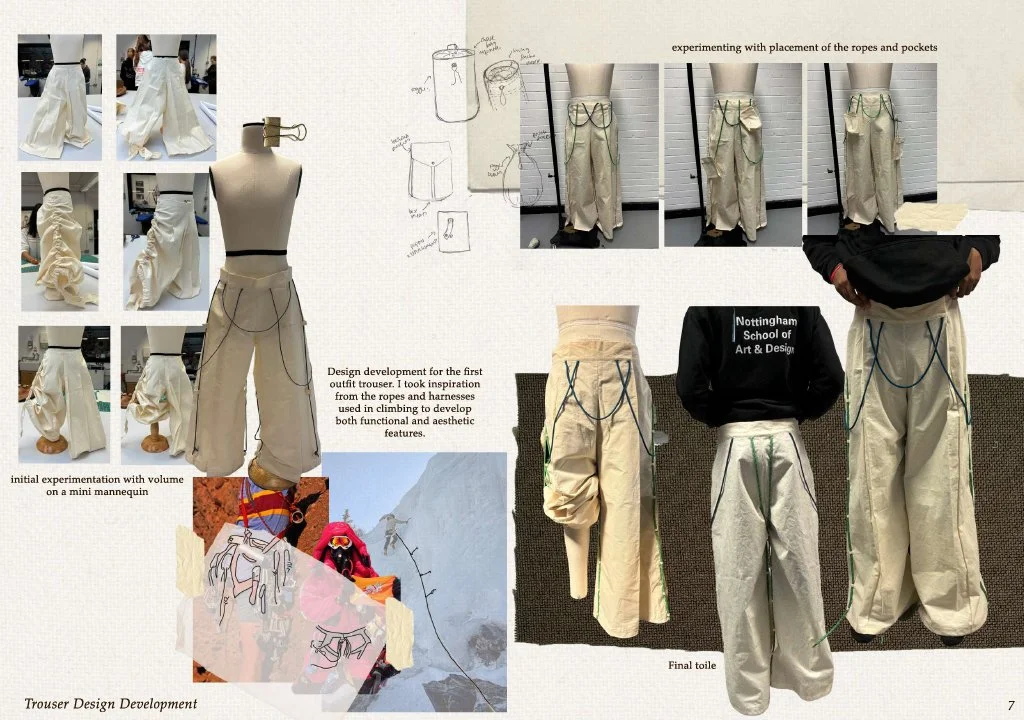
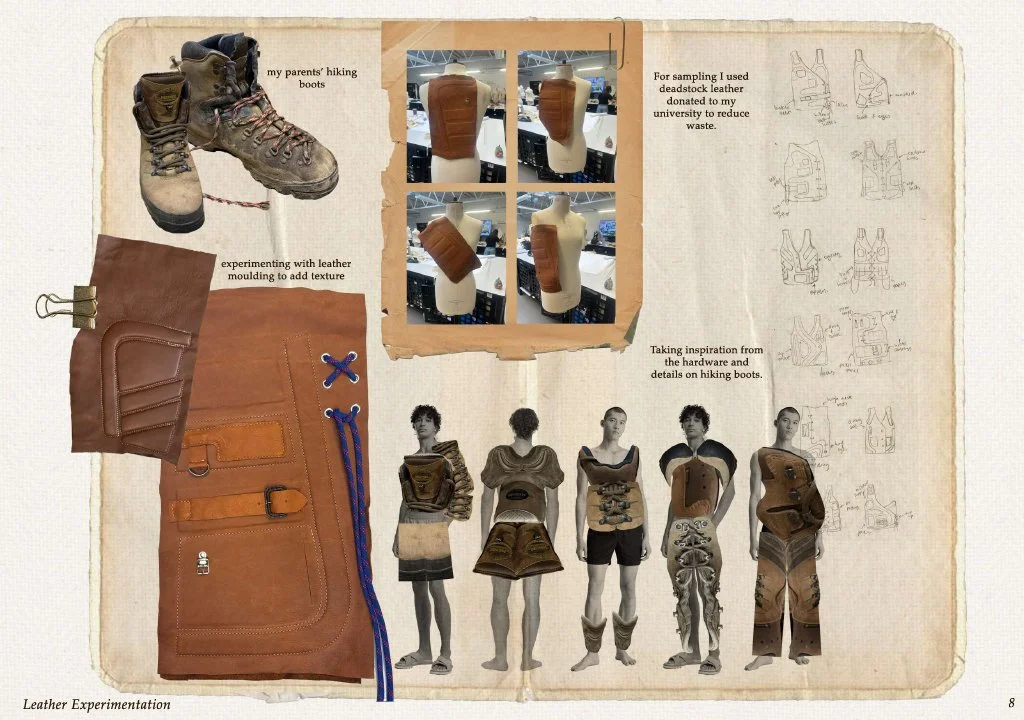
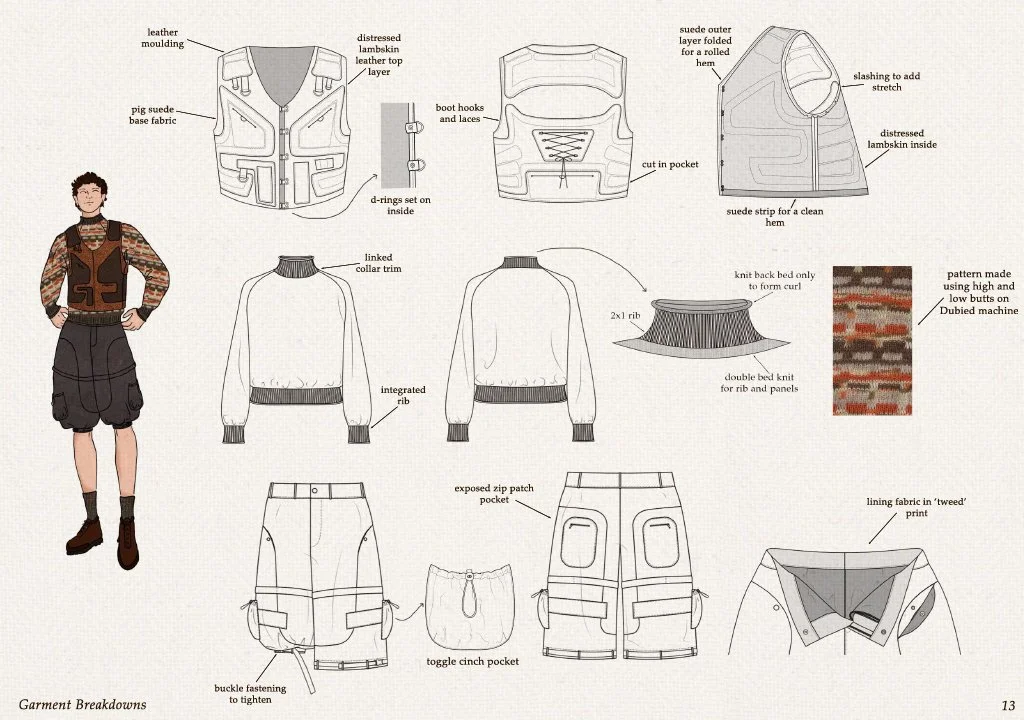
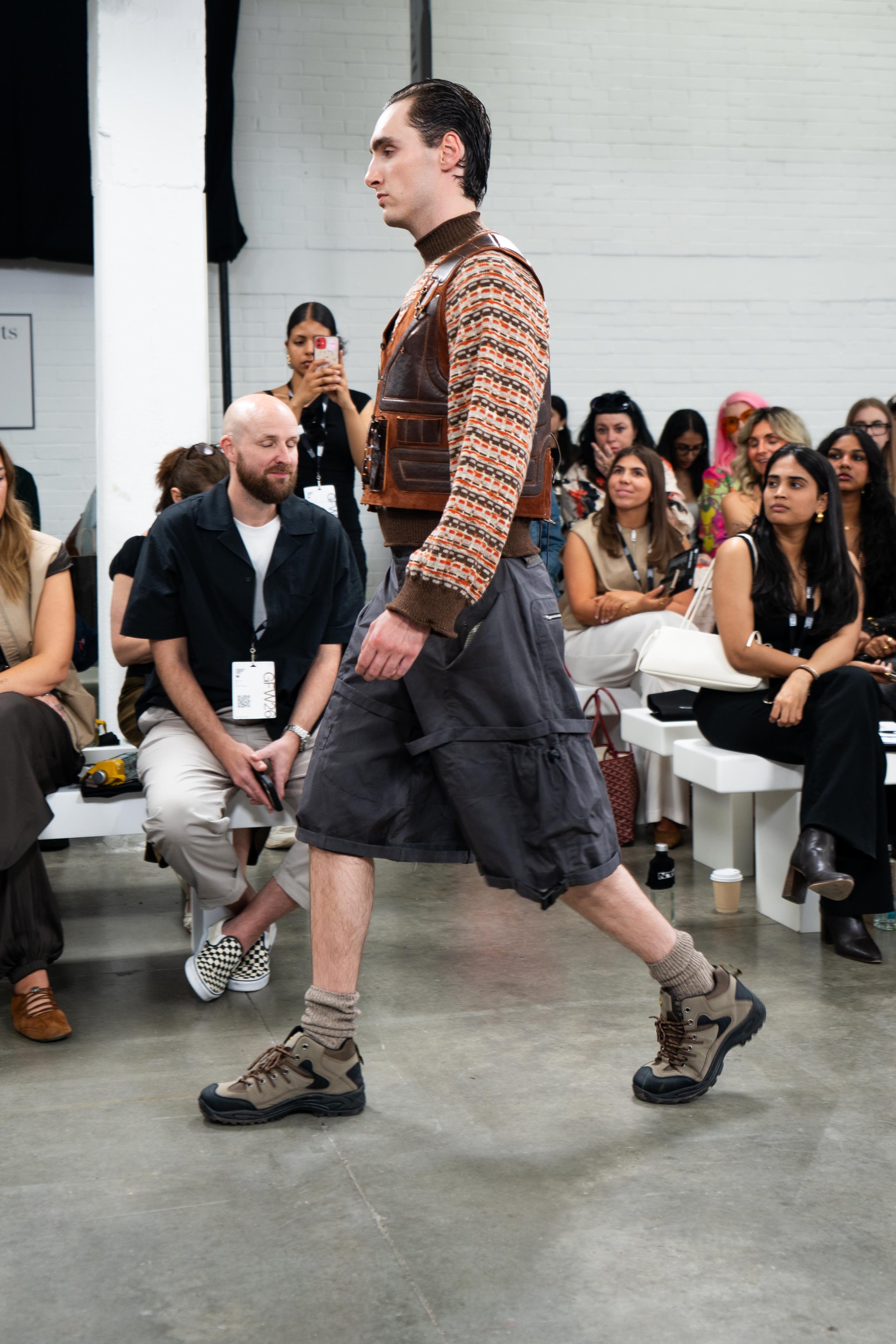
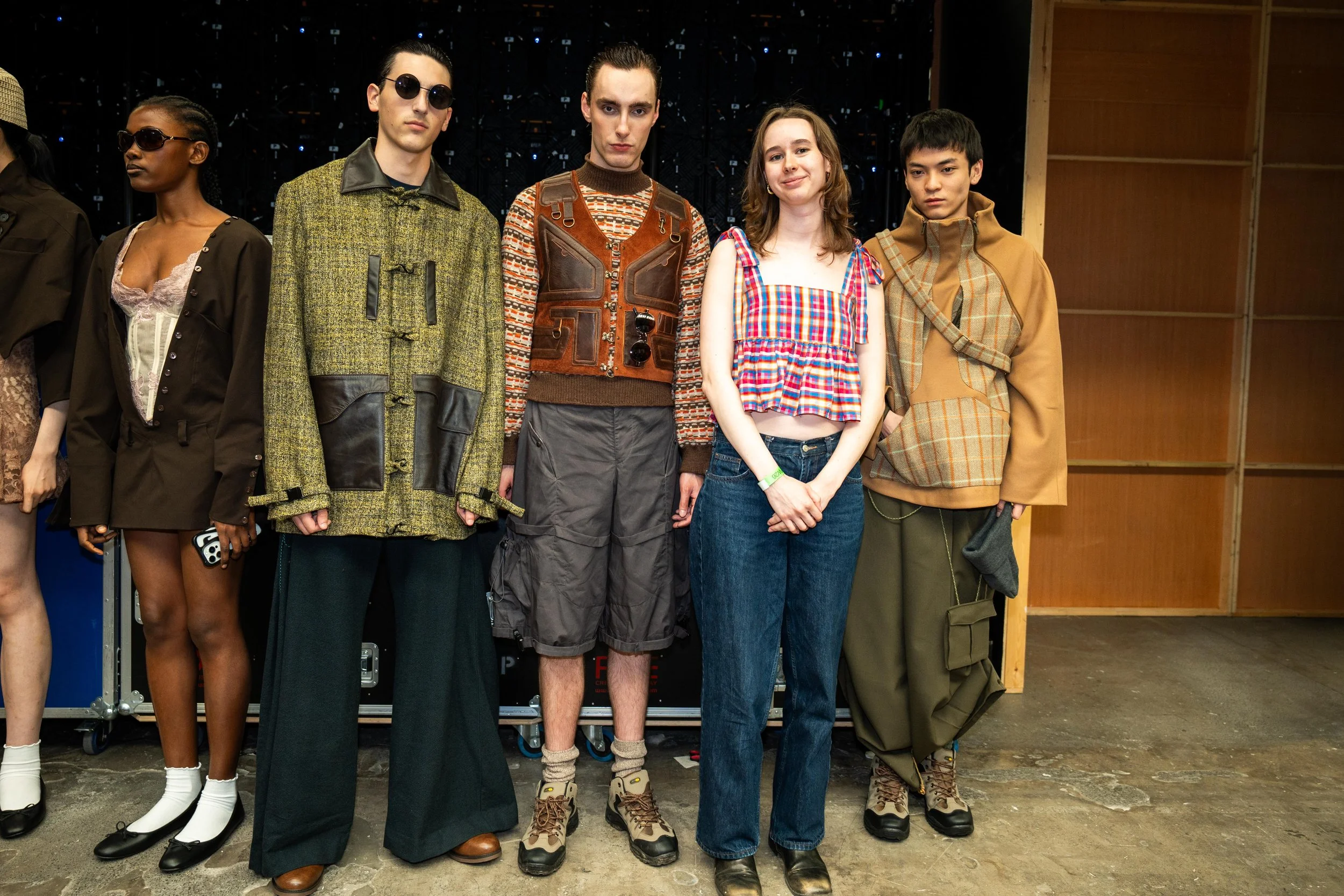
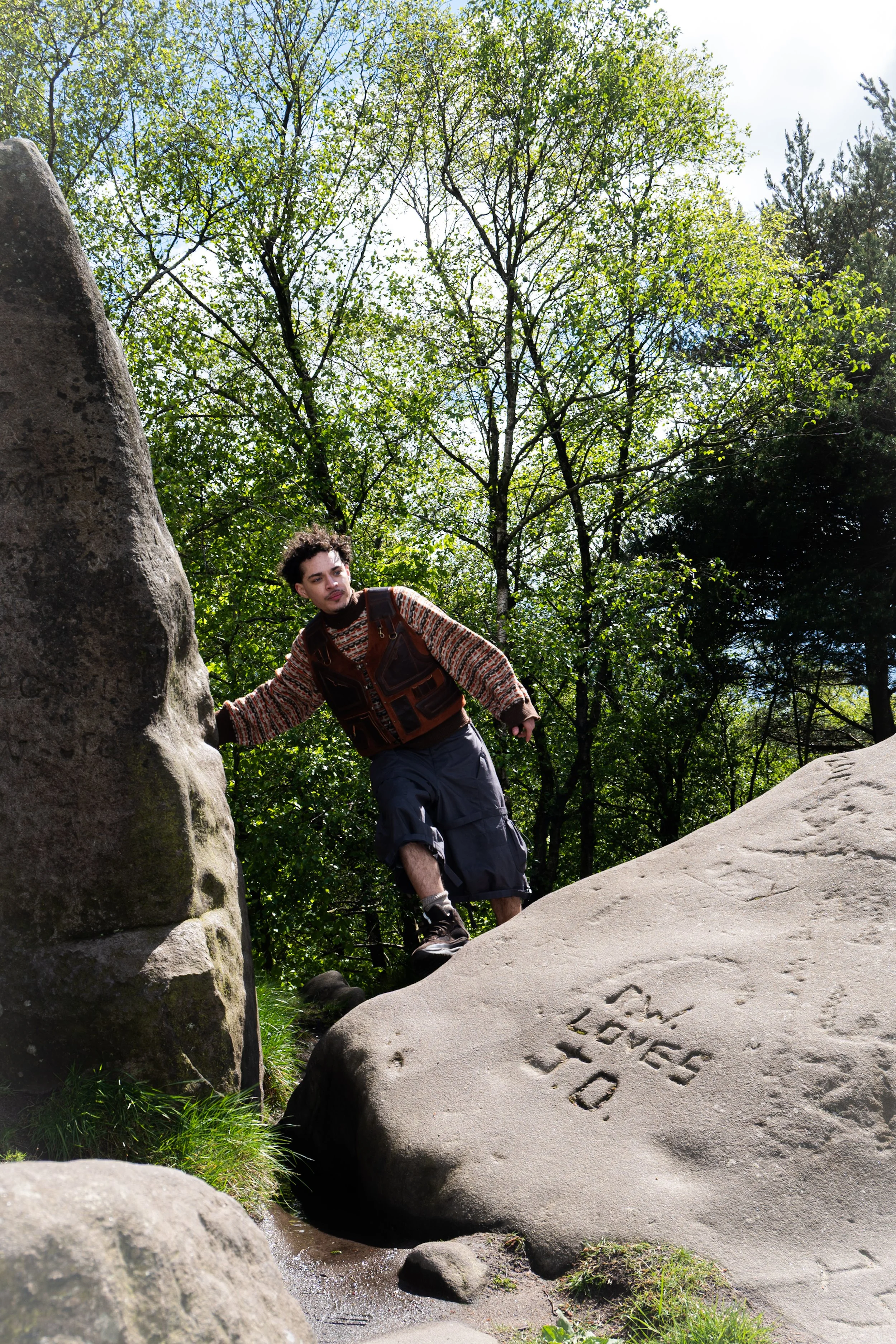
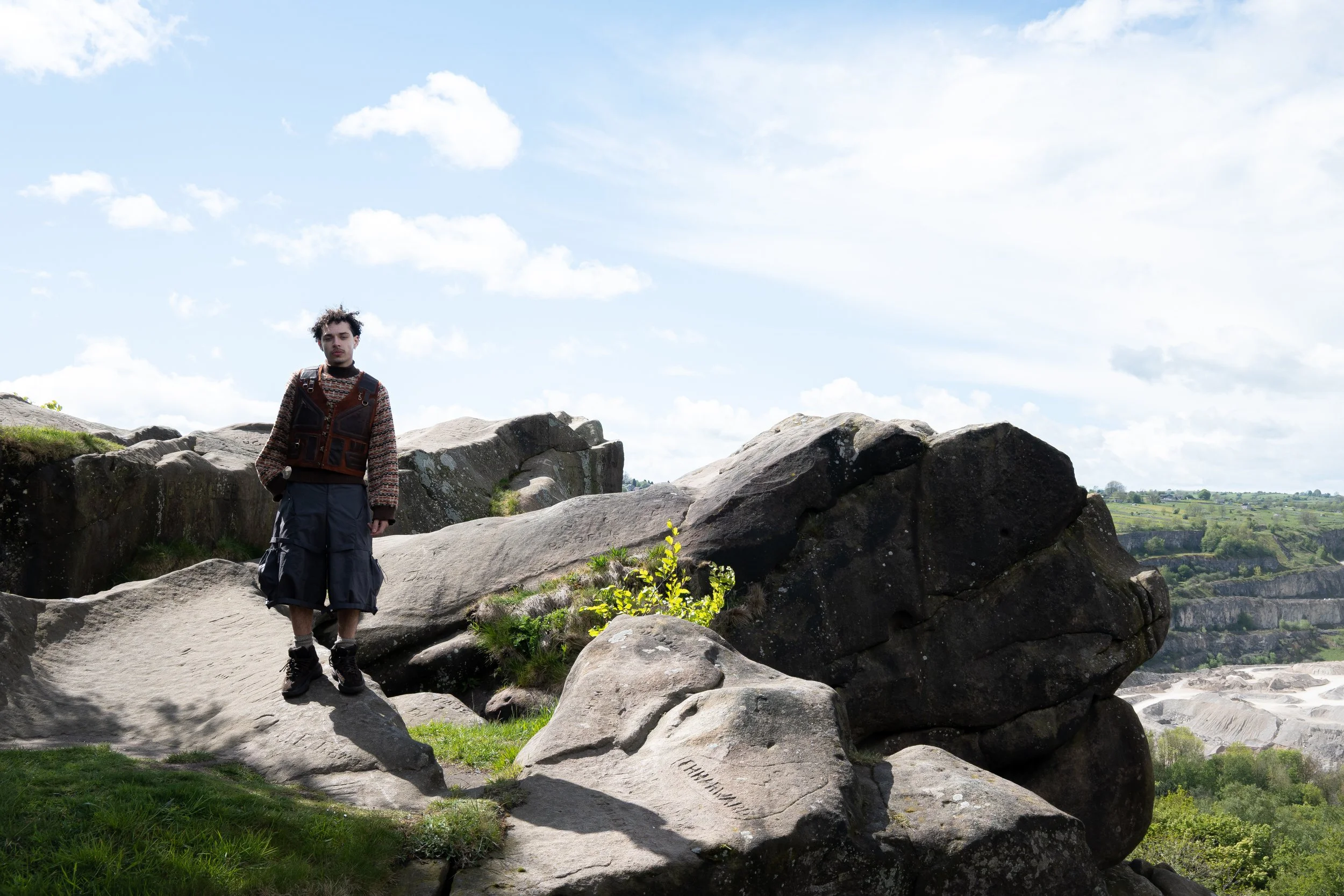
She also loves experimenting with new techniques and skills, as she gets bored easily and is always looking for a new way to work. During her final collection, she tested an ultrasonic welder, developed her leather skills and experimented with knitting on a Dubied machine, ensuring she never ran out of new things to explore. Ultimately, this reflects Heather’s approach to design: she is always looking for the next challenge and a new skill to learn.
“I really enjoyed the judging process, It was a really wonderful conversation with industry experts in something that I’m really interested in and it was incredible to hear about the achievements that they have made. ”
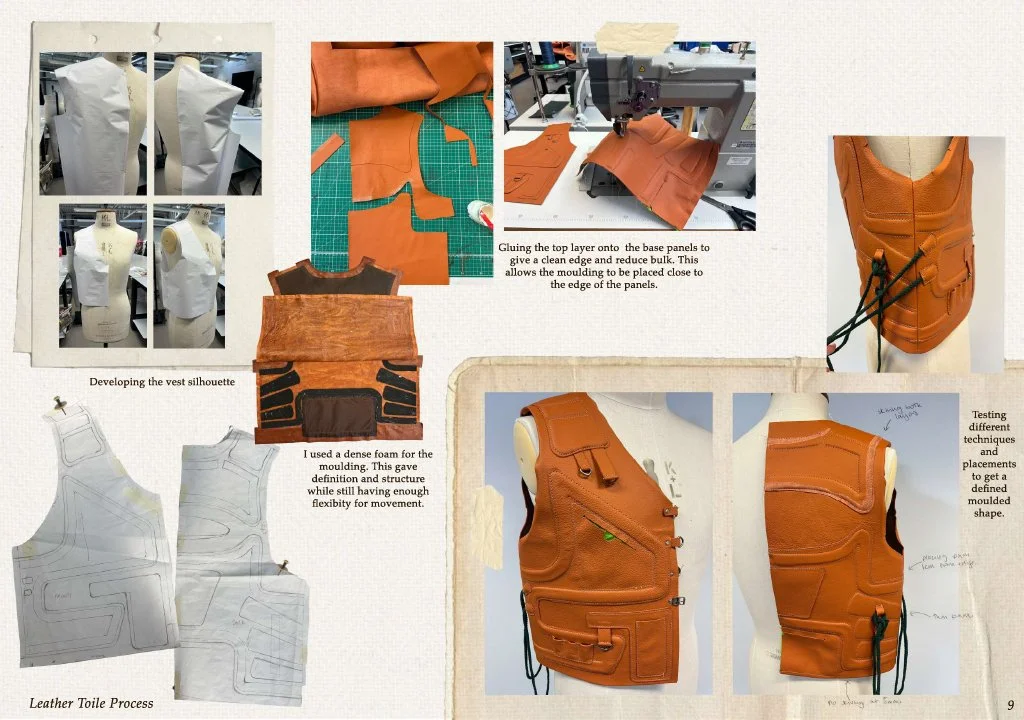
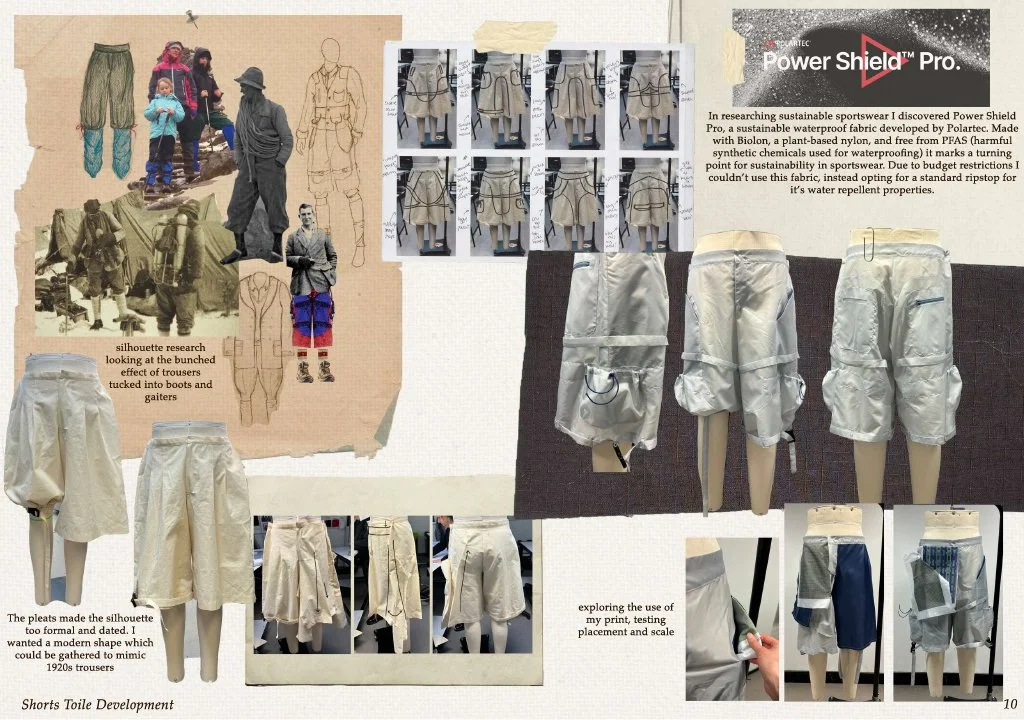
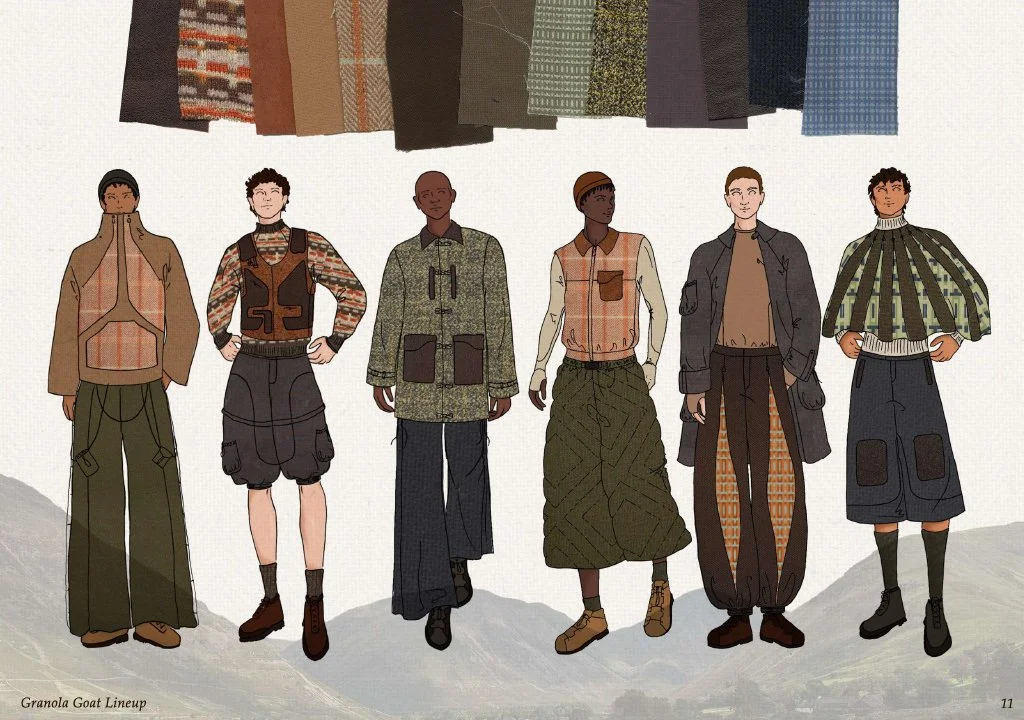
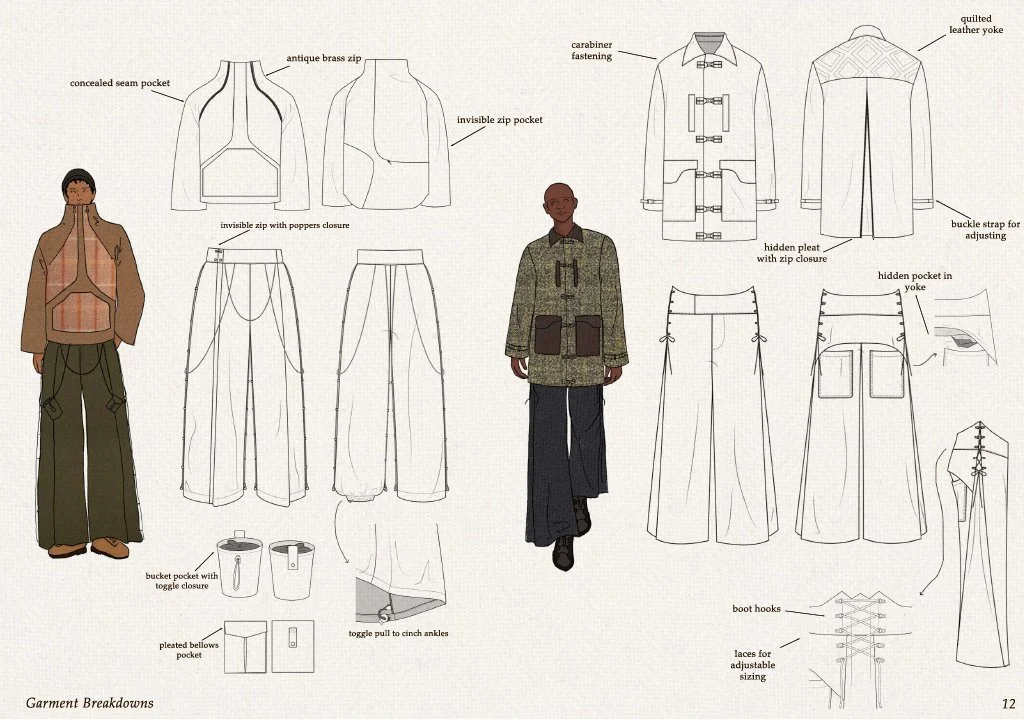
What unexpected source influenced your final outcome?
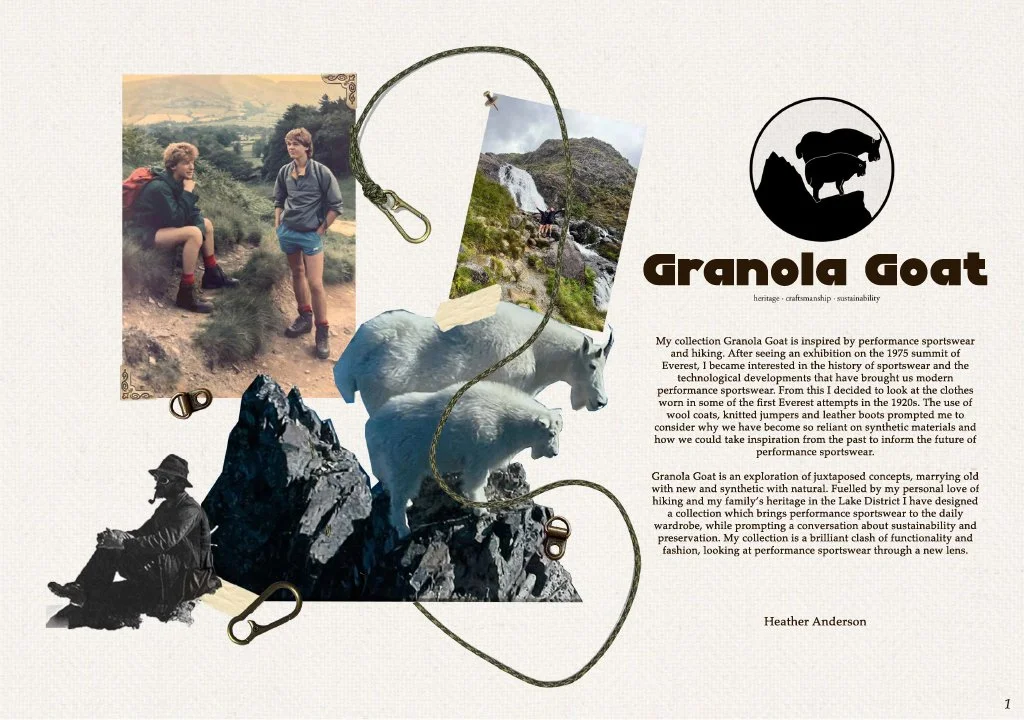
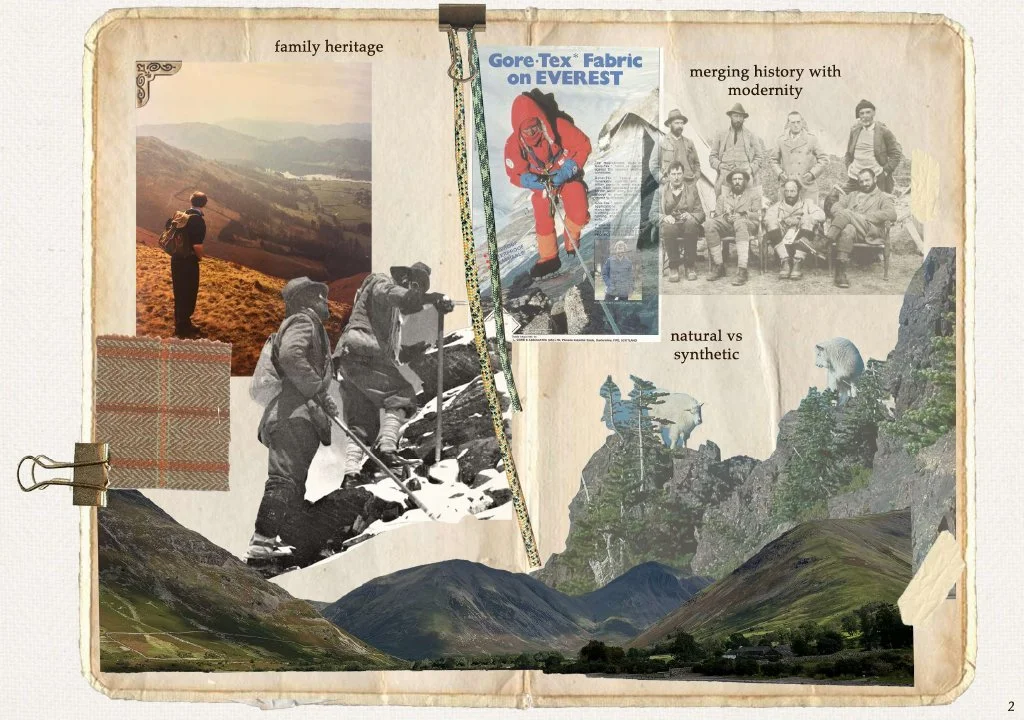
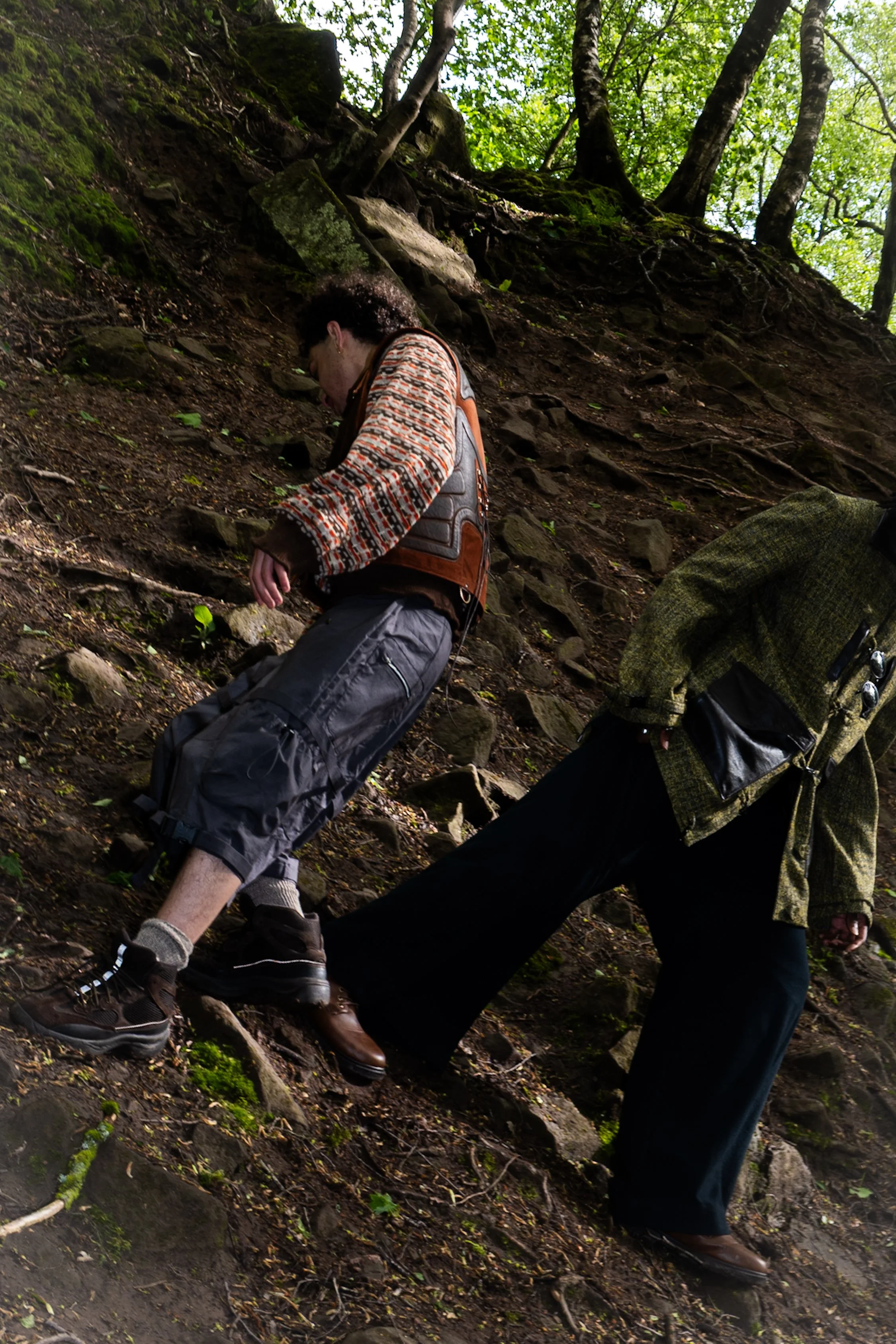
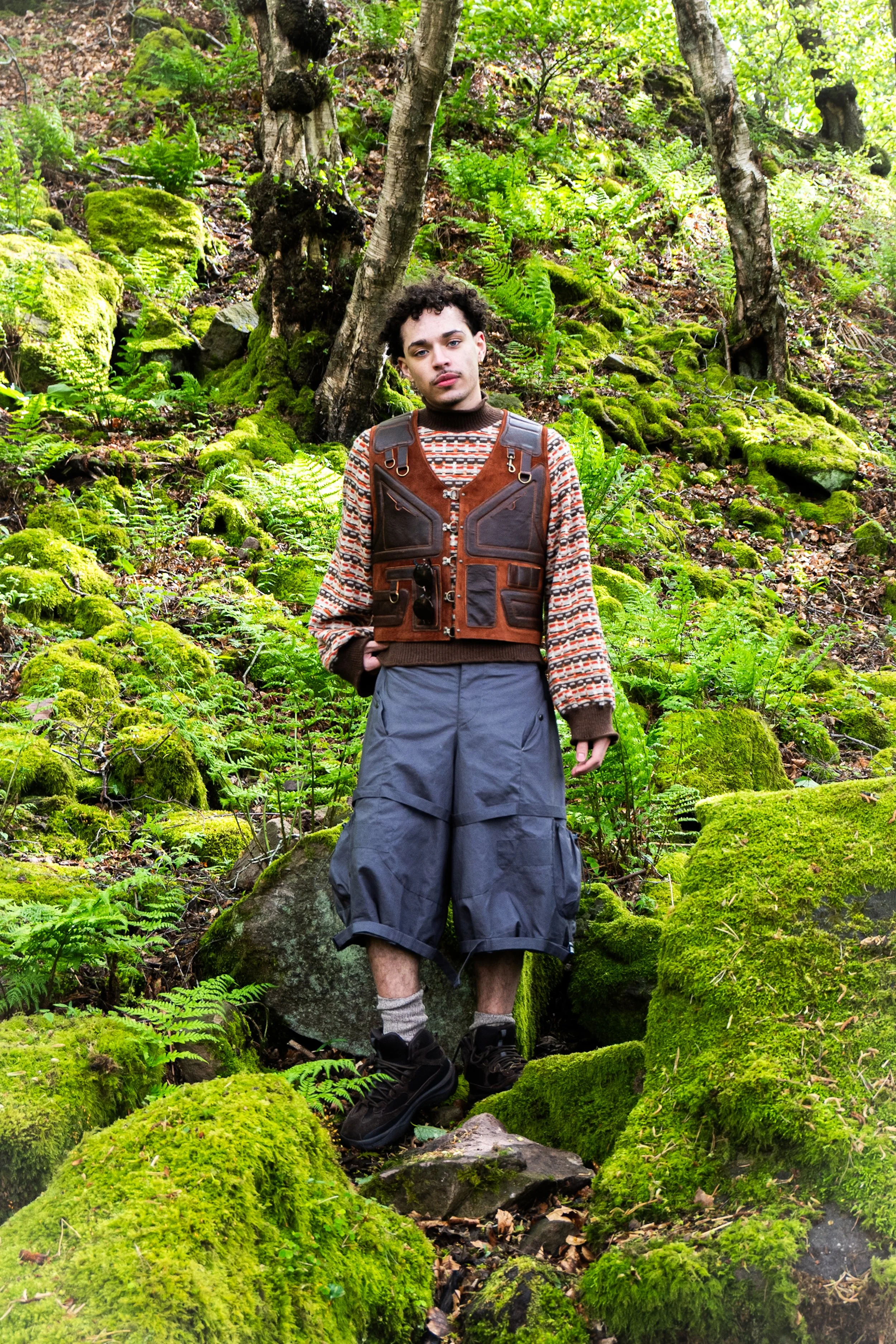
“The idea for my final collection came from an exhibit I went to in the Lake District with my family. A gallery we went to happened to have a small exhibit on the 1975 Everest expedition. The exhibit showcased the snowsuits and pile jumpsuits they wore on Everest and it really interested me, especially as they were the cutting edge of extreme climate sportswear at the time. When I later went shopping for new hiking gear I really started to think about the amount of research, technology and innovation that goes into developing sportswear. Seeing how much more advanced standard hiking wear today is compared to the 70s Everest gear was really striking and got me to look even further back to the 1920s Everest attempts. I became really interested in the evolution of sportswear and the clear shift from natural to synthetic materials. ”
What’s the best piece of creative advice you’ve ever received?
“Work exhaustively and don’t overthink it. I would often get stuck in my head trying to get a perfect design on the first try, but once I realised I needed to let go and scribble down all my random thoughts I really started to make progress. I worked on trying to get as much out of each idea as possible, generating a bank of weird and ‘failed’ designs. Letting go of the need for perfection was a hard skill to learn but it changed my practice for the better. You get so much more out of an idea that has failed than from not trying at all. ”
How would you describe your creative voice in three words?
“Heritage, craftsmanship, sustainability”
What kind of impact do you hope your work has beyond aesthetics?
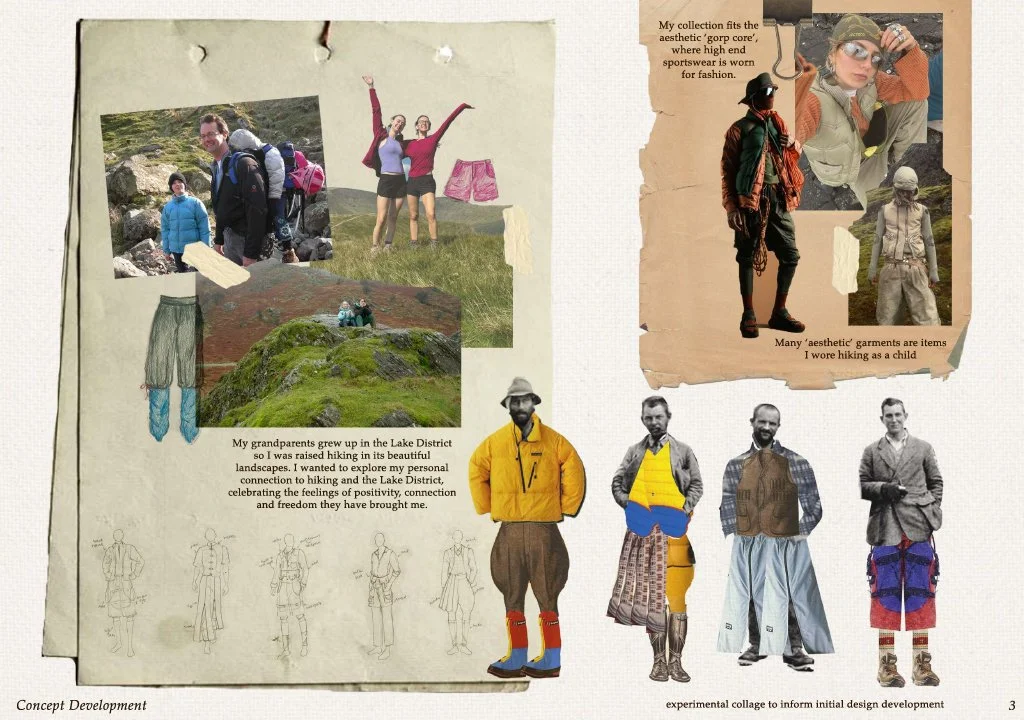
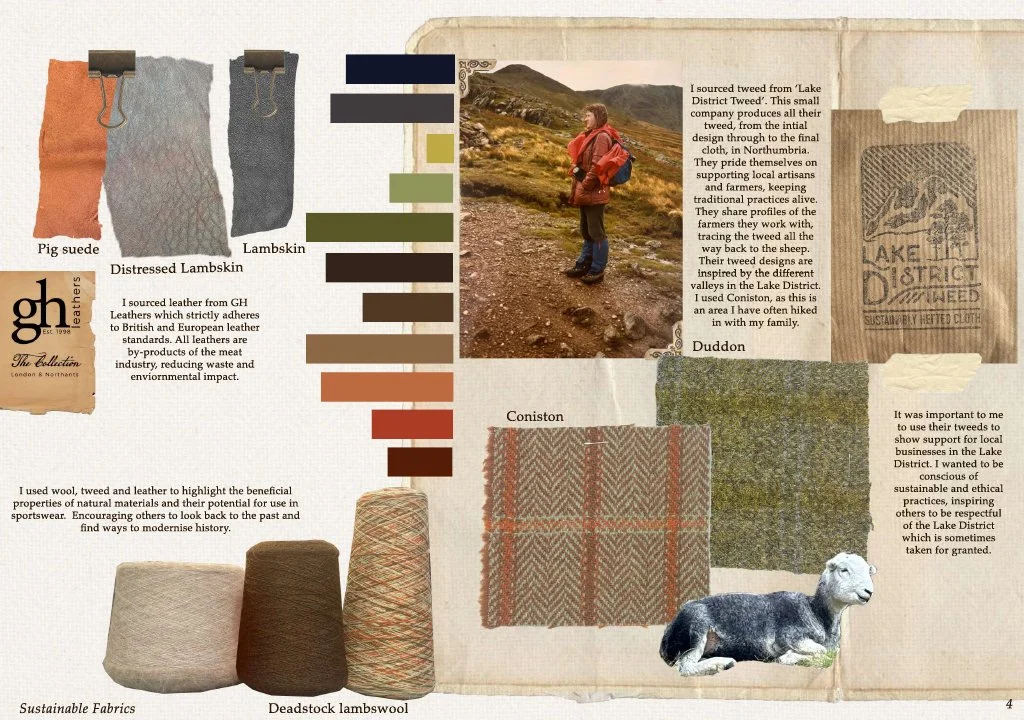
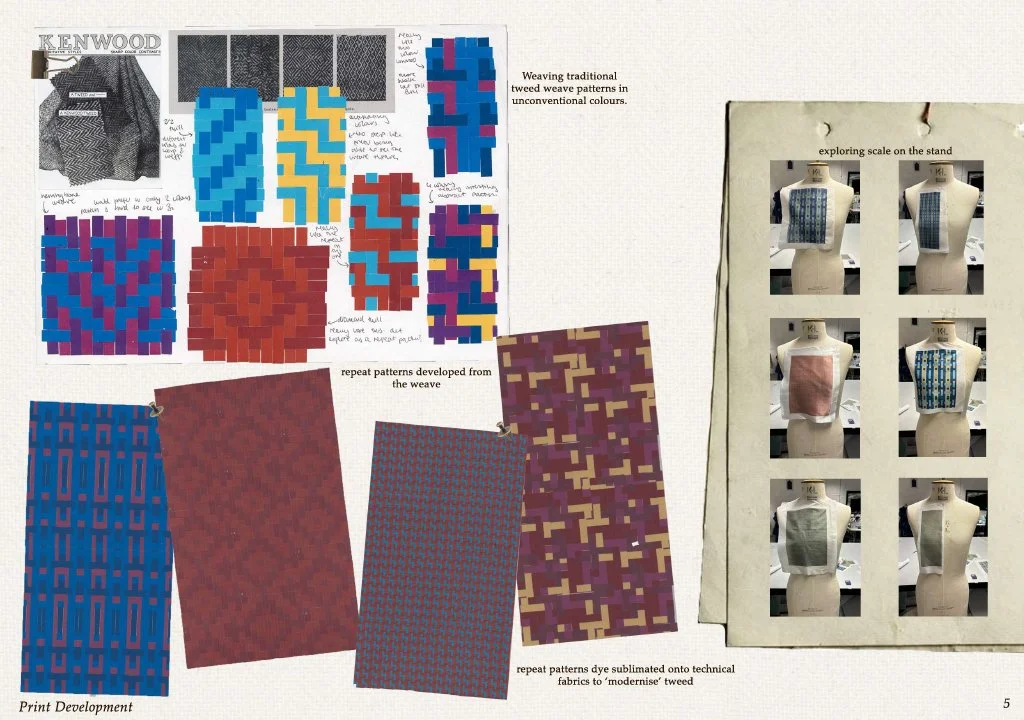
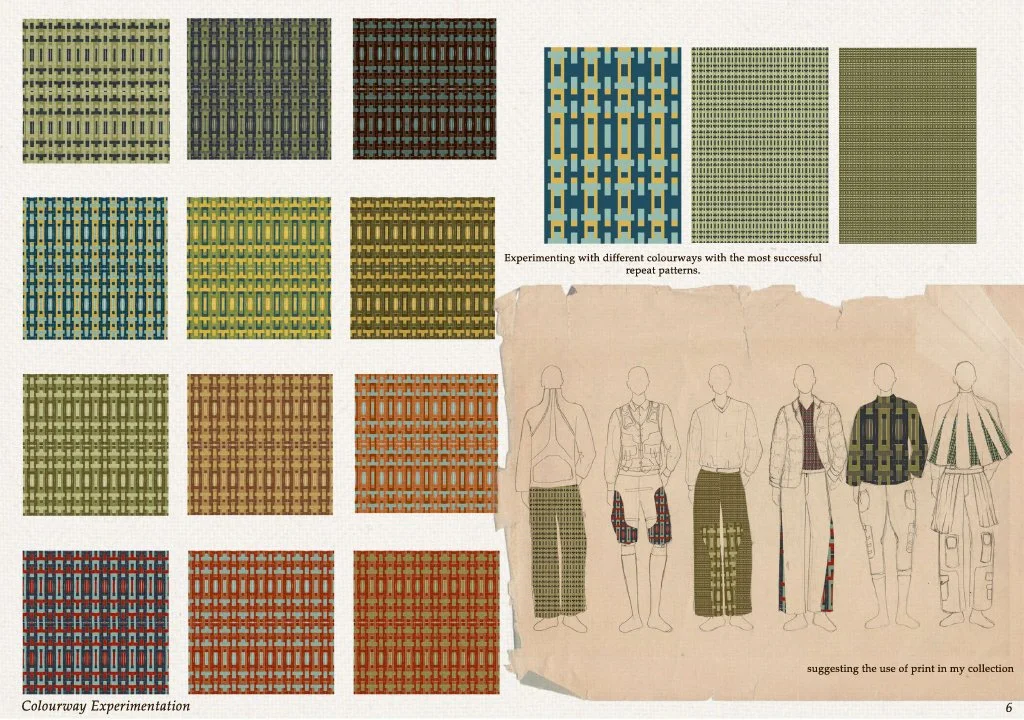
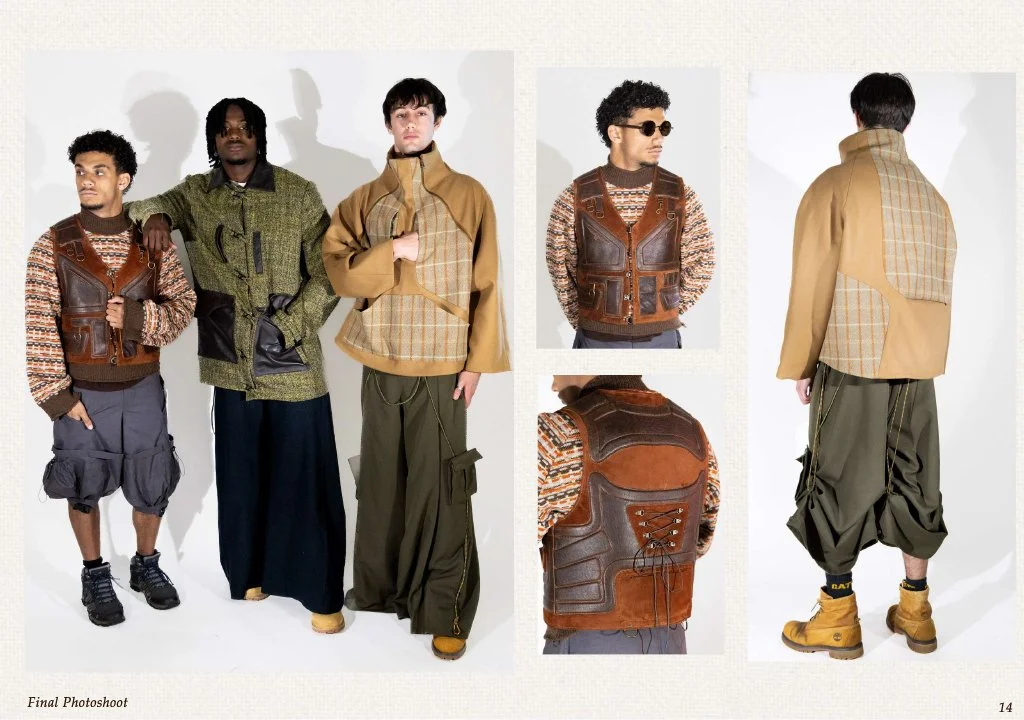
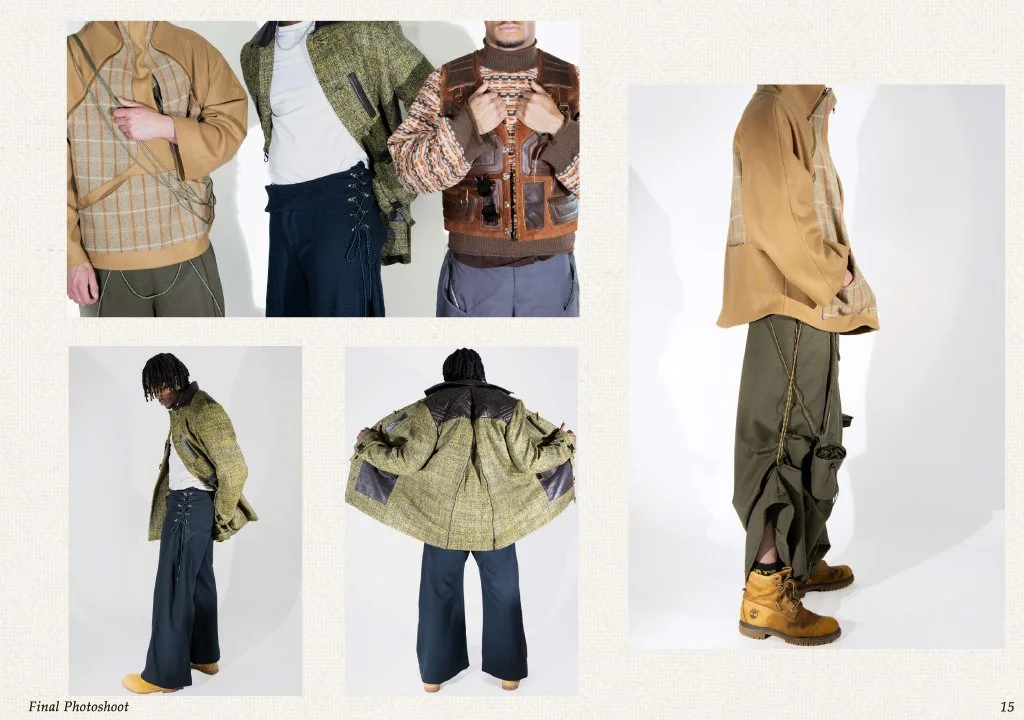
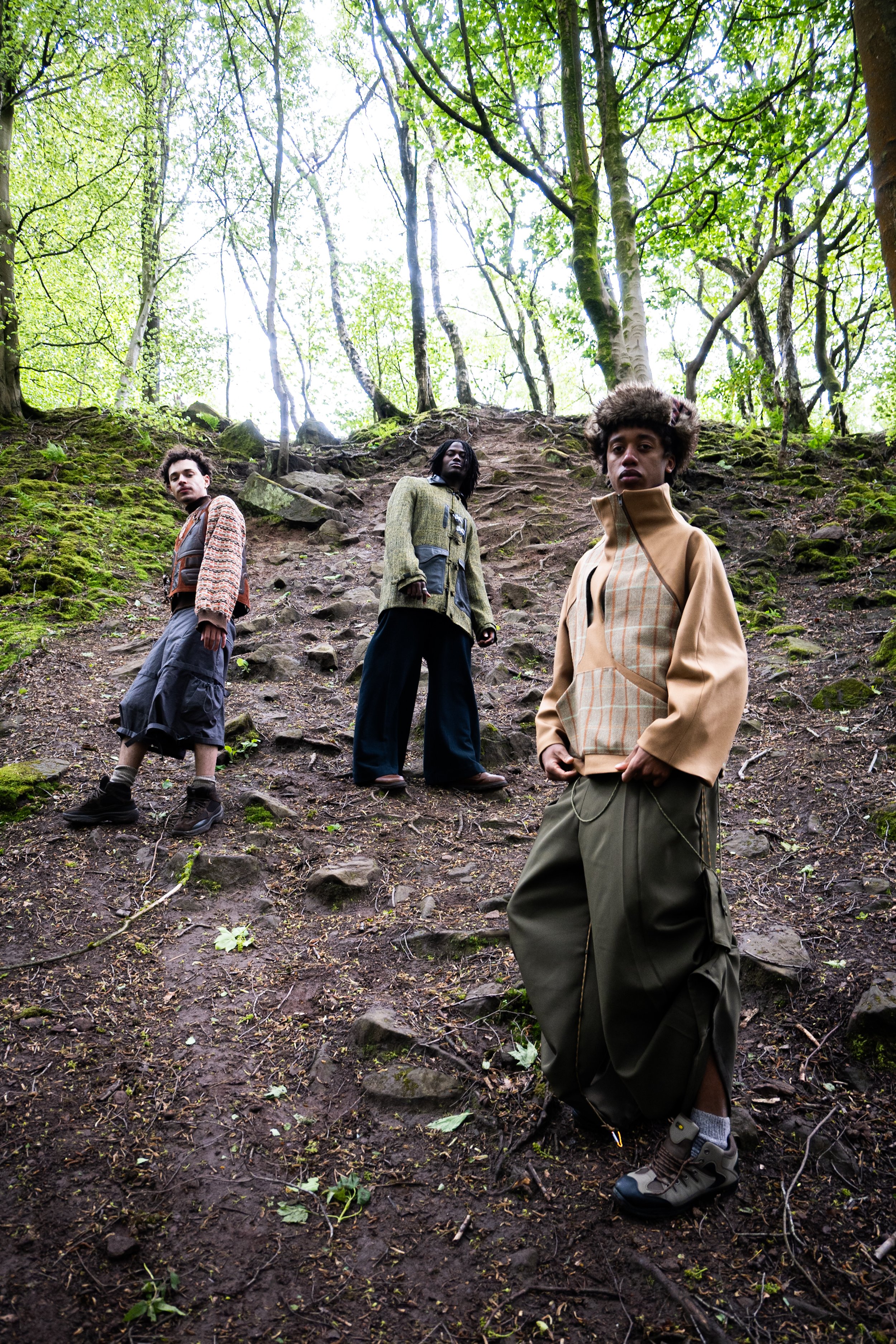
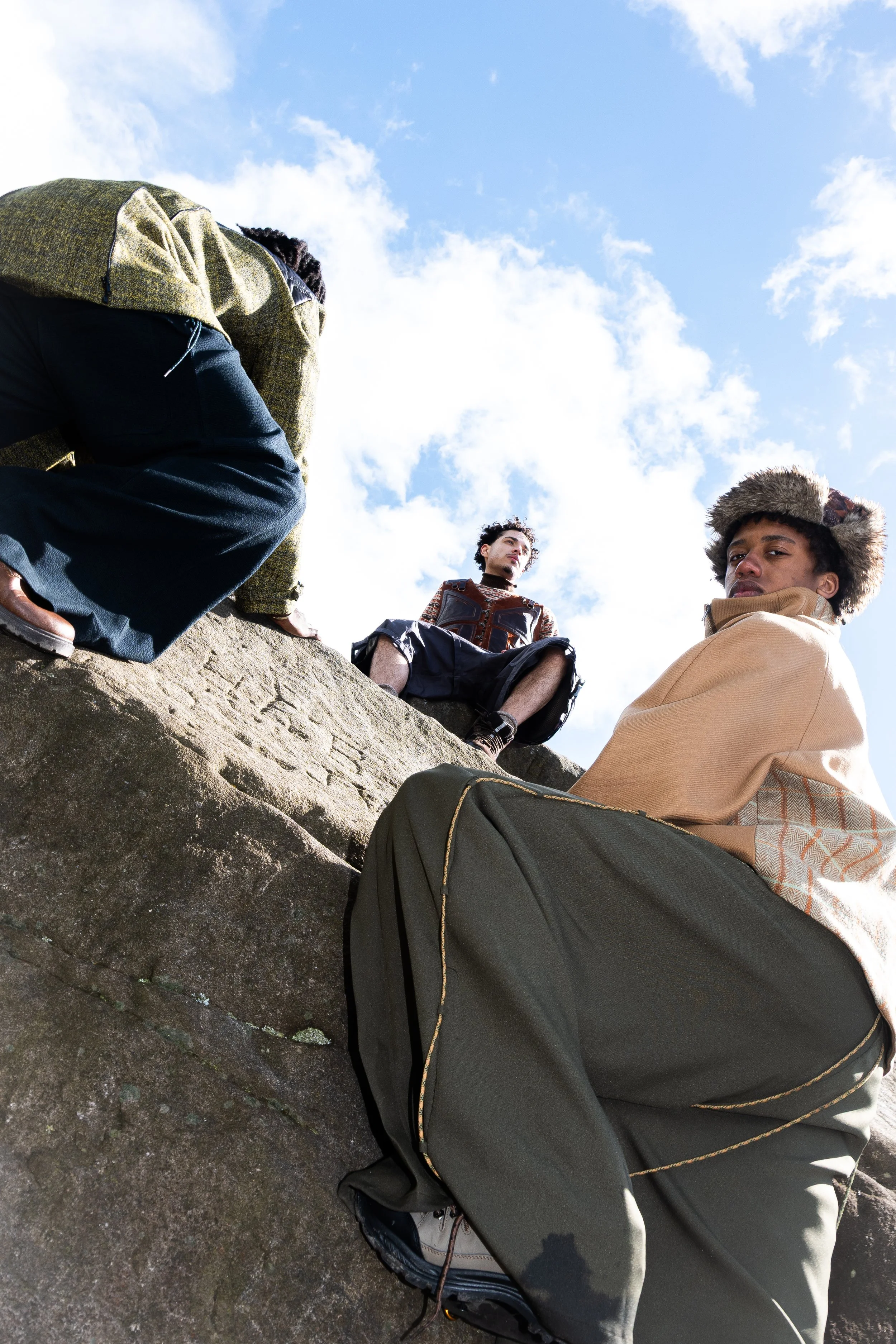
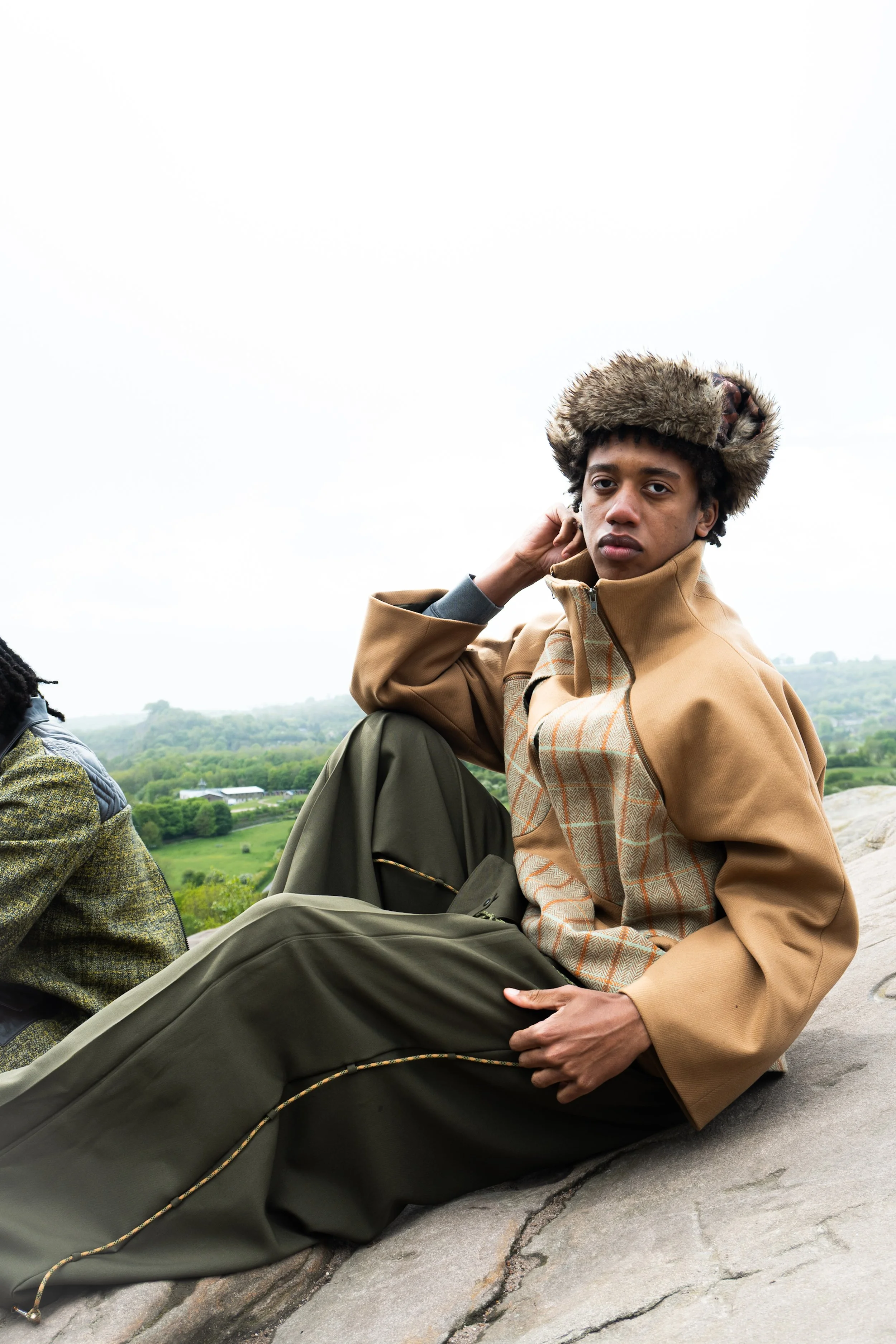
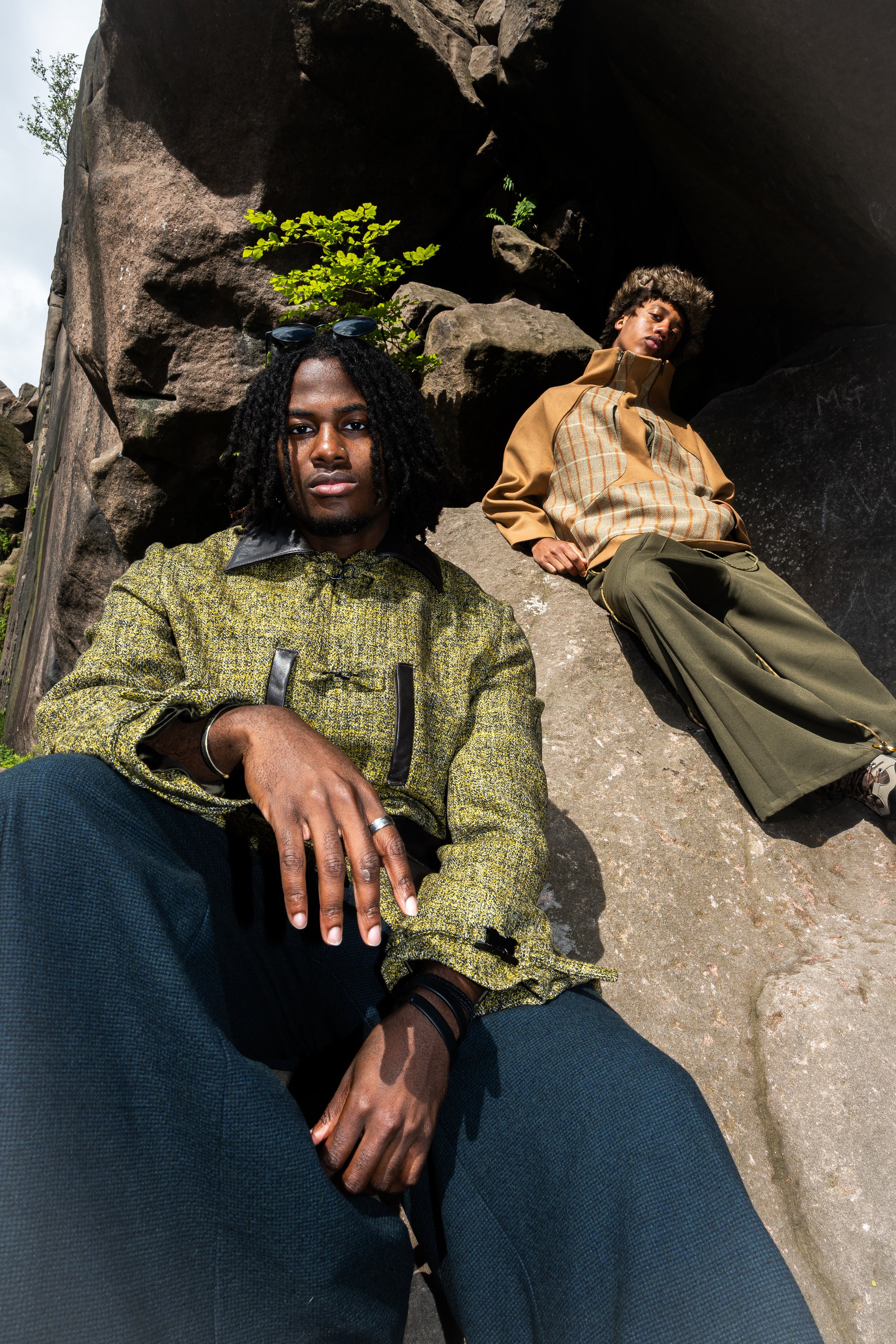
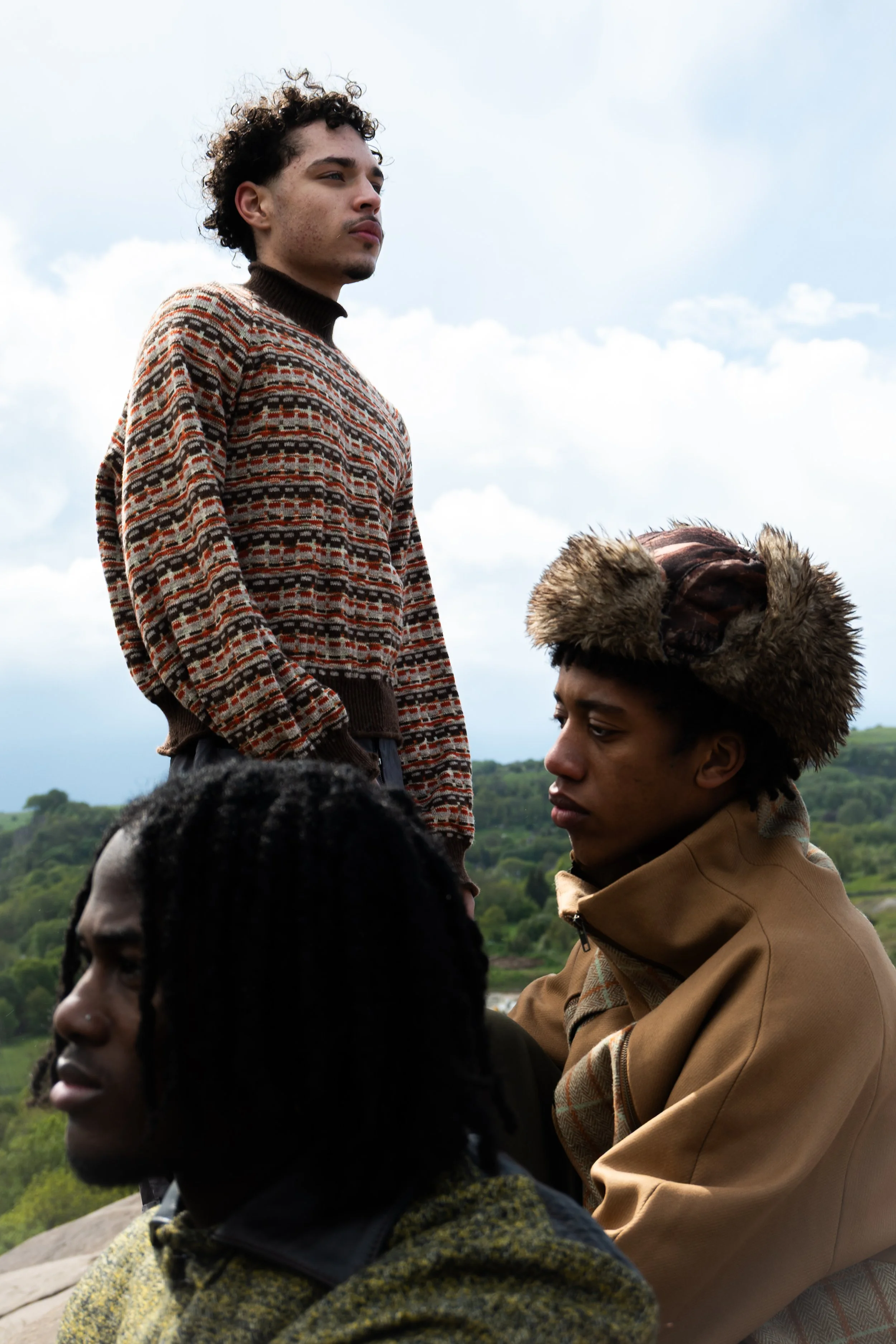
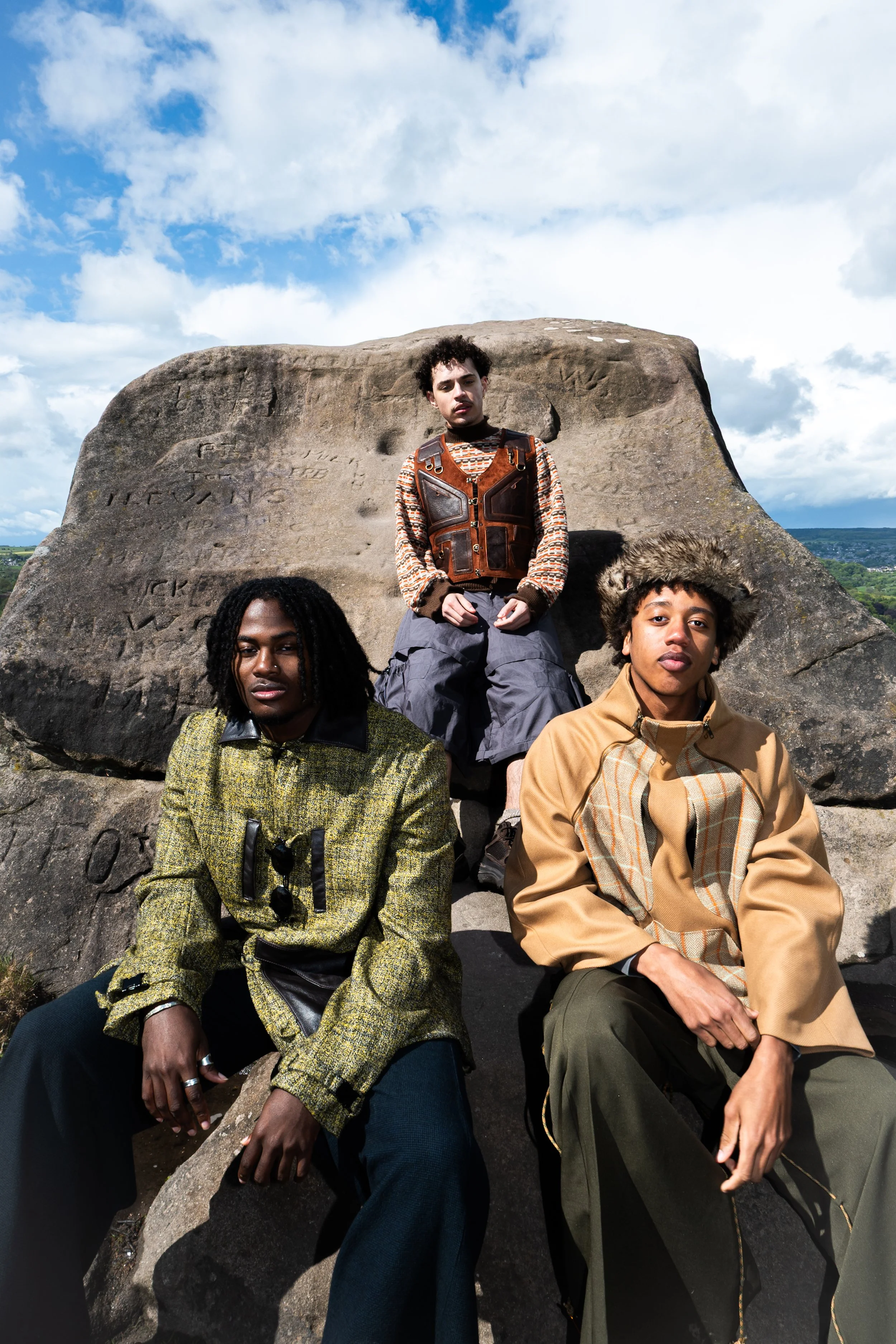
“I hope that my work gets people thinking about sustainability in sportswear and encourages a respect for our natural environments. With a lot of inspiration coming from my family heritage in the Lake District I wanted to bring attention back to our natural landscapes. I feel that places like the Lake District are sometimes taken for granted, but we should do our best to give back and respect places that can bring us so much joy. I put a lot of focus on a tweed I sourced from Lake District Tweeds, a company that focuses on supporting farmers, artisans and infrastructure in the North West of England. It felt really special to use fabric that had been carefully made to bring life back to a fading industry. The Lake District has given me so much over the years so I wanted to find a way to support it and get others interested in traceability, sourcing locally and understanding where their clothes really come from. ”
Which designer, artist or creative would you most like to show your work to?
“I would love to show my work to Robert Wun. He creates such breathtaking pieces which are beautifully constructed, I would love to get feedback from him on my collection. I really enjoy the humour and playfulness behind his collections, especially when designing for something as serious and prestigious as haute couture. I feel like the quirky combination of heritage, modernity, sportswear and tailoring would be something he would enjoy. I have so much respect for the craftsmanship that goes into his garments, it would be a dream come true to have him see my collection up-close and share my own passion for handcraft. ”
What advice would you give to a student currently starting their final collection or portfolio?
“Try everything! The best choice I made was making use of every resource offered to me and pushing myself to experiment with new techniques. Working with techniques I wasn’t familiar with forced me to think differently, creating unexpected outcomes and pushing my work in new directions. I feel like this is the best way to explore your design aesthetic and not get stuck in a single way of thinking. It’s also great to change things up when you get bored or lose sight of what you’re doing. Working on one project for a year it’s easy to feel stuck with a creative block, but changing it up and experimenting with something new always gets you back into the creative headspace.”
What conversations do you hope your work starts?
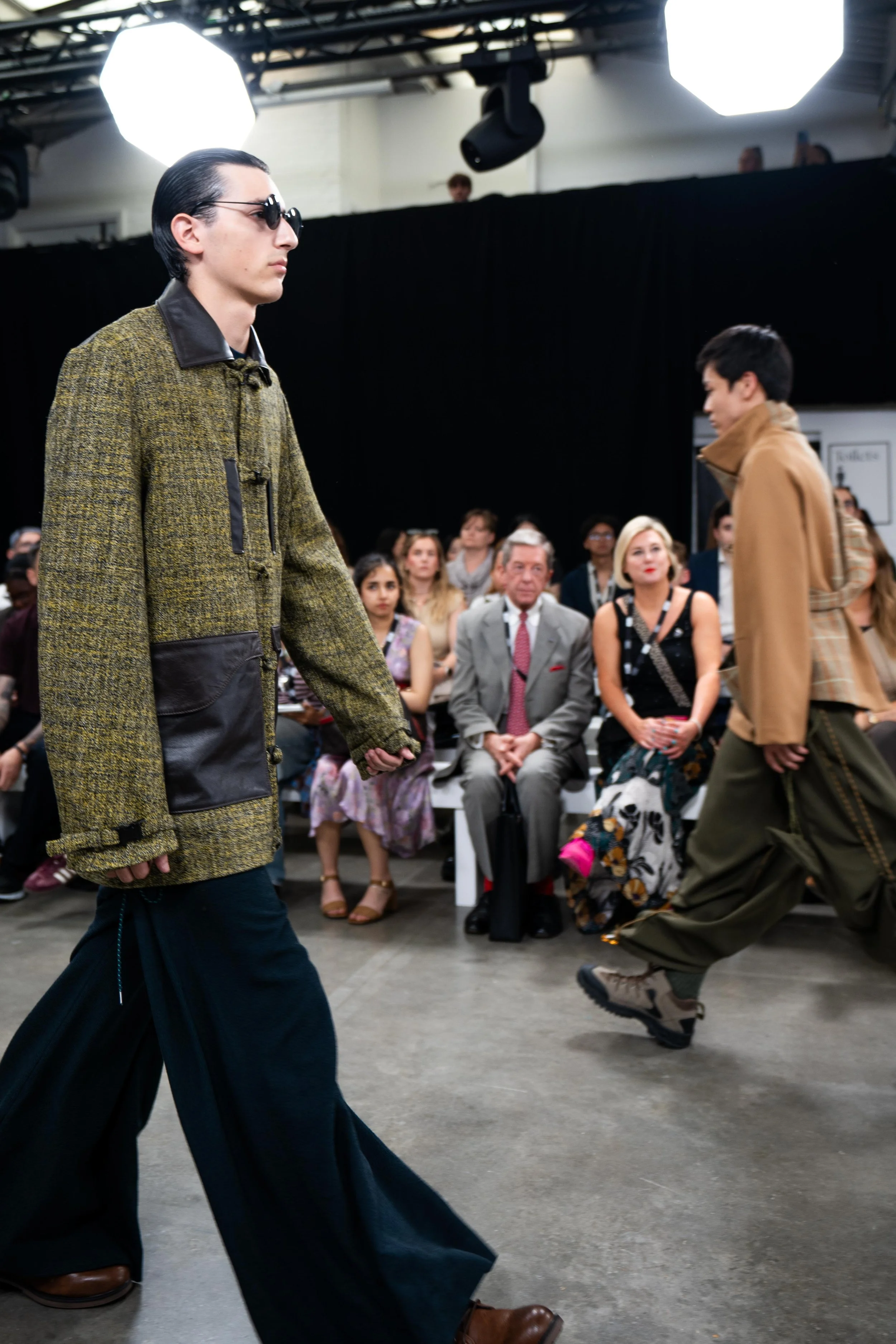
“I hope that my collection starts a conversation about sustainability in sportswear. Over time we have become very reliant on synthetic materials, but there is so much potential for natural alternatives. I wanted my collection to show off the properties and natural beauty of materials such as wool and leather to reengage people with them. Especially as sportswear increasingly becomes a fashion trend I feel like we can move toward natural alternatives as they don’t need to withstand extreme wear for daily use. My collection aimed to work for the gorpcore aesthetic, creating garments that took inspiration from performance sportswear while prioritising more sustainable materials. ”
So what’s next for you after Graduate Fashion Week?
“I am now moving onto the job hunt and finding a career in fashion. I am really keen to keep working hands-on, especially with leather, so I am hoping to find a role in product development. My new found love for leatherwork has opened my eyes to the world of accessory design and even costume, so I am very excited to see what comes next! It has been a longstanding dream of mine to work in an atelier at one of the major fashion houses, so for now I suppose I am throwing myself into the industry and hoping to work my way up into the career meant for me.”
