
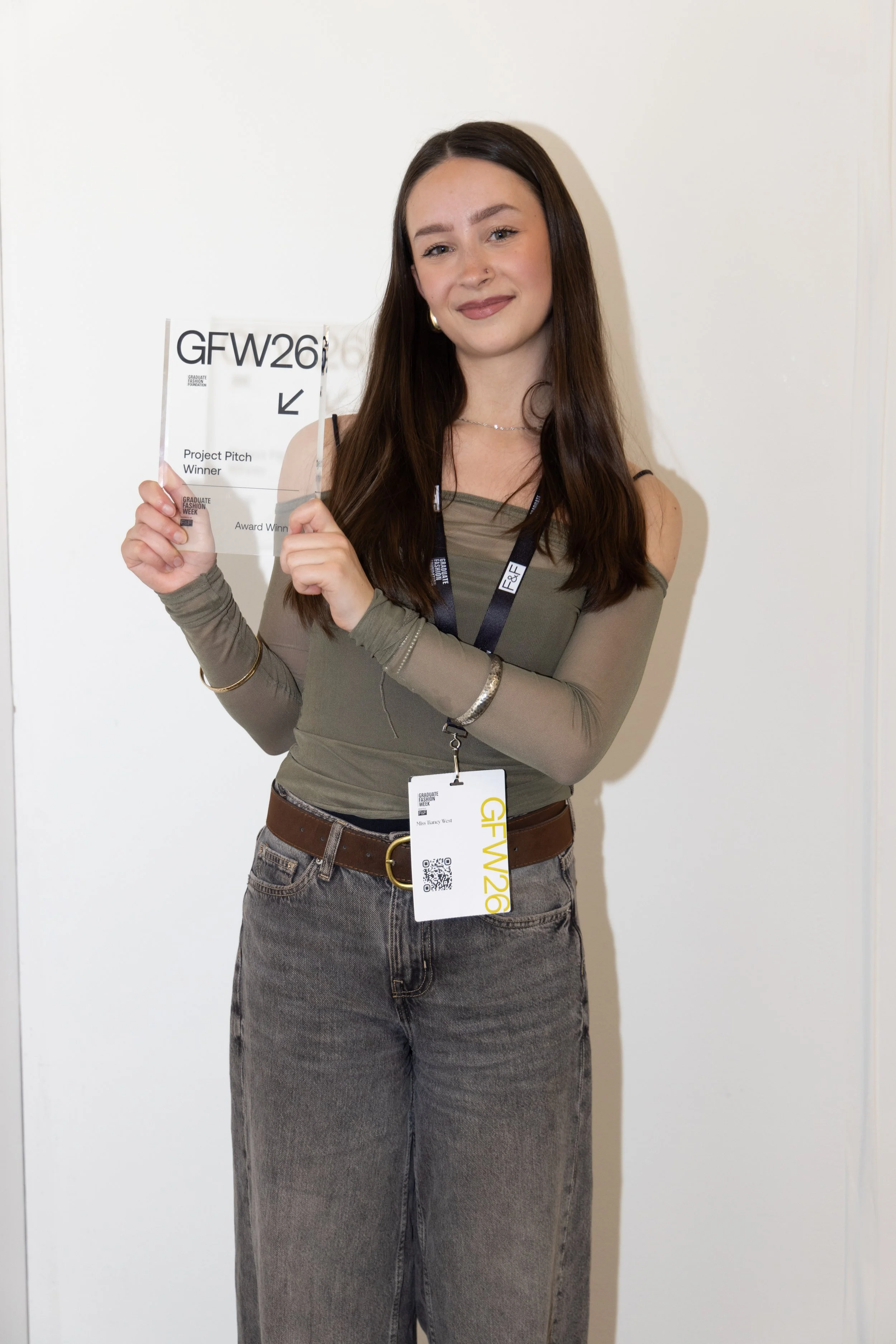
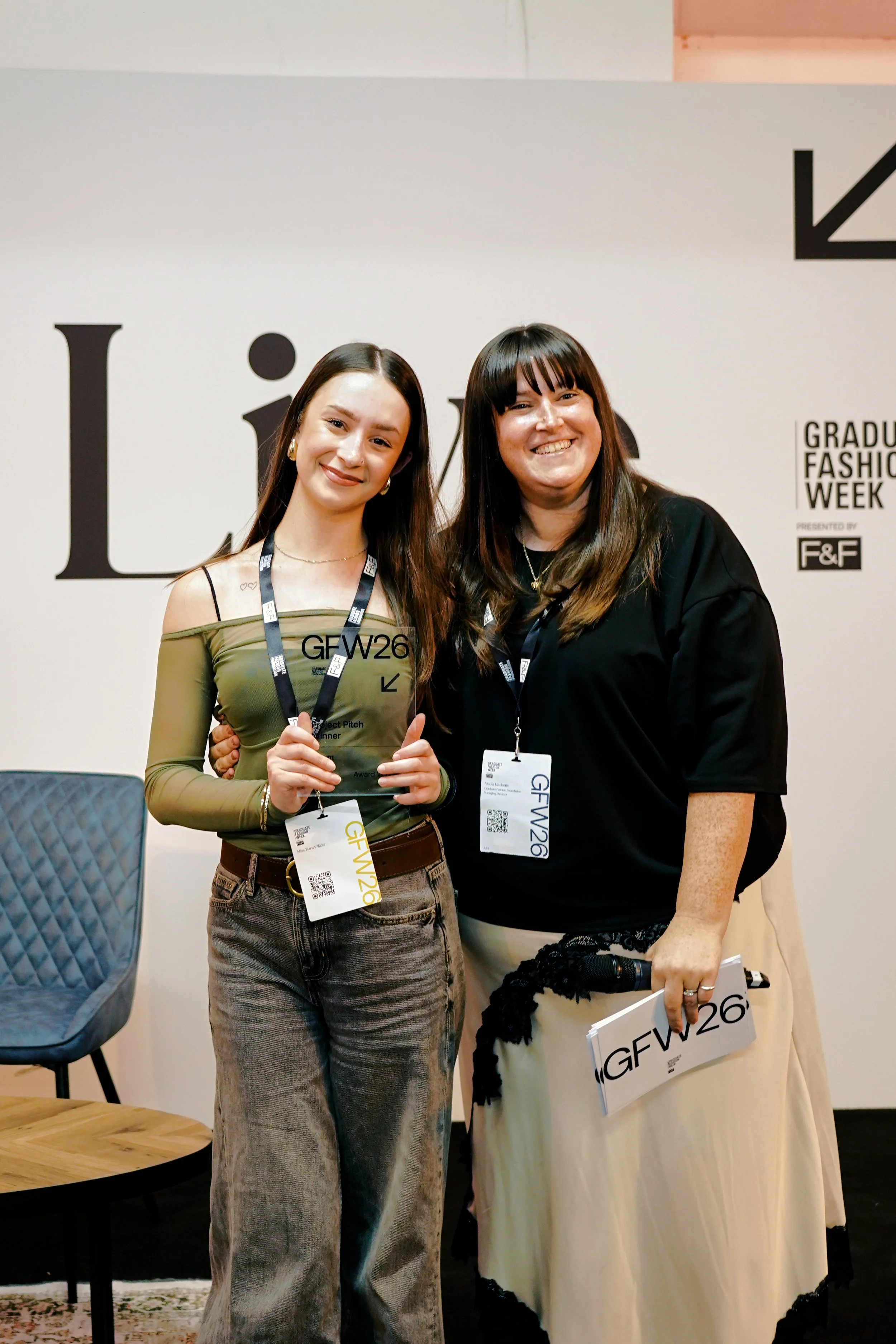
An Interview with the winner of the Project Pitch Fashion Marketing Award 2026: Tianey West from Southampton Solent University
Tianey West is a recent graduate from Southampton Solent University with a First Class Honours in Fashion Management with Marketing. She explains how her creative process always begins with people, she is driven by a desire to understand how others feel, what motivates them, and the stories that often go unnoticed. Whether developing a campaign or creating a fashion concept, Tianey starts by asking, "Who am I creating this for, and what do they need in this moment?" rather than, "What can I create that stands out?" This approach grounds her work in real-life experiences, with research playing a central role in listening to different perspectives. From there, creativity becomes a way to reflect those experiences, allowing her to develop ideas that are visually engaging whilst still remaining authentic and meaningful to the people they are designed for.
What unexpected source influenced your final outcome?
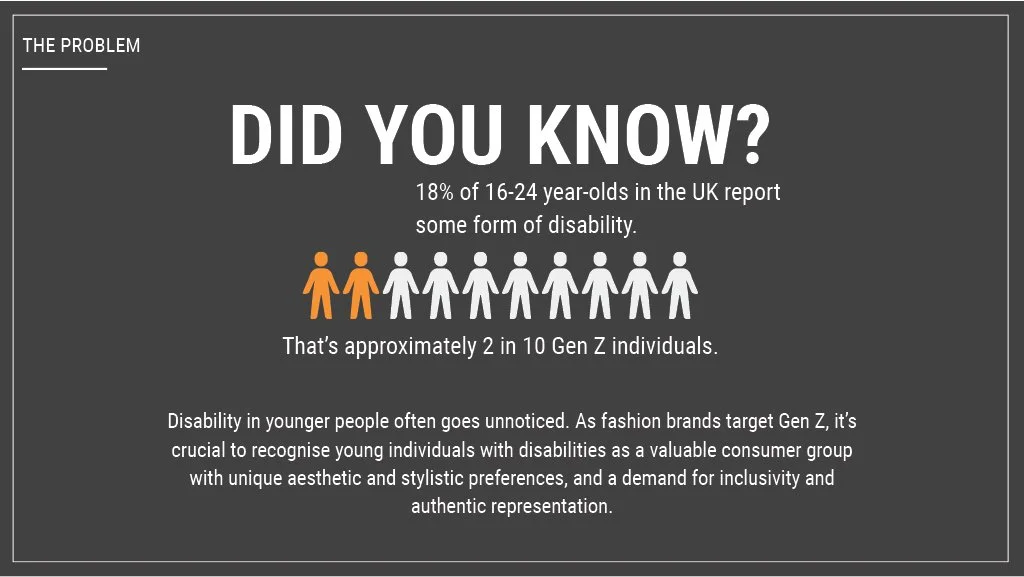
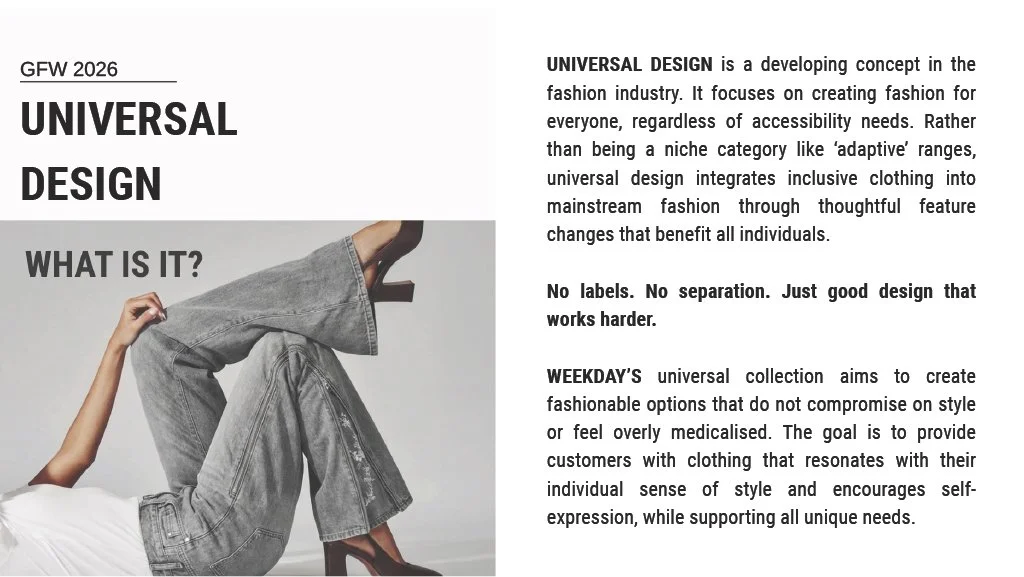
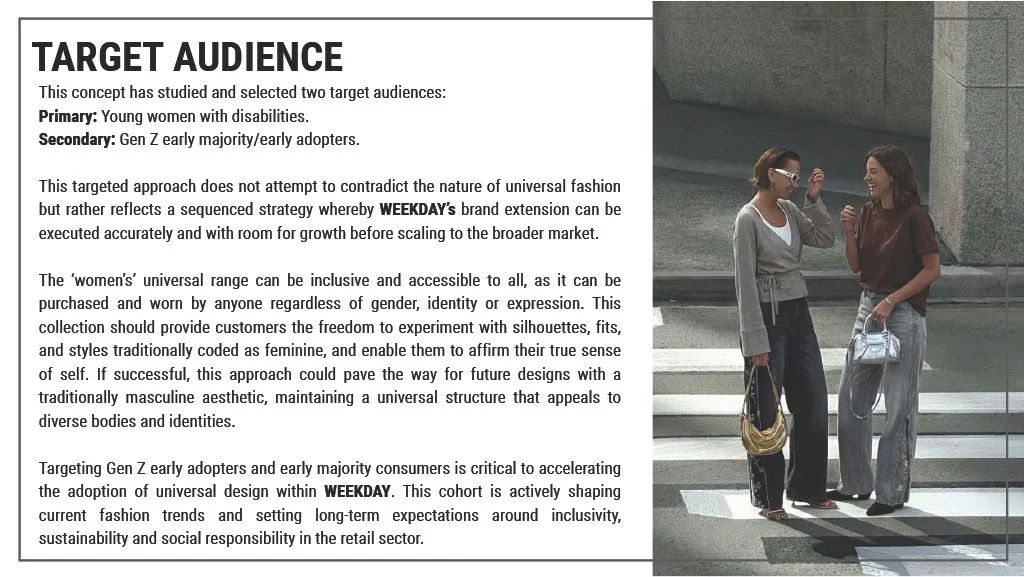
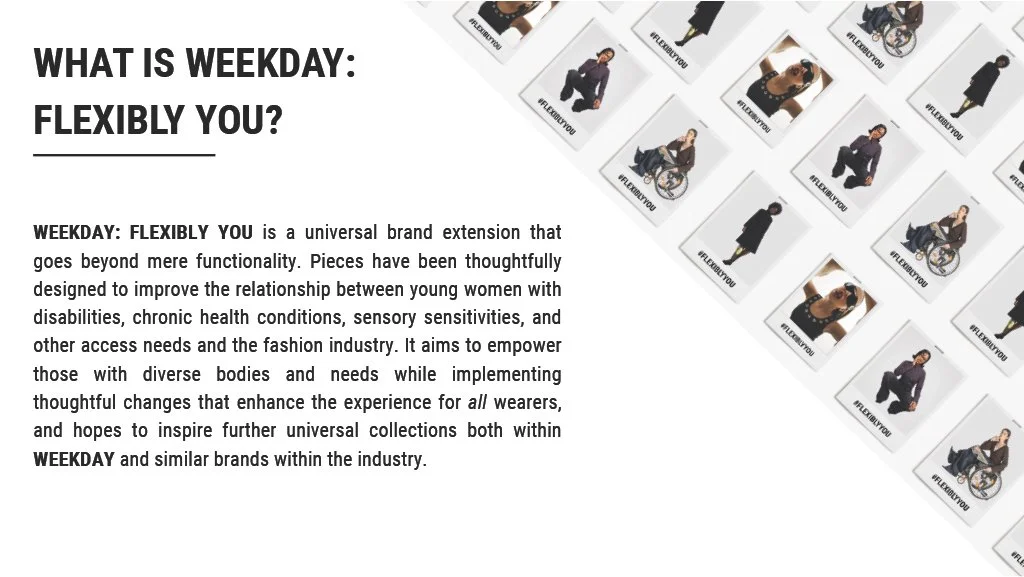
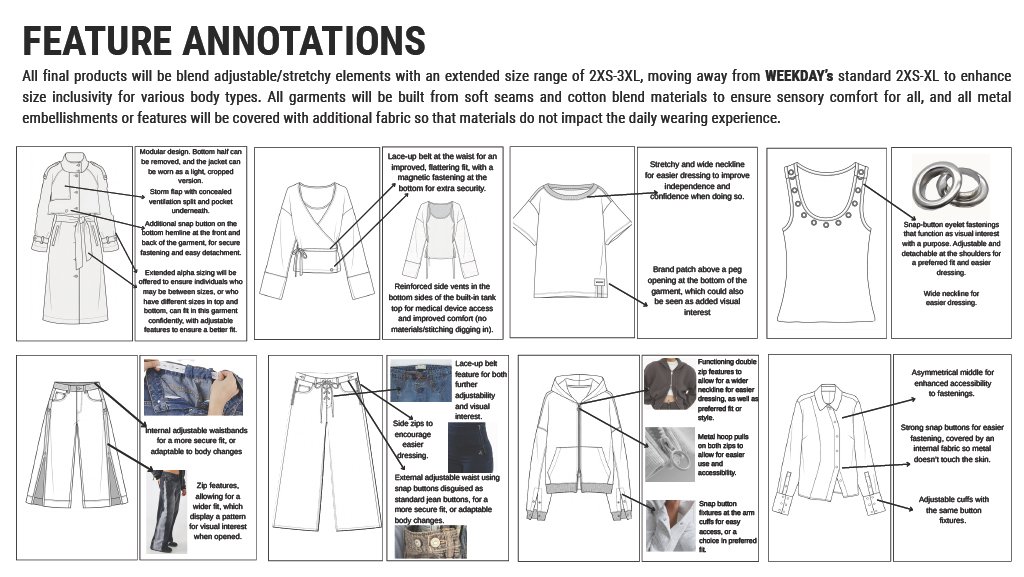
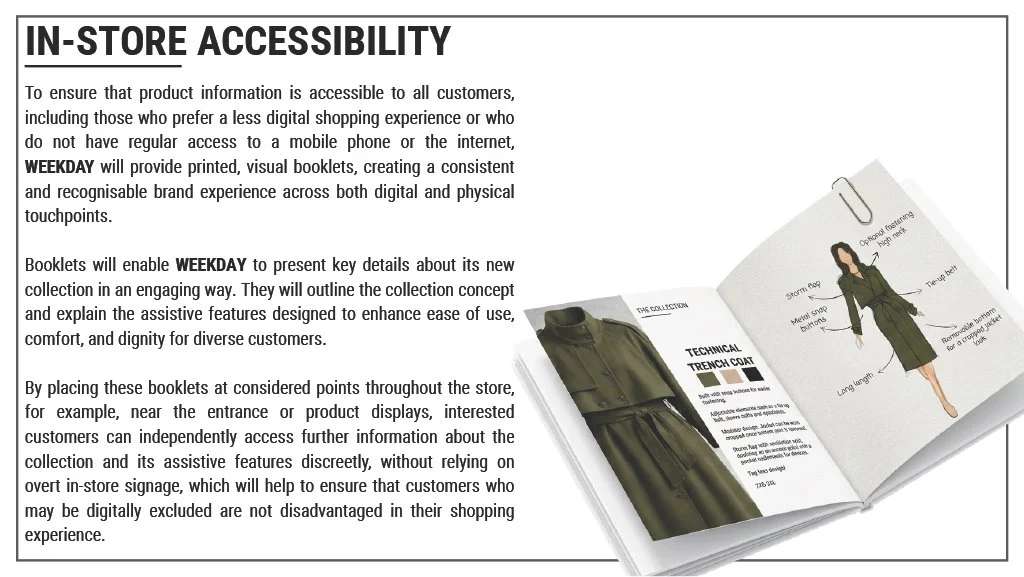
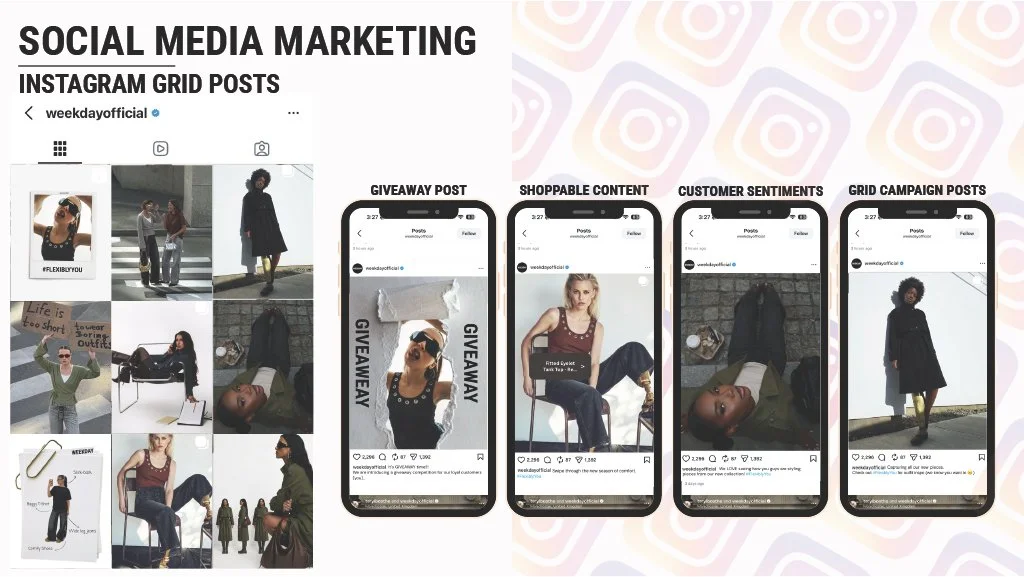
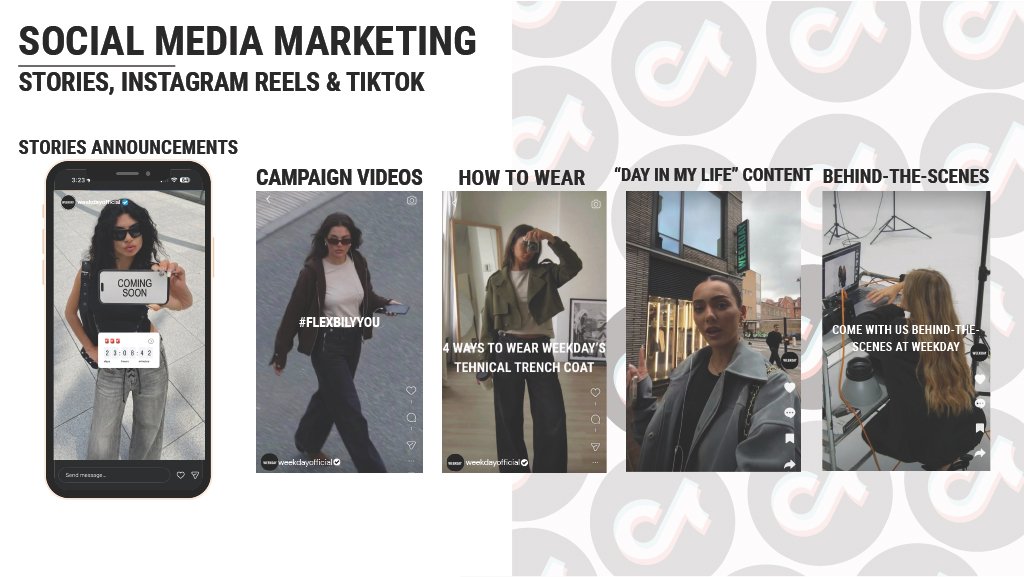
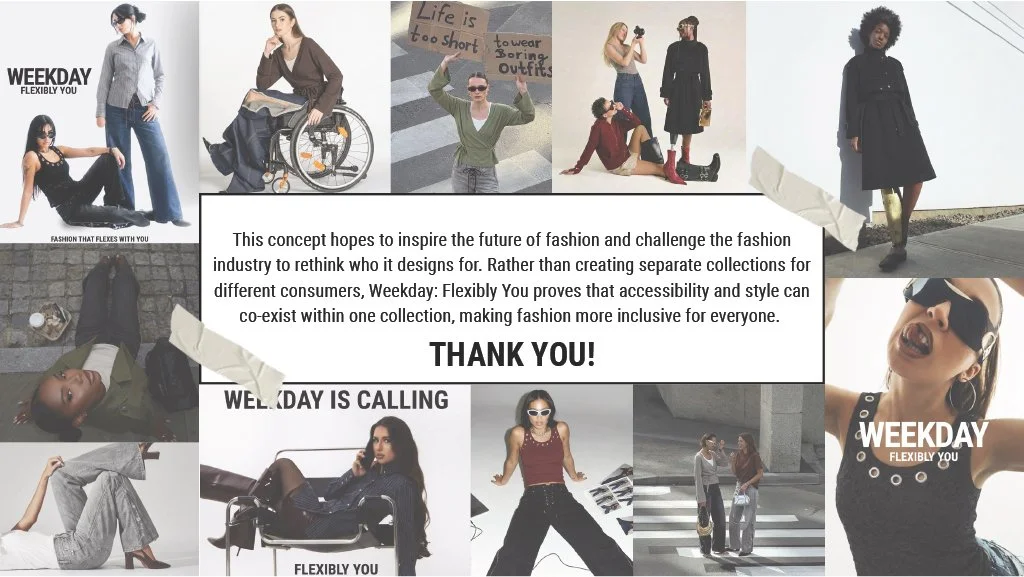
“One of the most unexpected influences was simply listening to people. While my final project involved academic research and relevant trend forecasting, some of the most valuable insights came from hearing personal experiences around accessibility and the desire for independence and authentic representation among young women with disabilities. Those conversations reminded me that inclusive design isn’t just about functionality; it’s about dignity, confidence, and belonging. This inspired me to help design a fashion experience that felt universal, both within products and communication.”
What’s the best piece of creative advice you’ve ever received?
“The best creative advice I have received was simple yet effective: Your first idea doesn’t have to be your final idea. Challenging your own assumptions and allowing your work to evolve as you learn is vital. Through this, I have learnt that growth and change are part of any creative process.”
How would you describe your creative voice in three words?
“I would describe my creative voice as curious, considered, and connected.”
What kind of impact do you hope your work has beyond aesthetics?
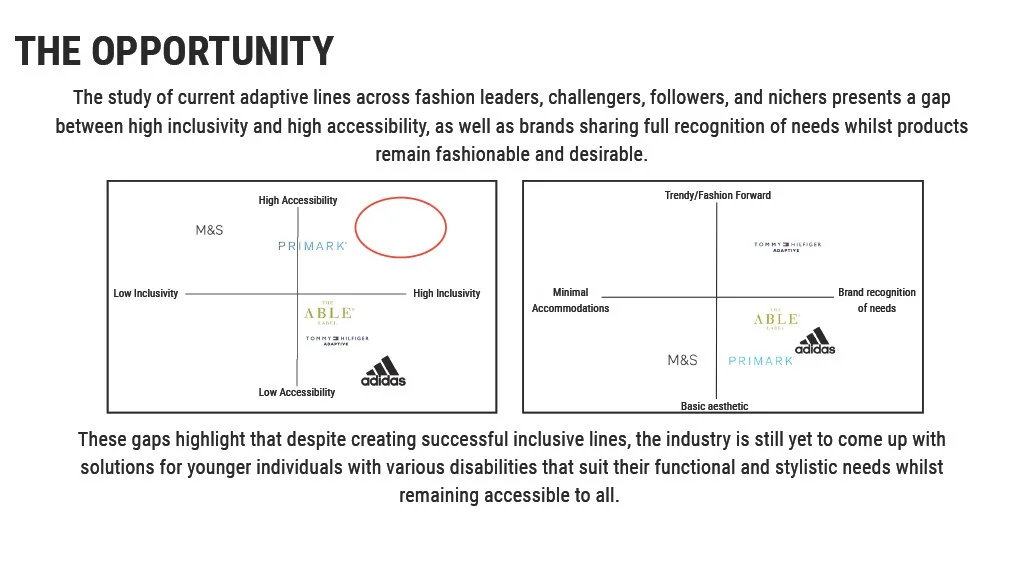
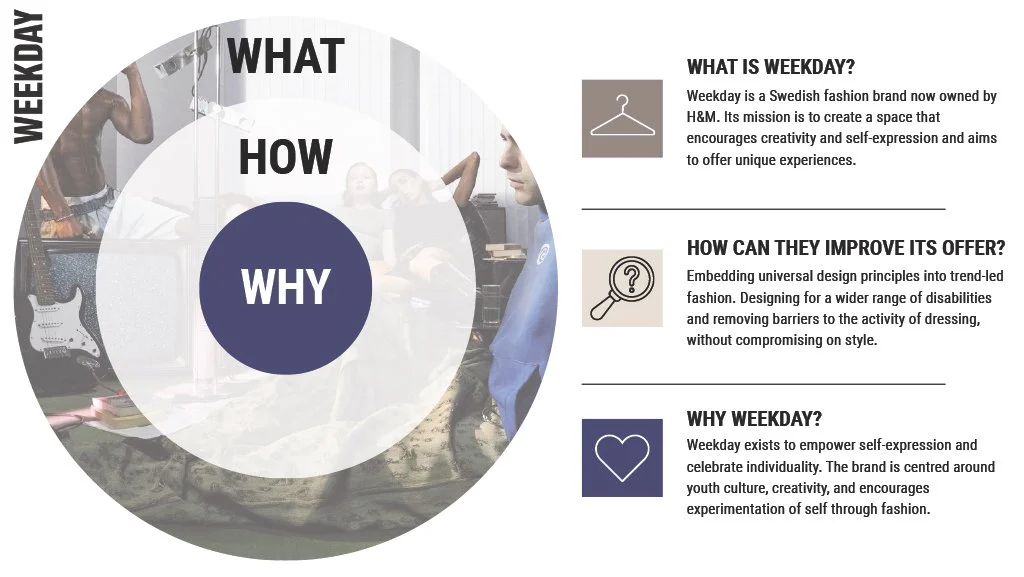
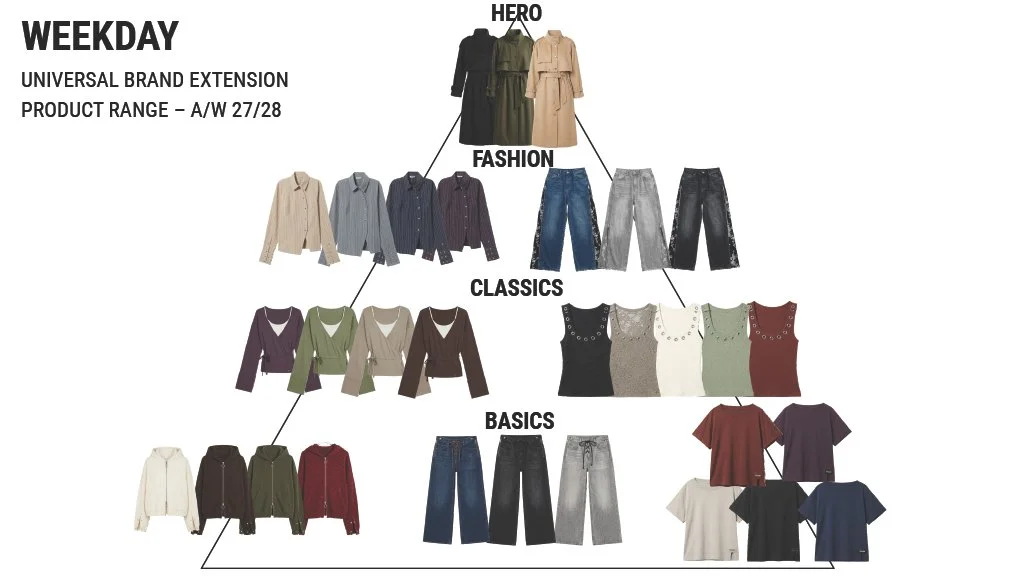
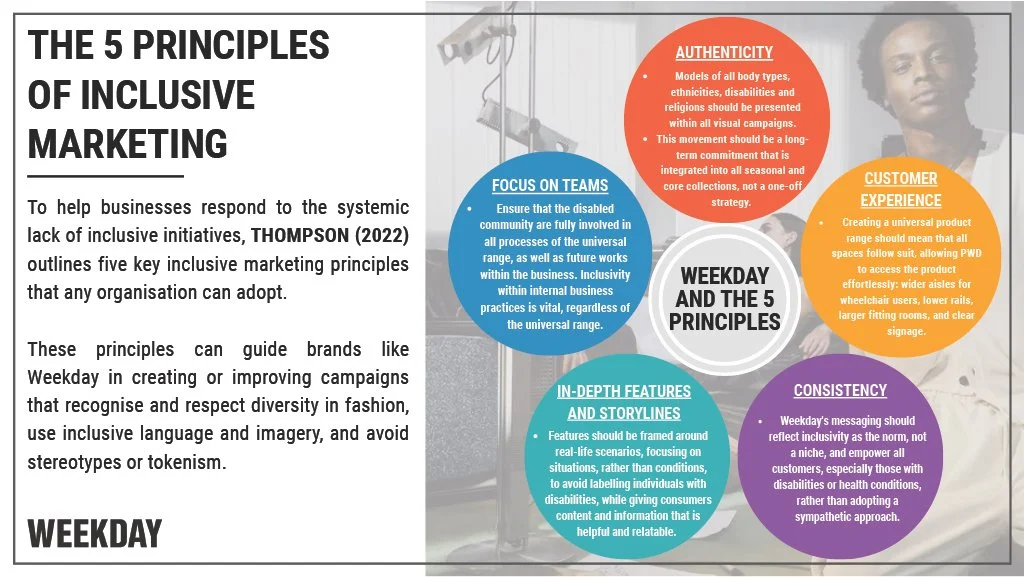
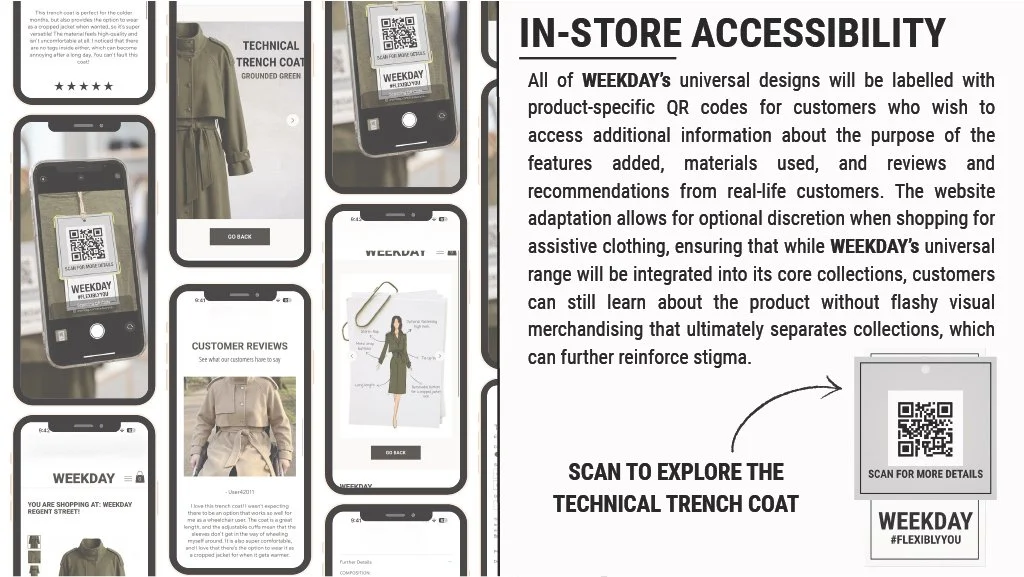
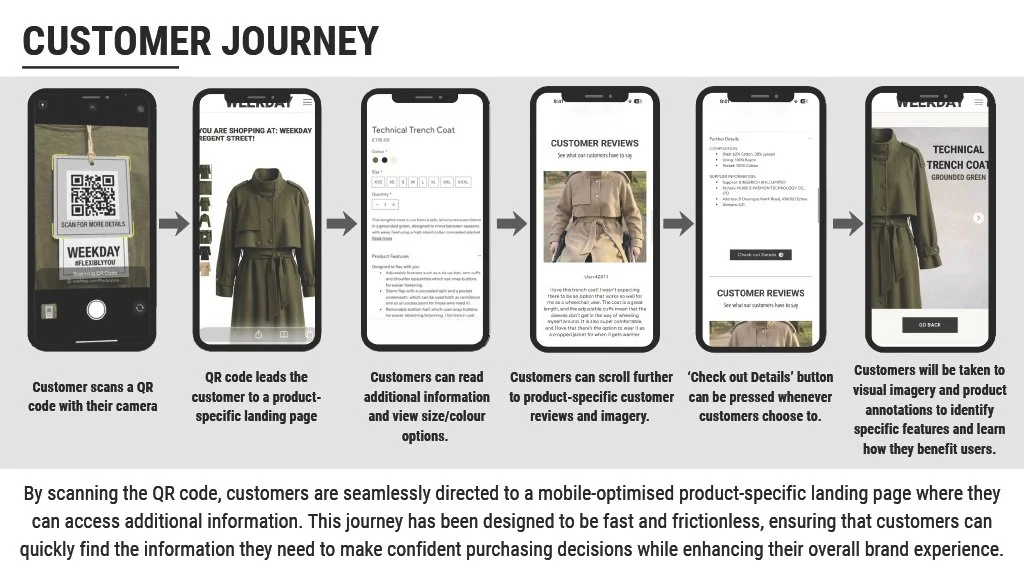
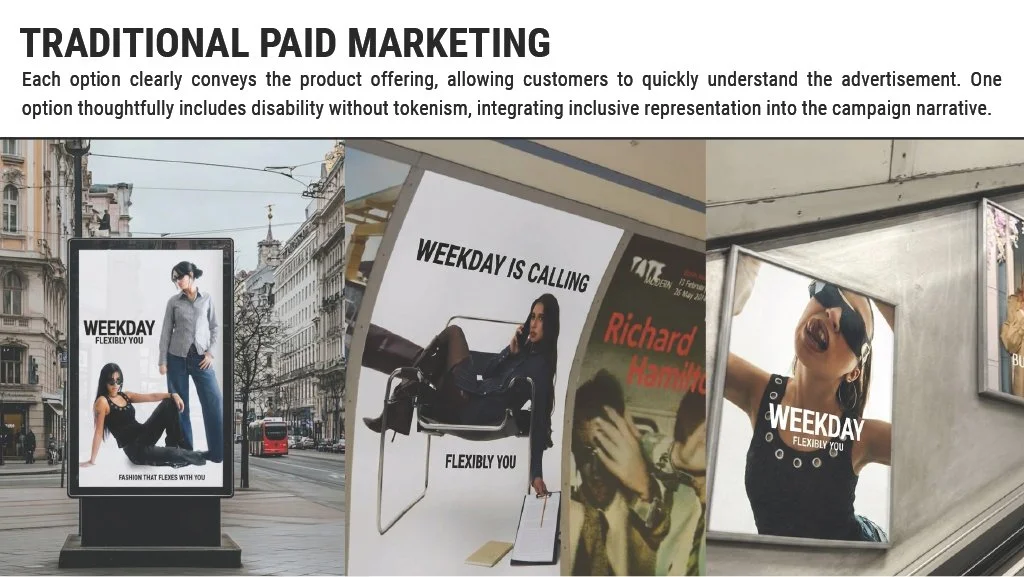
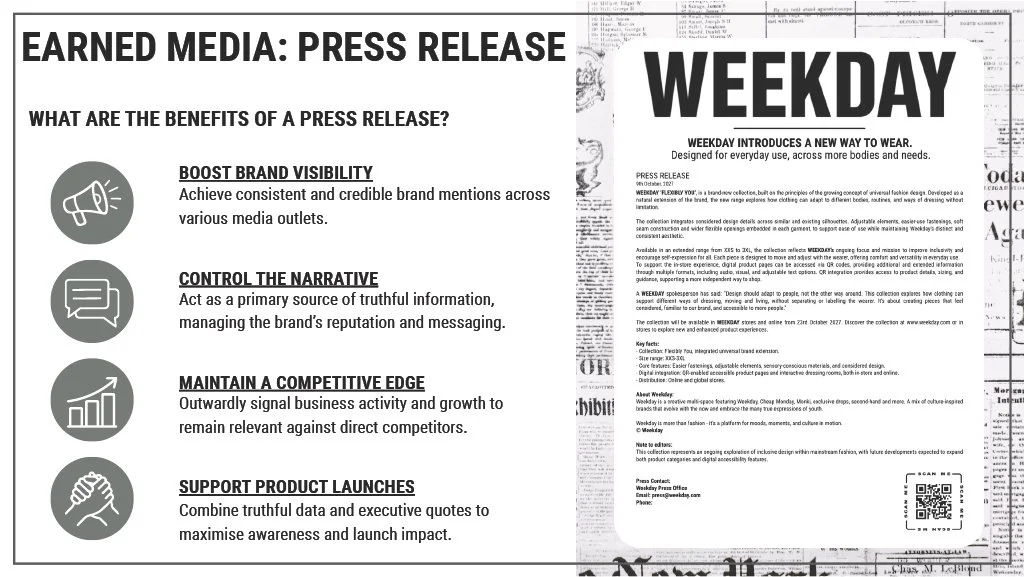
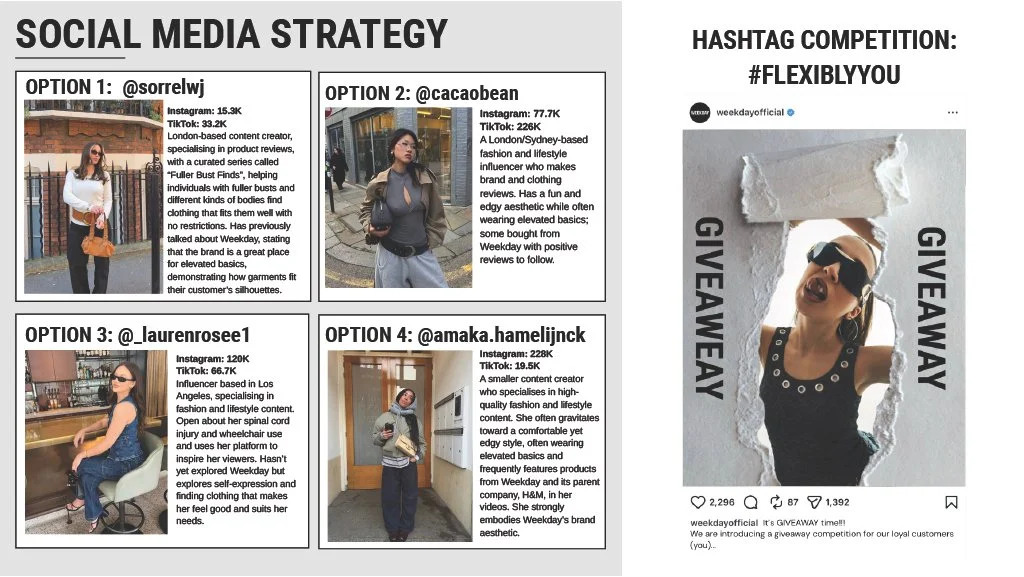
“The work I presented at Graduate Fashion Week was driven by a simple belief: young individuals with disabilities deserve fashion that is both accessible and beautiful. I set out to reimagine their relationship with the fashion industry that truly considers their needs while celebrating style, personality, and self-expression. I maintained a strong focus on marketing this concept in ways that feel honest and relatable, so the message doesn’t just reach the target audience but genuinely resonates with them.
Through the project, I wanted to spark real conversations about how brands approach accessibility and representation, encouraging them to move beyond token exclusion and listen more deeply to what their customers need to feel seen and empowered. I hope my work helps create a space where people of all bodies and abilities feel confident enough to speak up about what they want from mainstream fashion, and to know that their voices are central to the story. ”
Which designer, artist or creative would you most like to show your work to?
“Honestly, I’d want to show my work to someone who would challenge it rather than simply praise it, and I’ve been grateful to have experienced this when presenting to various industry judging panels at Graduate Fashion Week. Someone who stood out to me when starting this project was Hanan Tantush, founder of Intotum. Her commitment to the community she works for and the research that follows alongside her designs is incredibly inspiring, and I had the opportunity to present to her through another shortlisting at GFW. She showed me that understanding people’s lived experiences can lead to thoughtful and better design, and that’s something I really believe in.”
What conversations do you hope your work starts?
“I hope that my work sparks meaningful, ongoing conversations about what inclusivity actually means within the fashion industry. It goes far beyond simply expanding size ranges or featuring a diverse face in a campaign. It requires brands to weave accessibility, representation, and empathy into every stage of their process. Whether that is from a perspective of design or marketing, people want to see themselves reflected in ways that feel honest and human, considering different bodies, abilities, cultures, ages and religions. My aim is for my work to contribute to a fashion landscape where those needs are not only acknowledged but genuinely prioritised and spoken about.”
What advice would you give to a student currently starting their final collection or portfolio?
“I think it’s really easy to get caught up in making a portfolio look perfect and beautiful, but the strongest projects are the ones with a clear purpose. I’d encourage any student starting their portfolio to spend some time understanding where their ideas have stemmed from and the problem they are trying to solve before thinking about the final outcome. Once the ‘why’ is clear, the visuals become much stronger.”
So what’s next for you after graduating?
“After my experience at Graduate Fashion Week, I believe that my future lies in fashion marketing or product development. These were the two areas that I enjoyed most throughout university, and they guided the direction of my final major project. GFW has strengthened my belief in my abilities and assured me to approach these professions with confidence.”
