
We spoke to the founder of CAD for Fashion on the impact of AI on the industry
AI has been the centre of many divisive conversations across the globe for quite some time. While there has been a lot of scaremongering around this topic, as many fear AI could replace humans in various sectors and contribute to job losses, one industry expert believes there are benefits to utilising AI tools in fashion.
Erica Horne launched CAD for Fashion in 2018 to streamline her workload when she worked as a Fashion Designer at a large high street supplier. The professional experienced first-hand the pressure to produce multiple samples per day, which was time-consuming when deadlines were tight, as well as a waste of materials and money when resources were already limited. The founder spotted this gap in the market, which inspired the birth of CAD for Fashion.
“I started creating visuals to show how prints, colours and design changes would look before we sampled them. If I could help buyers narrow down their choices before creating physical samples, we could save a huge amount of time and effort.”
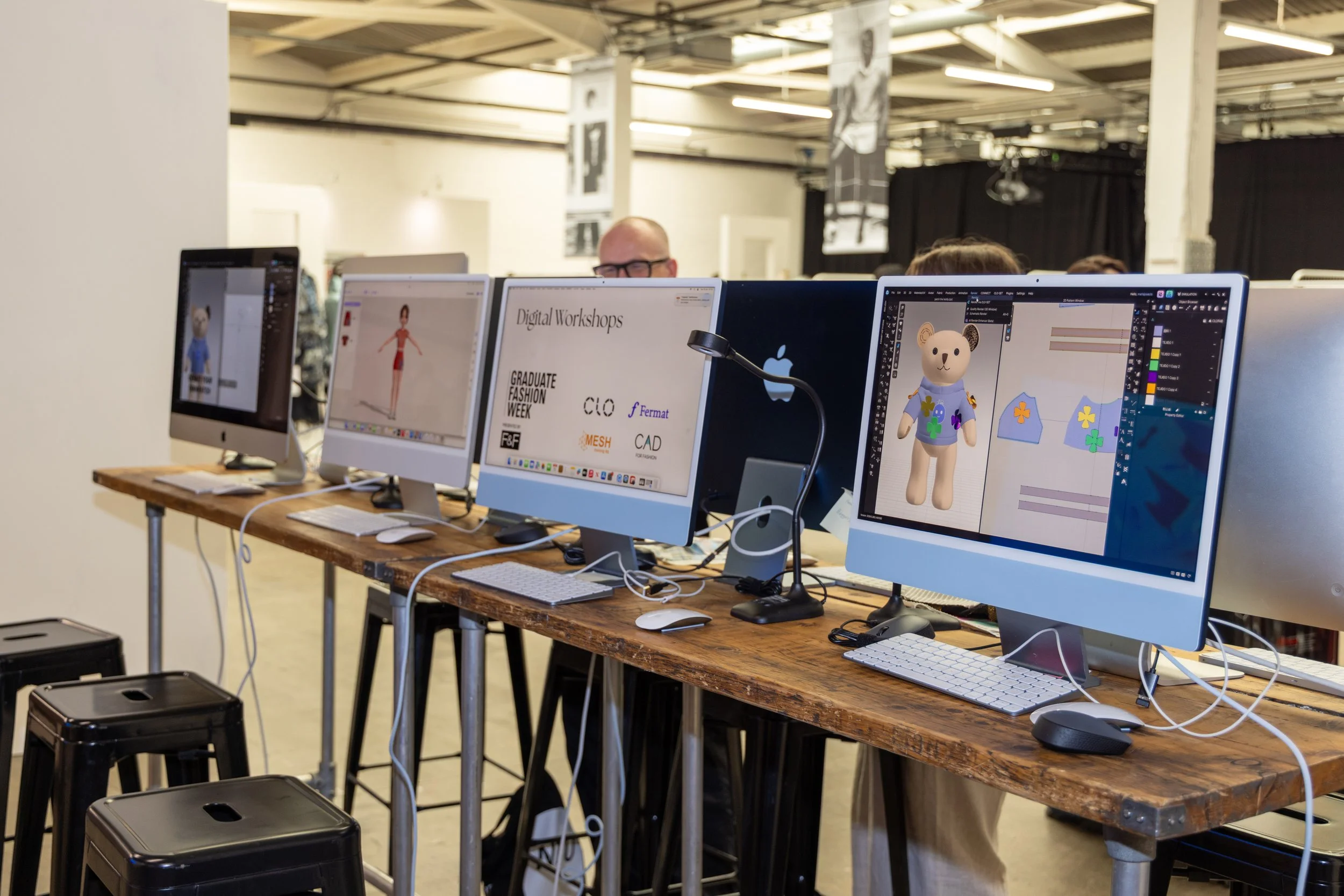
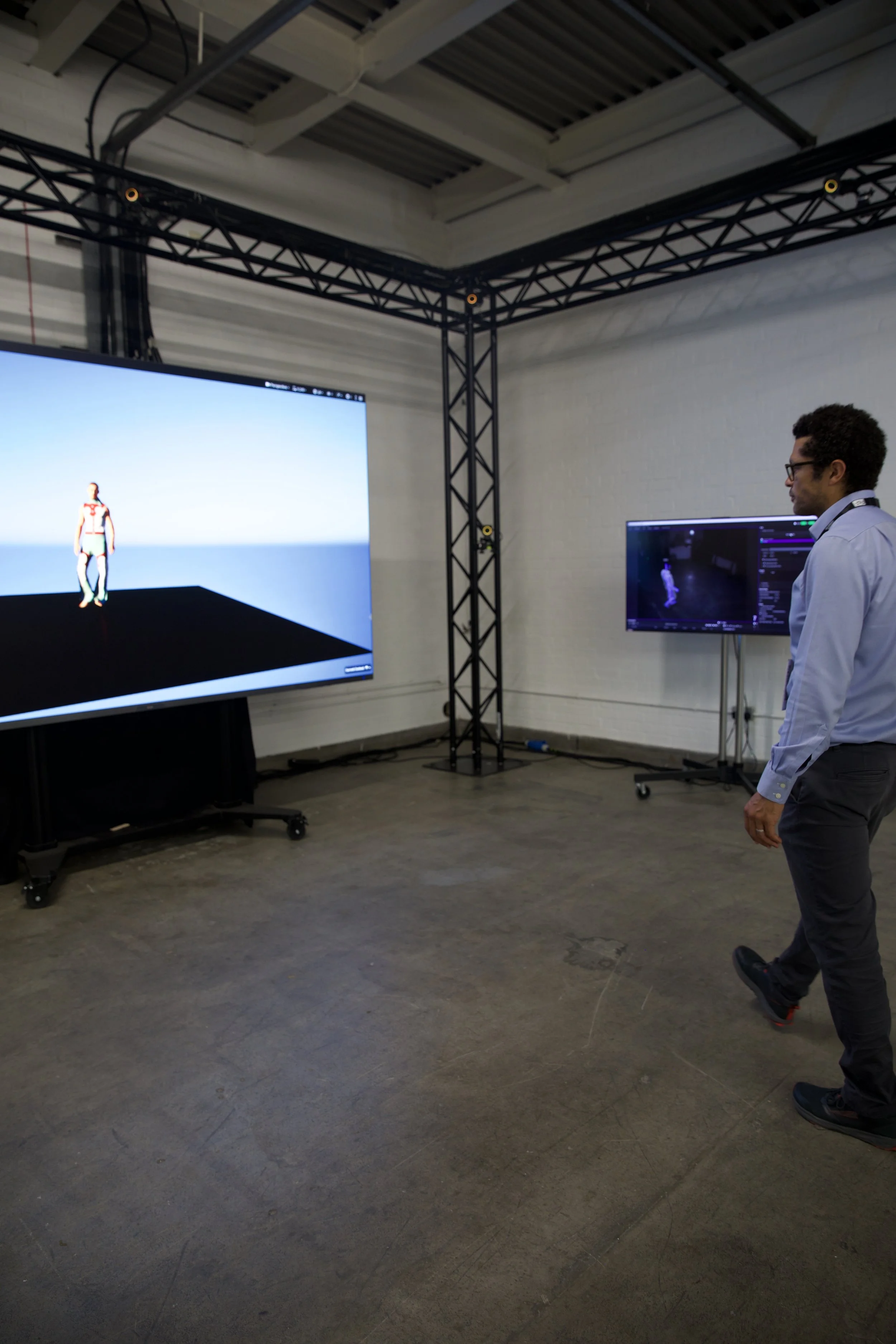
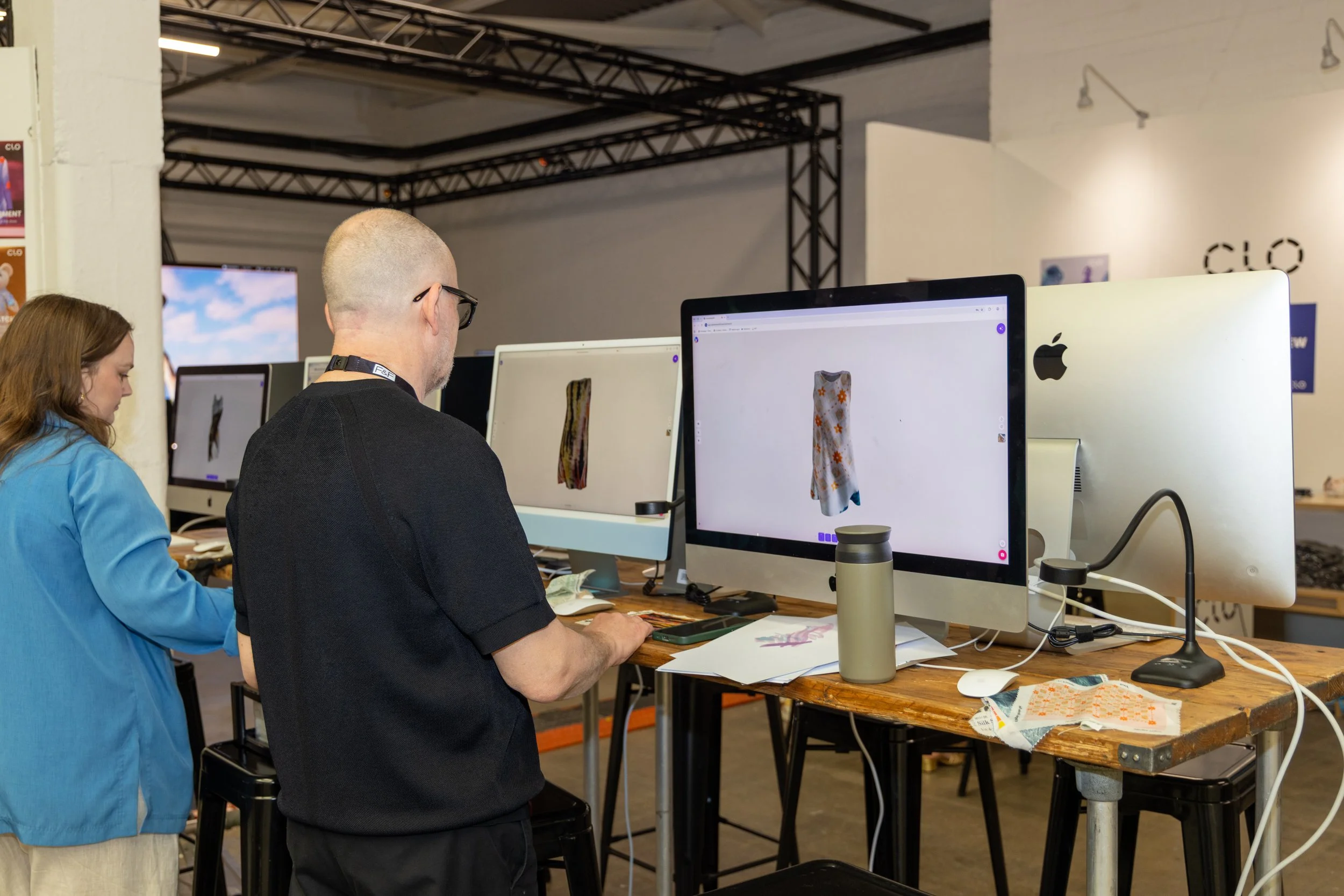
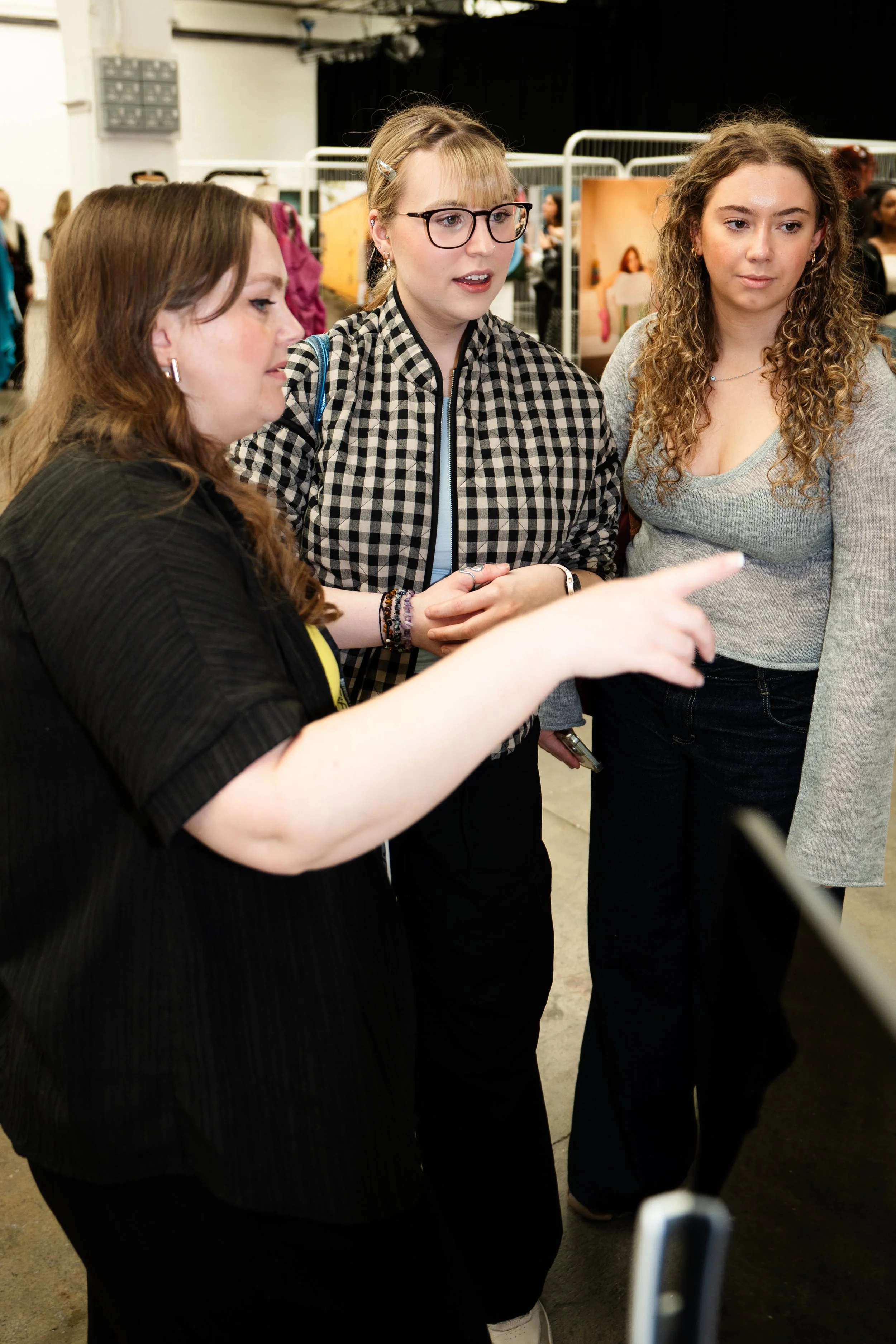
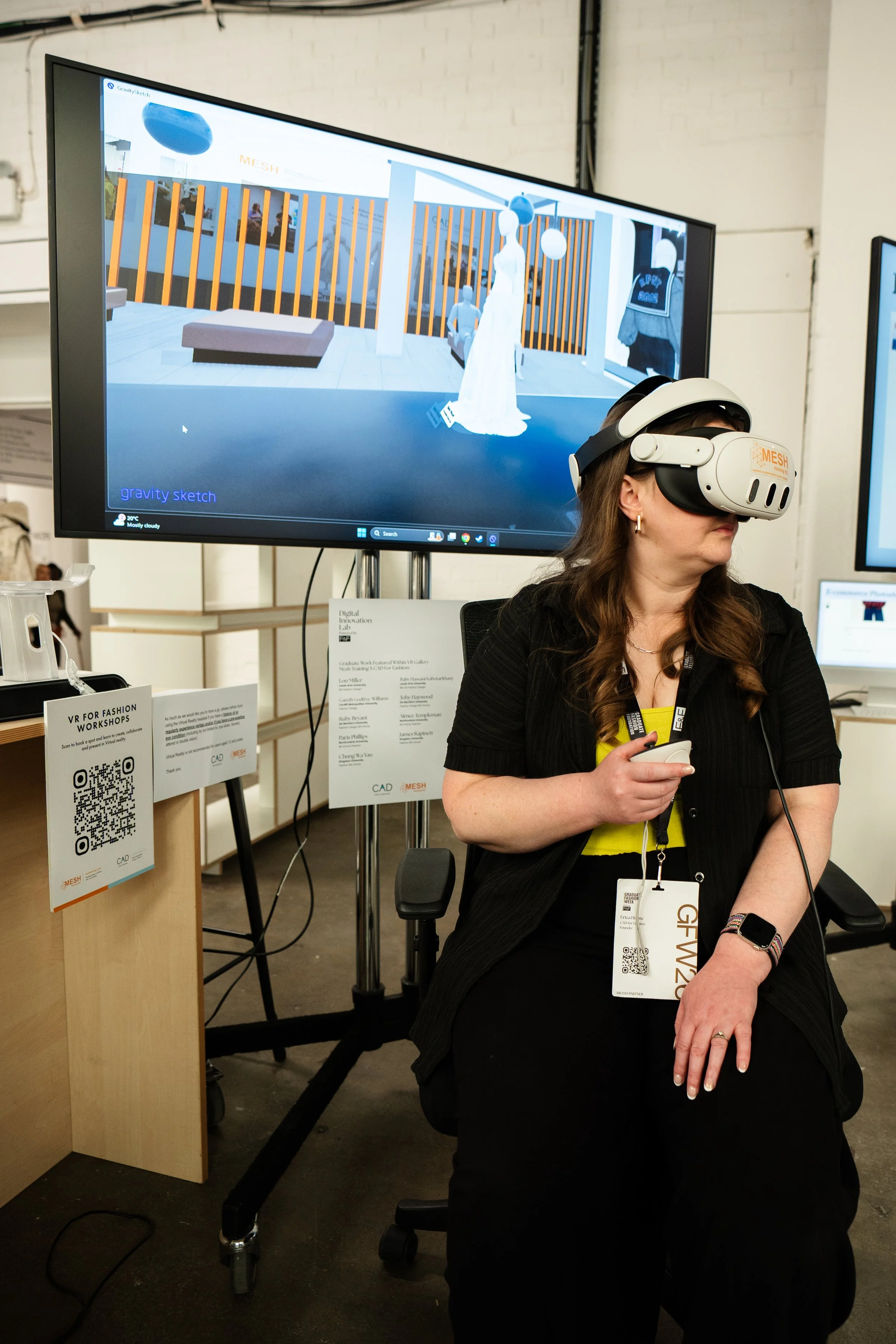
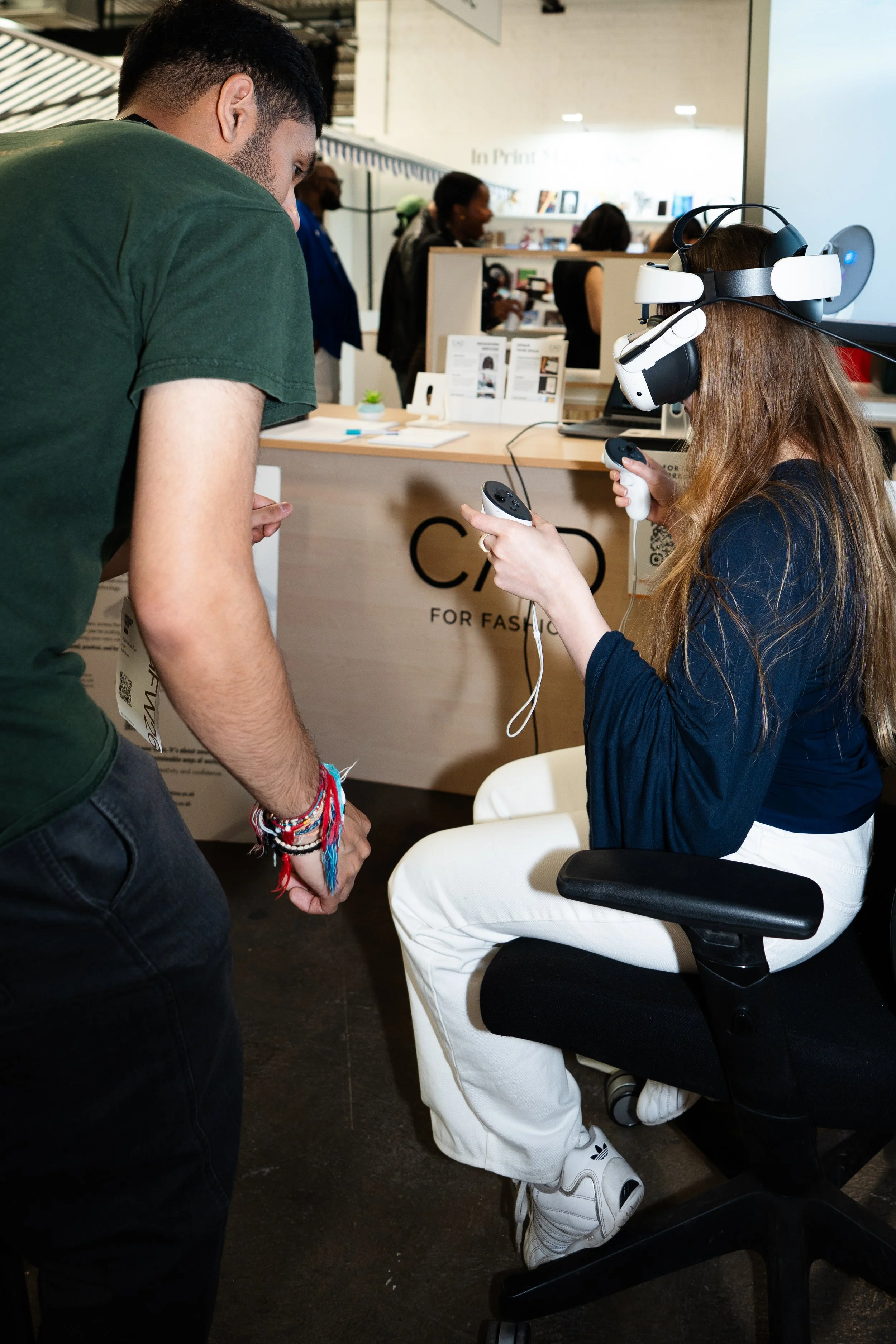
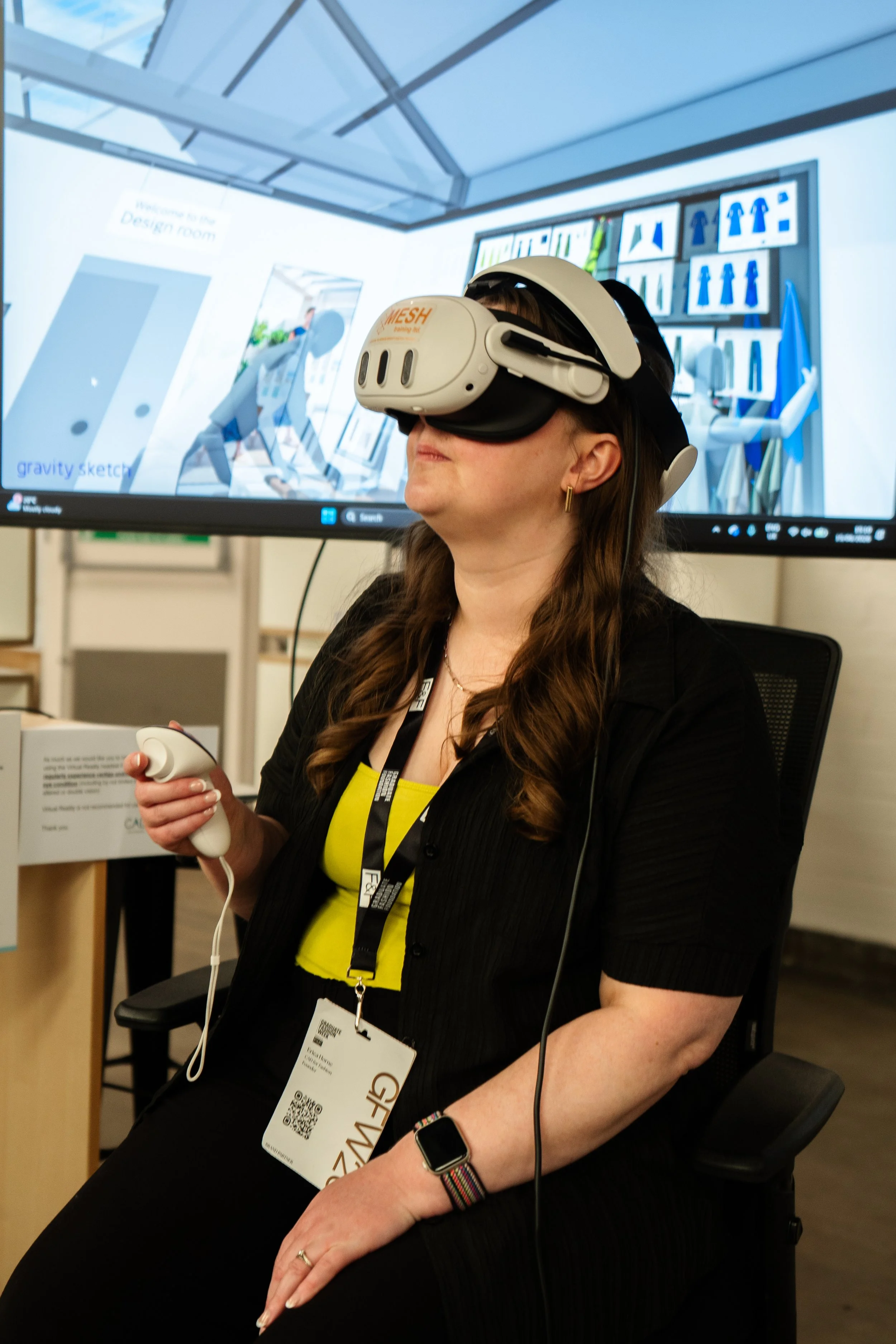
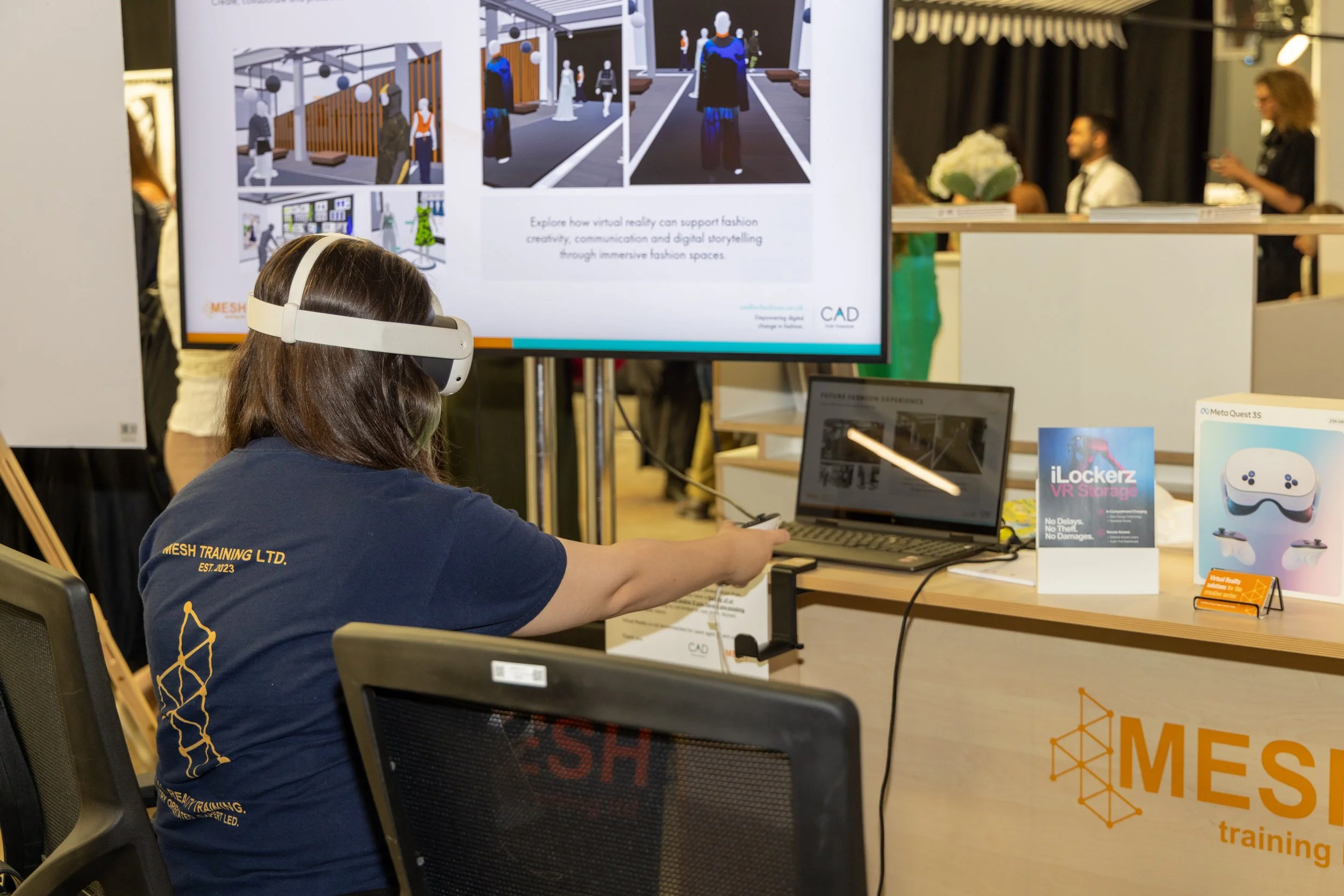
CAD for Fashion was created to support and educate creatives in the fashion industry on how to utilise the digital tools to streamline their workflow. Erica explains that through technologies, such as AI, 3D and VR you can “visualise, review and refine products before creating physical samples.” She explains: “Teams can explore more options, test ideas, communicate more clearly and iterate more times before committing to production, which allows creatives to make better decisions earlier in the process, reduce waste, improve efficiency, and ultimately create better products.” Erica adds:
“There were plenty of people teaching software, but very few understood both the technology and the realities of working in fashion. People wanted someone who understood fashion and could explain technology in an accessible and digestible way. So I started teaching alongside my design role.”
While AI can streamline the creative process, the question “Will AI replace designers, pattern cutters, and technological experts?” niggles away at me. However, Erica assures the Graduate Fashion Foundation it won’t. She asserts“It's not about replacing creativity. It's about giving people the confidence, time and information to make better decisions.”
Truthfully, Erica’s perspective intrigues me, as she highlights that “technology has always changed jobs, so AI is not any different.” Interestingly, Erica believes AI requires human involvement, rather than replaces individuals. She adds: “There's an old saying in computer science: rubbish in, rubbish out. AI is only ever as good as the input it receives, and that input comes from people. For me, the conversation isn't really about whether AI should exist or not. It's about how we choose to use it.” She also suggests that AI could “create opportunities for people who might otherwise face barriers to bringing their ideas to life.”
So, how can the industry embrace change?
Erica advises skeptical creatives to “think about where they want AI to sit within their own creative process, which parts should come from them, and which parts could be supported by technology?” Erica also reminds us that AI is integrated into several platforms already, such as Photoshop, Illustrator, Canva, and social media.
Secondly, knowledge is power, hence why the creative mastermind has introduced CAD for Fashion to institutions and emerging talent. She explains: “Through the Graduate Fashion Foundation’s Young Talent of Tomorrow competition, we worked with finalists and runners up to help them visualise their designs as finished products using AI. These young creatives had created the concepts, research and design ideas themselves, but they didn't have access to specialist equipment, expensive fabrics or the technical skills needed to physically produce their garments. Every student had a clear vision of what they wanted to achieve and kept refining, directing and challenging the AI until the output better reflected the idea they had in their head.” The key takeaway from this was that:
“AI wasn’t generating the vision, the students were, which is why I don’t believe AI will replace creativity.”
As a result, the growing awareness around AI encourages people to better understand the benefits of AI, and its multifunctionality.
“I don’t think the future is AI versus creatives, it’s about understanding what makes us valuable as creatives, and using AI where it genuinely helps us communicate ideas, explore possibilities and bring concepts to life.”
So, what’s next for AI in the fashion industry? According to Erica, “We're only scratching the surface of what's possible”, and she predicts big developments ahead. She shares: “I'd love to see the industry move away from needing physical examples of everything before decisions can be made. With better visualisation, AI, 3D design and Virtual Reality, we have the opportunity to assess, refine and improve ideas much earlier in the process, which gives us more time to develop products, explore options and make better decisions before committing to physical development.”
Erica also foresees more demand for human creatives with AI expertise. She suggests:
“I also think the human side of creativity will become even more important; taste, creative direction, storytelling, cultural understanding and knowing what good looks like will continue to be incredibly valuable. Every creative has their own style, aesthetic and way of seeing the world, and I’d like to see a future where there are clearer opportunities for creatives to share, license and benefit from those creative assets through AI, rather than simply watching the technology evolve around them.”
Ultimately, Erica hopes AI will encourage the fashion industry to be “more accessible, more efficient and more sustainable.” She muses: “I hope for a future where great ideas aren't limited by access to resources, skills or budget, and technology helps people communicate their vision rather than standing in the way of it. The best ideas still come from people, AI simply gives us new ways to explore, develop and share them.”
