
Life Lessons from Graduate Fashion Week 2026
Consider this a creative’s personal toolkit or pep talk to motivate you to take the leap of faith.
Graduate Fashion Week returned to London’s Truman Brewery on 15th June for an inspiring week in the fashion calendar.
Within a few hours of sitting in panel talks with industry experts, I felt inspired, full of knowledge about the ever-changing fashion sector, and equipped with useful tools to further expand my career, even after a decade as a Freelance Editor, which speaks volumes.
The Shoreditch building was divided into a well curated space that showcased the Talent of Tomorrow candidates, the partnering universities, the Innovators of Tomorrow showroom, a dedicated F&F section, who are the official partner of Graduate Fashion Week 2026, Live Talks with experts, as well as a catwalk shows, and a timeline of the Graduate Fashion Foundation’s history dating 35 years, plus much more.
Whether you are a student, graduate, budding designer, or established creative with a long tenure in the industry, there is no denying there are useful insights we can all take from the Graduate Fashion Week’s plethora of events. Here are just a few of the takeaways that struck a chord with me.


Find your purpose
Dalbir Bins, who is the founder of Red De Moda, stresses the importance of having a purpose, and finding a specialism when breaking into the fashion industry.
“Purpose is your navigation system, it can help you say yes or no to opportunities, it helps define you, and people start recognising that, which allows opportunities come. Purpose is having a moment to decide what you want for your life, what are your values, what is making you happy in your career.”
Unsure what your purpose is? Dalbir invites emerging creatives to ask themselves “Where is my North star?”
Break the mould
Several professionals believe that a fashion career is not linear, but rather a “squiggle”, which allows creatives to explore all avenues rather than a prescribed career trajectory to achieve their career goal.
“Careers can squiggle. You need the skills to learn, rather than work somewhere just to have a brand or title on your CV. Learn in your own time, show the interest outside of the interview, work on your craft because that will get you recognised.”
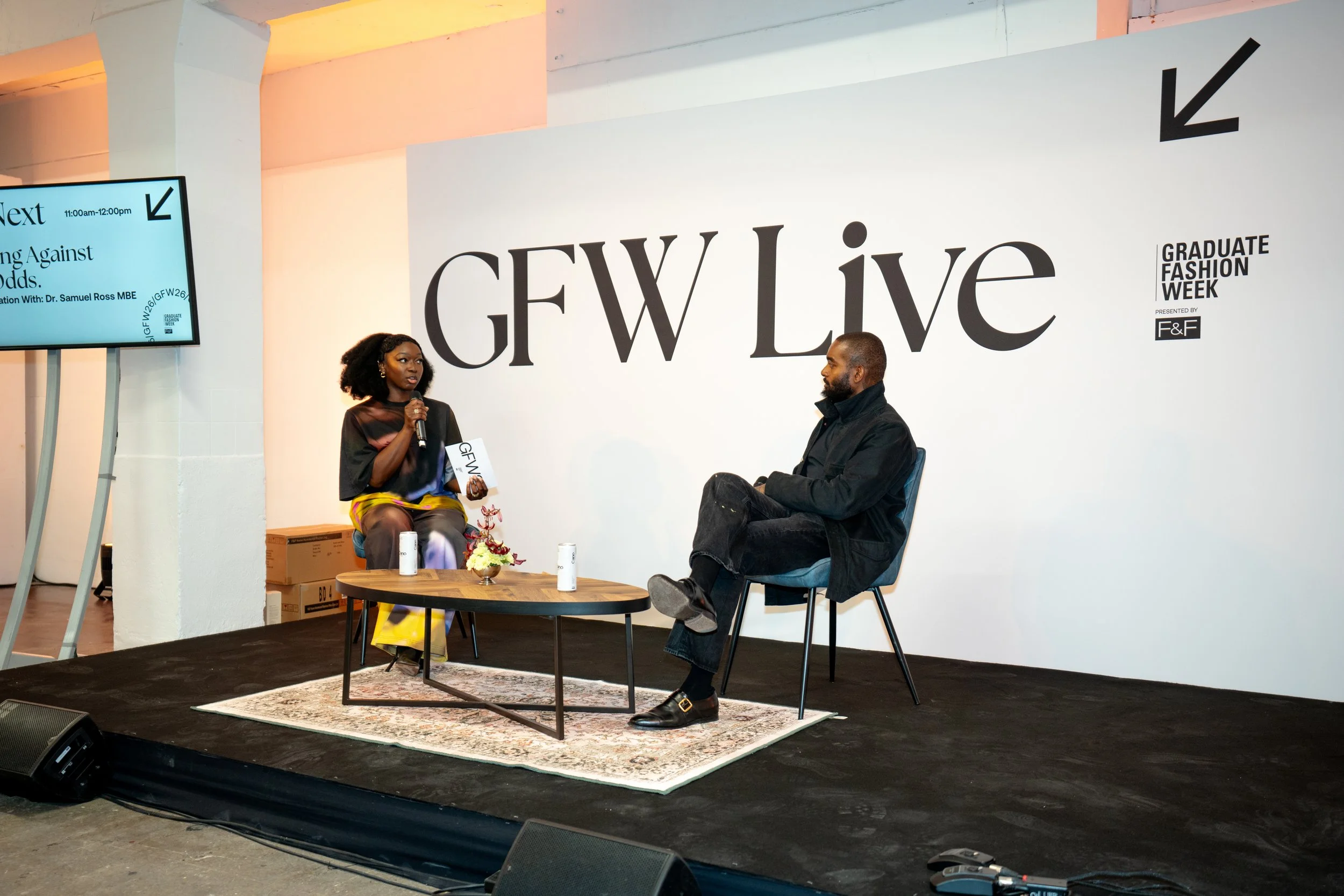
Dalbir echoes this sentiment, and shares: “Instead of reacting to opportunities, or being directed to what is out there, carve your own direction.” Dr. Samuel Ross MBE also supports this belief and encourages young talent to break the mould. Reflecting first-hand on his personal career, Samuel shares:
“After graduating I worked in fashion shops, as a runner and shop boy in Northampton, selling counterfeit clothes. My introduction to fashion was opposite to the fashion cycle. I wanted to express ideas through arts, not as a monetary driver.”
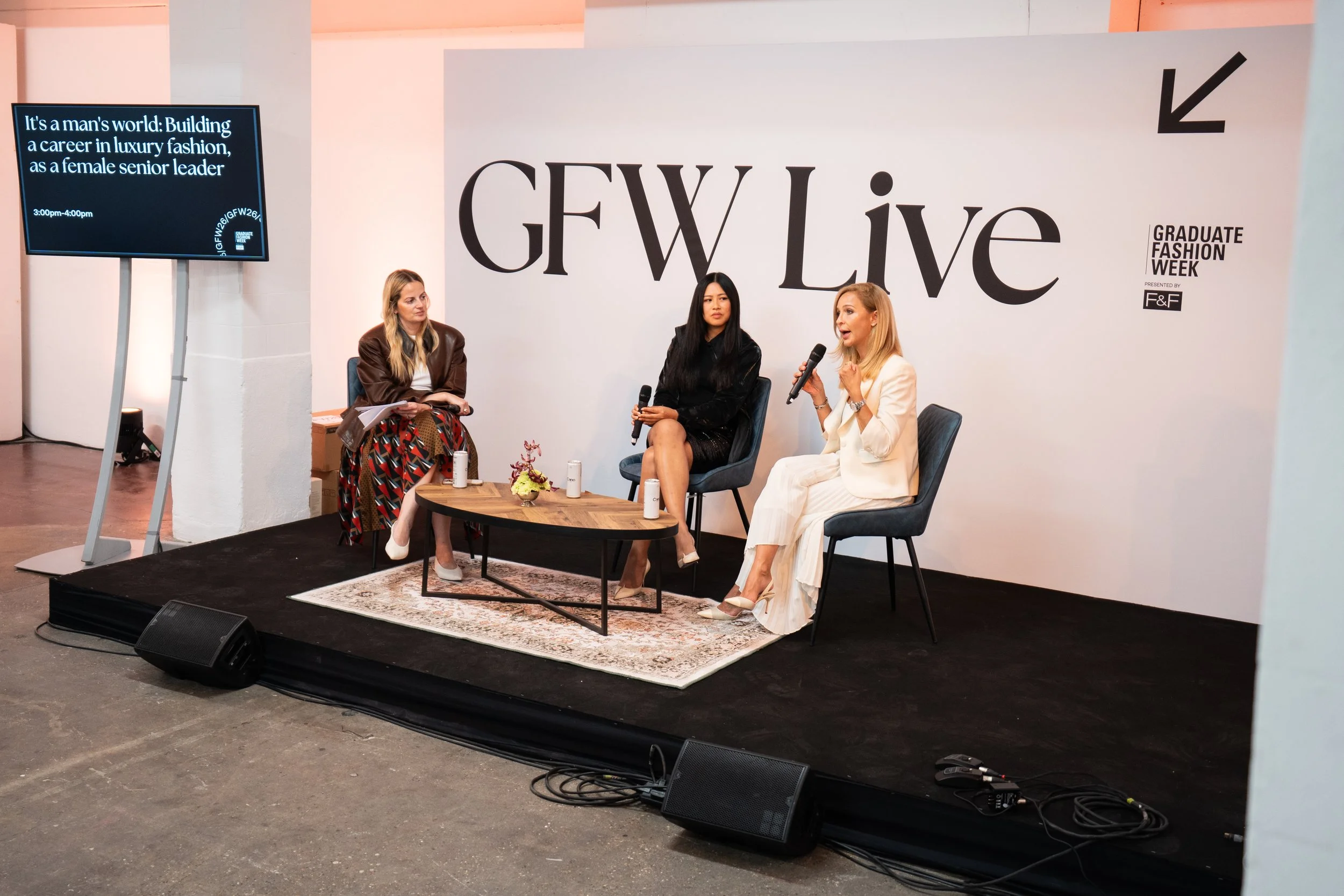
While Manolo Blahnik’s Chief Commercial Officer, Elodie Bougenault, tries to have a goal and plan her career trajectory, she does so by “identifying what will be gamechanging” and what visibility that opportunity will offer. The expert muses: “Sometimes you need to take calculated risks. Don’t follow a career path you think you should, but what is right for you.”
The power of LinkedIn
LinkedIn has long been a popular tool to find career opportunities, no matter the industry. In recent years, the platform has had a revival with more people promoting their work, career updates, moves, and new opportunities on the platform for career growth. Dalbir asserts: “LinkedIn is the place that will help your career the most. It is the place where opportunities will come to you.”
So, what is the best way to utilise LinkedIn? According to Dalbir, every user should talk openly and confidently about their passions on the site. She recommends:
“Find your passion and discuss it because your view matters. It doesn’t matter what other people think about your thoughts, in time people will start to recognise you and approach you based on your beliefs or career highlights.”
Dalbir recommends posting on the platform two or three times a week as a minimum. However, it is important not to post “nonsense”, rather be intentional about the content you curate to showcase your skills, interests and build a professional reputation you can be recognised for.
Network intelligently
Many know the importance of networking, but Dalbir suggests building a network with those in the career you aspire to be a part of, rather than solely likeminded. Why? The expert believes building broad industry connections will help to cross that bridge from university to the professional sector, and encourage emerging talent to level up.
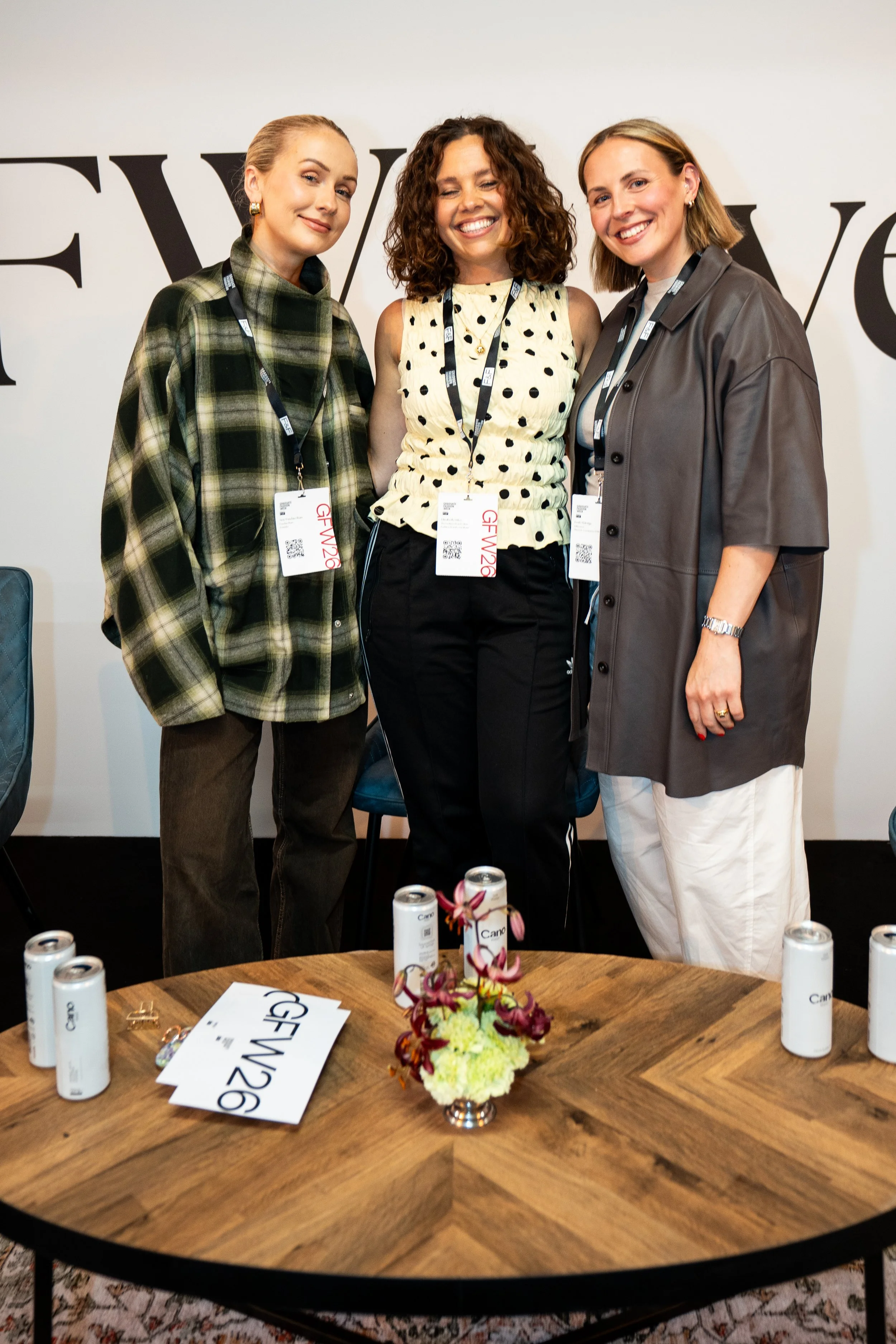
Angela reveals that businesses regularly liaise with universities and recruiters, which is why putting yourself on people’s radar is beneficial. The HR Director suggests speaking with your university or college tutors, colleagues, networking in the industry, and building rapports with recruiters, which can stand you in good stead when opportunities arise. Angela revealed she often accepts recommendations from trusted sources and former employees, so view your peers and colleagues as fellow ambassadors, rather than rivals, who will advocate for you, even in your absence. Networking is still vital when you have secured a position as many fashion roles require cross-category collaboration.
F&F’s Buying and Merchandising team reassured the room of graduates that it is ok not to have all the answers, butencouraged them to:
“lean on the people around you, be prepared to listen and learn.”
Consistency is key
Across several panel talks during Graduate Fashion Week 2026, numerous industry experts shared the same belief that consistency is key. While being the most talented creative can take you so far, resilience, determination and consistency are the driving forces to truly succeed in the fashion industry. Sharing the key life lessons, Dalbir shares:
“Nobody owes you a career.
Relationships matter.
Your reputation starts today.
Talent alone is not enough.
Curiosity beats certainty.
The people who succeed are rarely the most gifted – they’re the most consistent.”
Interestingly, F&F’s Head of Design, Ben Lee, agrees with the latter:
“The best designer isn’t always the best candidate, so be proactive, showcase other skills and be persistent.”
Be resilient
It is inevitable that everyone, regardless of the industry, will suffer a knockback or two at some point during their career. However, the ability to learn from those errors, pick yourself up, dust yourself off, and try again, is a skill that will only make you stronger.
F&F’s Head of Merchandising, Philippa Cass, supports this. She believes an “appetite to learn and having curiosity”, as well as resilience and adapting when mistakes arise, are hugely beneficial skills to have when breaking the fashion industry. She explains: “Things can go quite wrong, that is inevitable. But it’s not about what happens, rather how you react when it goes wrong, which is critical.”
Obsess over your passion, not money
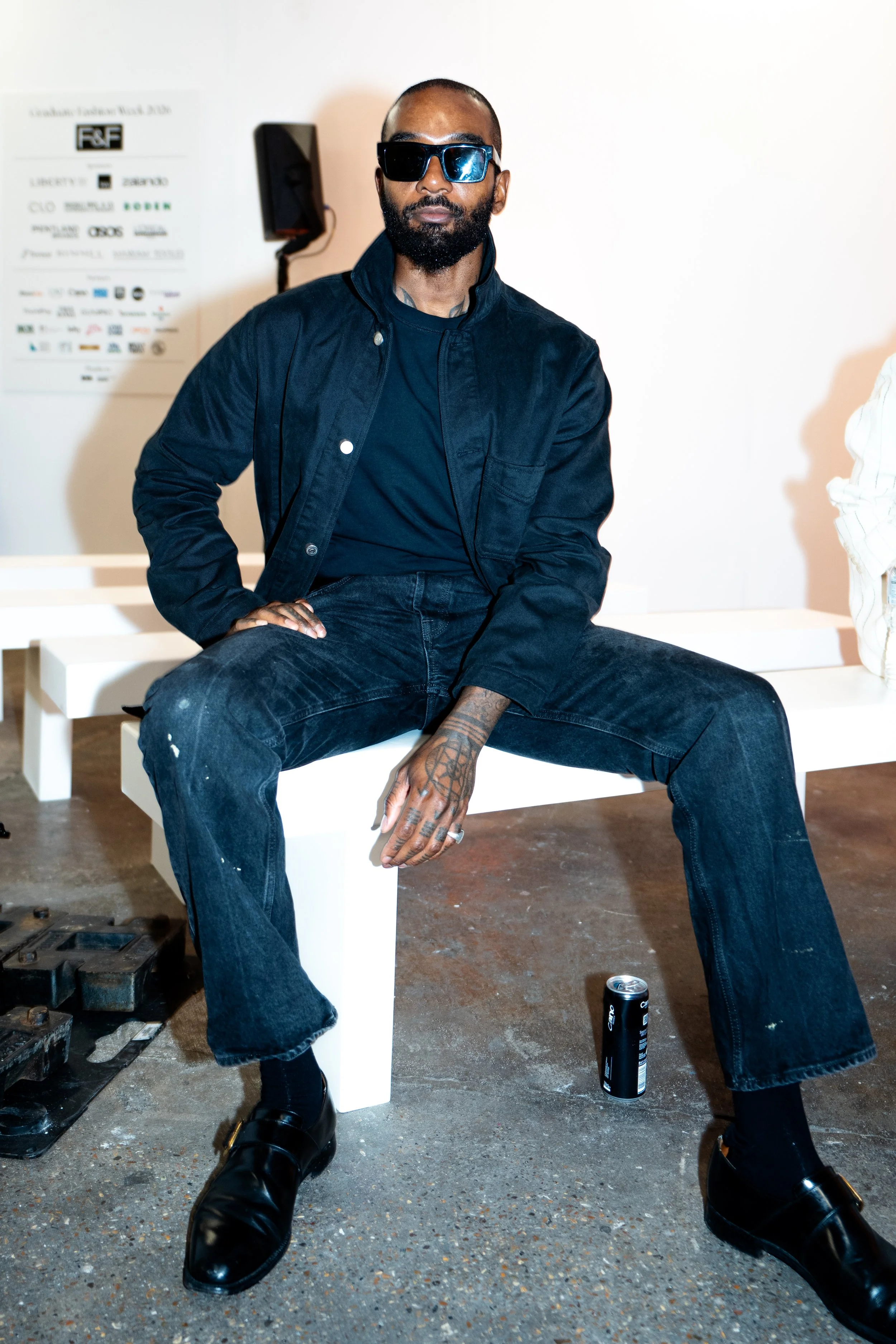
With an impressive resume of working with inspirational designers, including the late Virgil Abloh, before founding A-COLD-WALL* and SR_A, Dr. Samuel Ross champions the power of having a passion and pursuing it to no end. He perfectly puts it:
“You have to be so obsessed with your practice. My career has been a consequence of my obsession; my obsession with wanting to create and taking every stepping stone as an opportunity to have my work in the world.””
Samuel dives deeper into his career trajectory: “While I was studying there was always other projects running in tandem. At 18, when I was studying, I started my own fashion brand, 24. It was a start, but it didn’t work. It was a way to keep the infatuation of fashion going while also studying. There wasn’t a point where I wanted to start a brand, but I wanted to express creatively. I also had a failed career as a street artist, but I didn’t really care because there wasn’t an objective of making money, just expressing through a creative medium. If you are obsessed with work you want to see in the world, eventually it will take, the tide will turn, and people can see what is genuine.”
The creative continues: “The first job doesn’t really matter if it is tied to your vocation. Without my first break I wouldn’t have got here, so just get into the job, it doesn’t matter how it’s perceived, it is more the motion itself.” In a similar vein, Angela encourages fashion enthusiasts to start somewhere, and to utilise every opportunity. She says: “Get your foot in the door, get into a role, and then when you are in the opportunities open, but not by waiting for people to notice you, through your curiosity, self-awareness and self-leadership. The learning journey is deep, you’ve got to be broad and open minded. If you lend too much wanting to fit into the space, or job, you miss the opportunity of developing.”
Be the change
When experts were asked what the key to success is, an array of answers poured out. But a thought-provoking response came from Samuel who describes success as the freedom to “produce the work you want to produce.”
Samuel inspired the emerging creatives in the room to be the change they want to see in the fashion industry, and to see their power in their uniqueness and creativity.
“Graduates you are the top of lists and points of interest as you can contribute to a new narrative only you can produce, and push the needle of the industry forward. Your life is your own intellectual property.””
What advice would Samuel give to those struggling to break the fashion industry?
“Change the industry.” He asserts: “If you are going to interviews and no one is hiring, change. There is no important line in how you see your life, flip the script as physically possible and find a better market.”
Use your voice
In a competitive market it can feel difficult to stand out in the crowd, which Elodie Bougenault, Chief Commercial Officer at Manolo Blahnik, first hand. She shares:
“I spent all these years trying to understand the code, the language to navigate the environments, but I needed to step back and find my voice. I encourage you to find your own voice than to fit in.”
Yi Ng, the Co-Founder of SR_A and former Co-Founder of A-COLD-WALL*, echoes this sentiment, and says: “If you have something to say, and a perspective that is well researched, say it. All it takes is a conversation to stand out.”
It’s business, not personal
Finding a career in the fashion industry can feel overwhelming, not least because there are so many subsections within it. When you have found the avenue you wish to pursue, opportunities can feel few and far. However, this dialogue is what Angela believes people are “fixated on as if it is a puzzle”, which returns to the “career squiggle” metaphor.
Angela also offers a new perspective on applications and rejections. The HR Director encourages prospectus employees to view job applications, internships or grad schemes as an emotionless business exchange, rather than a personal slant. Sharing insights on the hiring process, Angela says:
“We are assessing you on whether you fit the business culture, and can contribute in the way we assess things. We want to see the distinct thing that makes you, you, creatively, and we leverage that to something we can work with. We are not a school, brands don’t have time to teach you, which is why it’s difficult to land your first role.”
So, how can students break through? Angela highlights that companies are scrutinising candidates’ key attributes in line with the job description, what expertise they offer the business, whether they have an interest in the brand’s DNA, a strong self-awareness, and can handle idle time effectively. Now you have the useful tools, it is time to build your CV, portfolio, research the industry, or specific brand, and expand your skillset even further to be the best candidate.
Discover the Graduate Fashion Week 2026 schedule.
Media and industry can attend at no cost by registering, and tickets for the catwalk and exhibition, are available now.
