
We are pleased to be working with Free Range as partners for the Fashion Photography Award 2026, celebrating emerging photographers who demonstrate originality, experimentation, and a strong creative voice. Free Range is a platform that supports early-career creatives across photography, fine art, illustration, graphic design, and visual culture: creating opportunities through commissions, collaborations, and long-term professional development.
Through this partnership, the Fashion Photography Award aims to highlight graduates whose work shows not only technical ability, but also confidence and a commitment to developing a sustainable creative practice beyond education.
In this conversation, Anna Cox, who oversees Content & Communication at Free Range, discusses what makes fashion photography stand out today, the importance of voice and experimentation, and how clearer pathways between education and industry can shape the future of the creative industries.
“At its core, Free Range is about long-term creative development.”


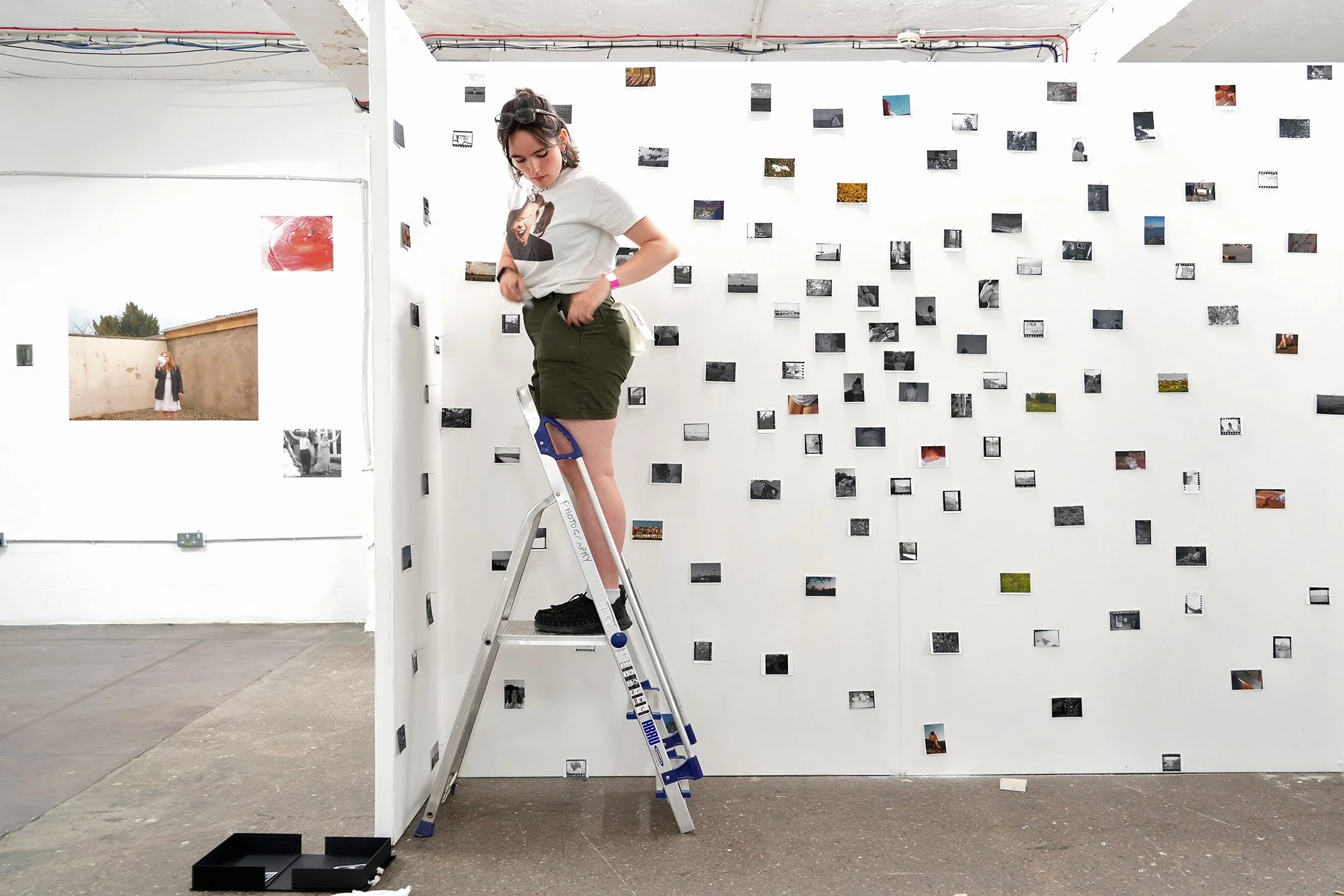

What helps fashion photography graduates stand out beyond having a strong portfolio?
“Clarity of voice. A strong portfolio undoubtedly matters, but what really stands out is when a photographer understands why they make images the way they do and can communicate that clearly. Those who can articulate their point of view, situate their work through references, and demonstrate consistency across projects tend to be far more memorable than those responding primarily to trends or external expectations.”
From Free Range’s perspective, why is it important to create a clearer path between education and industry?
“Because too many talented graduates fall through the gap. Education equips creatives with skills and ideas but industry often operates through informal networks that aren’t accessible to everyone. Creating clearer pathways helps diversify who gets seen, who gets commissioned and whose voices shape the culture. It’s not just beneficial for graduates, it strengthens the industry as a whole.”
Are there any habits or clichés in fashion photography that you hope to see changed or reworked?
“There’s still a tendency for graduates to lean heavily on familiar visual tropes or current trends in an attempt to look ‘industry ready’. What we’d love to see is a move away from imitation and towards more considered, personal decision-making. When photographers understand why they’re drawn to certain aesthetics and rework them through their own voice, the work becomes far more compelling and memorable.”
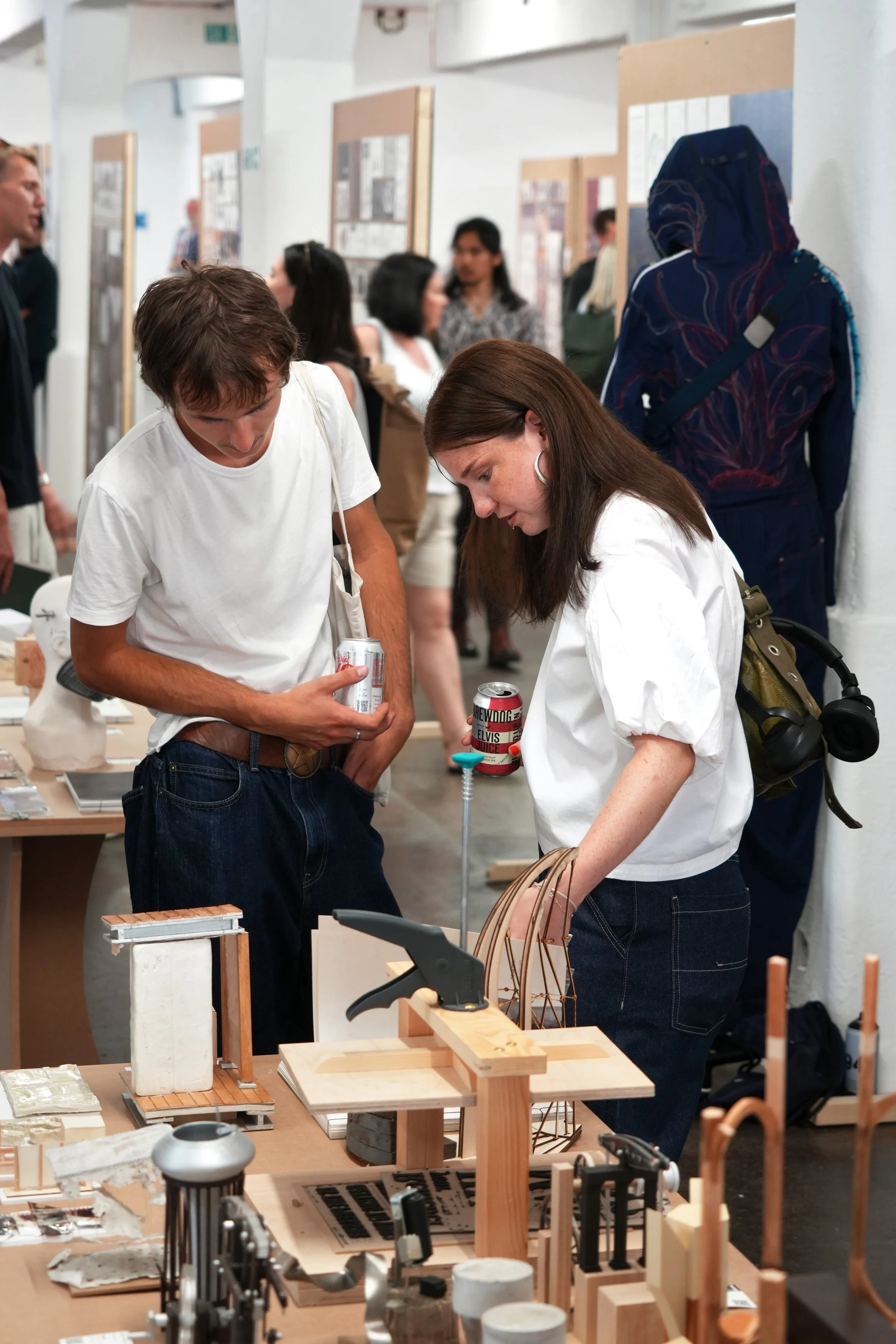


How important is risk-taking or experimentation when aiming to produce industry-ready work?
“It’s essential. Industry-ready doesn’t mean safe or predictable - it means being able to experiment with purpose. The most compelling graduates are those who take risks while maintaining control over their ideas. This shows that the creative industries value originality and authorship alongside technical ability.”
What’s one mistake you regularly see emerging photographers make when trying to appeal to industry?
“One common mistake is trying to appeal to everyone at once. Chasing trends or second-guessing what the industry wants can flatten a photographer's voice. What resonates more strongly is clarity of intent, understanding influences, making deliberate visual choices, and sustaining a point of view across projects. Industry tends to respond more strongly to confidence and conviction than to broad appeal.”
Are you more excited by polished final images or by seeing process and experimentation?
“Both matter, but process and experimentation are often where a photographer’s talent becomes most visible. Polished images show technical ability, but experimentation reveals curiosity, confidence, and how ideas develop. Seeing how someone thinks, tests, and refines their work gives a clearer sense of their long-term potential.”
What would make a Fashion Photography Award winner stand out as someone ready to take their practice into industry?
“We’d be looking for someone who combines a strong visual identity with a clear sense of intention. An award winner wouldn’t just produce polished images, but would demonstrate how they think, experiment, and develop ideas over time. Someone who understands their own practice, takes risks with purpose, and shows their work could evolve sustainably beyond graduation.”
As judges for the Fashion Photography Award at GFW26, what excites you most about fashion photography right now?
“There’s a growing confidence in graduates to challenge where fashion photography belongs and who it’s made for. We’re seeing more work rooted in lived experience, hybrid practices that blur the lines between art, documentation, and storytelling, and a willingness to question traditional industry frameworks. That sense of curiosity and self-belief is really exciting.”
Through their work with emerging creatives, Free Range continues to challenge how talent is discovered and supported. Their focus on voice, experimentation, and long-term development highlights a shift toward a more thoughtful and inclusive future for fashion photography: built on confidence, curiosity, and creative authorship.
