
Storytelling Through Community: Turning Heritage into Visual Language with the Moving Image Award winner
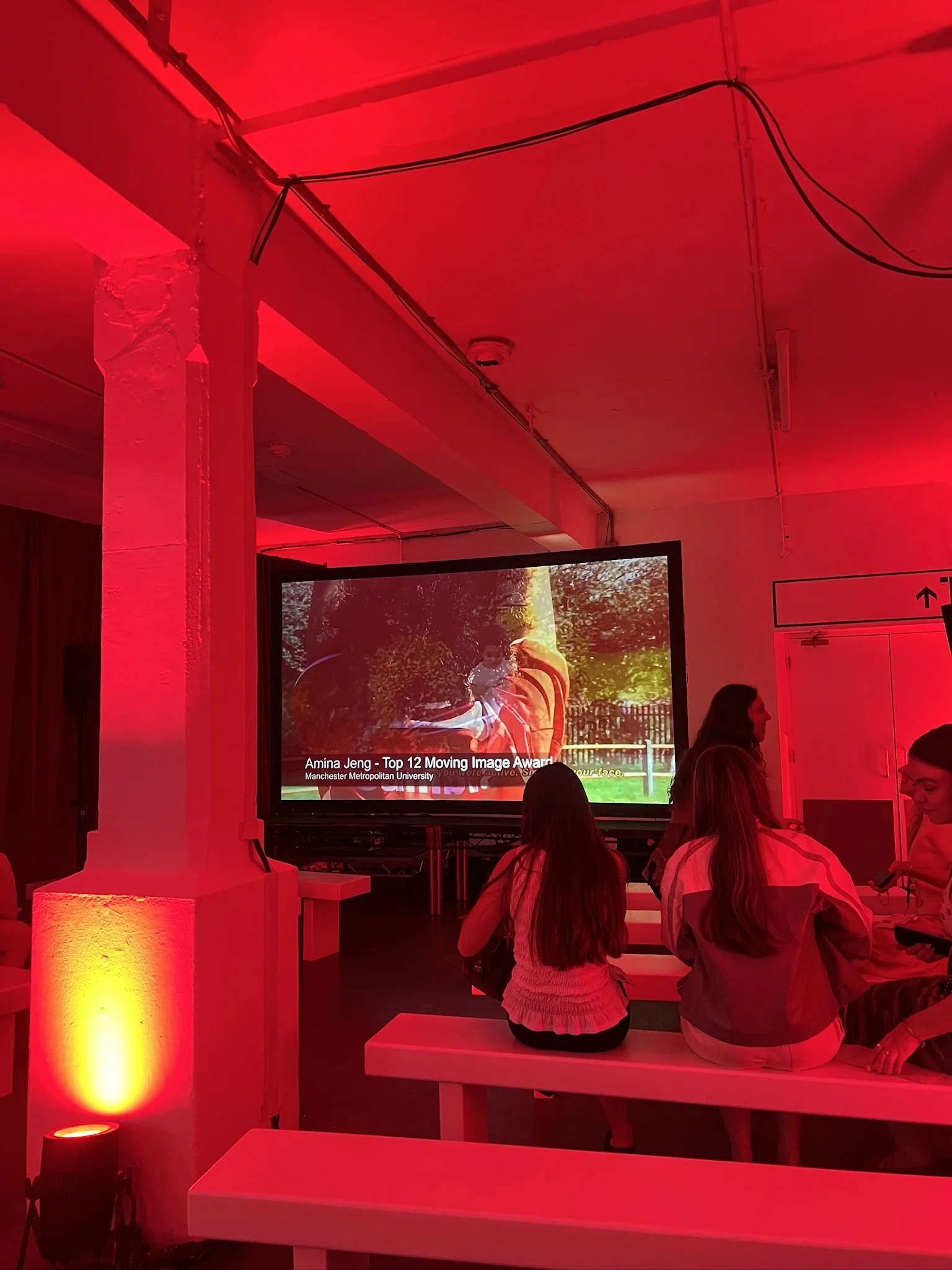
An Interview with the winner of the Moving Image Award 2026: Amina Jeng from Manchester Metropolitan University.
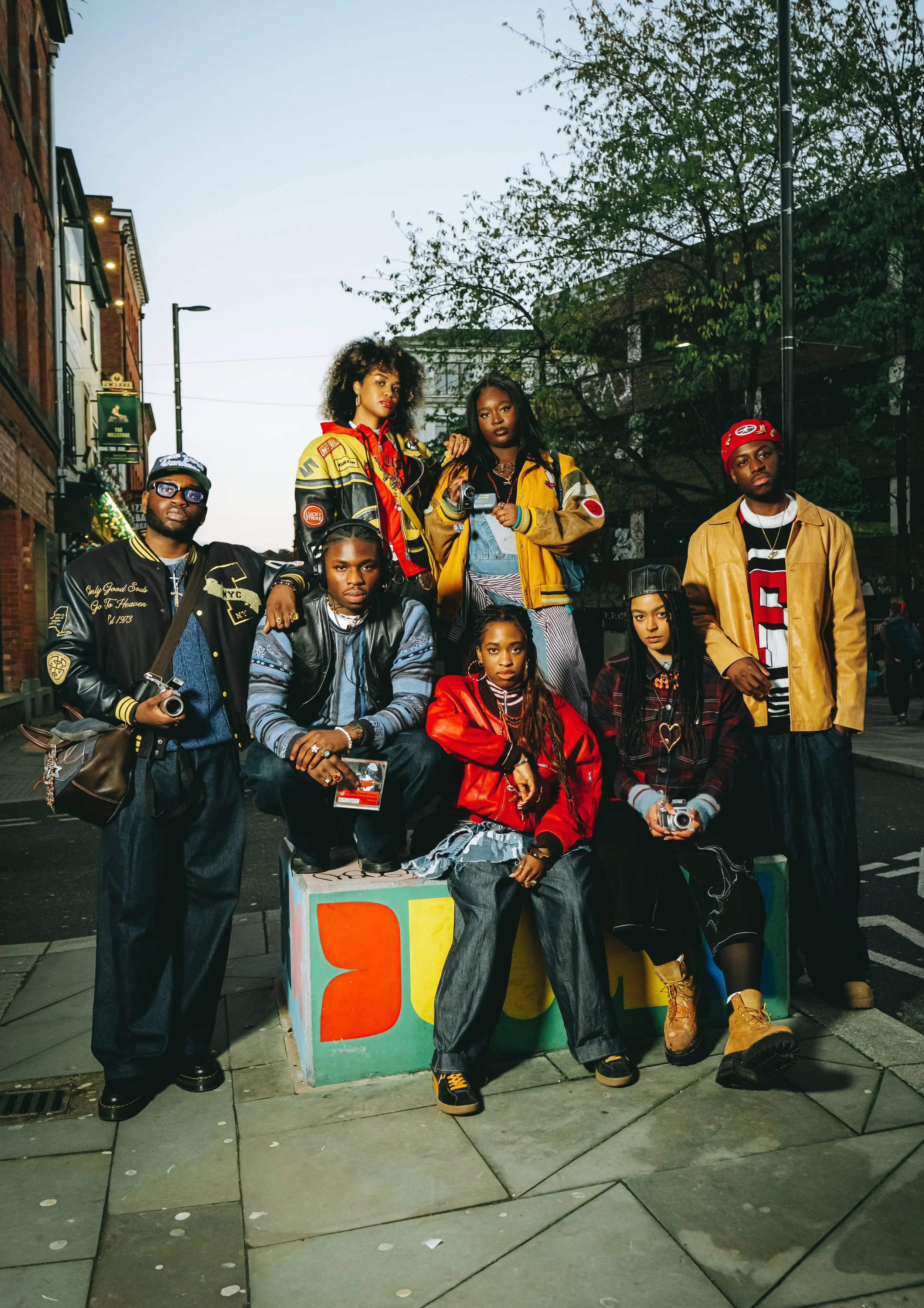
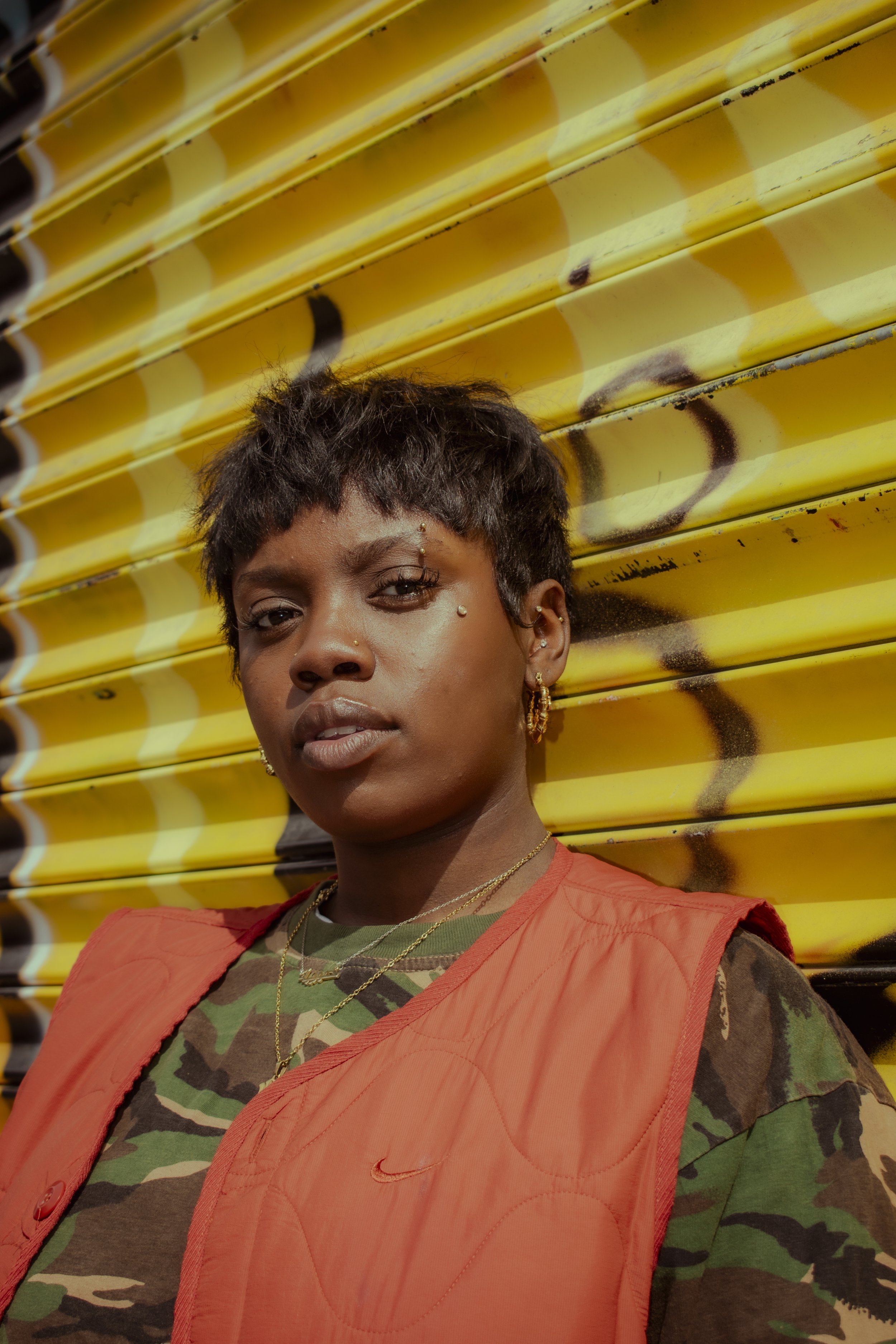
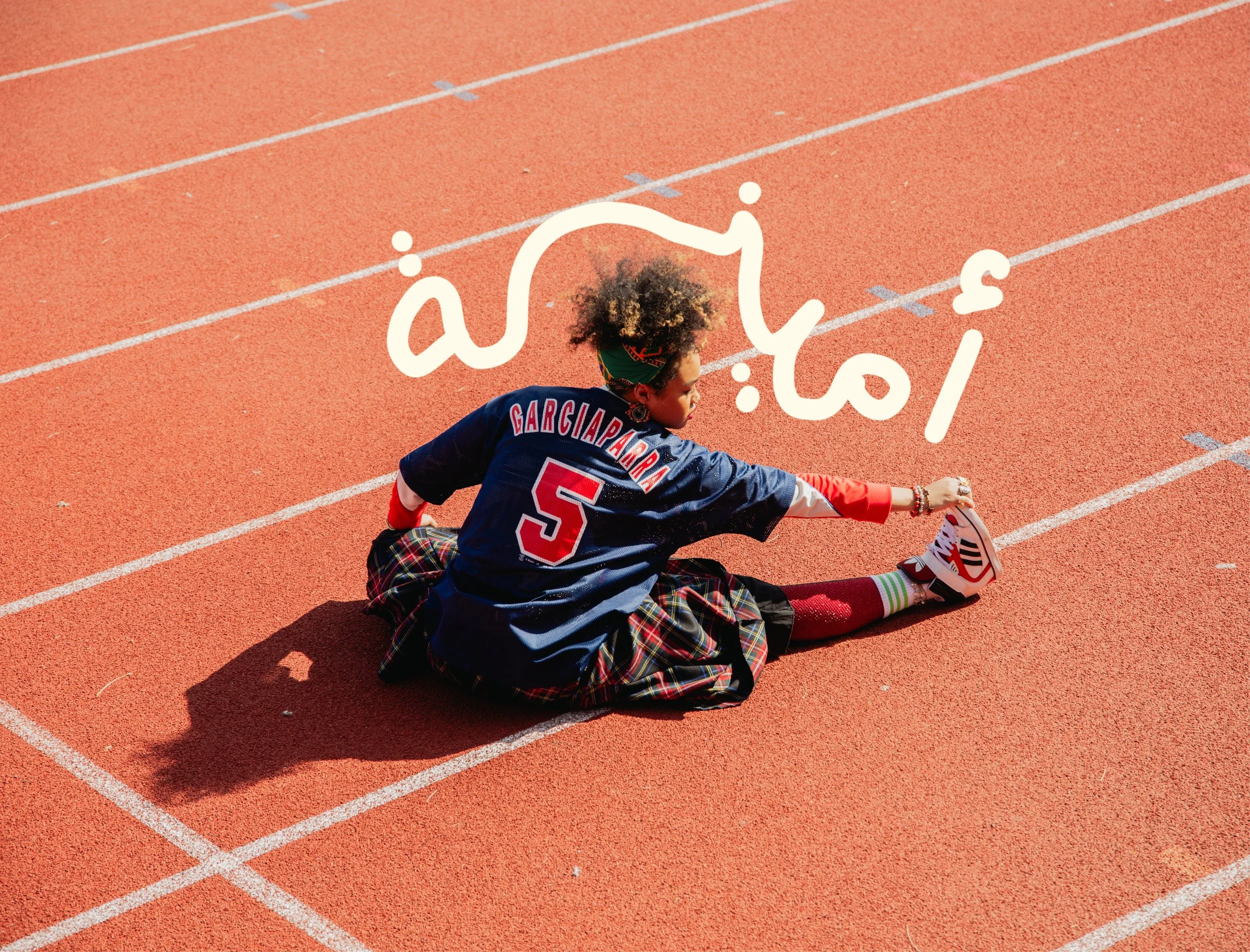
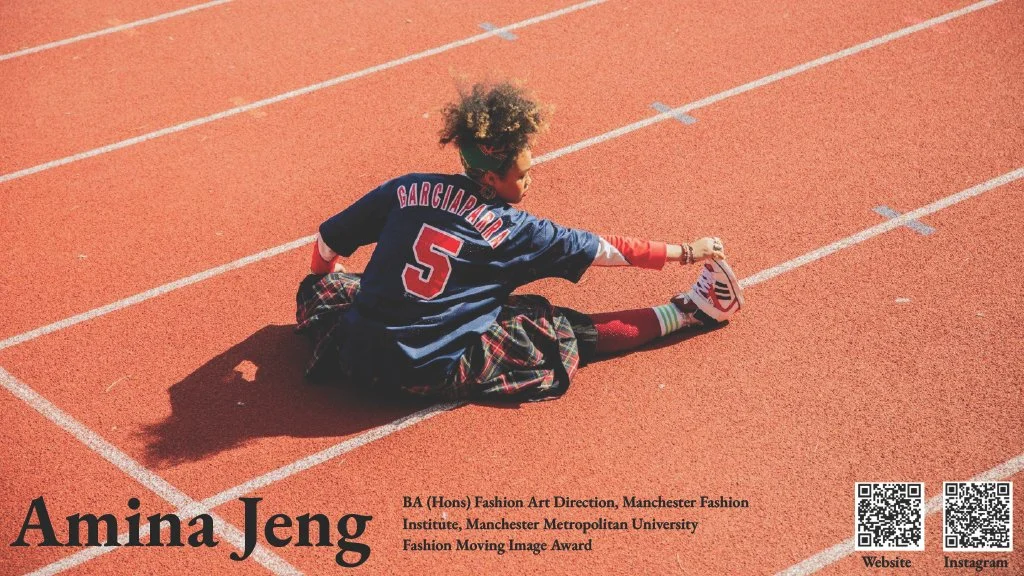
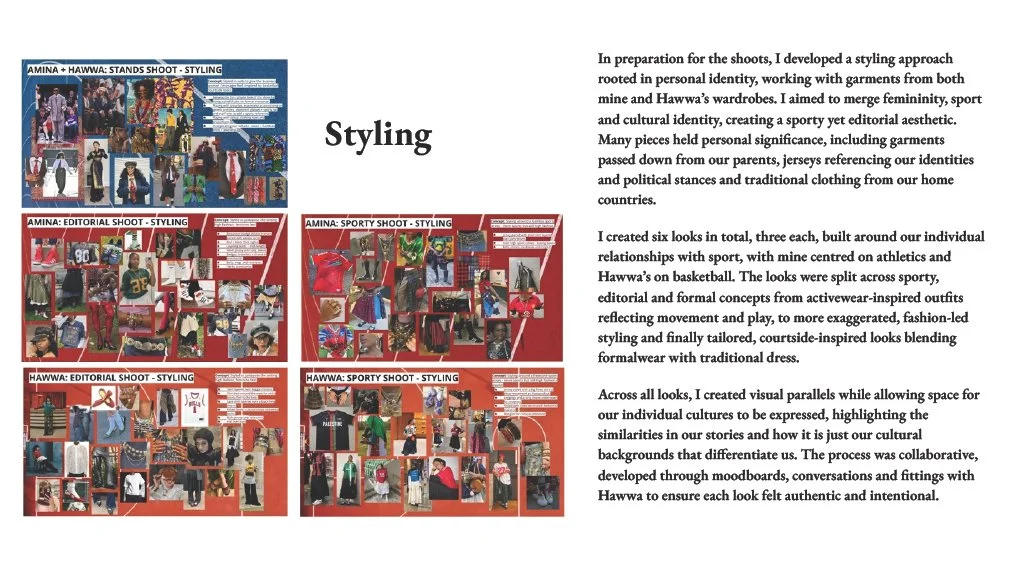
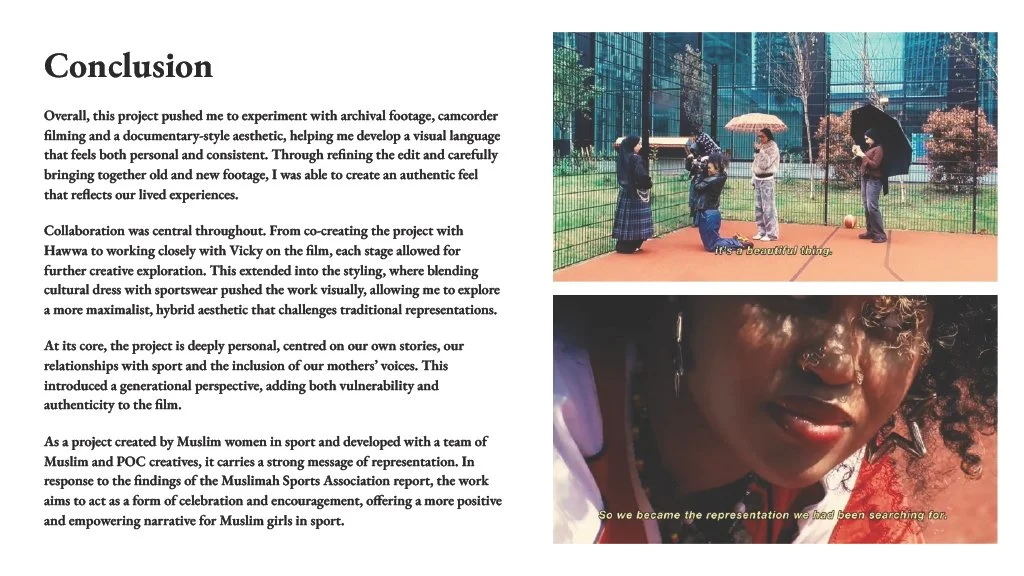
Amina Jeng describes herself as a multidisciplinary creative director; working across creative direction, styling, photography, film, writing and production. Drawing from her Gambian heritage, Muslim identity, upbringing in the North, and experiences as a young woman in the creative industry, her work focuses on documenting and celebrating the underrepresented communities she is a part of through authentic, community-led storytelling.
Collaboration sits at the heart of her practice. She works to involve the creative community around her, whether that's providing a platform for emerging creatives to share their work or bringing them into projects behind the scenes. Her inspiration comes from Black art exhibitions, museums, learning more about her history, conversations within her communities and the current social and political issues affecting. Her work is often a response to something she has seen or learnt, transforming those influences into stories that educate and celebrate.
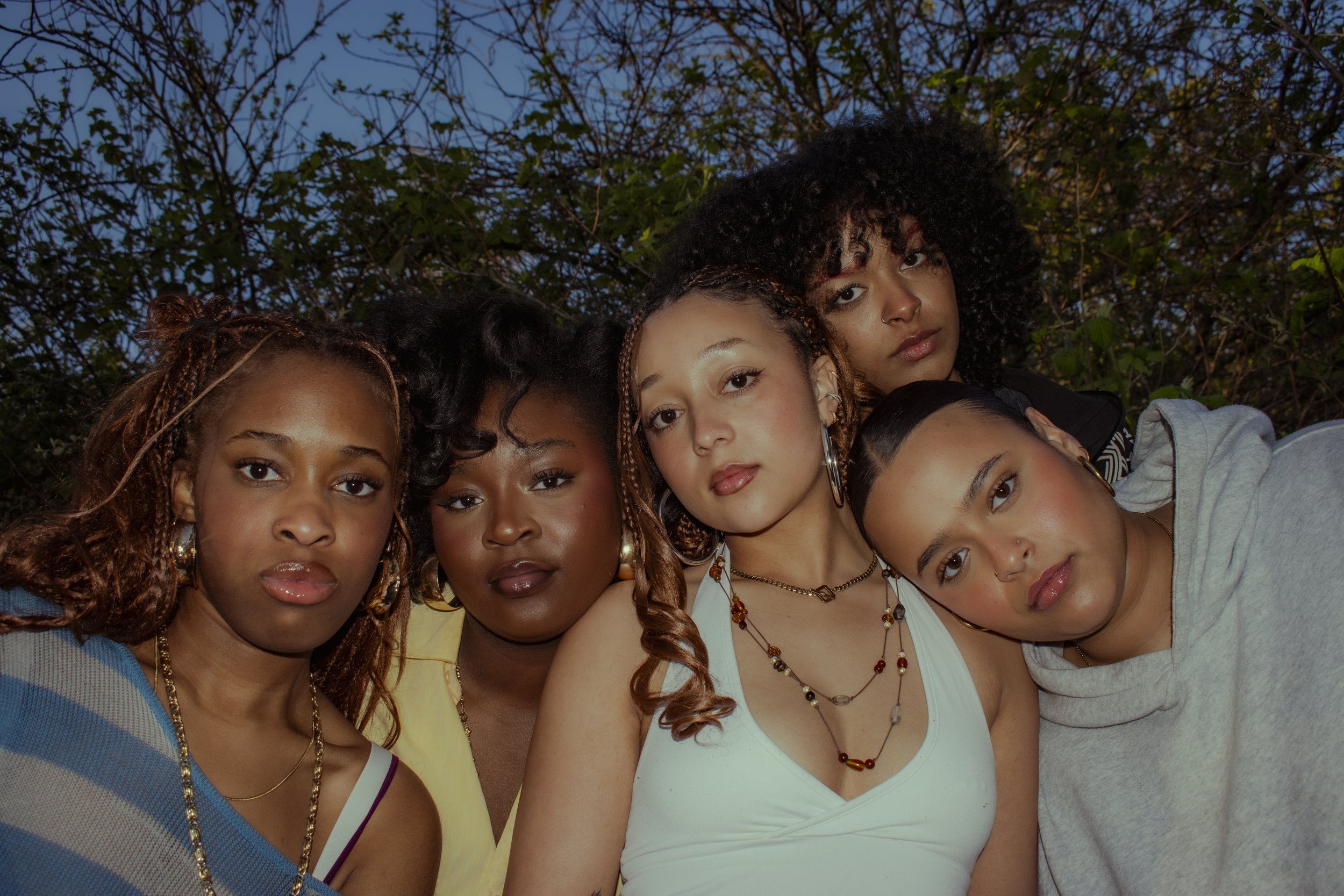
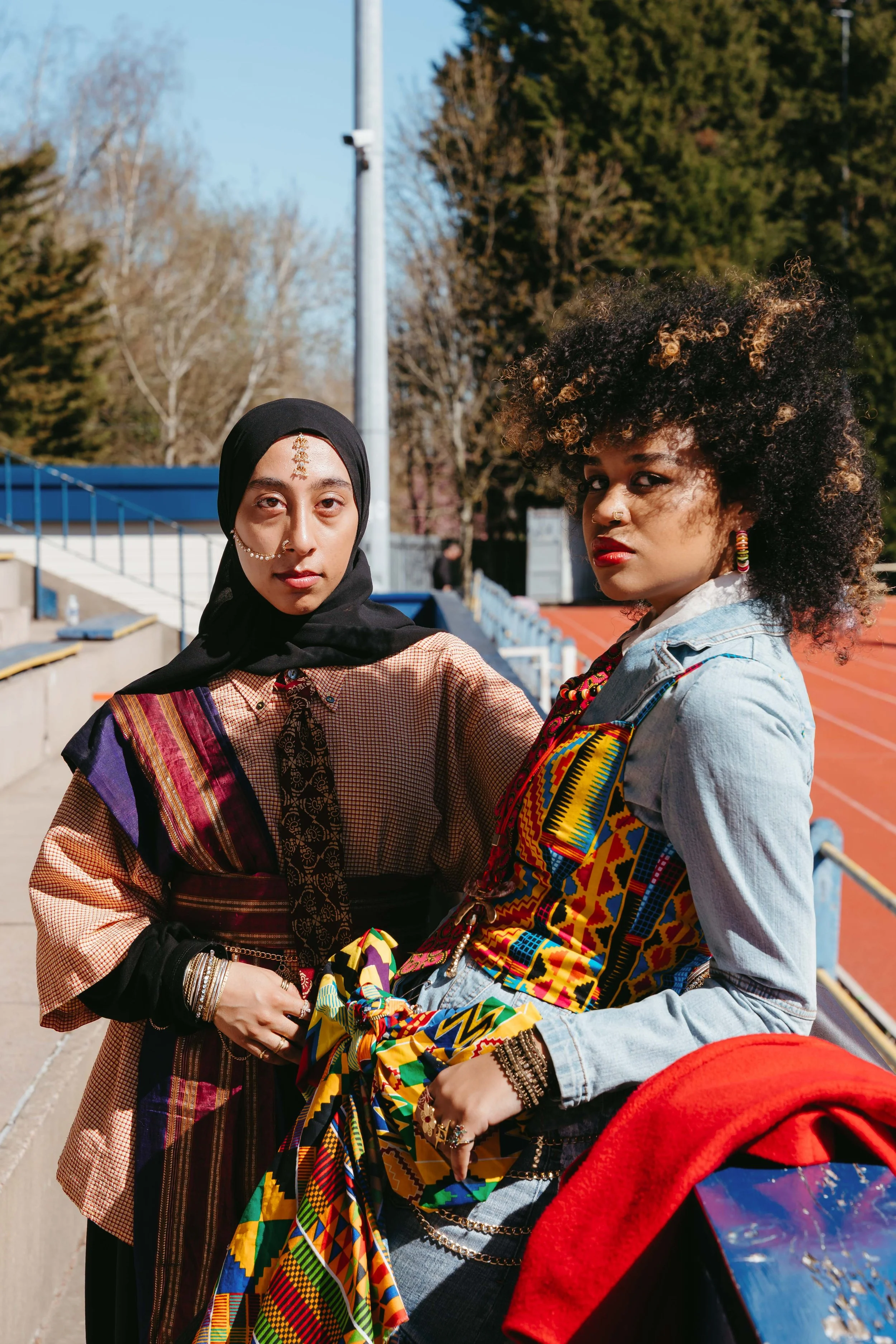
What unexpected source influenced your final outcome?
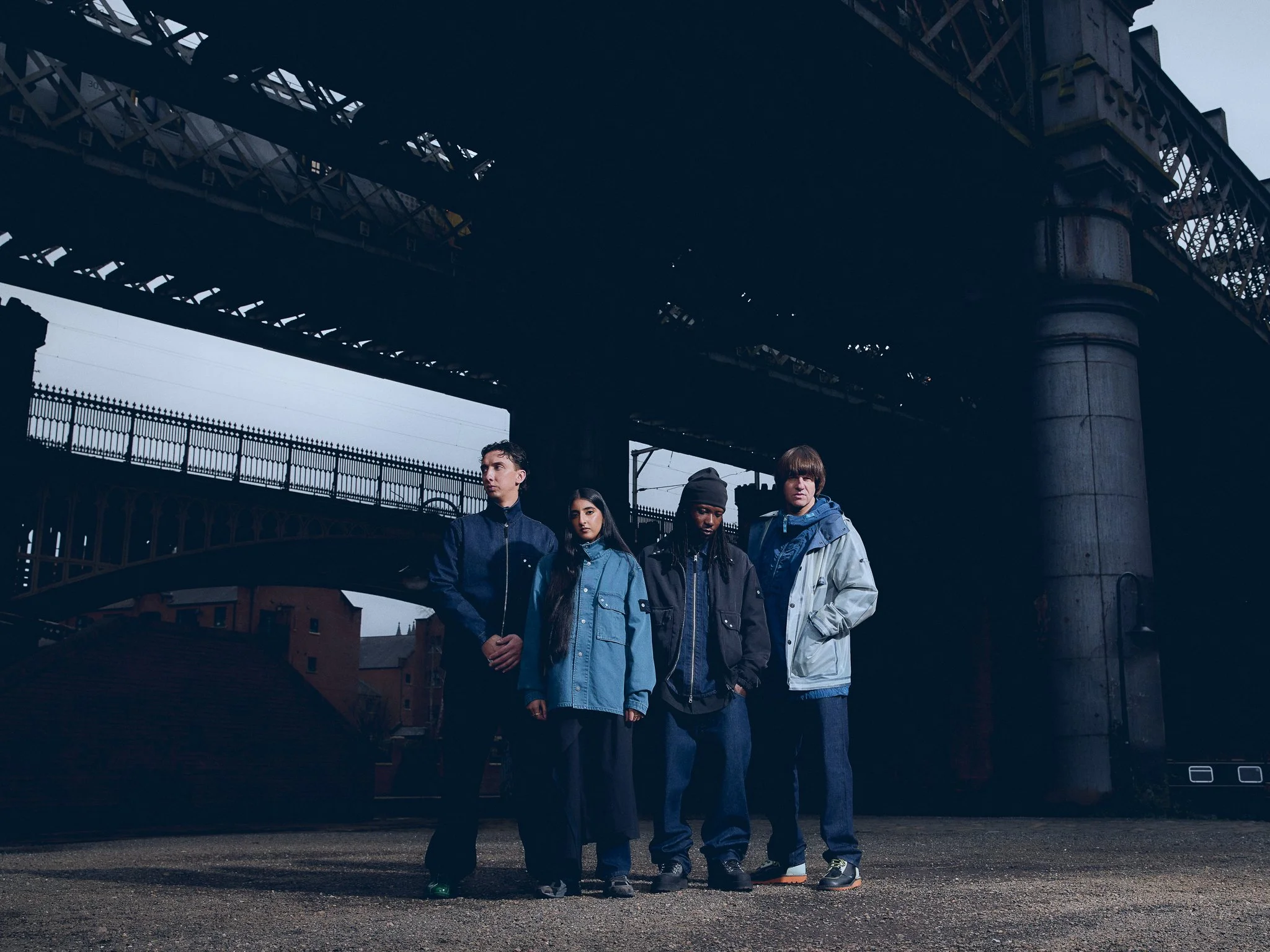
“My final major project was made up of several smaller projects, each exploring different stories from communities I’m connected to. One of these was a campaign I creative directed for Stone Island’s Denim Research 2026 collection, produced in collaboration with SEVENSTORE.
While researching for the project, I was surprised by the depth of Stone Island’s relationship with Northern culture. I discovered how the brand has resonated across multiple generations and subcultures, becoming part of the identity of so many communities. Understanding that history became a key influence on the campaign’s creative direction and helped shape the story I wanted to tell.”
What’s the best piece of creative advice you’ve ever received?
“If you have an idea, act on it.
As creatives, we often talk ourselves out of opportunities before we’ve even started. We convince ourselves we don’t have enough experience, knowledge or resources. The best advice I’ve received is to ignore those doubts and begin anyway. Many of the skills I have today came from stepping into situations I wasn’t fully prepared for and learning as I went. Growth happens through doing, so be ambitious, be brave and trust yourself and your work.”
How would you describe your creative voice in three words?
“Vibrant. Cultural. Community-driven.”
What kind of impact do you hope your work has beyond aesthetics?
“For me, aesthetics are only the starting point. I want my work to create visibility and encourage meaningful conversations. Whether someone sees themselves reflected in the work or learns about a community they weren’t previously familiar with, I hope it broadens perspectives and challenges assumptions.
I also want my work to inspire younger creatives from similar backgrounds to pursue their ambitions confidently. Seeing someone who shares your experiences working in the creative industries can be incredibly powerful and I hope my work contributes to creating more pathways for future generations.”


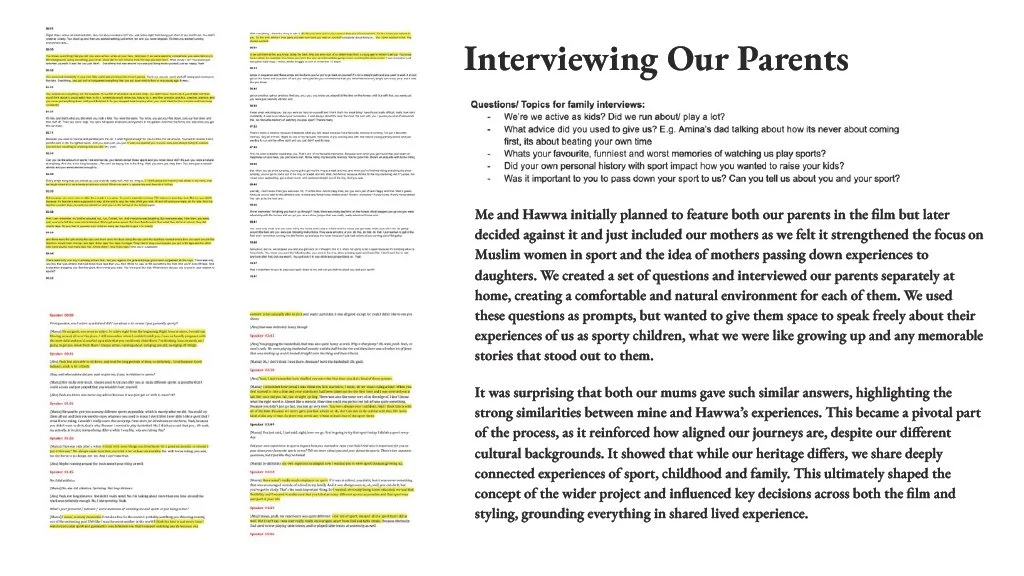


Which designer, artist or creative would you most like to show your work to?
“I’m inspired by creatives who refuse to limit themselves to one discipline, particularly within the Black creative community. Tyler, the Creator is someone whose work I admire because of his willingness to explore different mediums without being constrained by expectations. Whether it’s music, fashion or creative direction, he approaches every project with ambition, curiosity and confidence.
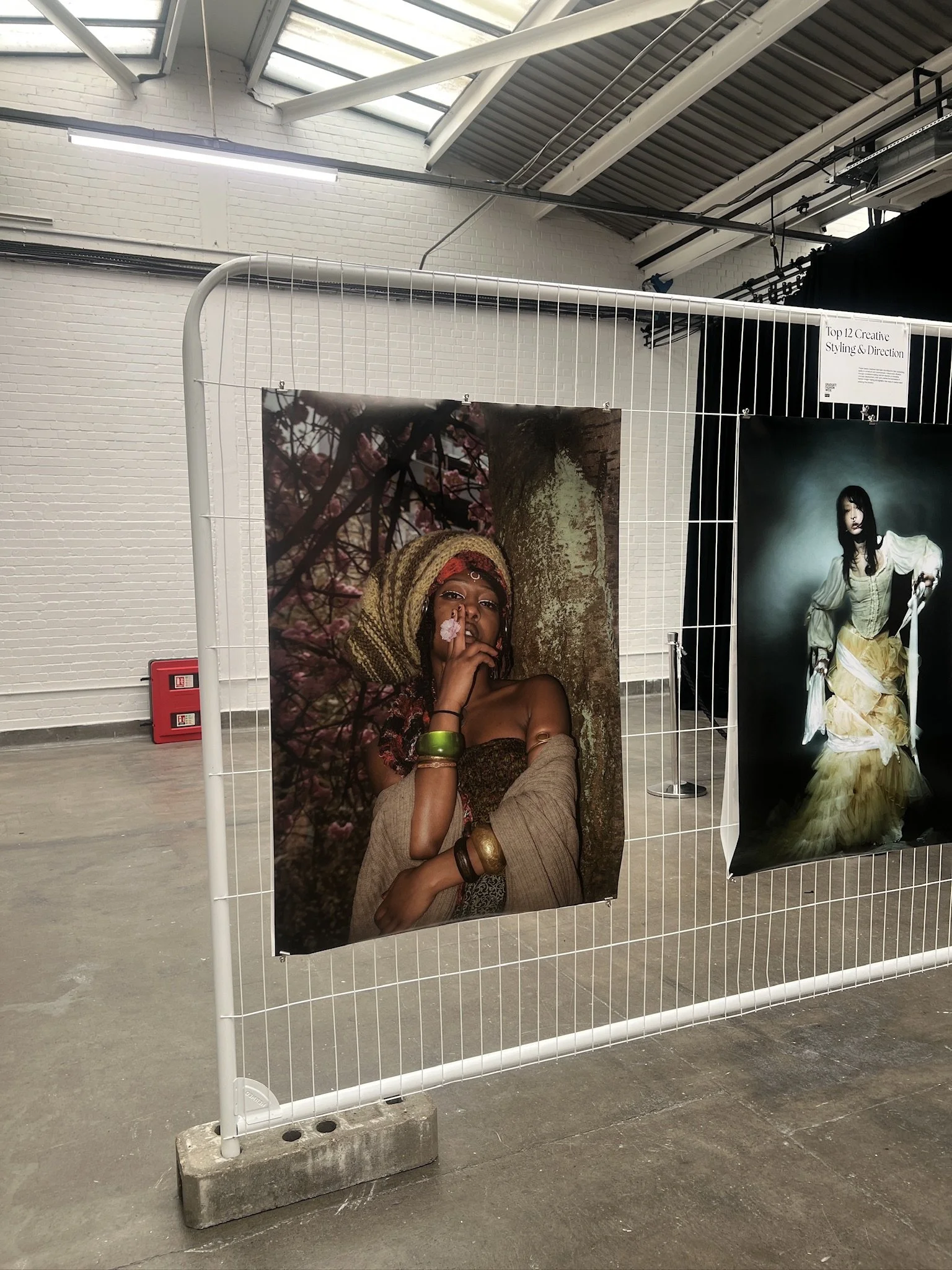
Samuel Ross is another creative I’d love to share my work with. Hearing him speak at Graduate Fashion Week about his journey from working backstage and assisting to collaborating with Virgil Abloh and founding A-COLD-WALL* was incredibly inspiring. I’d love the opportunity to show him my work and learn more about his experiences navigating the industry.”
What conversations do you hope your work starts?
“I hope my work encourages conversations about who gets to be seen, celebrated and remembered within the creative industries. There are so many talented individuals and communities whose stories are often overlooked and I want my work to contribute to changing that.
More importantly, I hope it encourages dialogue around access, opportunity and belonging. I want people from underrepresented backgrounds to feel that there is space for them within fashion and the wider creative industries and I want institutions to recognise the value and importance of diverse perspectives.”
What advice would you give to a student currently starting their final collection or portfolio?
“Use your final project as an opportunity to create the work you’ve always wanted to make. Once you enter the industry, complete creative freedom can be rare, so this is your chance to explore your interests, experiment and define your voice.
The strongest projects come from genuine passion and personal connection. When your work is truly aligned with who you are and what you care about, it naturally attracts the right opportunities and the right people.”
So what’s next for you after graduating?
“Alongside my university studies, I’ve been building a freelance career across a variety of creative disciplines and I plan to continue developing that after graduation. I’m excited to collaborate with more creatives, brands and platforms while expanding the scope of my work. I’m particularly interested in continuing to work across fashion, culture and storytelling, creating projects that connect communities, challenge perspectives and make a meaningful impact. This feels like the beginning of a much bigger journey and I’m looking forward to seeing where it takes me.”
