
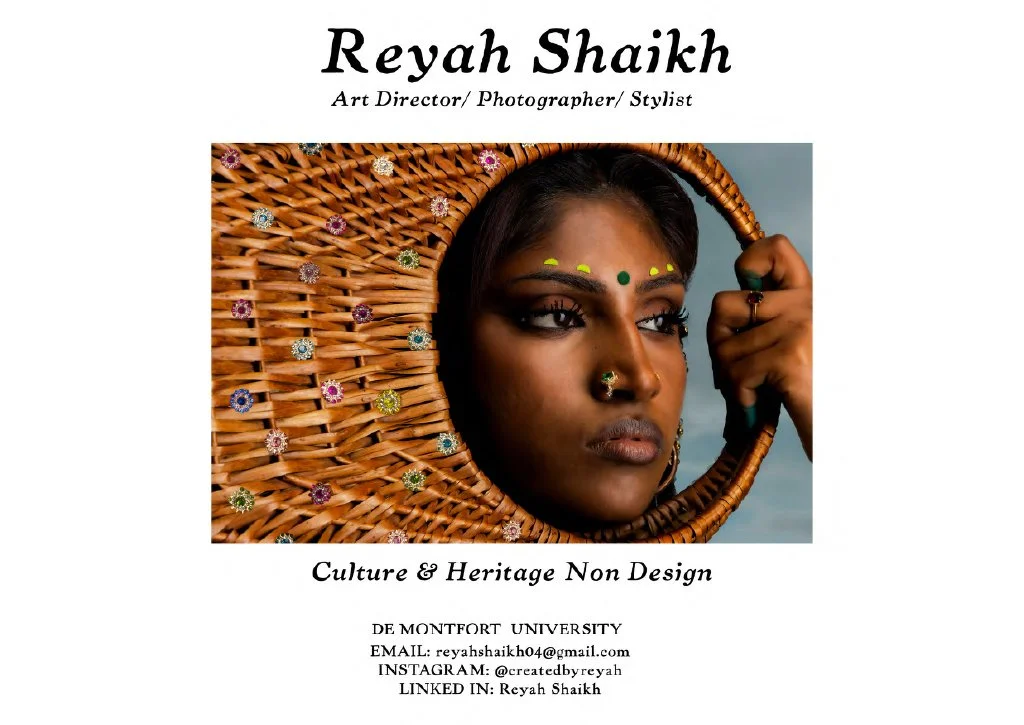
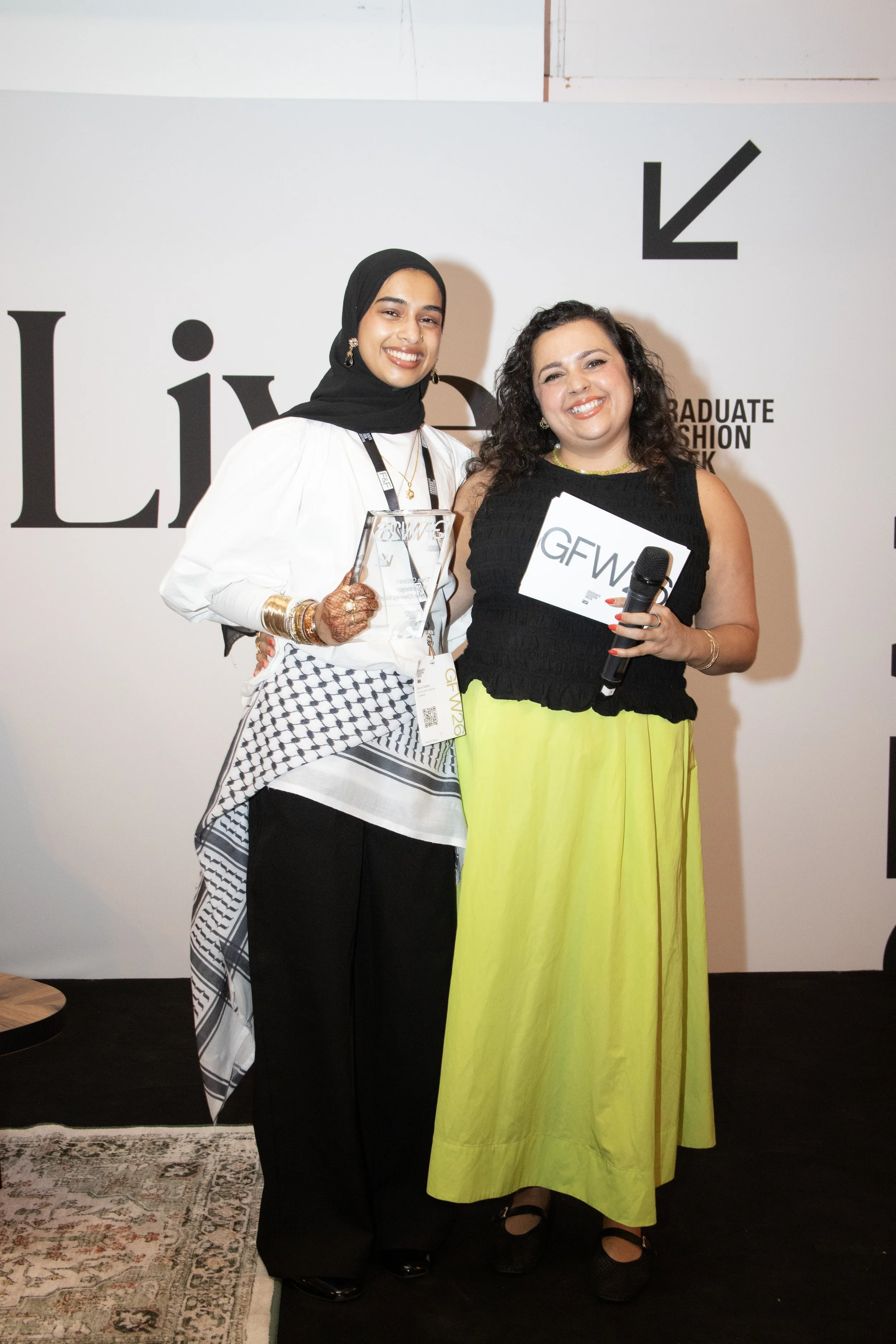
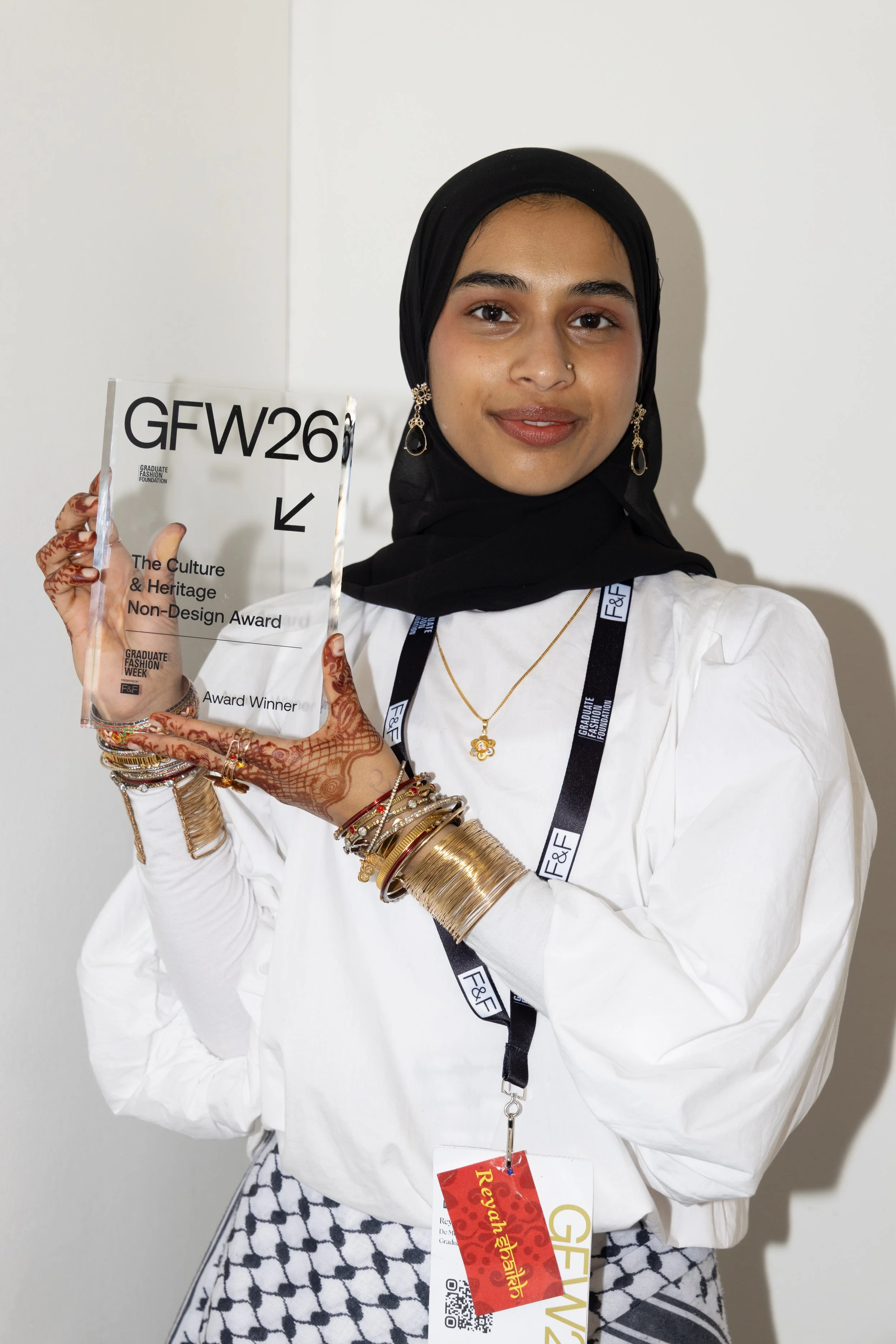
An Interview with the winner of the Culture & Heritage (Non Design) Award 2026: Reyah Shaikh From De Montfort University.
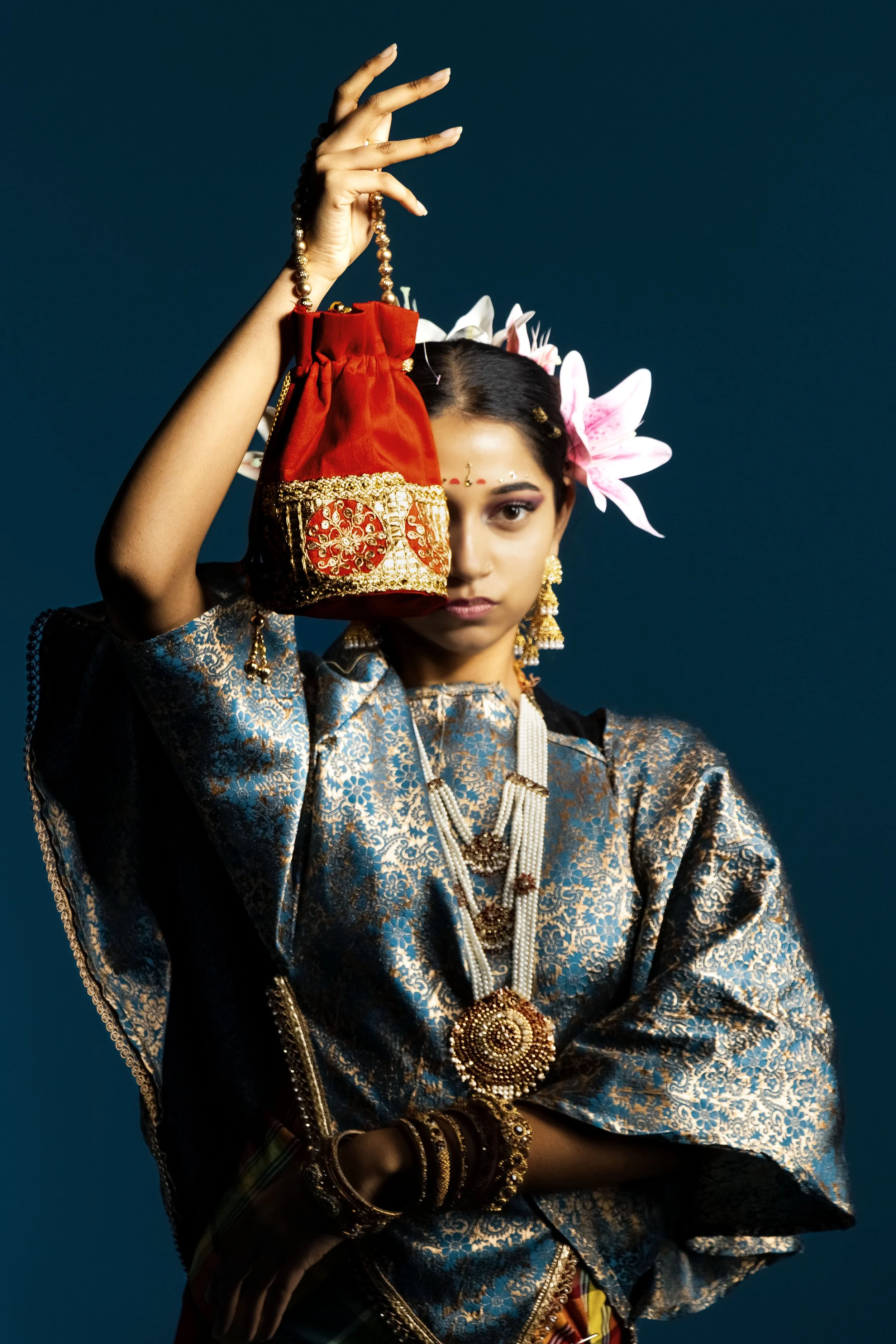
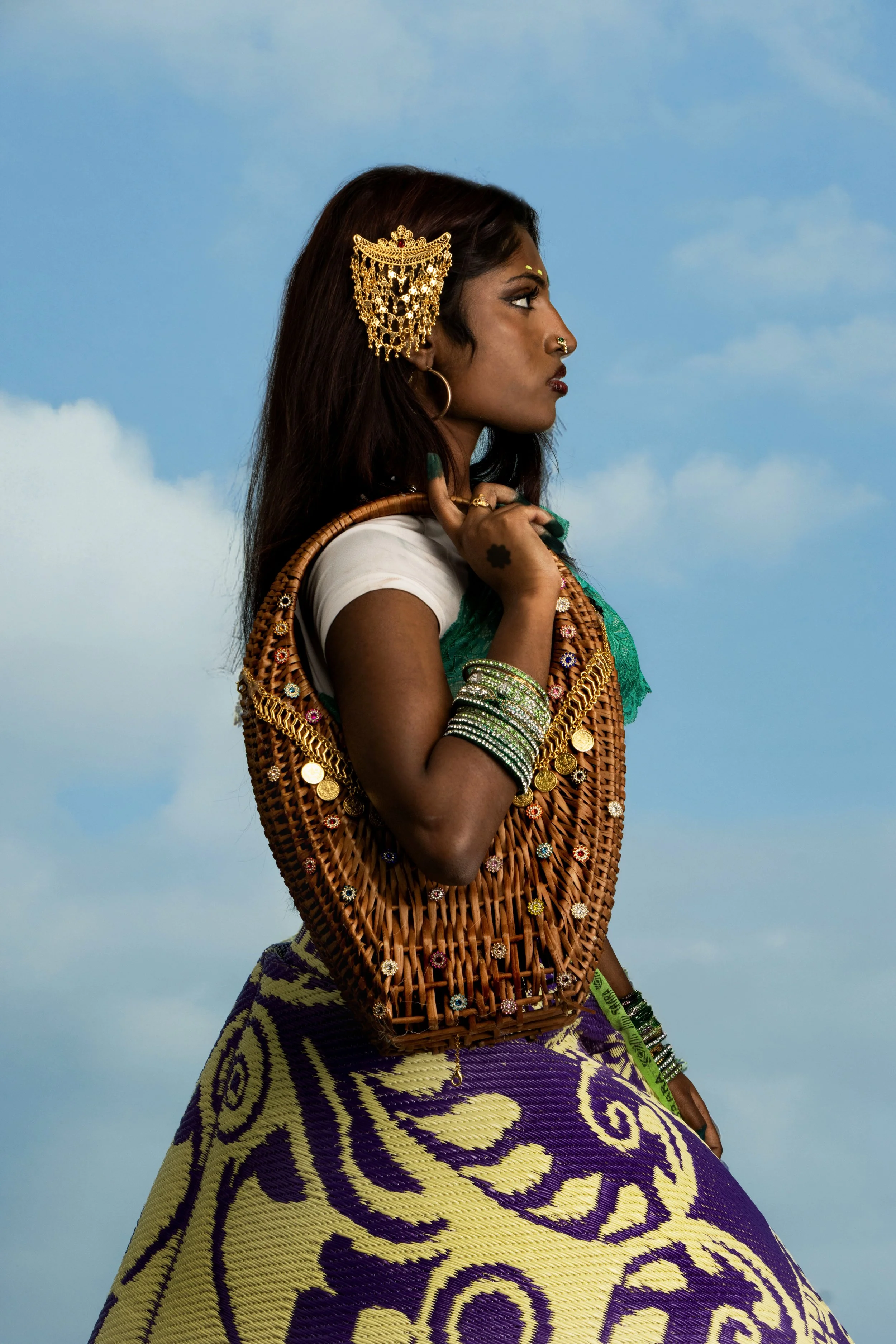
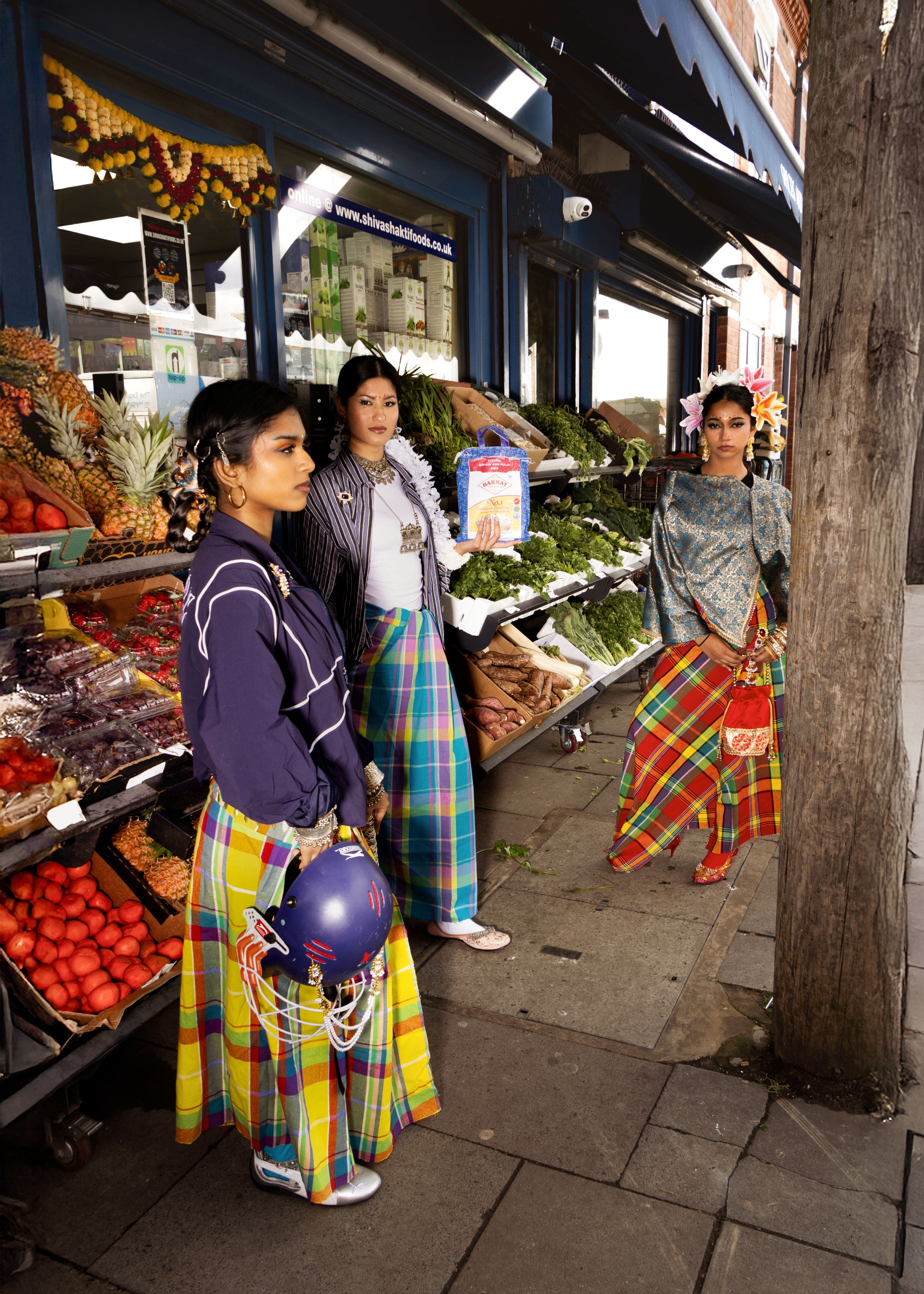
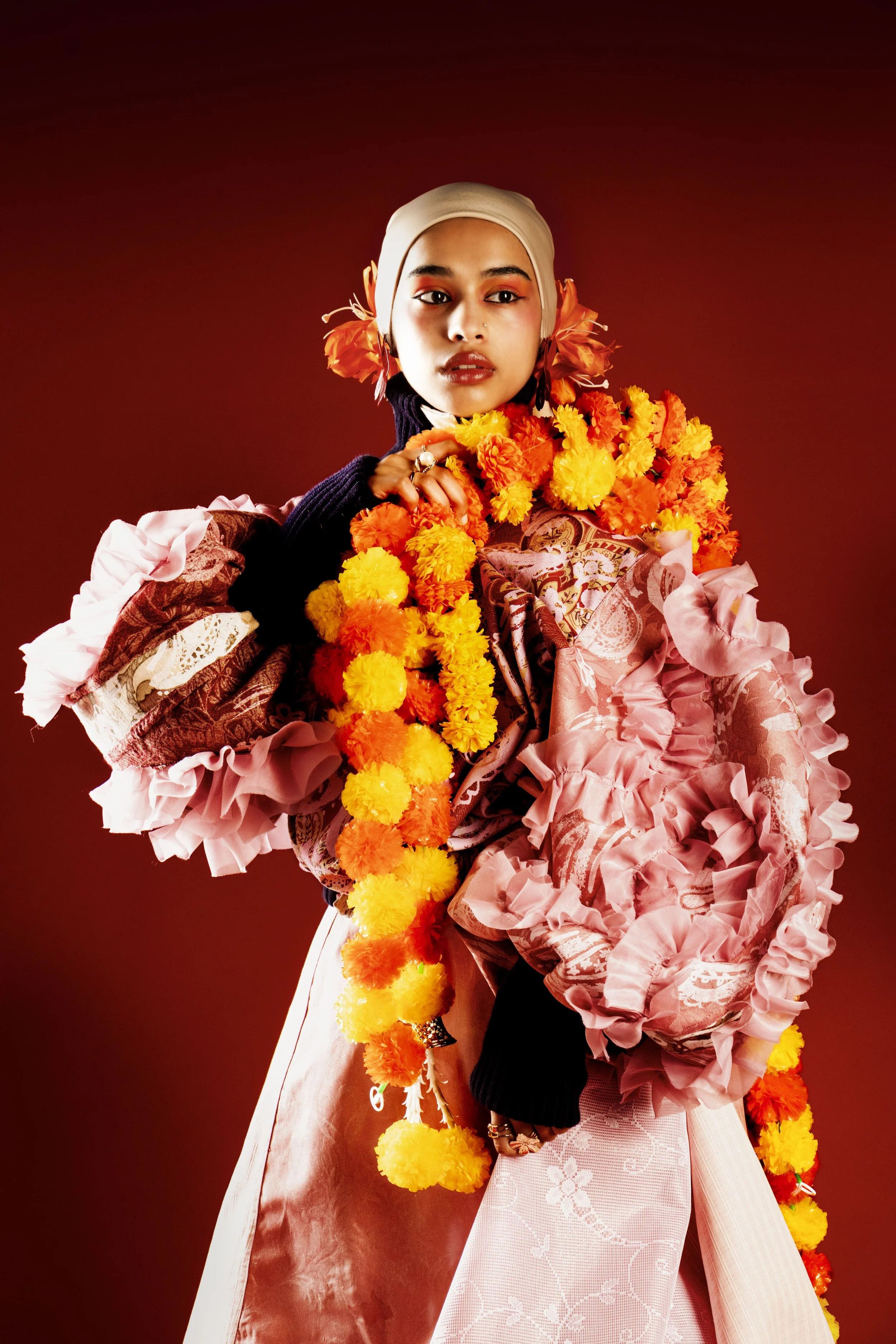
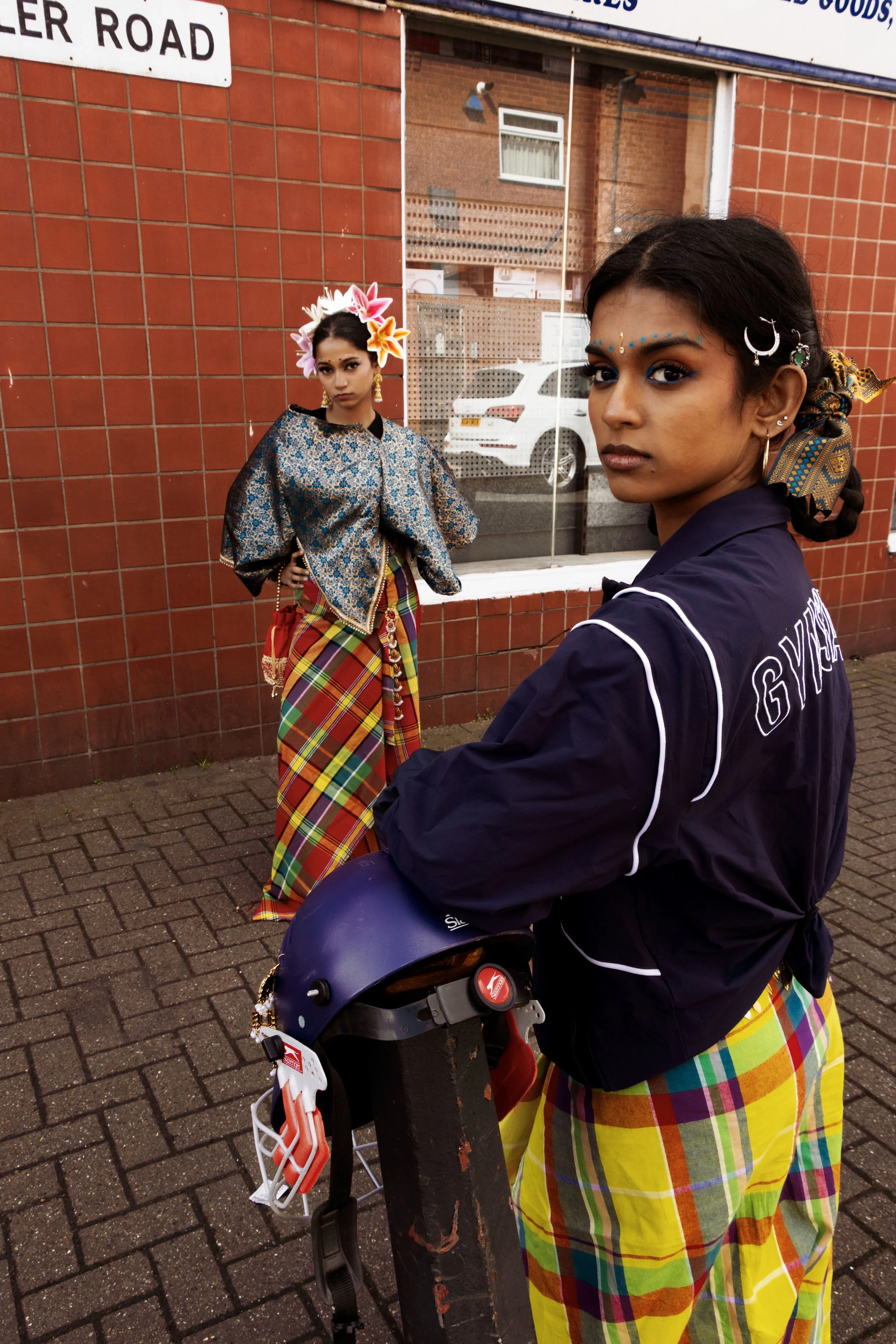
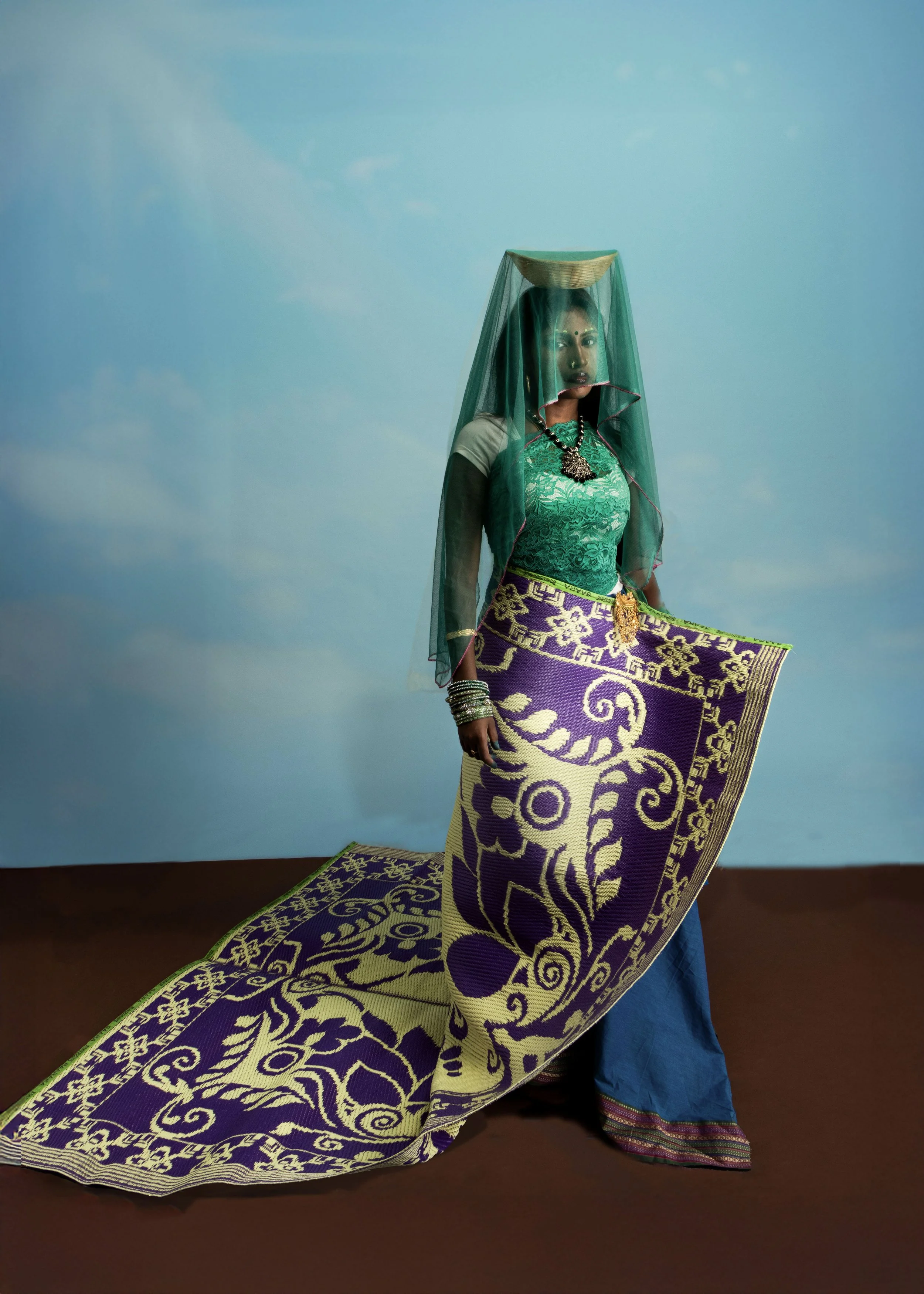
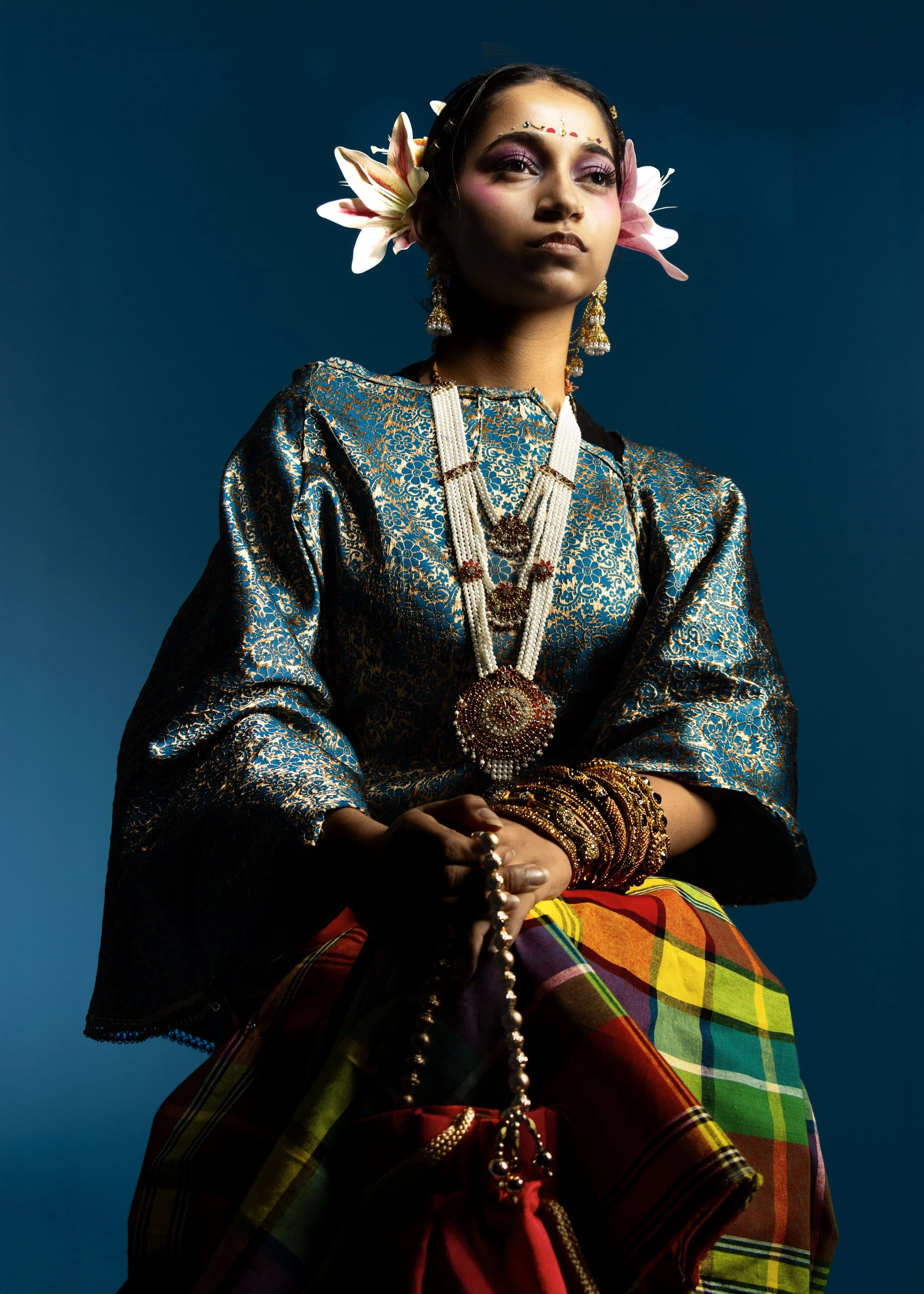
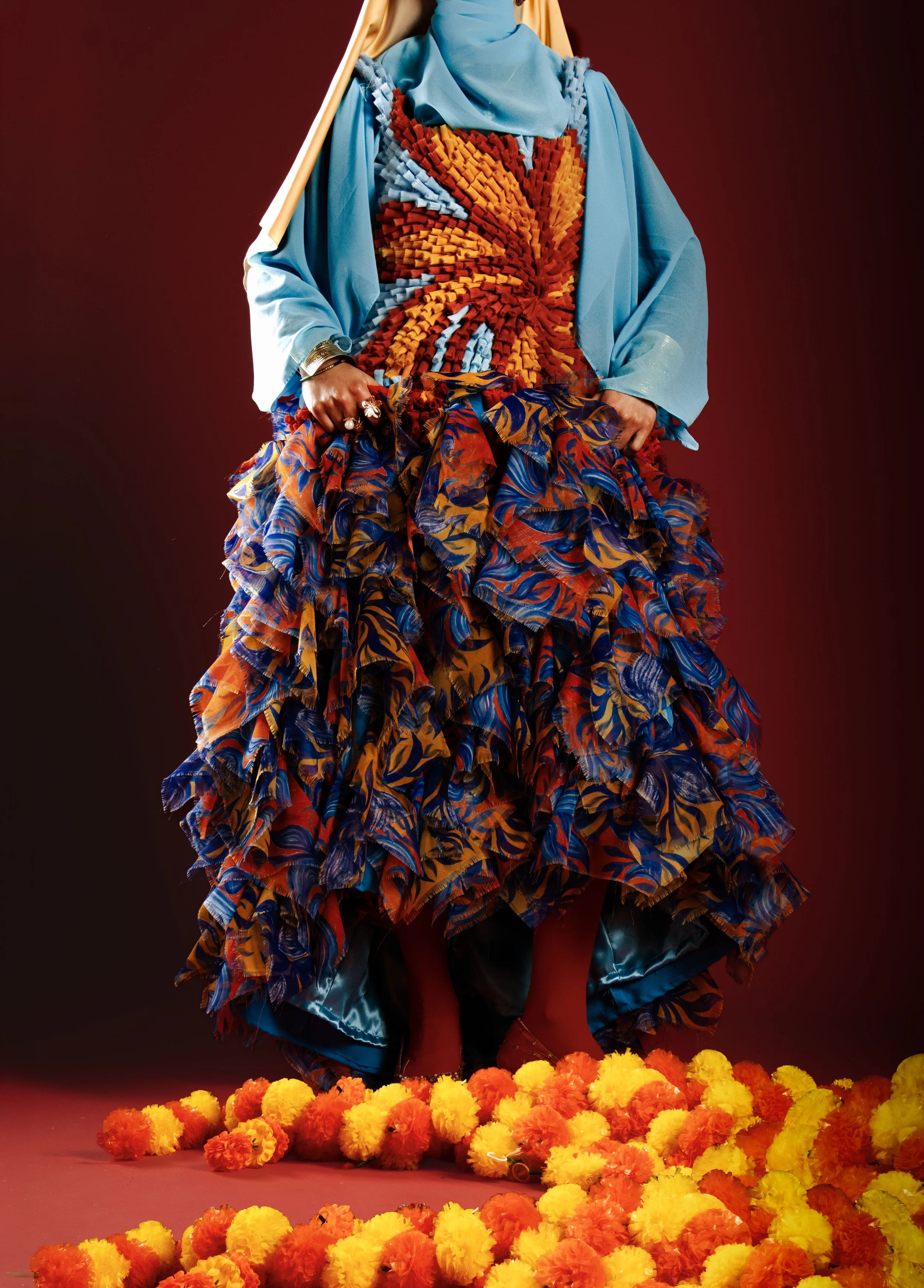
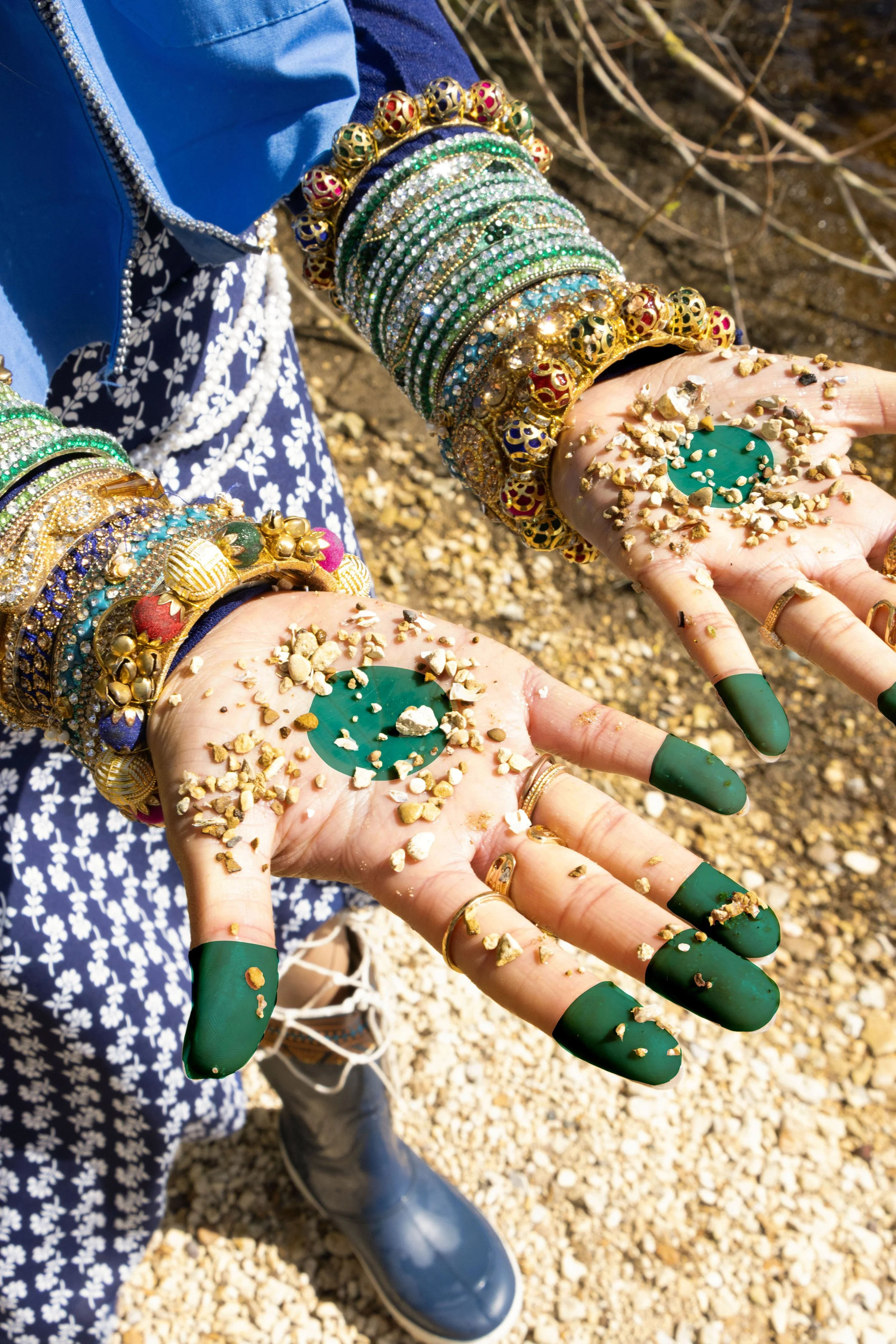
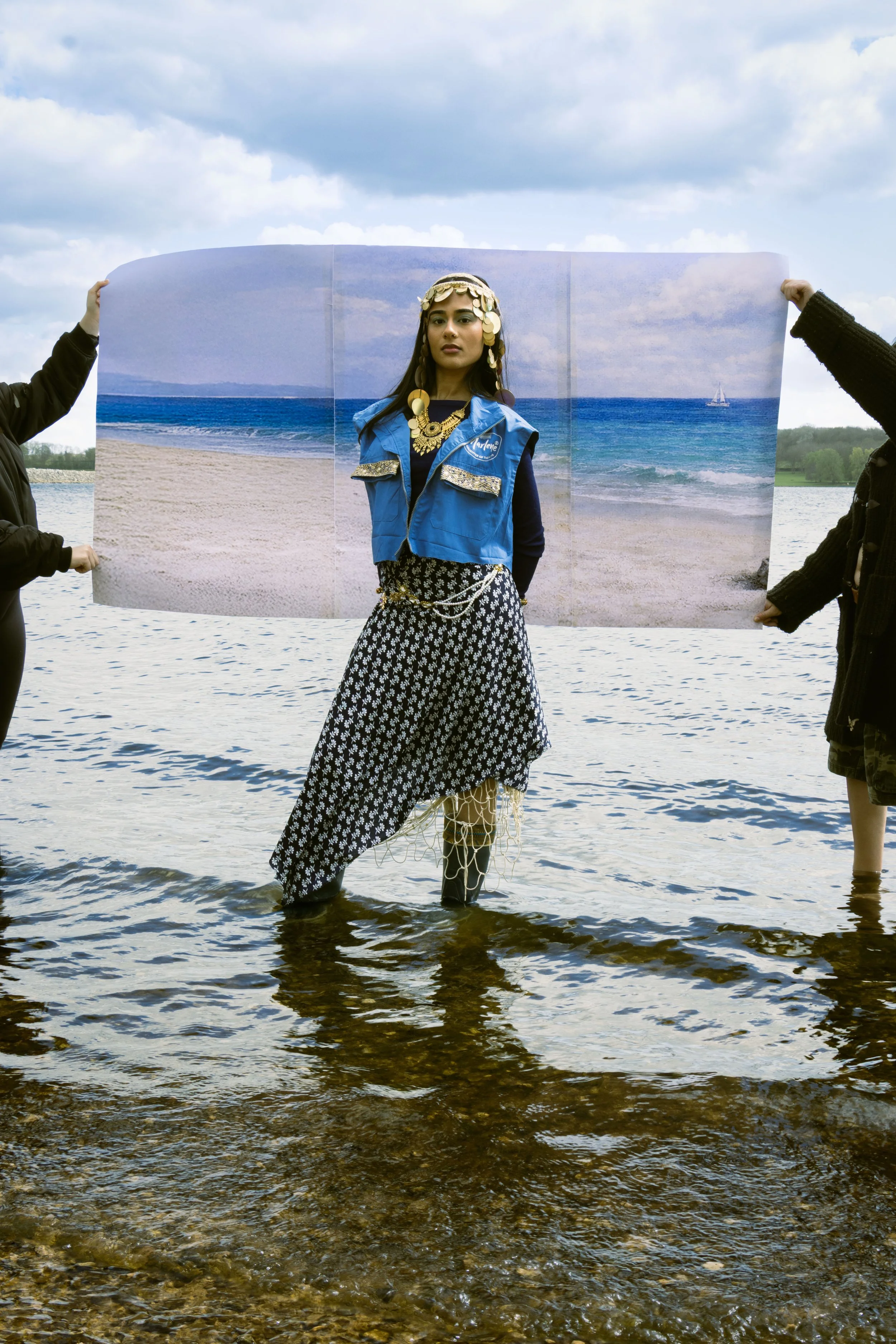
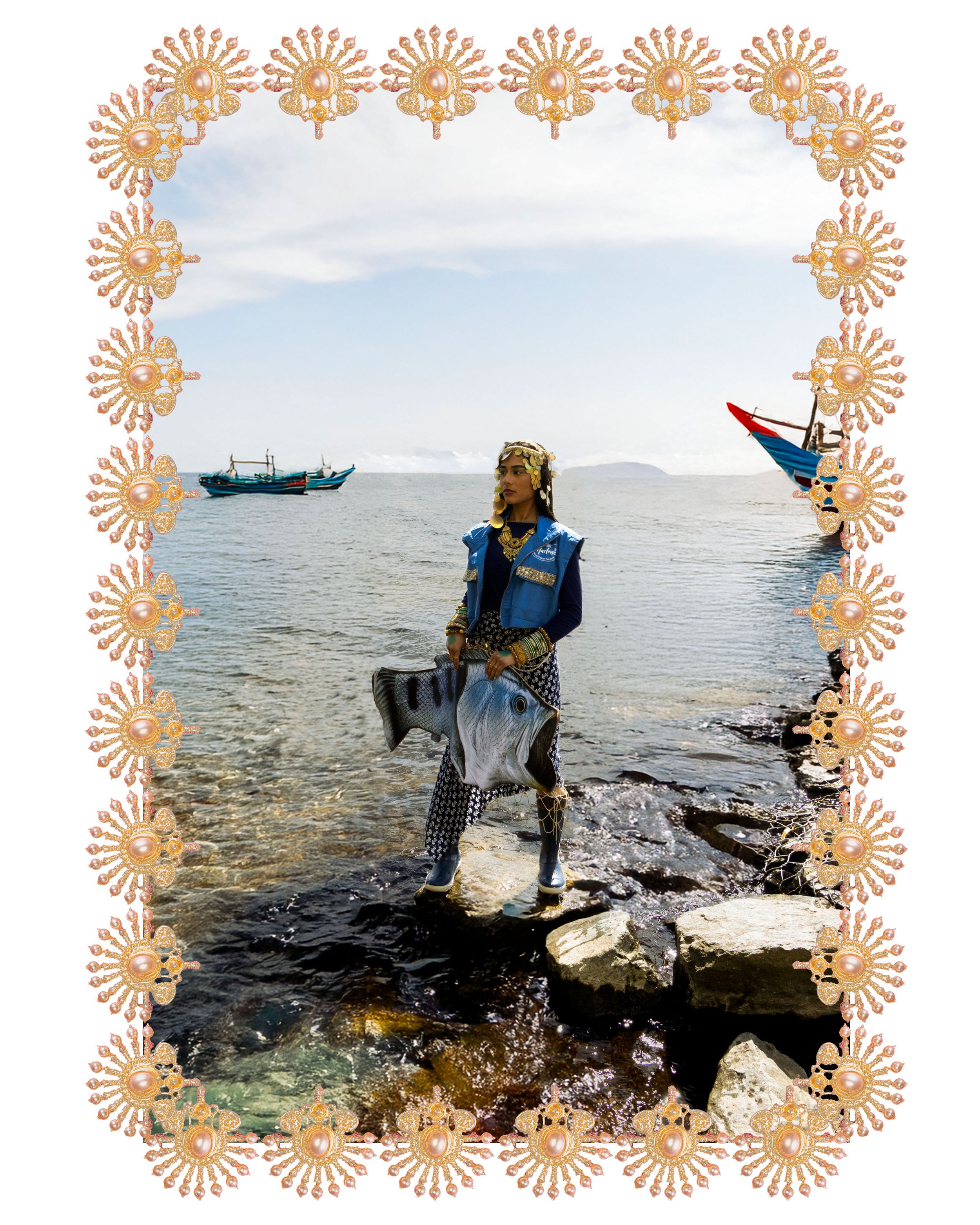
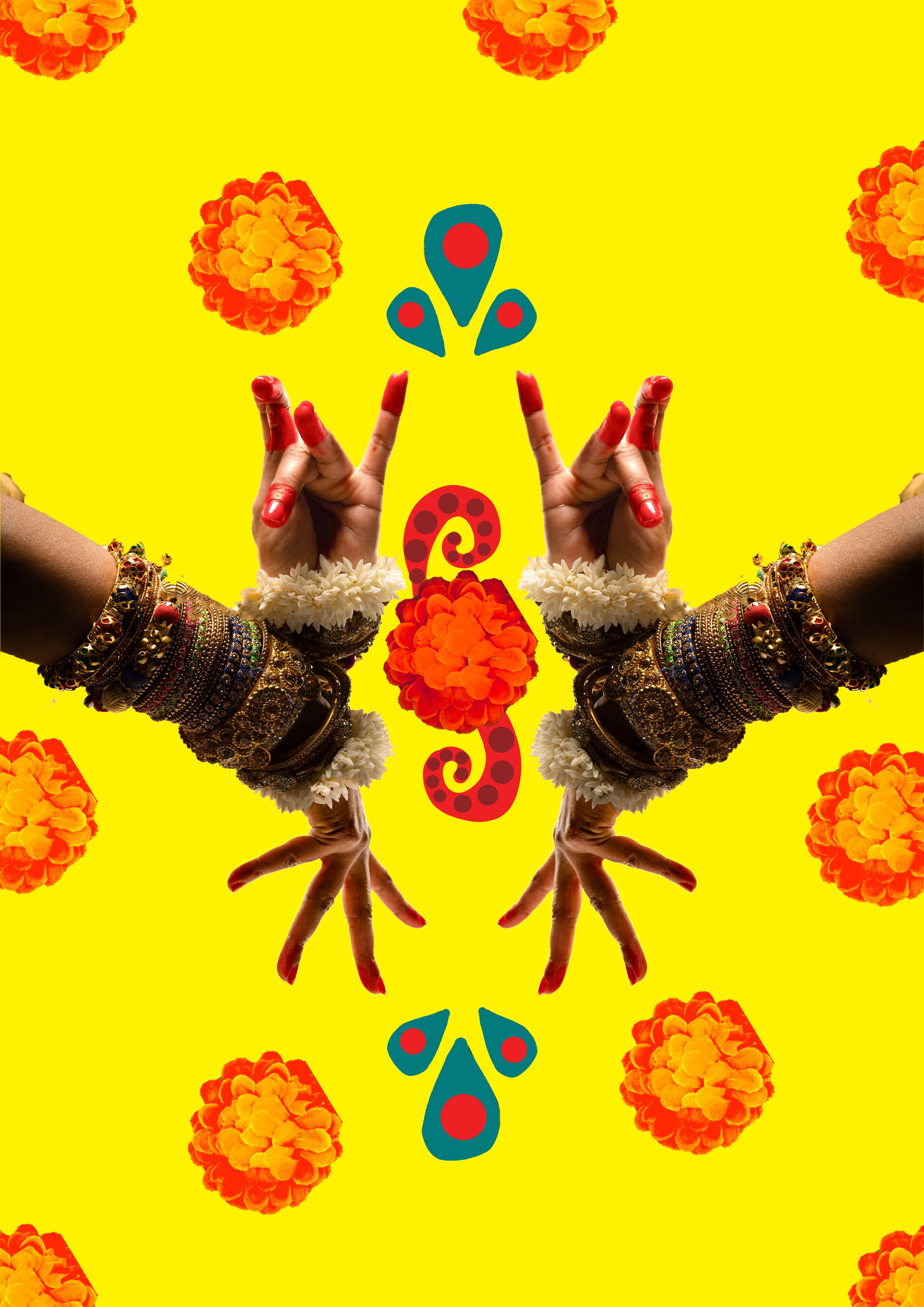
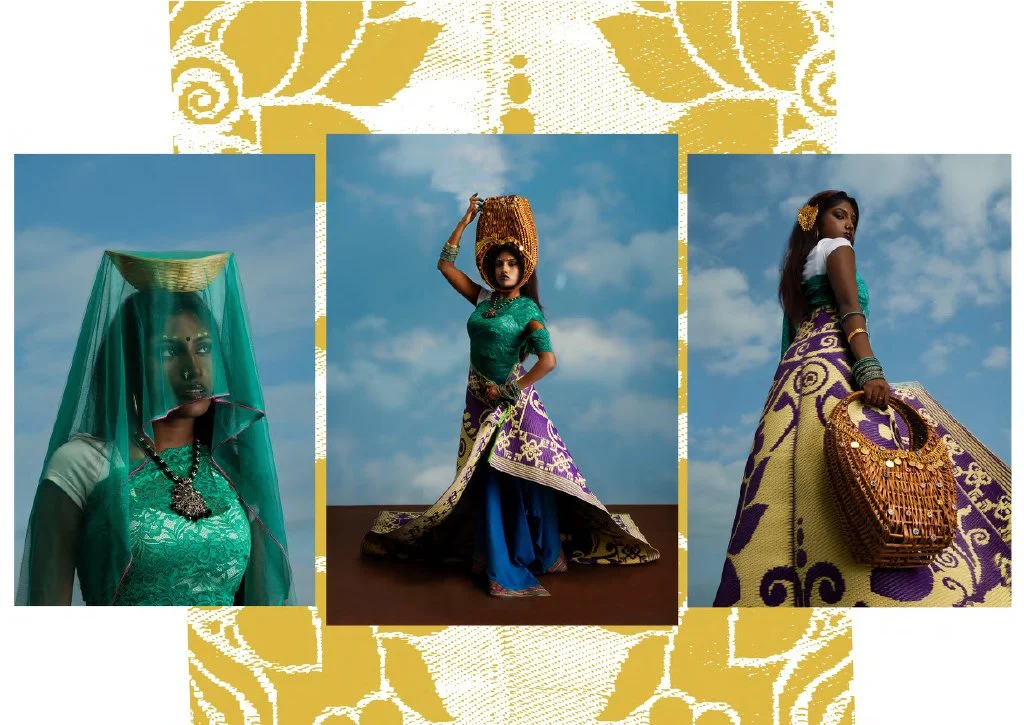
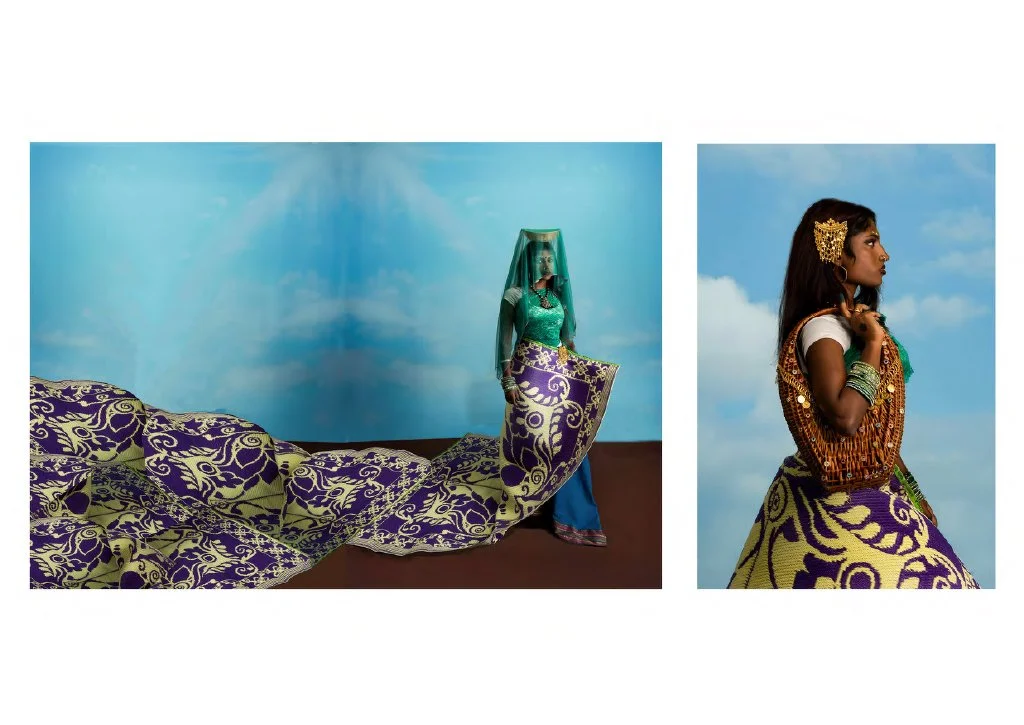
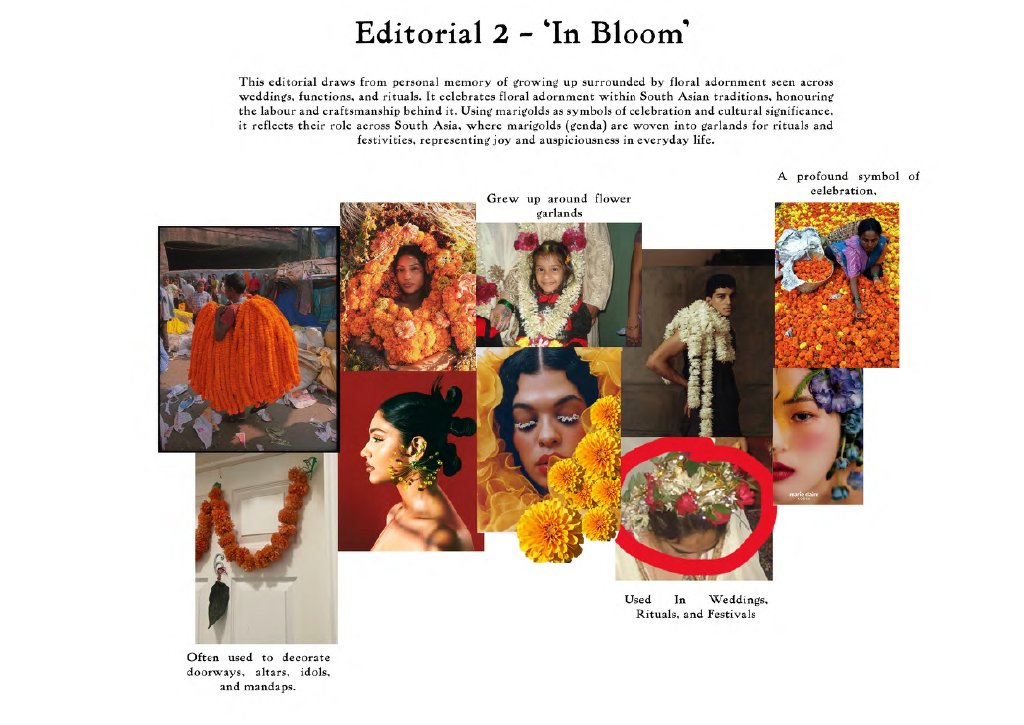
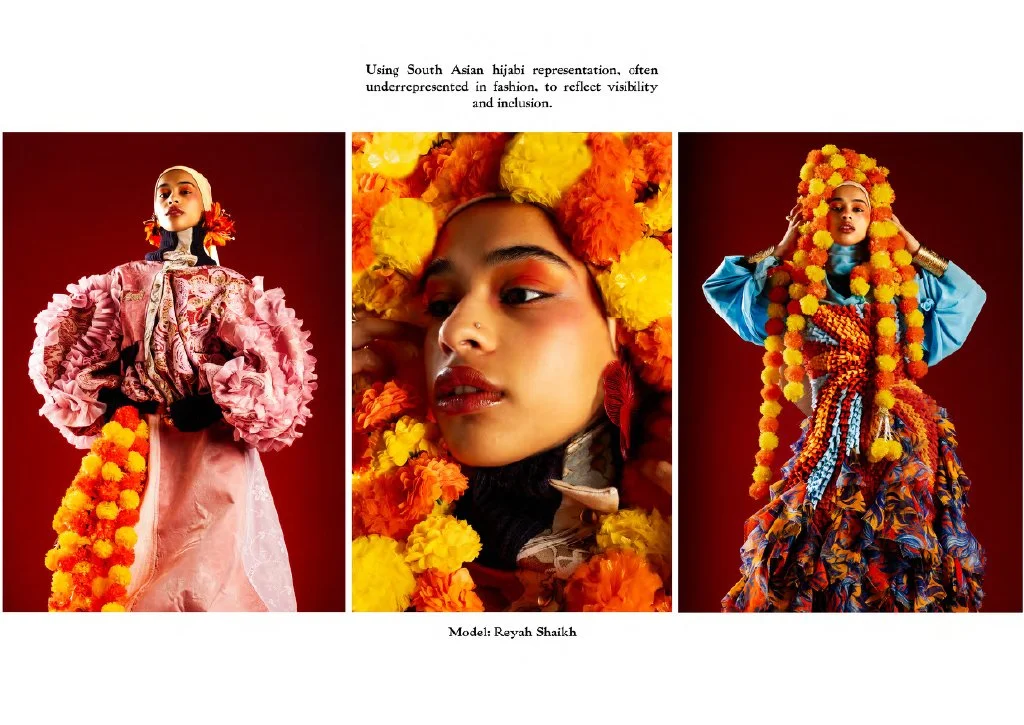
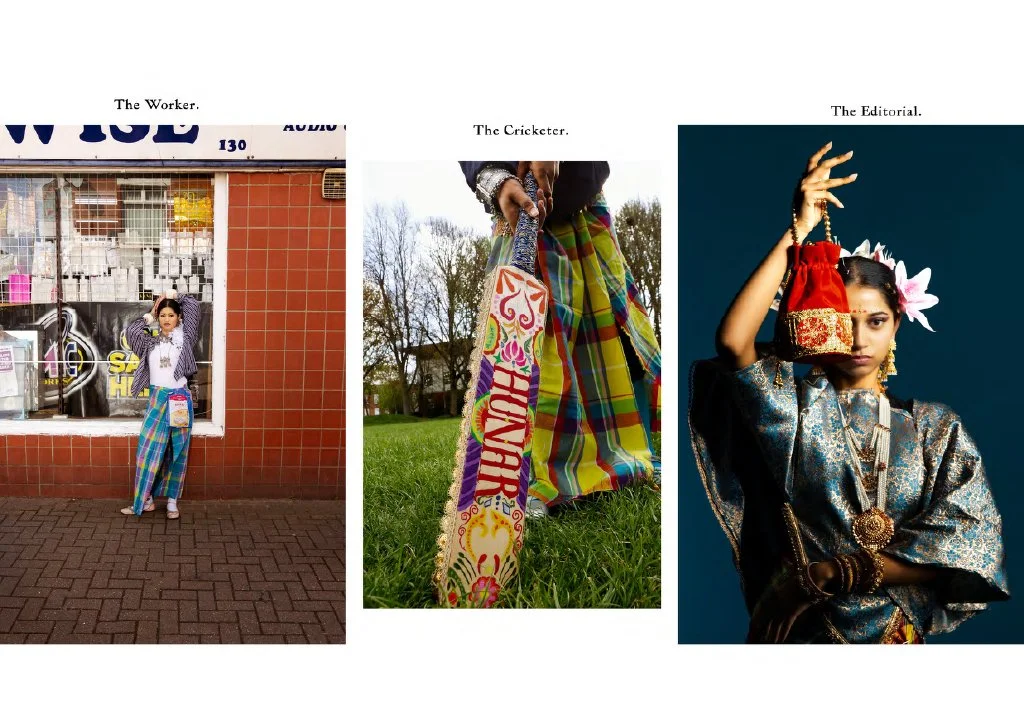
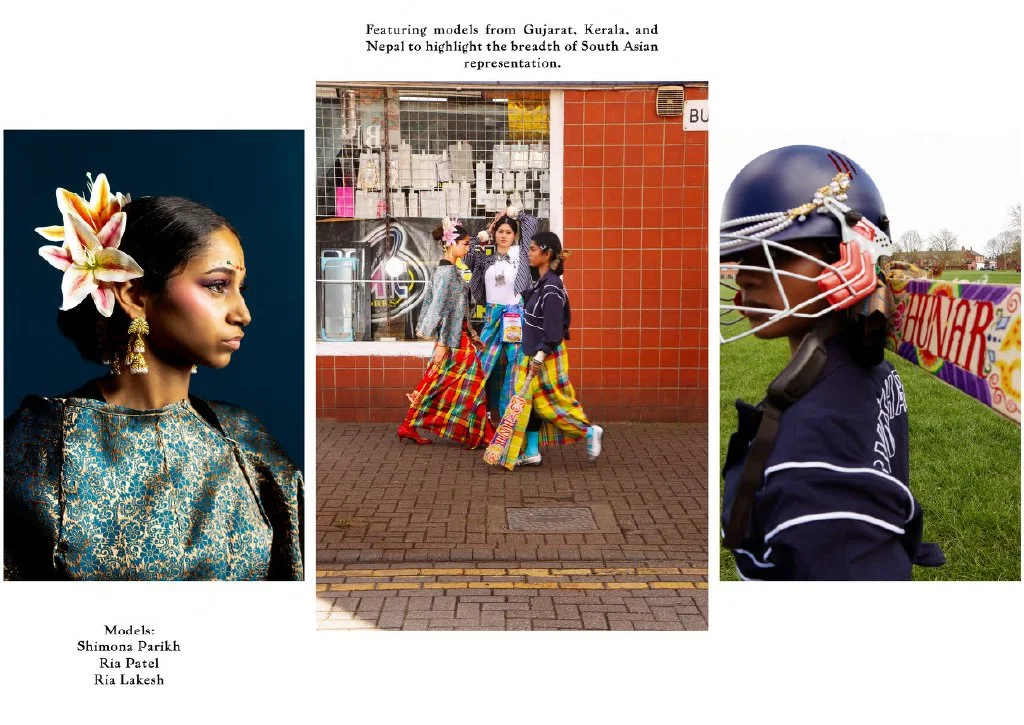
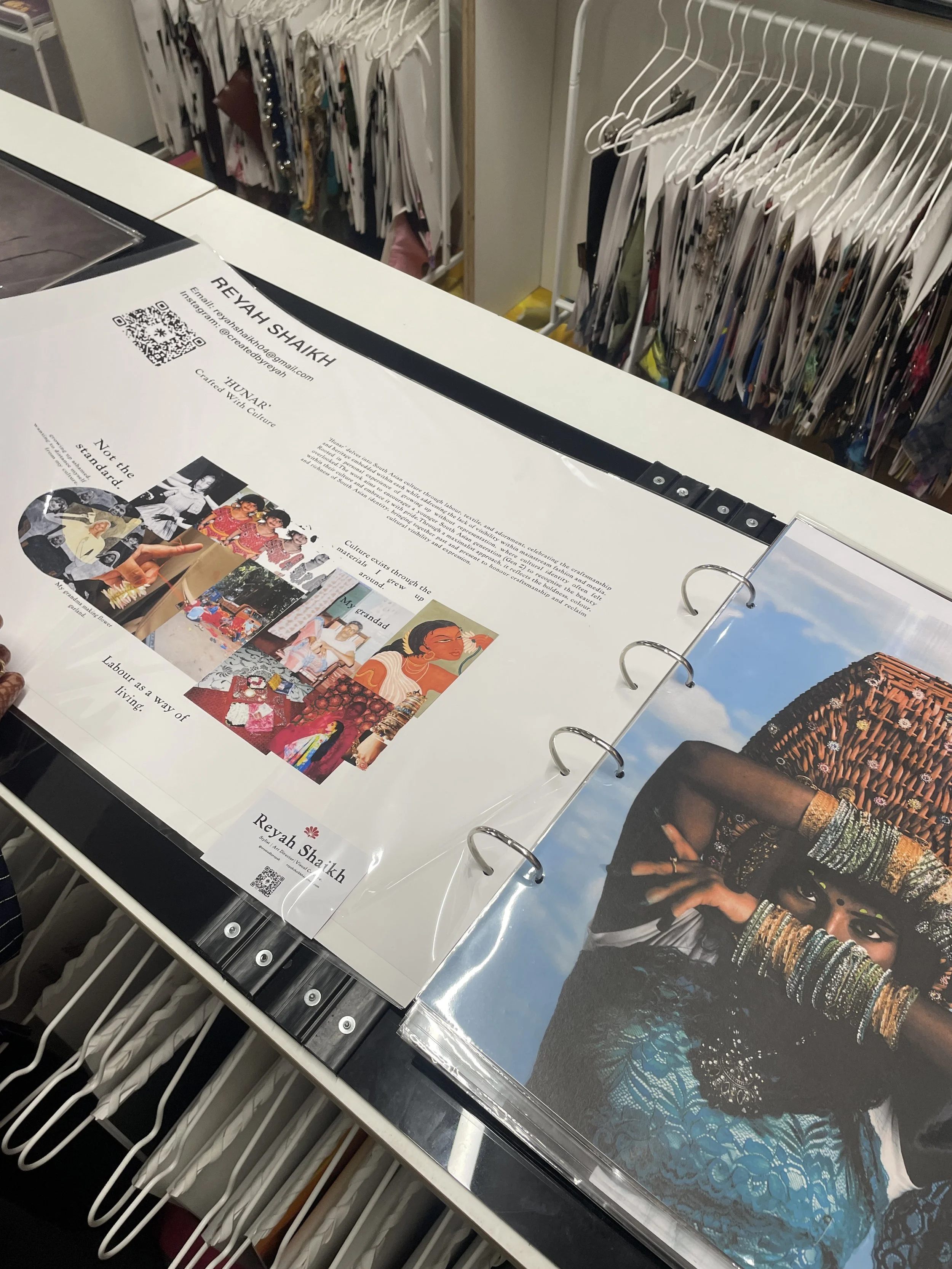
Reyah Shaikh is a De Montfort University Fashion Communication and Styling graduate. She explains how her creative process always begins with primary research, often drawn from lived experiences - her own, as well as those of friends and family. She interested in real stories and personal perspectives, and how they can form the foundation of a visual narrative.
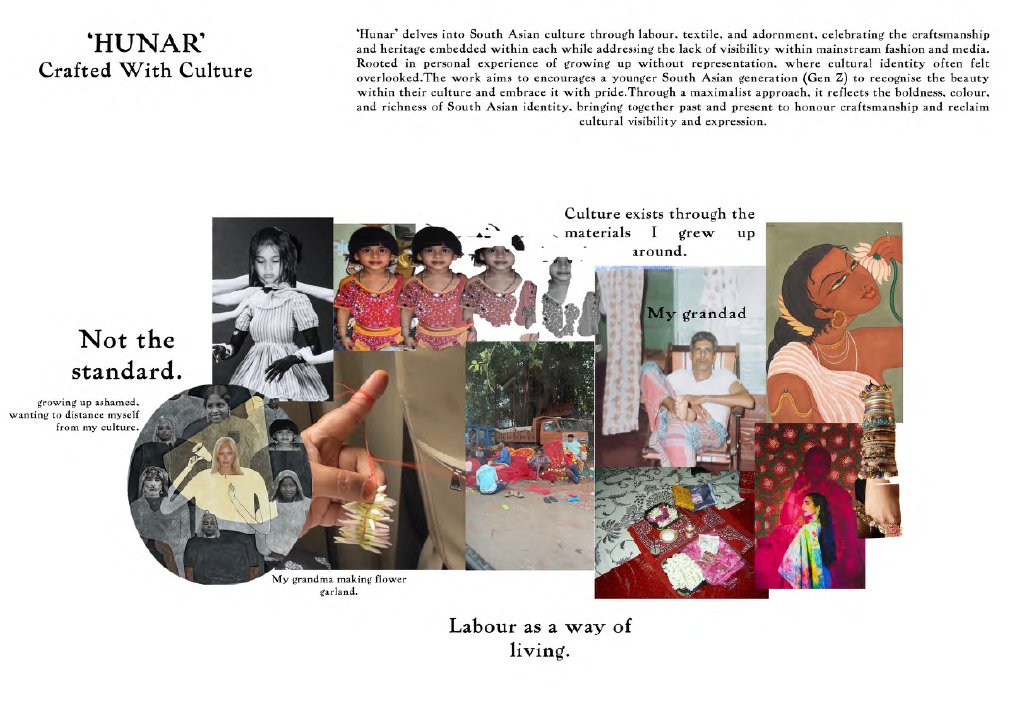
Within her work, she always tries to understand the “why” behind things - especially within South Asian cultures, looking at why certain traditions, visuals, or practices exist and what they mean. This curiosity drives her research and helps to approach culture with more depth and intention.
From there, she them moves into secondary research: exploring culture, history, and visual references, with a particular focus on South Asian heritage alongside other cultural influences. She uses this combination to build concepts that translate into editorial storytelling, styling, and publication-based work.
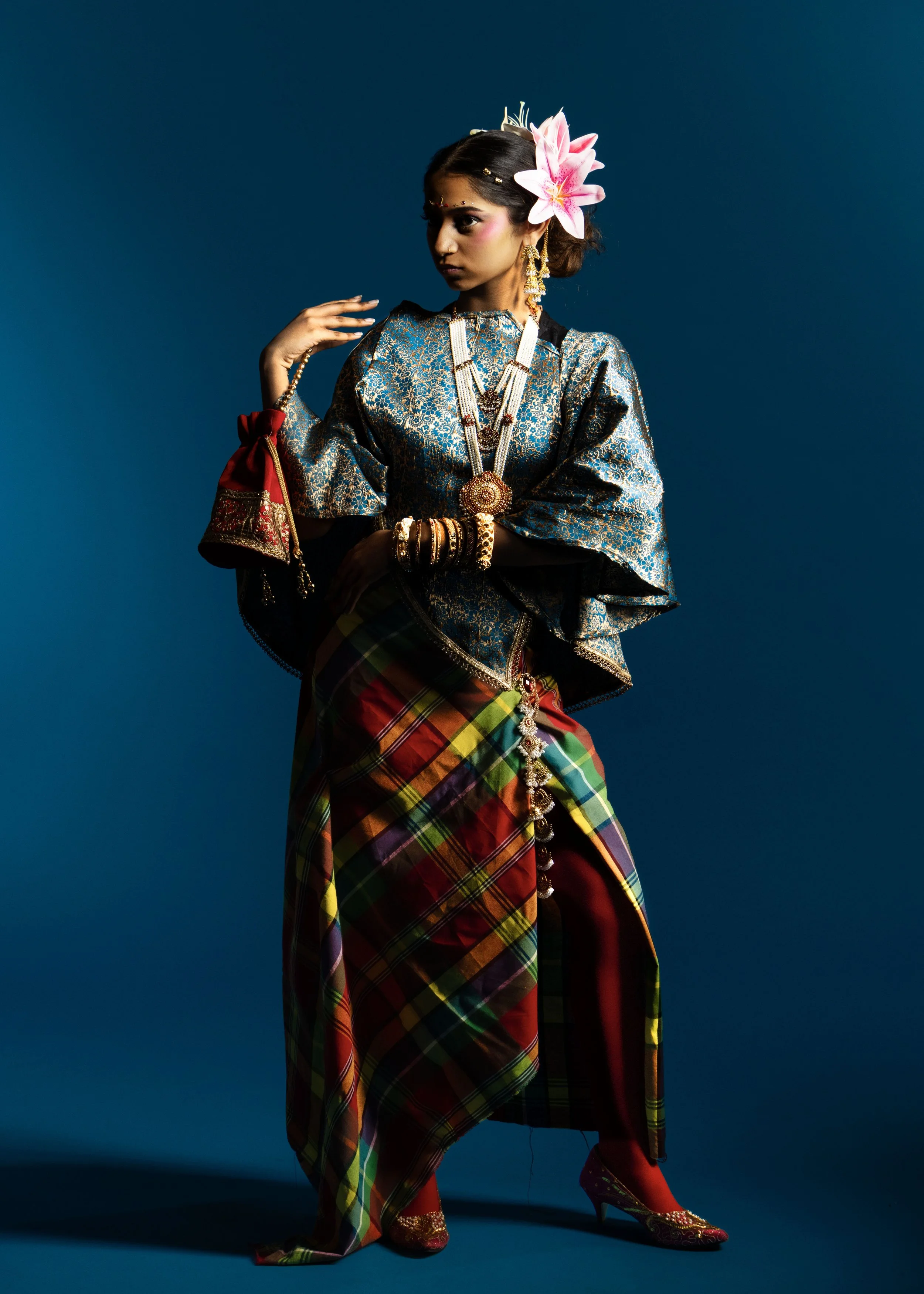
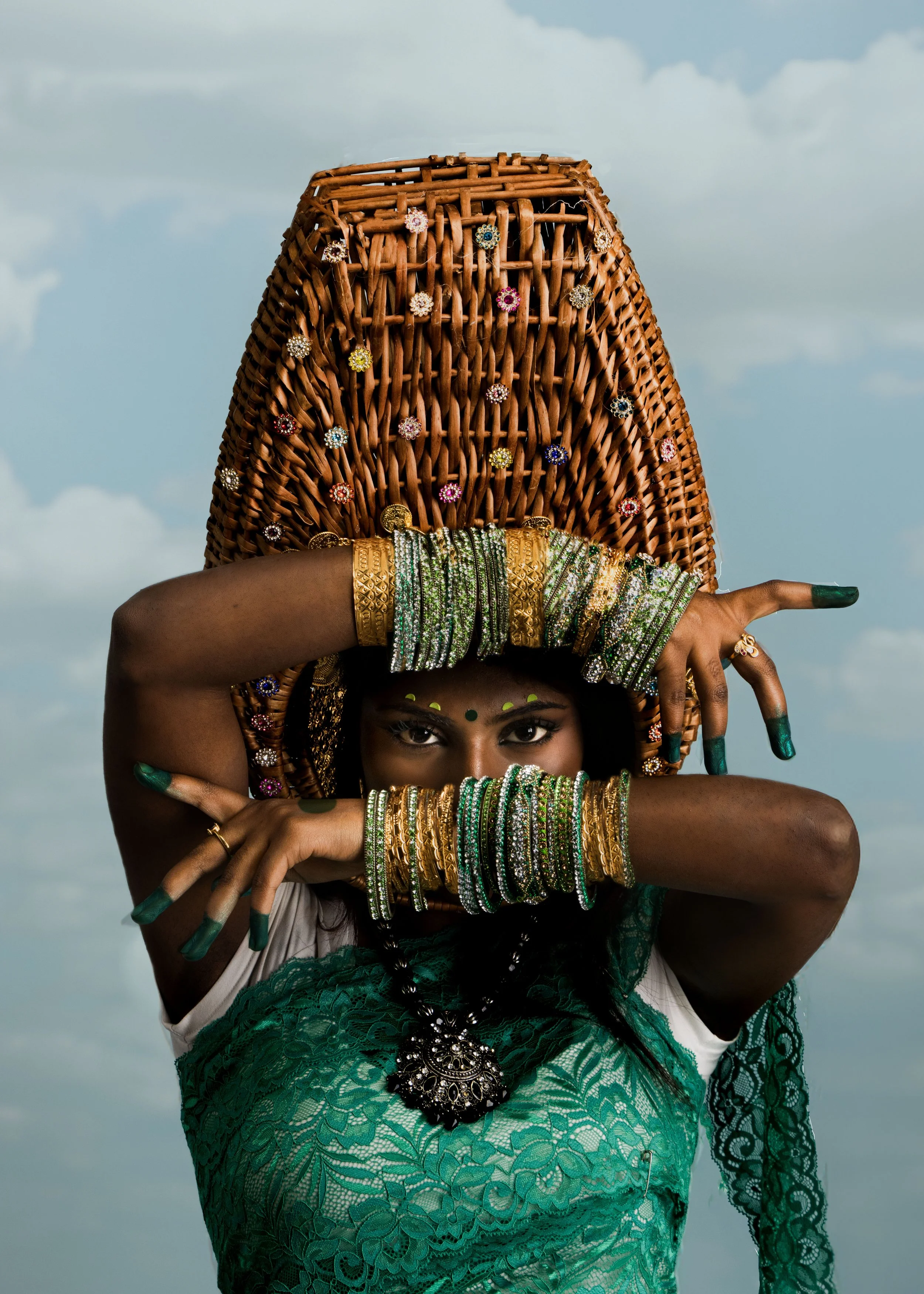
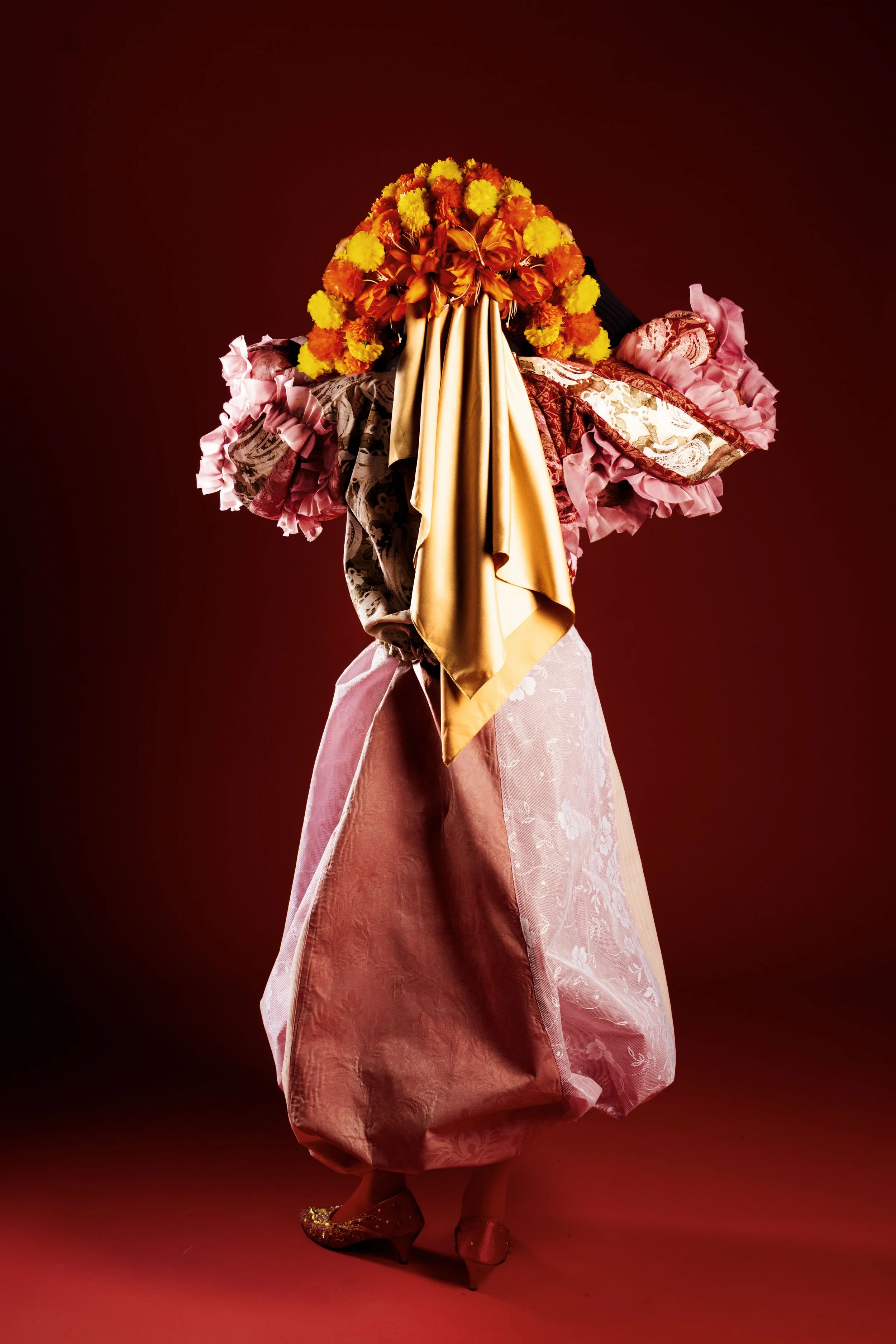
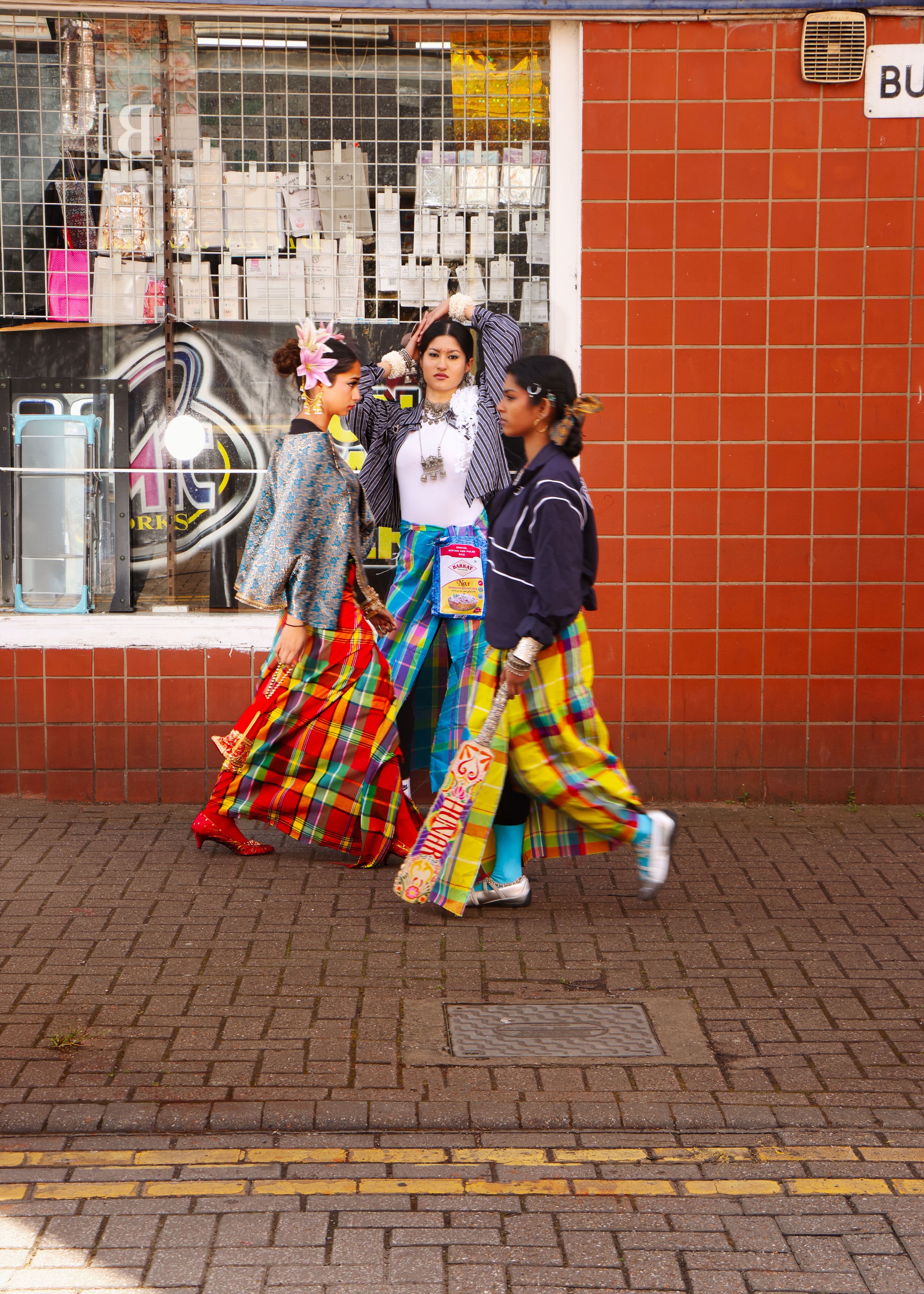
What unexpected source influenced your final outcome?
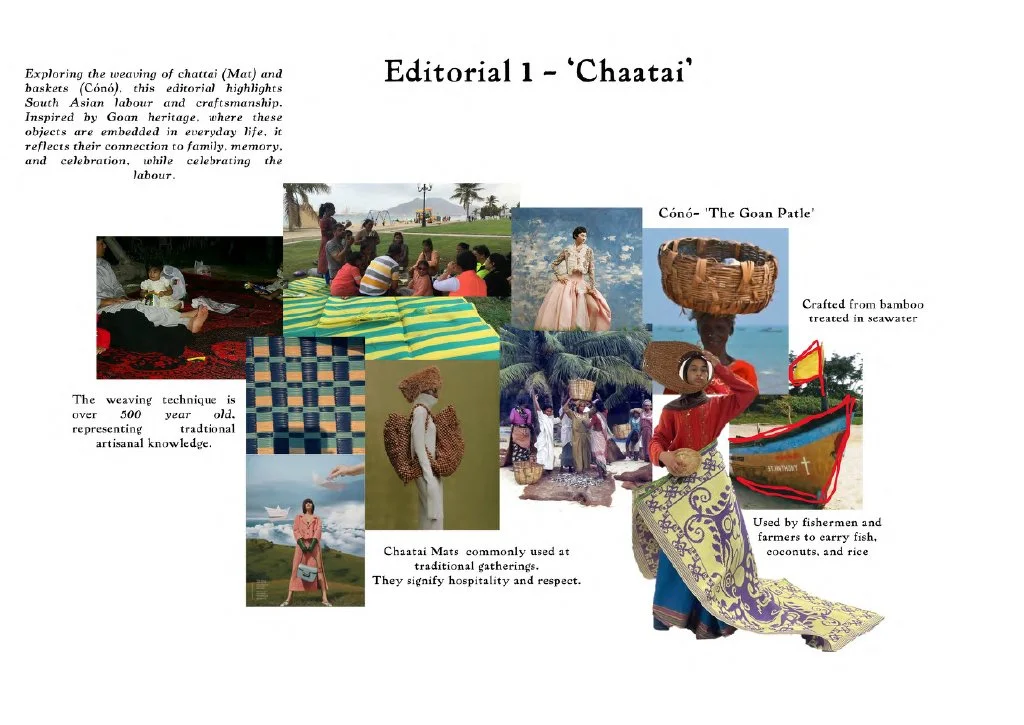
“An unexpected influence in my final outcome was exploring South Asia more broadly and realising how diverse it actually is. Rather than seeing it as one singular identity, I began to understand how each region has its own distinct heritage, traditions, food, and style.
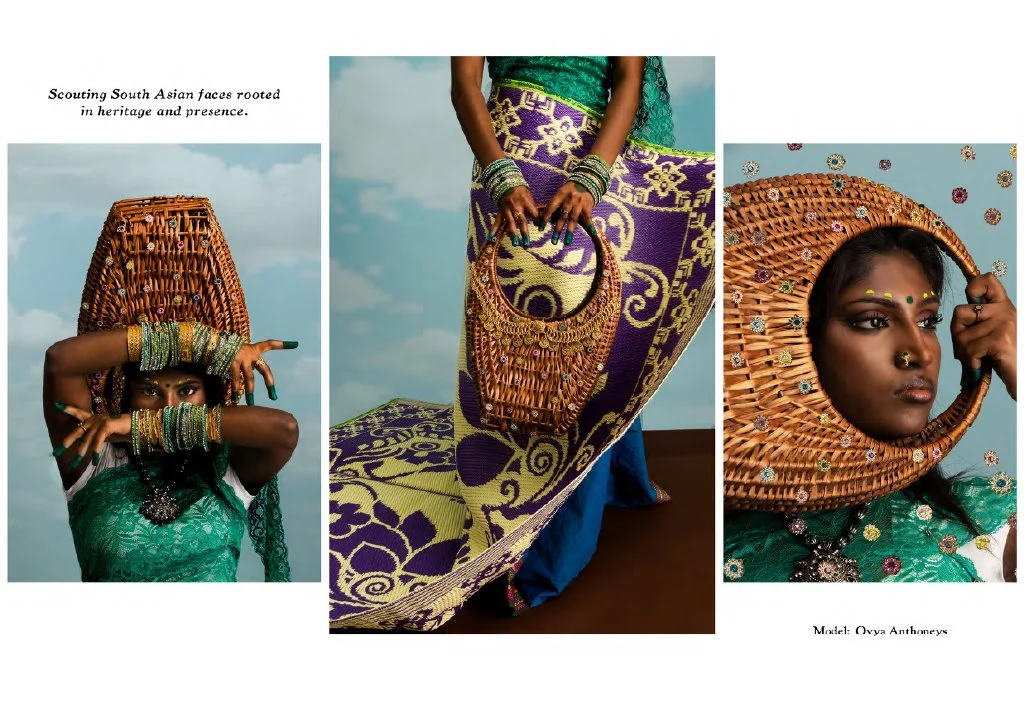
This led me to look more closely at my own Goan heritage, which became a key part of my research. It gave me a more personal connection to the work and shaped how I approached culture, encouraging me to focus on specificity, depth, and the layered nature of identity rather than generalisation.”
What’s the best piece of creative advice you’ve ever received?
“The best piece of creative advice I’ve ever received is to set boundaries when finishing work and to avoid constantly going back and overthinking decisions. It taught me the importance of drawing a line, trusting the process, and knowing when a piece of work is complete rather than continuing to second-guess it.”
How would you describe your creative voice in three words?
“Maximal, striking, and authentic. My creative voice is focused on producing visually impactful work that is bold, eye-catching, and rooted in real cultural storytelling.”
What kind of impact do you hope your work has beyond aesthetics?
“I hope my work contributes to South Asian culture being more widely appreciated, while also encouraging South Asians themselves to recognise the beauty and value within their own heritage. I want it to highlight the importance of preserving culture before it becomes diluted or erased, and to spark a stronger sense of pride and awareness around identity and tradition.”
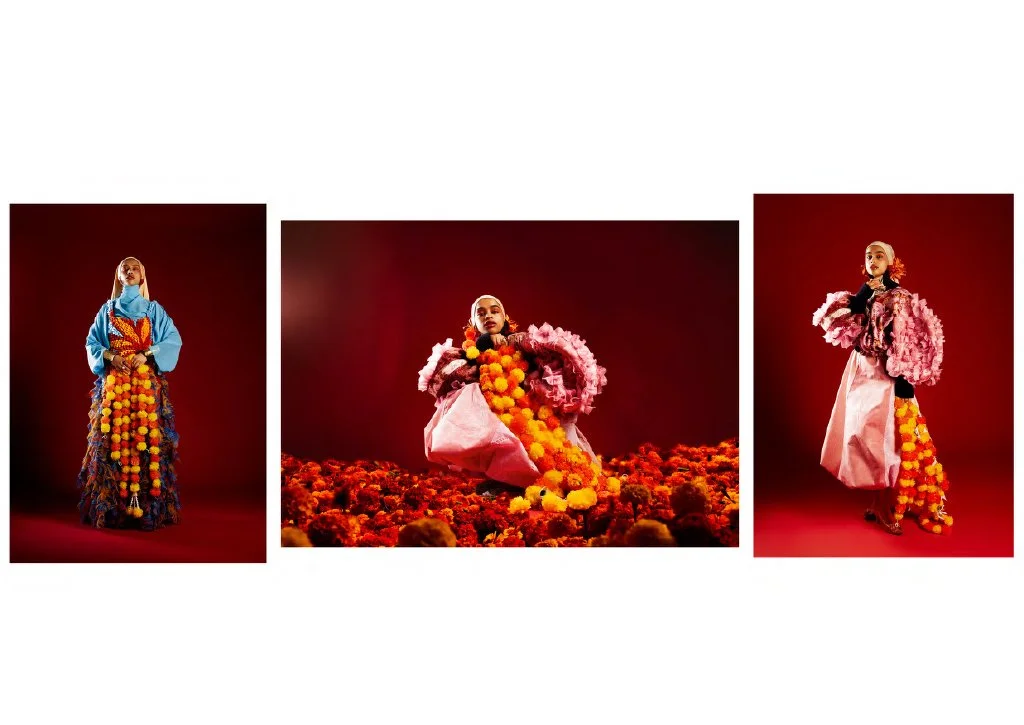
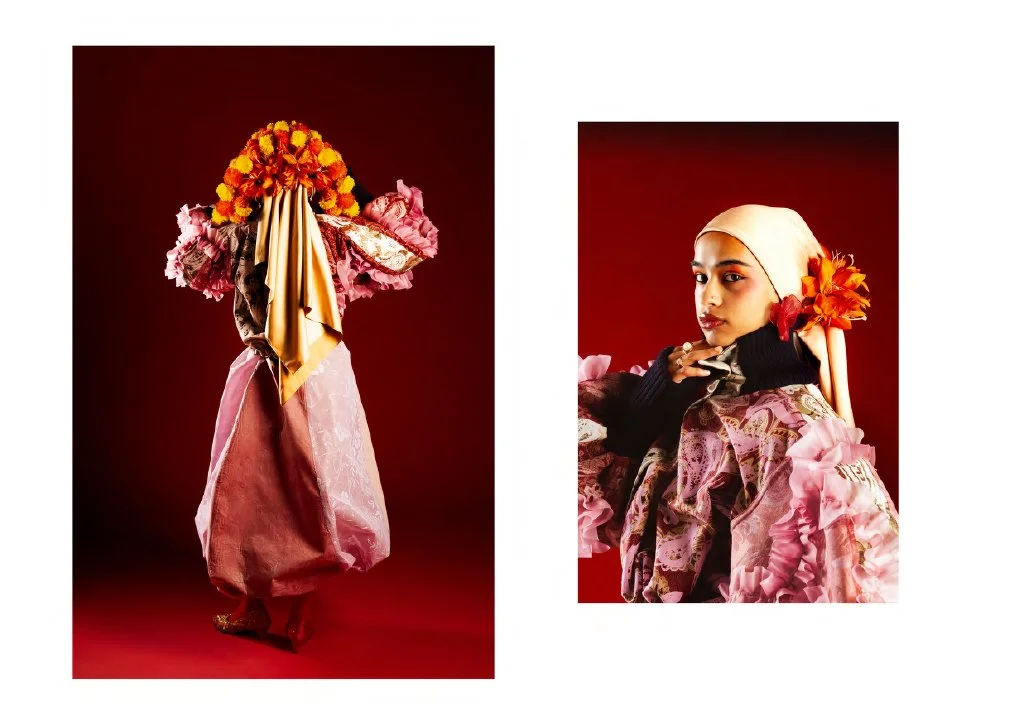
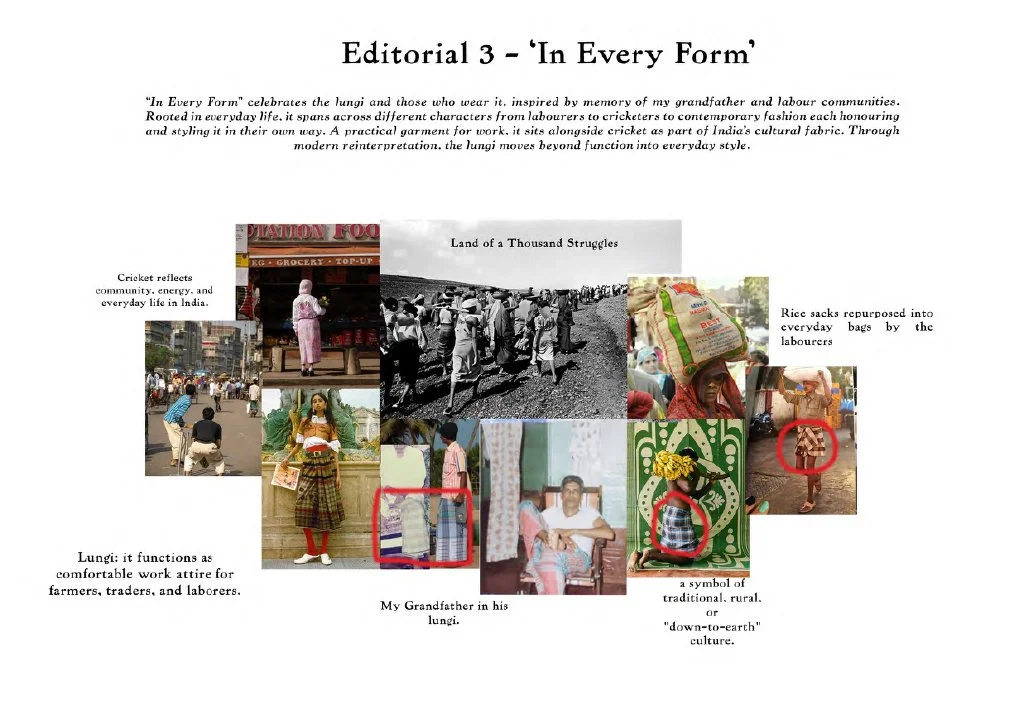
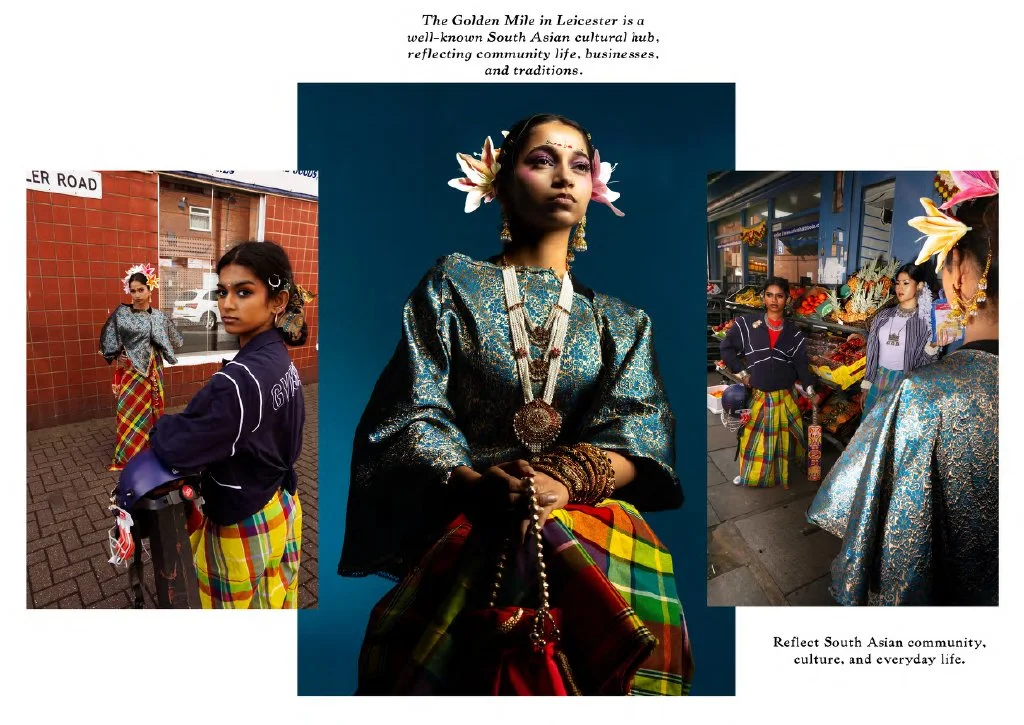
Which designer, artist or creative would you most like to show your work to?
“I would most like to show my work to Diet Paratha, Dazed, Wales Bonner, and Raw Mango, as I admire their influence across fashion discourse, cultural storytelling, and contemporary design. Their work challenges visual narratives while thoughtfully engaging with identity, heritage, and craftsmanship, which aligns closely with my own creative interests.”
What conversations do you hope your work starts?
“I hope my work starts conversations around why certain objects, symbols, and practices exist within South Asian culture, and where they originate from. I want people to question and look deeper into what is often labelled as “South Asian” in mainstream media, and to consider whether it is being represented accurately or oversimplified.
At the same time, I hope it encourages a greater recognition and appreciation of South Asian craft, heritage, and storytelling, and highlights how these narratives can become diluted or misrepresented when taken out of context. Ultimately, my work aims to create space for more informed, respectful, and nuanced conversations around cultural identity.”
What advice would you give to a student currently starting their final collection or portfolio?
“My advice would be to trust your gut and have full confidence in your work and your concept as a whole. Don’t be afraid of trial and error, as it is a key part of developing and refining ideas. It’s also important to make your work feel meaningful and well-researched, rather than surface-level or tokenistic, so that it carries depth and intention.”
So what’s next for you after graduating?
“After Graduate Fashion Week, I’m looking to explore a range of opportunities within the creative industry, such as internships in creative production companies or roles on set within fashion and visual production. I’m particularly interested in being involved in mood boards, styling, and working on set, as I enjoy the process of building visual narratives and collaborating within a creative team.
I want to continue exploring different areas of the industry to refine where my strengths and interests sit long-term, while staying actively involved in hands-on, visual, and concept-led creative environments.”
