
How To Navigate The Fashion Industry After Education
Insider Tips For Fashion Graduates Taking Their First Steps On The Career Ladder.
There is no denying that studying grants you the freedom to explore your creativity. Yet for some, the prospect of leaving that bubble and kickstarting their career unlocks a new level of excitement, but for others, it can feel nerve-racking and overwhelming. Whether you are eager to jump two feet into the working world, or you are teetering on the edge and apprehensive about taking those next steps into your career, here are some useful tips and resources to make that transition a little gentler.
In my humble opinion, nothing is a wrong move when it comes to your career journey. Every decision you make, placement, job, or path you follow in those early years post-education are useful to build character, experience, knowledge, and contacts. Crucially, all avenues you explore after graduating will help you to understand what you do and don’t like, or, more specifically, what you do and don’t want from a company, future employer, for your career, and for you.

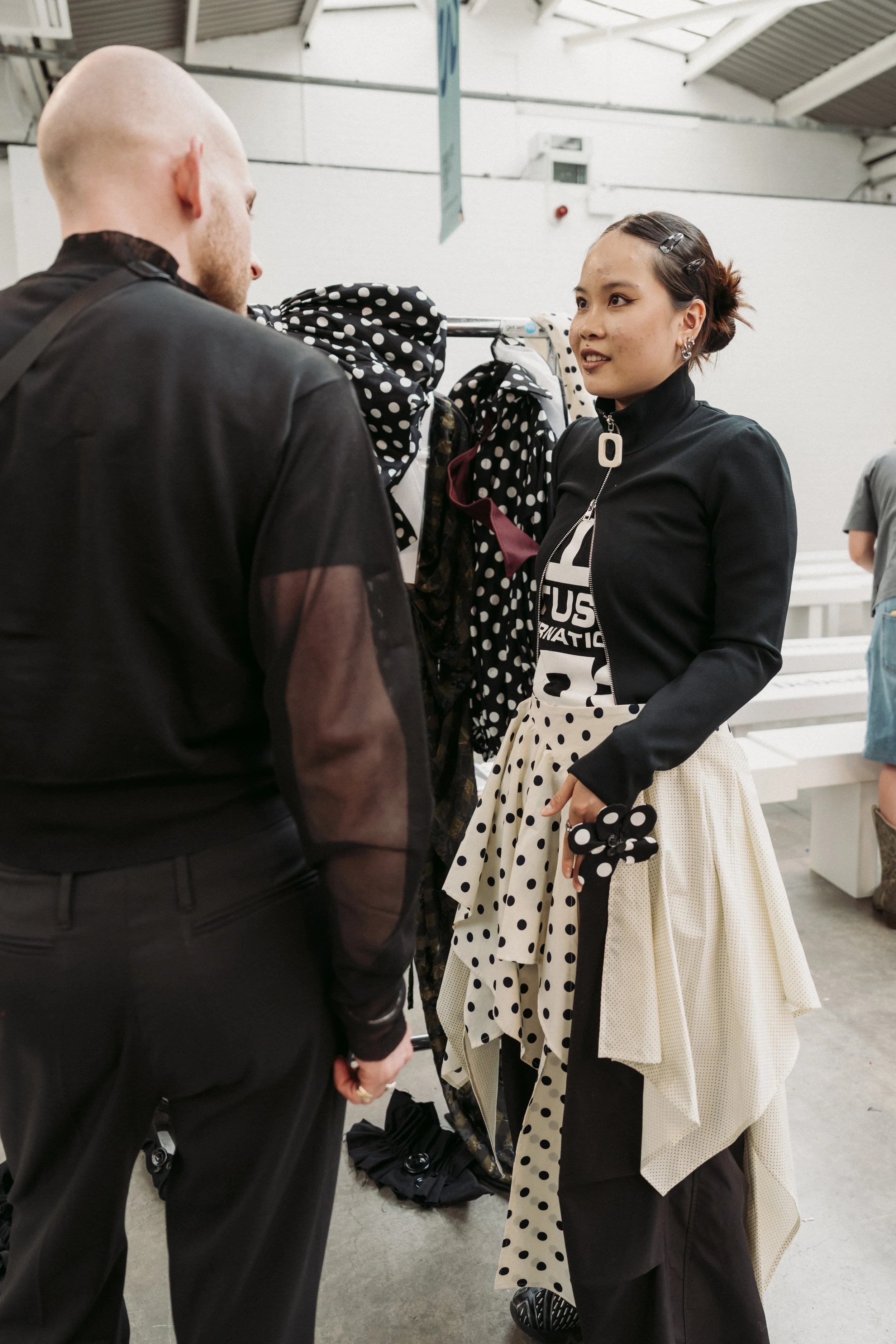
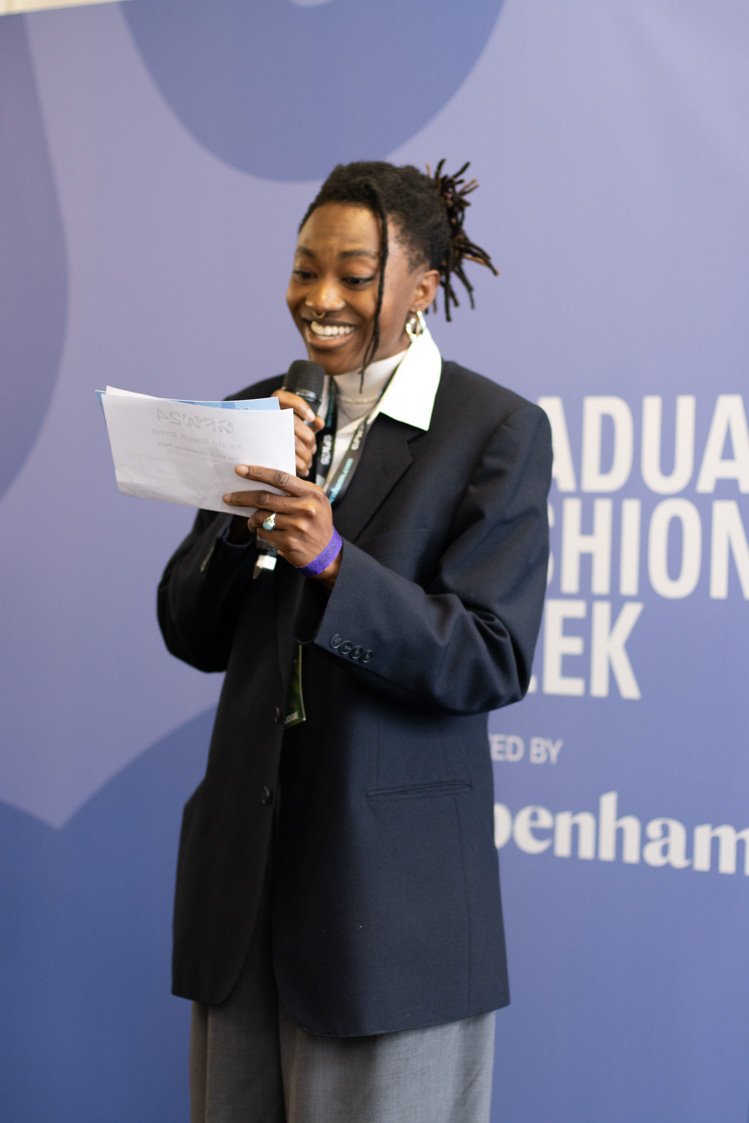
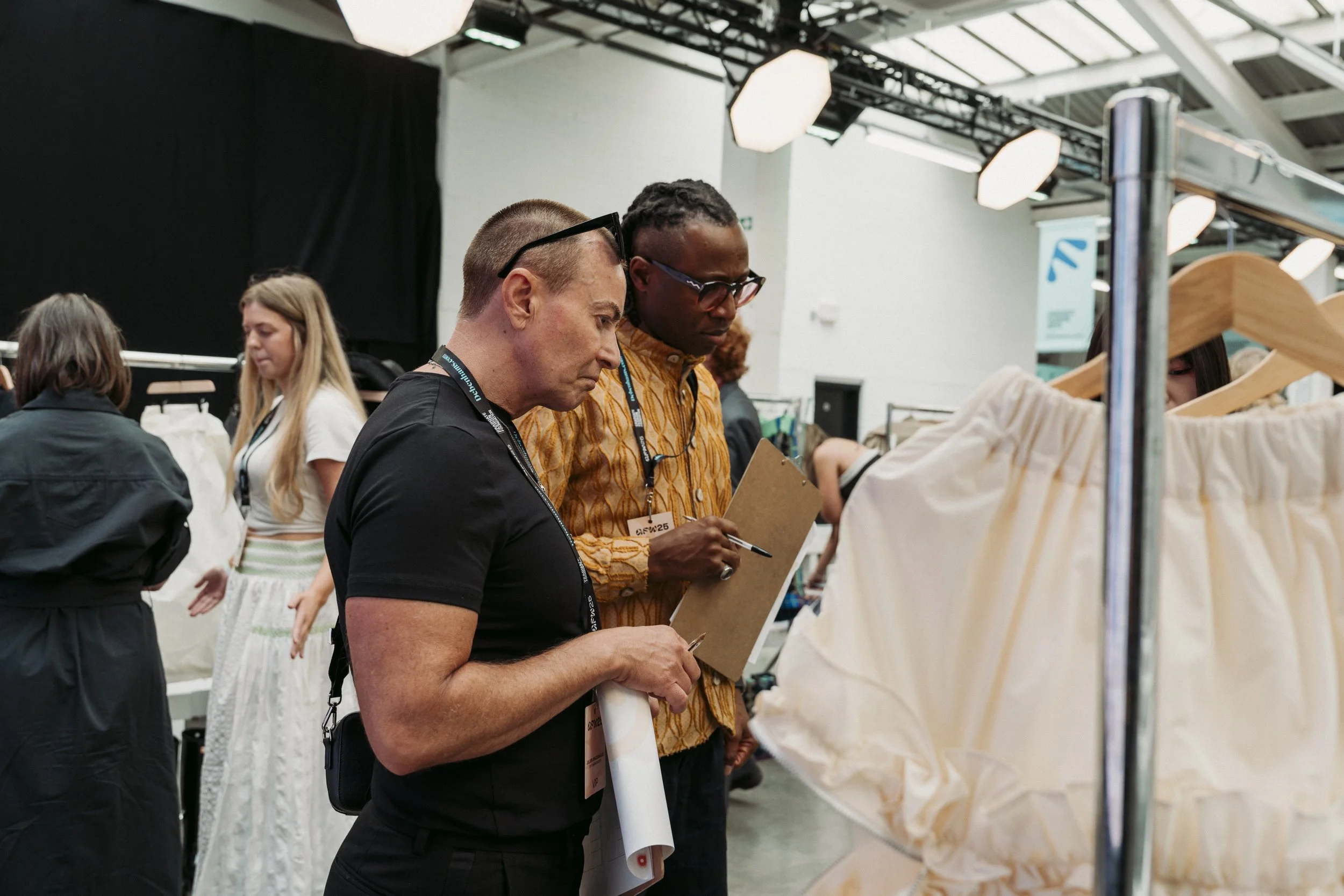
When I graduated from university over a decade ago, I was overwhelmed. I never knew exactly what I wanted to be when I was older. In my final year at University I was the Fashion Editor of Royal Holloway’s student magazine, The Orbital, which I loved. When I graduated, I leaned into styling, assisting on photoshoots, and contributing to the fashion and beauty pages in editorial magazines as well as digital publications.
After graduating, I dabbled in the freelance fashion world for the first time, assisted on shoots, juggled a part-time job at Topshop, with a post-graduate NCTJ course in Magazine Journalism, while also spending one day a week at an international B2B media agency unpaid, until half term came around and I booked in another week of work experience. At the time, work experience was unpaid, yet graduate schemes and apprenticeships were few and far between. Thankfully, the fashion industry has come a long way since then, and there are paid work experiences available.
Along the way I started to learn more about the fashion industry, as well as the editorial sector, which is why I urge young people to explore the industry as much as possible because you gain experience, knowledge, resources, contacts and useful insights. Plus, you never know where those paths may take you, or who you will meet on the way. Without sounding like a cringe-worthy “Live, Love, Laugh” print, trust the process.
Recently, I have been reflecting on my decade-long career journey, and these are some of the tips I needed then, which I hope will resonate with emerging creatives transitioning from education to work now.
Tips To Transition From Education To The Fashion World
|
Tips To Transition From Education To The Fashion World |
Research the industry
The fashion industry is vast and there are several areas to explore that you may not have heard about it. So, thoroughly research the industry, connect with mentors, industry insiders, alumni, as well as those who have your dream job, and ask questions about their career journey, what their role involves day to day, and their advice. Asking these all-important questions is useful, but it also highlights your enthusiasm for the industry. Graduate Fashion Week is the prime time to connect with industry experts, ask those questions, and get a feel for the fashion world.
Portfolio
While your grades, CV, and any experience in the industry are important, having a portfolio to present to potential employers will stand you out in a crowd. A curated portfolio, whether it is digital or a physical hard copy that showcases your best work, as well as projects completed outside of education, highlights your skills, but it also emphasises your enthusiasm, and shows employers you want to be taken seriously. I also advise you to tailor your portfolio to the company you would like for, and the role you are applying for.
Network
Networking may seem scary, but it is invaluable to your career. Ultimately, networking is building on relationships and forging new connections with creatives in the industry, such as friends, colleagues, mentors, tutors, alumni, designers, illustrators, photographers, editors, or other industry experts.
This network will enable you to ask questions about the industry, the specific sector you are looking to explore, their career journey and to seek advice. There are numerous platforms to connect with industry insiders, such as LinkedIn, social media, or the Contact Us section on the company website. If you can’t find a direct contact, call the office to secure a direct contact.
Eventbrite, Diary Directory and Roxhill have a calendar that details upcoming events with industry experts. Editorial publications and brands often host panels, weekend-long events, or live podcasts recordings with industry insiders, editors, designers, which can be a great opportunity to direct a question to a designer, editor, make-up artist, or author.
Let’s not forget, GFW Live! Talk series will return for Graduate Fashion Week 2026, and will see experts join the panel to discuss the fashion industry, new innovations, and offer career insights. Plus, you will get the chance to ask those burning questions. While you will gain useful insights from these events, they are also an opportunity to connect with like-minded creatives and possible employers.
Remember: no question is a silly question.
Internships and Grad schemes
Internships, apprenticeships and graduate schemes can be pivotal to your career as it bridges the gap between education and the working world. These opportunities grant you first-hand insight into the fashion industry and working specifically for that company. It will give you access to contacts you can seek advice from, or work with in the future.
Work experiences may range from a short two-weeks to three or six-month stints, while grad schemes can range from six to 12-months long. In some cases, people may be offered a full-time job at the company following the graduate scheme because they have a clear understanding of the business, and have proven that they are reliable and talented.
There are several ways to secure work experience, internships, grad schemes, or freelance work. Some companies may advertise internships and grad schemes on their website, industry-related job boards, LinkedIn, and social media. The Graduate Fashion Foundation has a dedicated job board to help you make that step on your career ladder. While our Instagram Broadcast channel and the Graduate Fashion Foundation’s newsletter are useful platforms to stay in the know about industry tips, events and opportunities.
Personally, I have found contacting an employee directly has been the most effective way to secure work experience. If there are no vacancies at the time, do not be despondent, but ask for your details to be kept on file. More importantly, contacting an employer directly is a bold move that helps you to stand out, and can often mean you are front of their mind when they need support in the future.
Remember, your career doesn’t have to be linear
A key piece of advice I have received is that your career doesn’t have to be linear, but to view it as a spider’s web. This metaphor symbolises you can experiment with your career, take detours, try different jobs, explore other avenues, even new careers entirely, if it helps you to find the career you are happy in. While your career journey may follow an upwards trajectory from the minute you set your sights on that particular sector, exploring different avenues along the way is proving more popular. I would argue exploring all avenues is more beneficial, as you will gain broader experience, insight, and knowledge, which can only be beneficial to you, your career, and future employers as you grow.
