
An Interview with the winner of Project Pitch Fashion Marketing: Olivia Baddoo from Manchester Metropolitan University
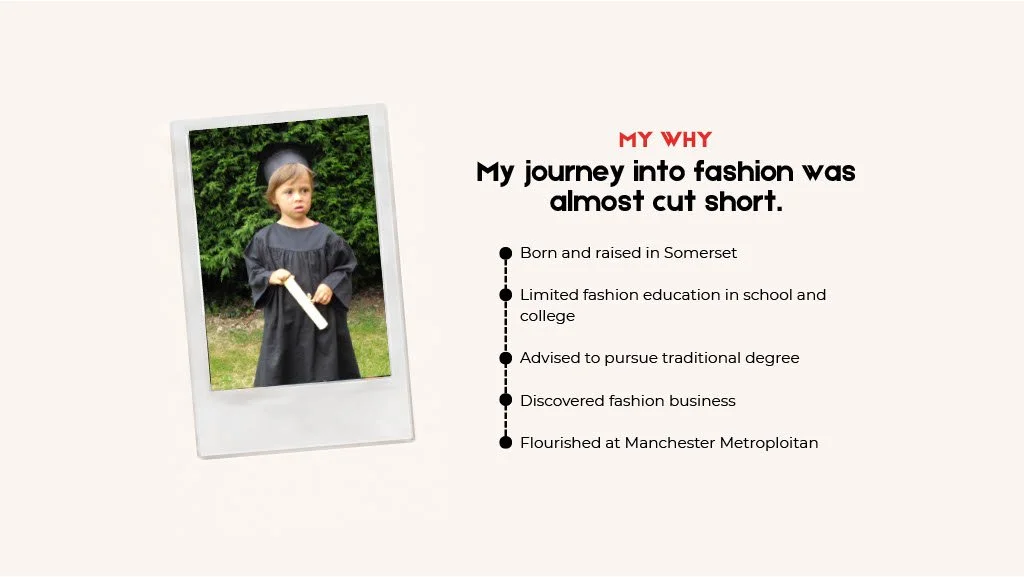
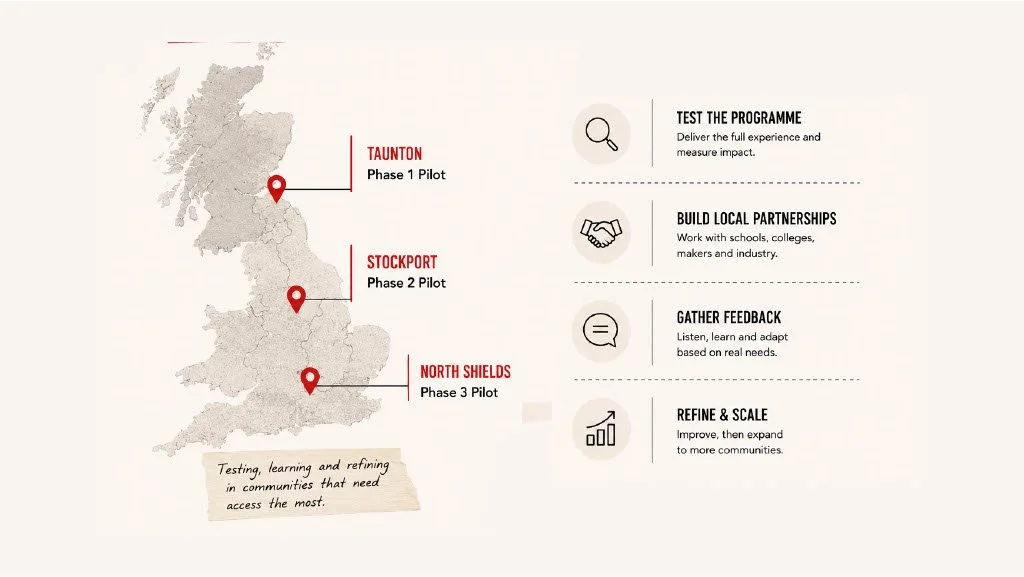
Olivia Baddoo is a Fashion Business graduate from Manchester Metropolitan University, originally from Taunton in Somerset. Growing up in a rural town, she loved fashion but rarely saw opportunities to pursue it. Creative subjects disappeared from her school, making fashion feel like something that only happened in cities - an experience that strongly shaped her perspective.
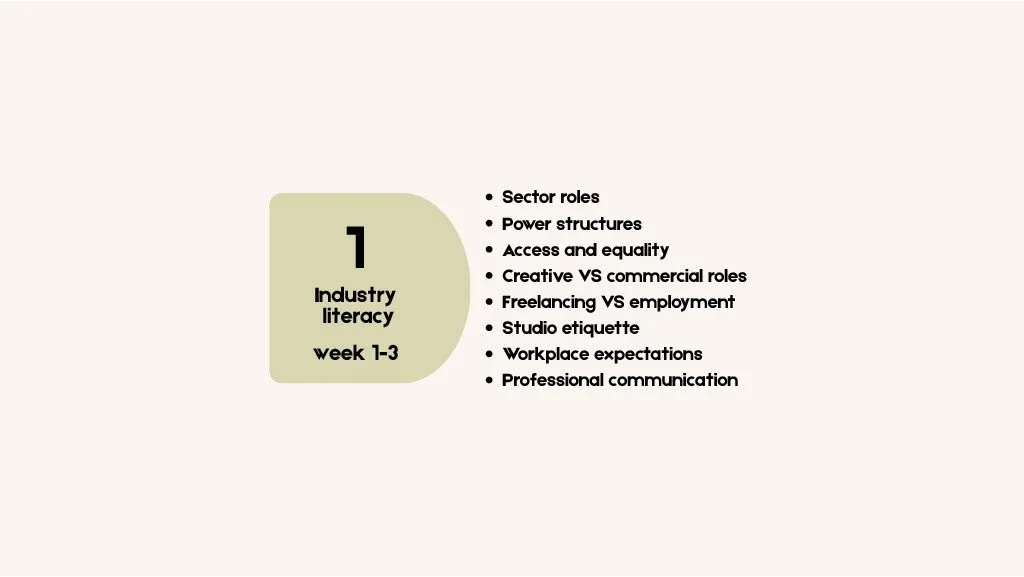
Her work sits at the intersection of fashion, sociology, and community. She focuses on asking bigger questions about who gets access to creative industries, whose stories are told, and how fashion can become a tool for social change rather than just consumption.
Her creative process usually begins with a social issue rather than a trend. Whether researching climate resilience in Vietnam, exploring cultural identity, or investigating barriers in fashion education, she starts by listening, researching lived experiences, and identifying gaps that design can help address.
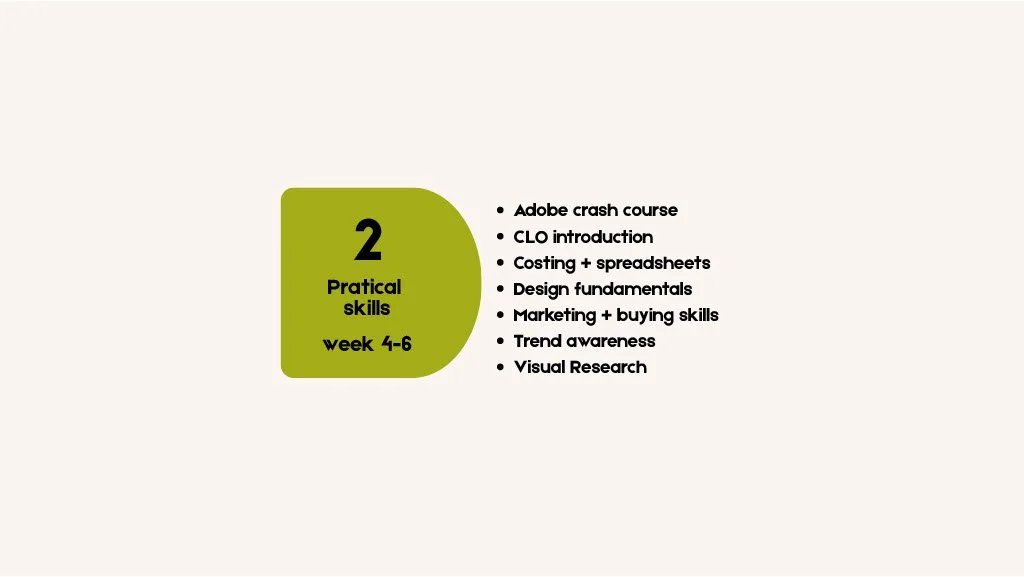
She then translates that research into practical, people-centered solutions. She is less interested in creating products for the sake of it, focusing instead on building systems, communities, and opportunities with a lasting impact. Ultimately, she aims to show that fashion isn't just about aesthetics - it's about people.
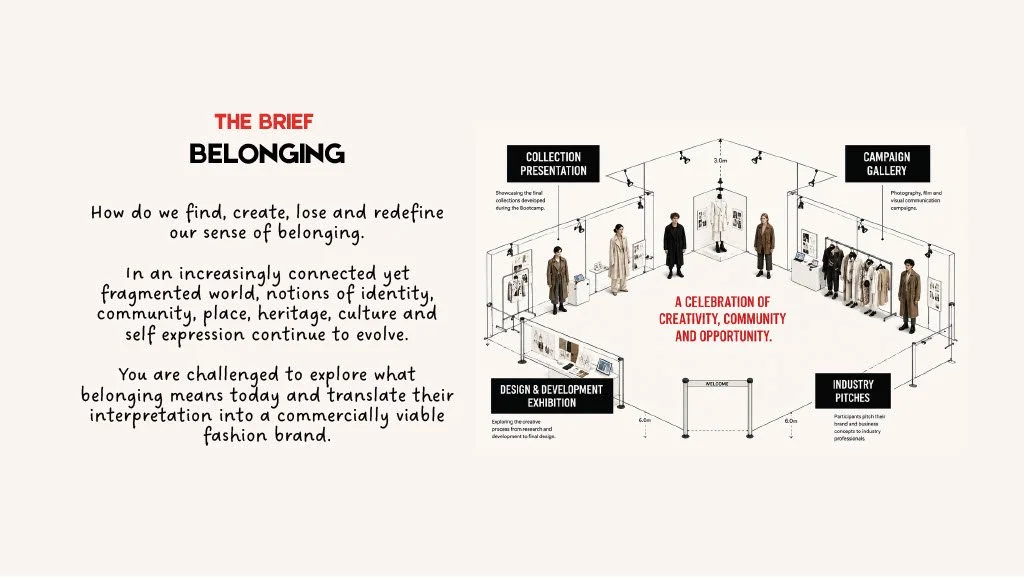
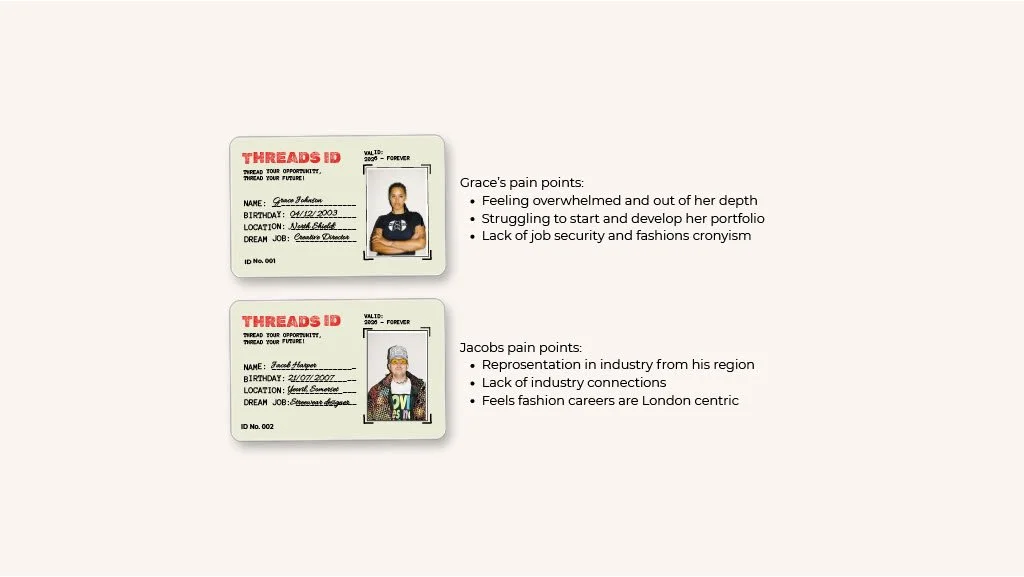
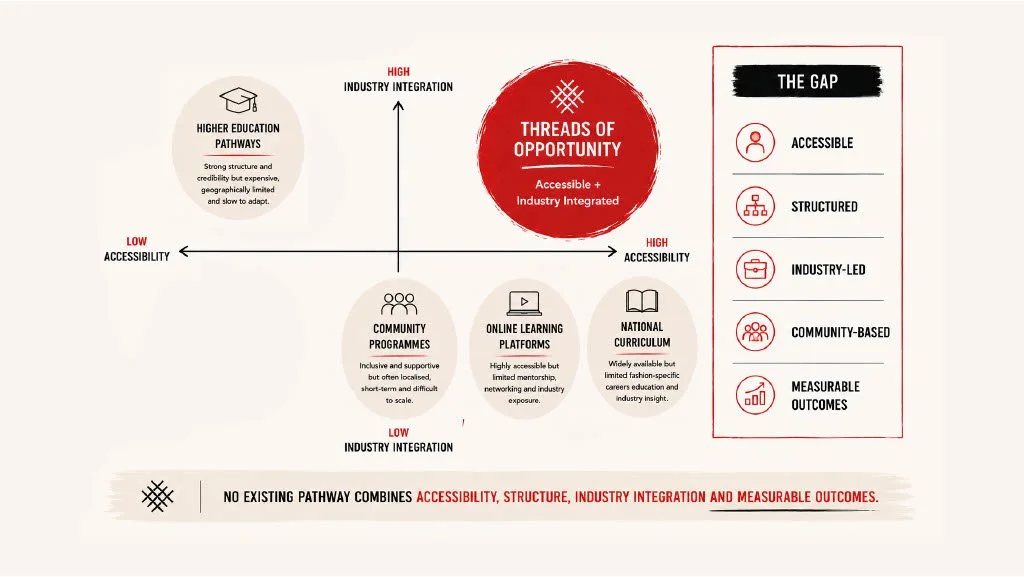
What unexpected source influenced your final outcome?
“Surprisingly, the biggest influence wasn’t another designer, it was a conversation with my college careers adviser.
When I told him I wanted to study psychology or sociology alongside business, he encouraged me to pursue fashion instead because he could see how much I cared about creativity. At the time I wasn’t convinced, but looking back that conversation completely changed my direction.
Another major influence came during university when I discovered social enterprises and organisations like Creative Access. They showed me that fashion can be used to tackle inequality and create opportunities, not just sell products. My lecturers Victoria and Barbra also played an enormous role throughout my final project. They challenged me to think more critically, encouraged me to push my ideas further and gave me the confidence to believe my concept could exist beyond university. This recognition is as much a reflection of her guidance as it is my own work.”
What’s the best piece of creative advice you’ve ever received?
“ One piece of advice that’s stayed with me is: “Don’t wait until you feel ready.”
It’s easy to think you need more experience, more confidence or more knowledge before you start something meaningful. But I’ve realised that learning happens by doing. Every opportunity I’ve had, from Graduate Fashion Week to developing my social enterprise, started because I was willing to take the first step before I had everything figured out. This is however, a lot easier said than done and I am still trying to commit to this practise as I continue my career.”
How would you describe your creative voice in three words?
“Curious
Inclusive
Sociological”
What kind of impact do you hope your work has beyond aesthetics?
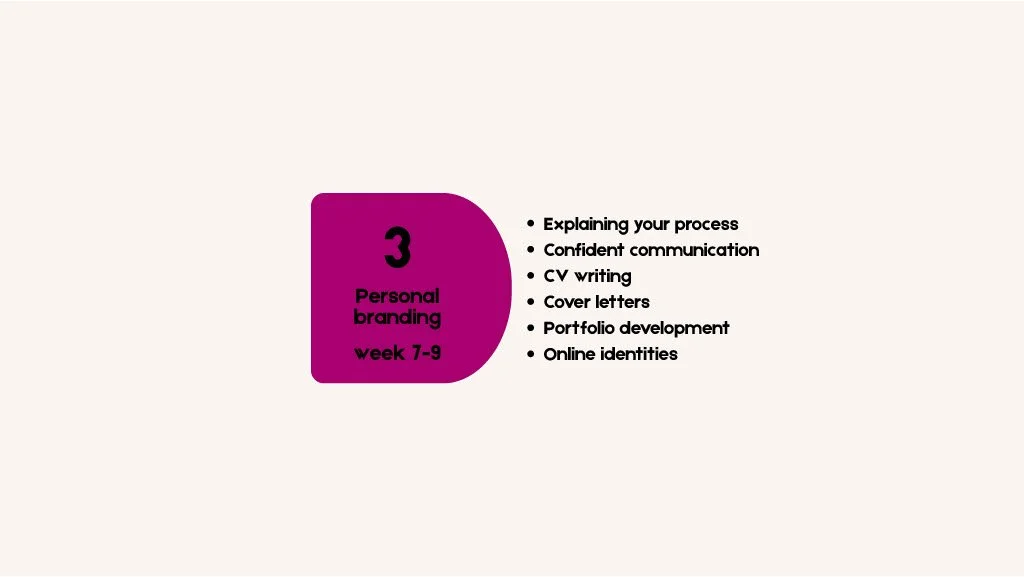
“I hope my work encourages people to rethink what fashion can do and what roles are in the industry aside from design.
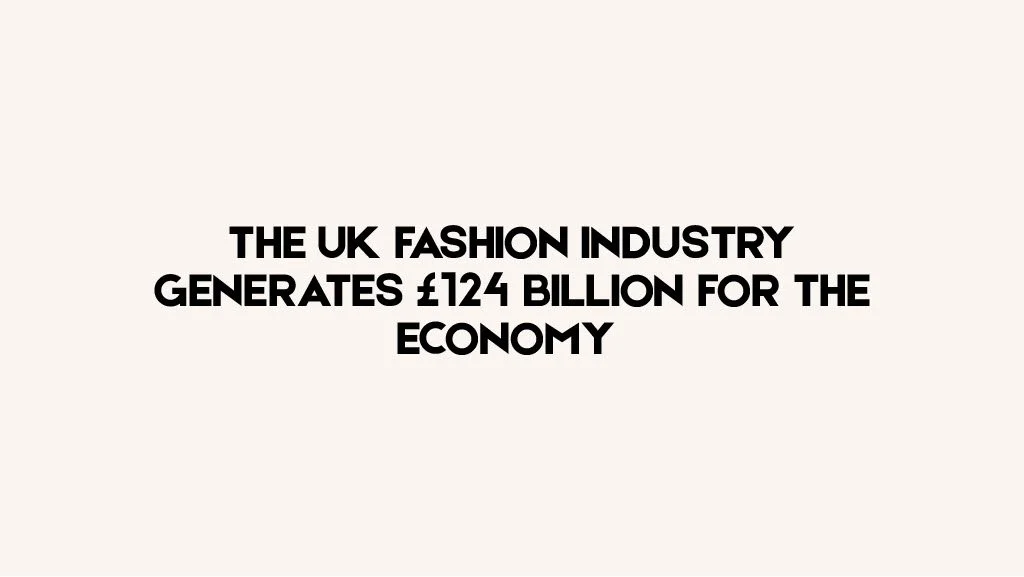
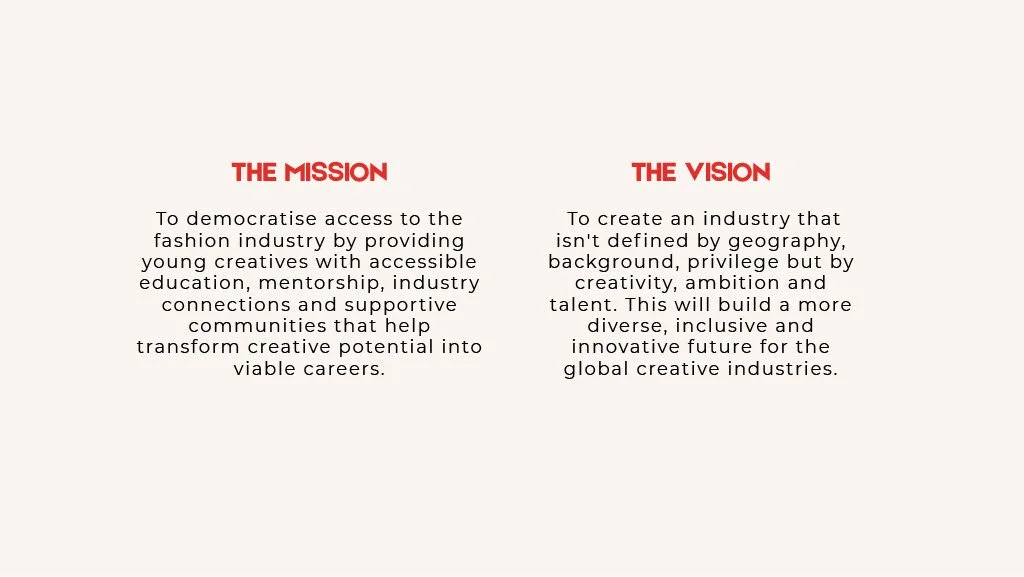
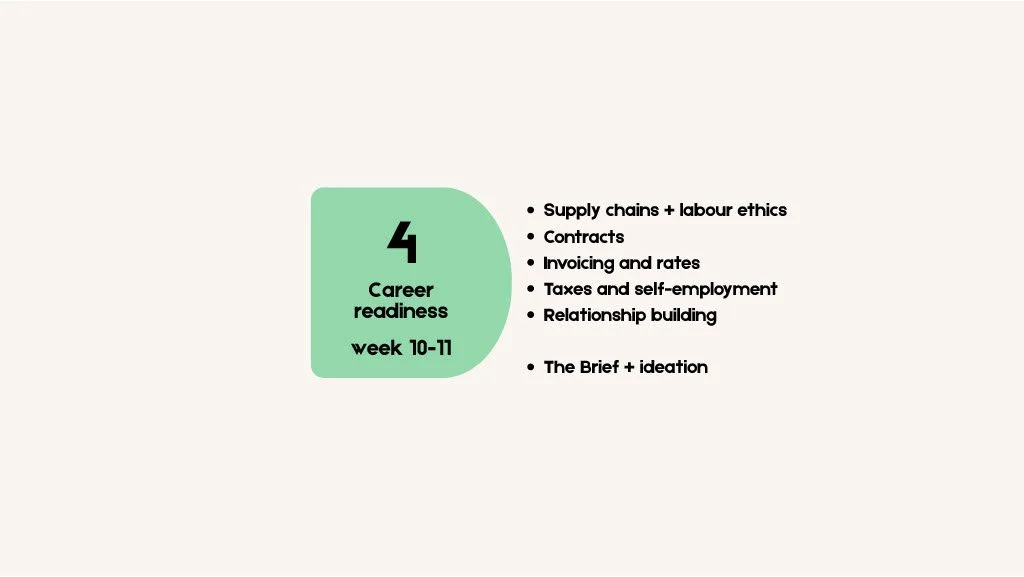
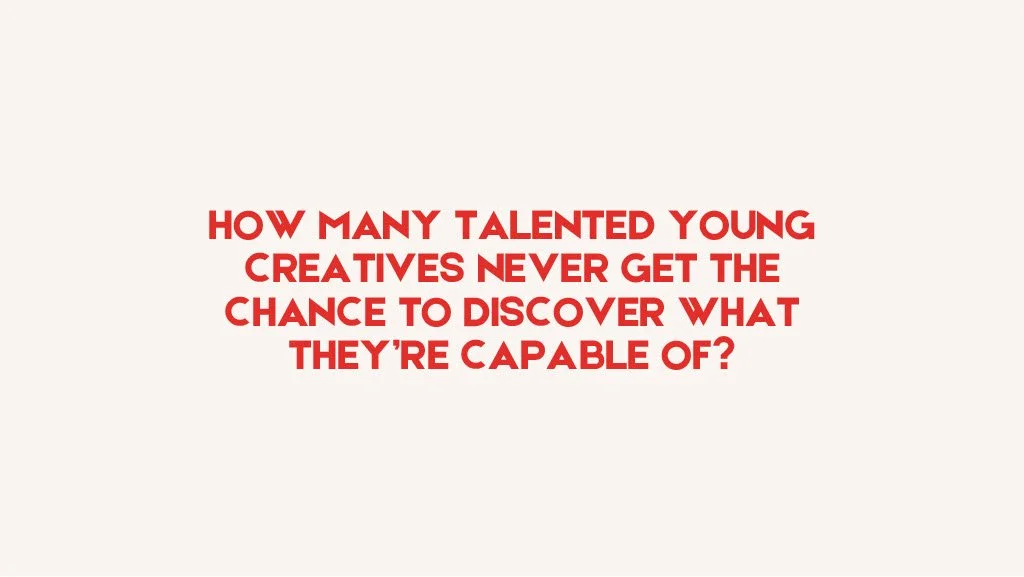
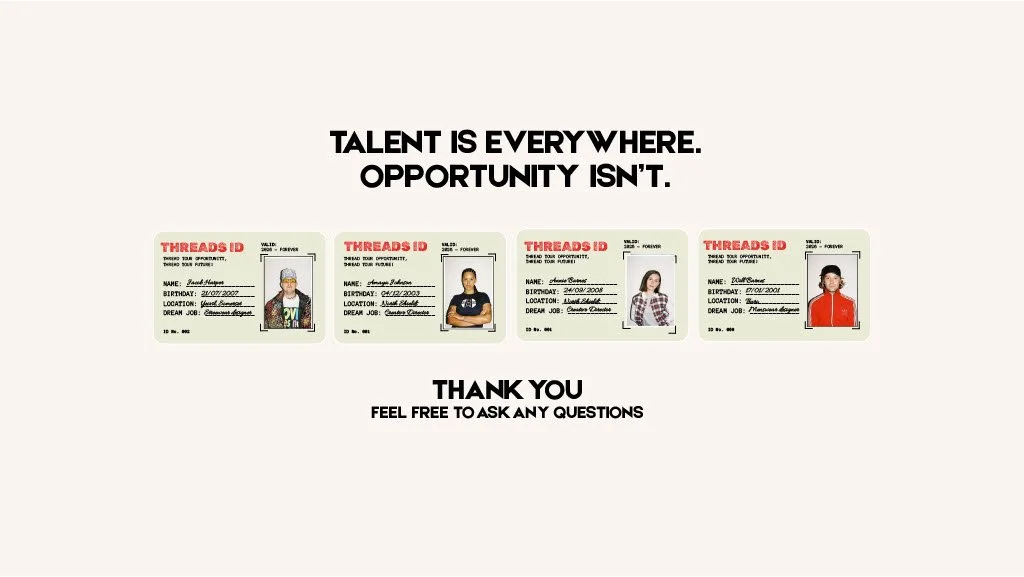
Fashion has enormous cultural influence, yet opportunities within the industry remain incredibly uneven. I want my work to help open doors for young creatives who may never have imagined there was a place for them.
Beyond aesthetics, I want to create confidence, connection and access. If even one young person discovers a creative career because of something I’ve built, then I think that’s a meaningful success.”
Which designer, artist or creative would you most like to show your work to?
“I would love to show my work to a creative who shares my belief in the power of community and philanthropy. I’m particularly inspired by people who use their platform, influence and success to create access and meaningful opportunities for others, such as Bethann Hardison, Samuel Ross and Kazna Asker. I would love to connect with someone who could challenge and inspire me to expand my vision for making the creative industries more accessible.”
What advice would you give to a student currently starting their final collection or portfolio?
“Don’t create work simply because you think people will like it, create work that genuinely matters to you. The projects people remember are usually the ones driven by curiosity and authenticity.
I’d also encourage students to think beyond creating another product. We already have enough products in the world. Ask yourself what problem you’re solving, whose life you’re improving and what conversation you’re starting.
Also use the models as advice not as rules, often I got caught up in perfecting my depictions of them.”
What conversations do you hope your work starts?
“I hope people begin questioning who fashion is actually designed for.
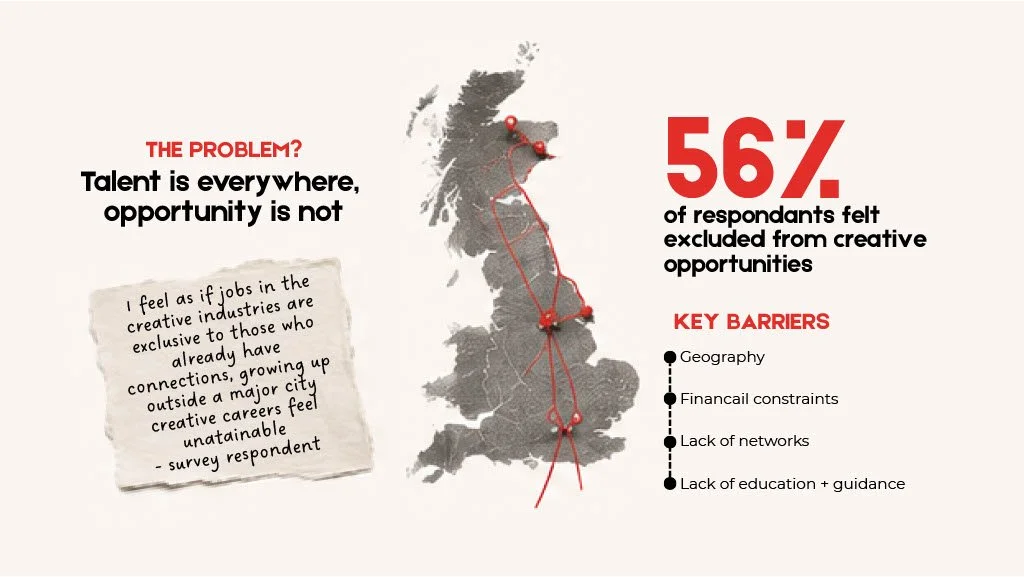
We often celebrate diversity once people have entered the industry, but we don’t always talk about the barriers that stop talented young people getting there in the first place. I’d love my work to spark conversations about regional inequality, access to creative education, representation and how the industry can invest in potential rather than privilege.
Creativity exists everywhere, it just isn’t always given the same opportunities to flourish.”
So what’s next for you after graduating?
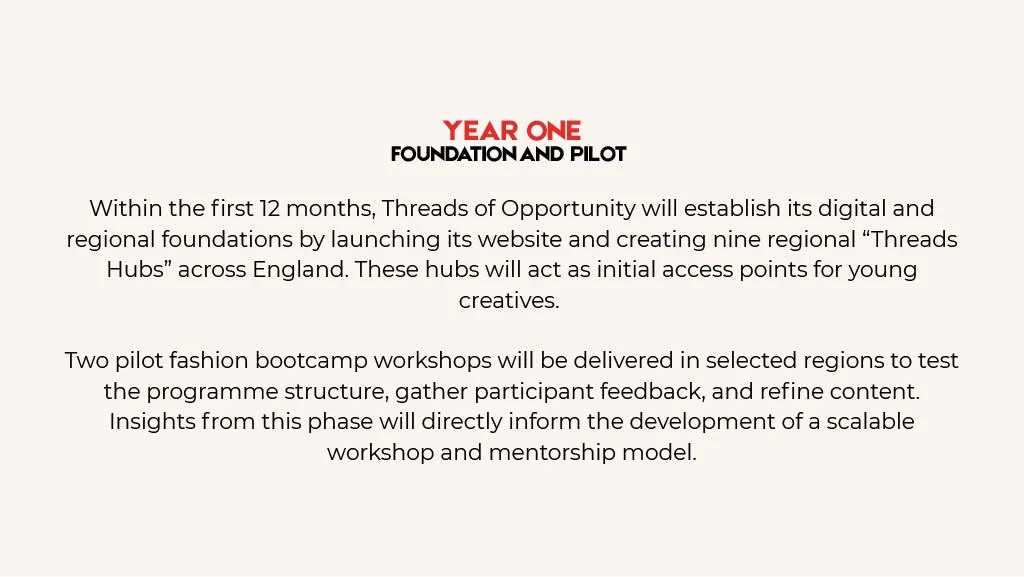
“Graduate Fashion Week has given me confidence that there’s genuine value in the work I’m doing. My immediate goal is to continue building experience within the fashion industry while developing my social enterprise alongside my career. I want to learn from established brands, understand how organisations operate and continue growing my professional network.
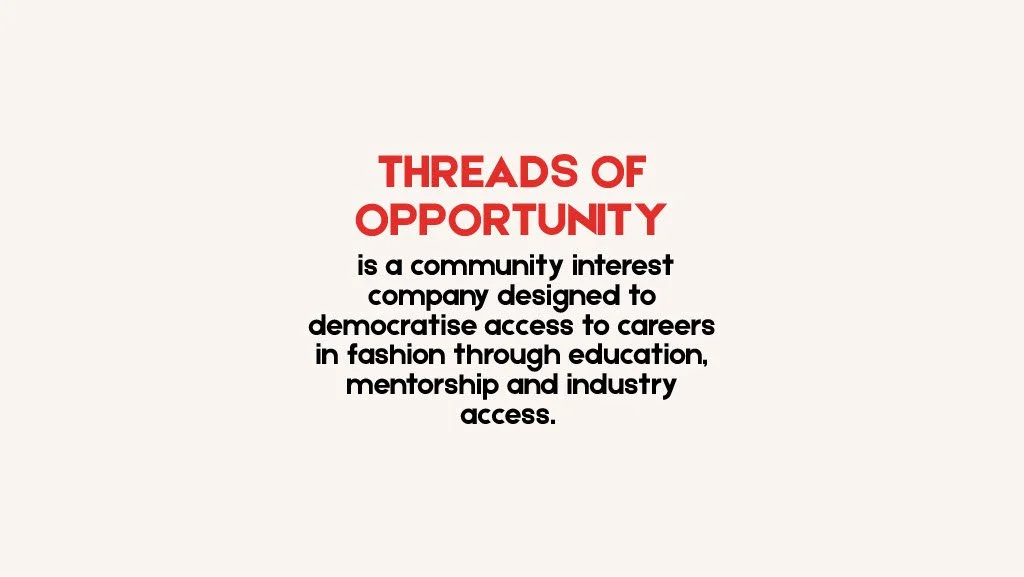
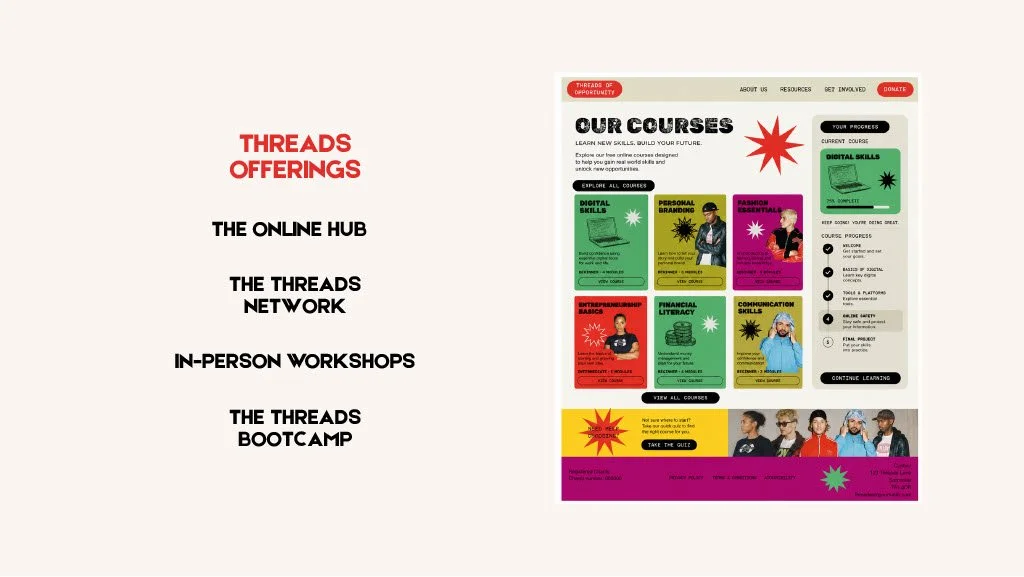
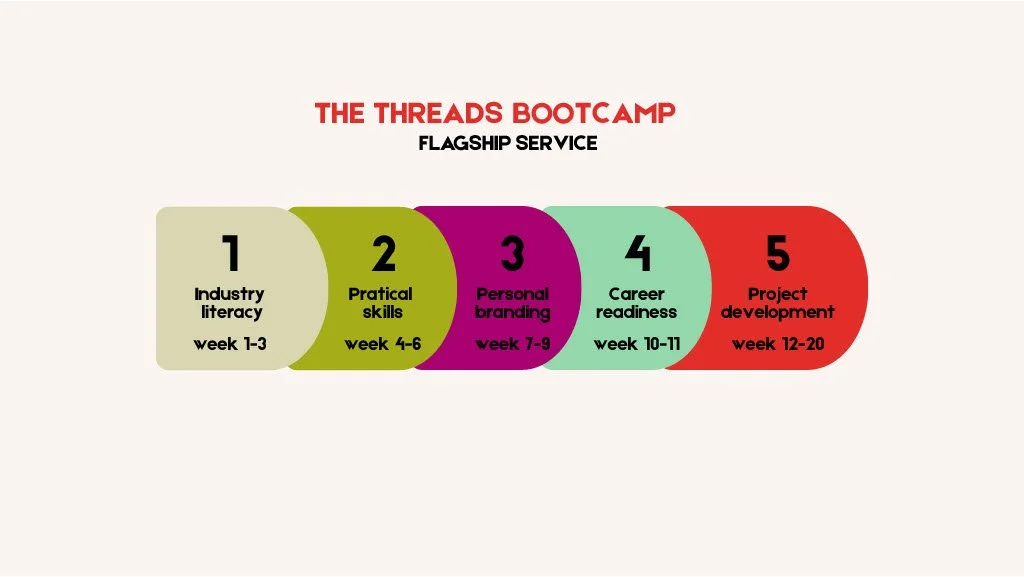
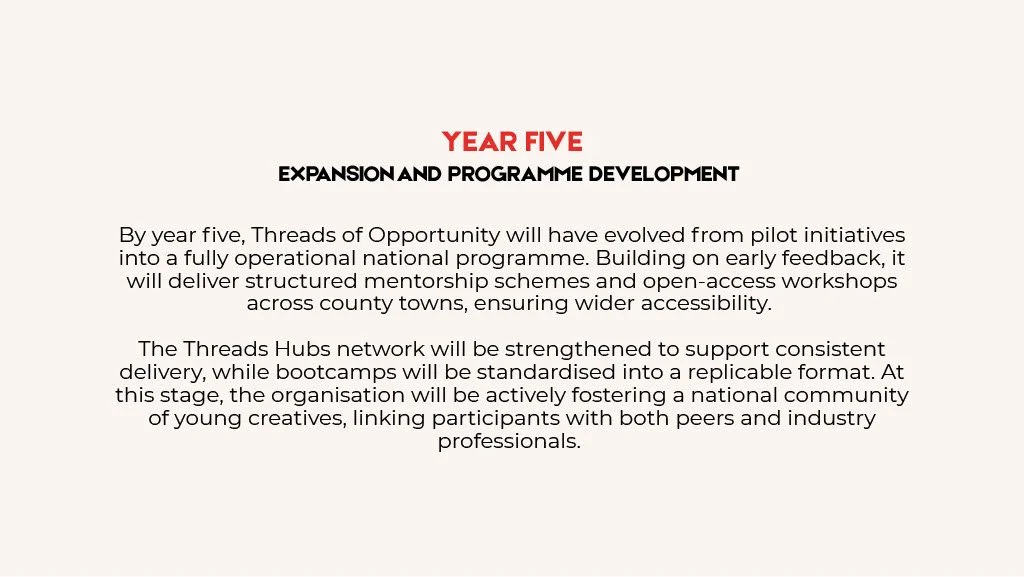
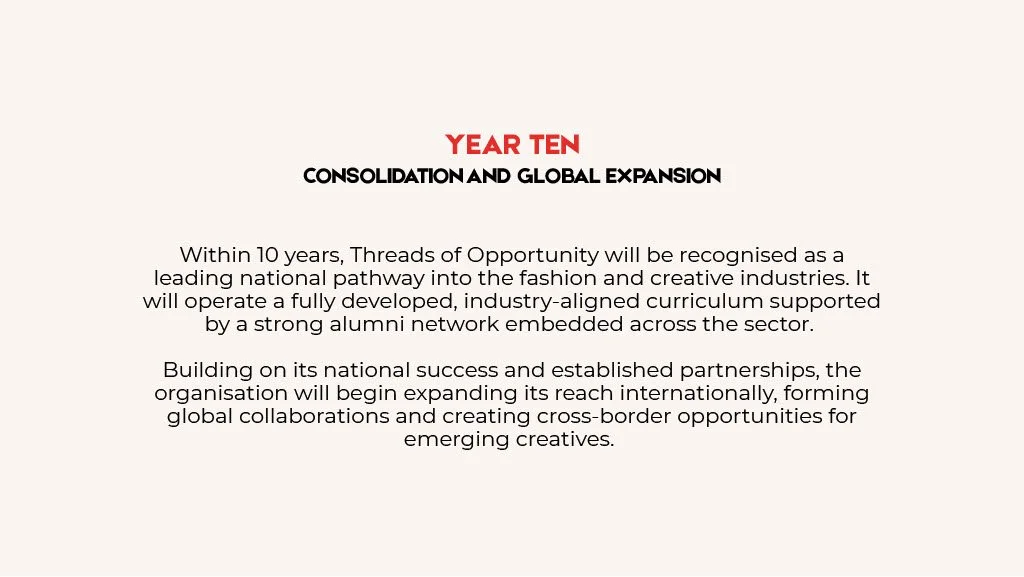
Long term, my ambition is to build a platform that connects young creatives from overlooked communities
with opportunities, mentorship and industry networks. I don’t see my final project as the end of university,
I see it as the beginning of something much bigger.
Ultimately, I’d love to help create an industry where talent is recognised because of potential, not
postcode.”
