
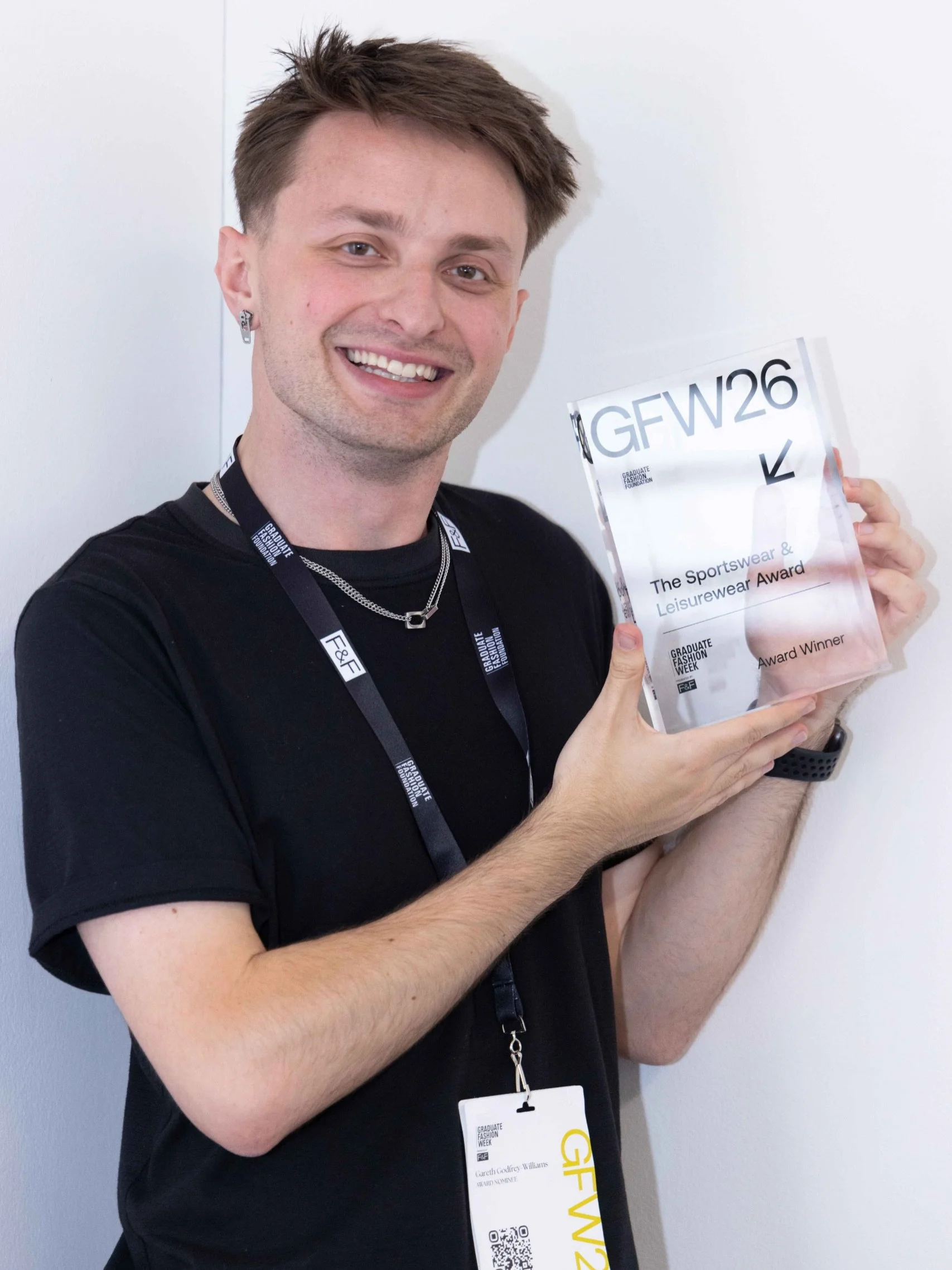
An Interview with the winner of the Sportswear & Leisurewear Award: Gareth Godfrey-Williams from Manchester Metropolitan University
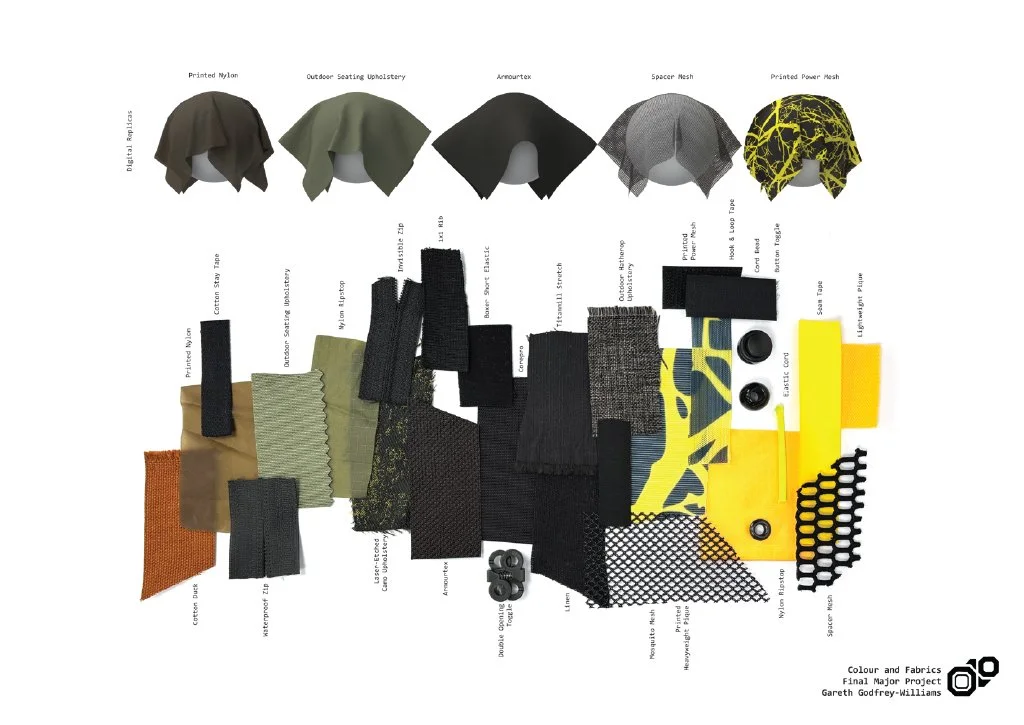
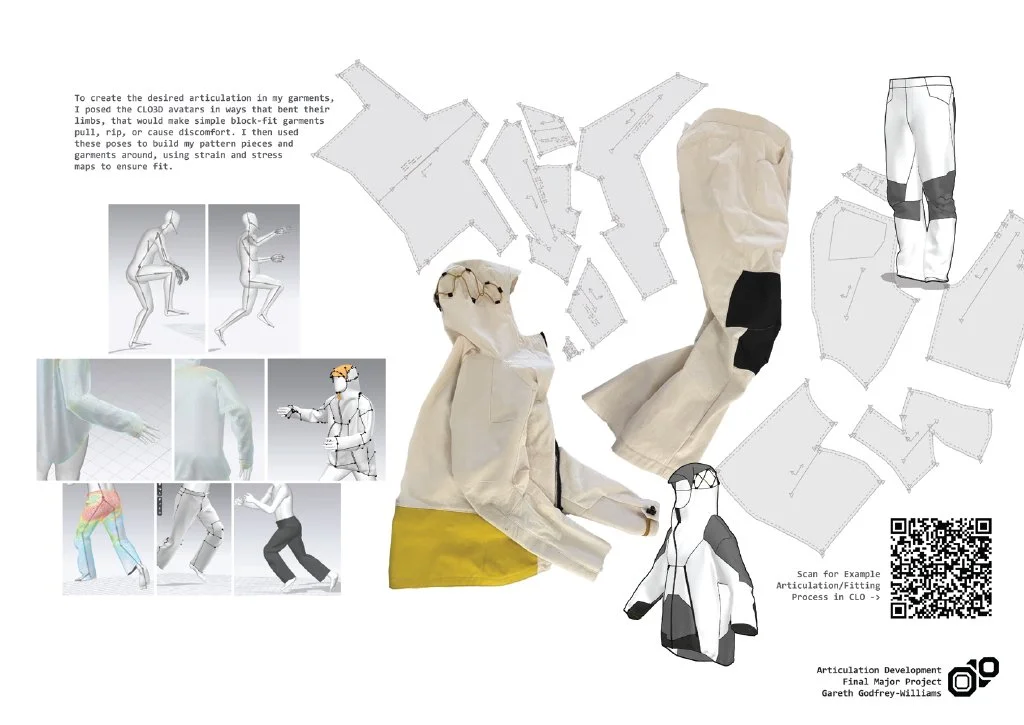
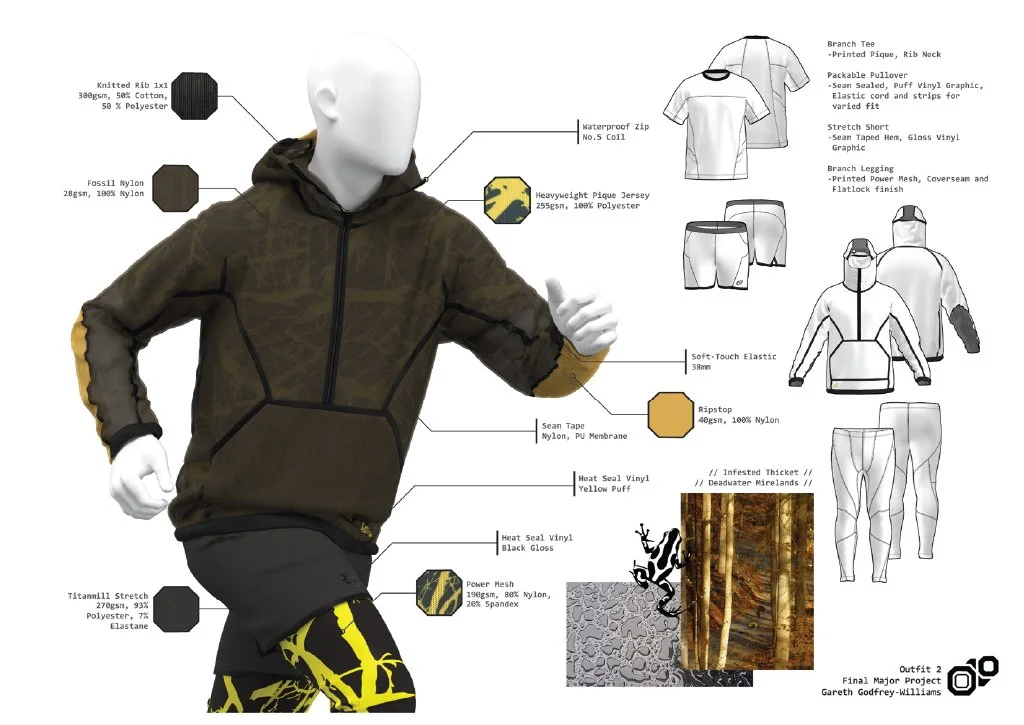
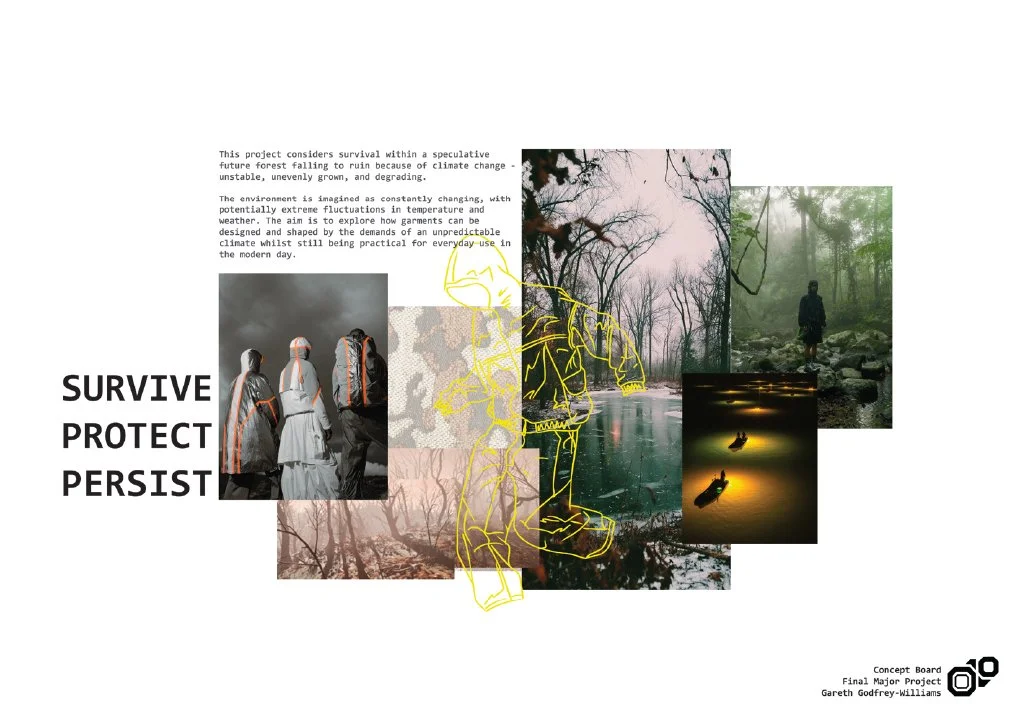
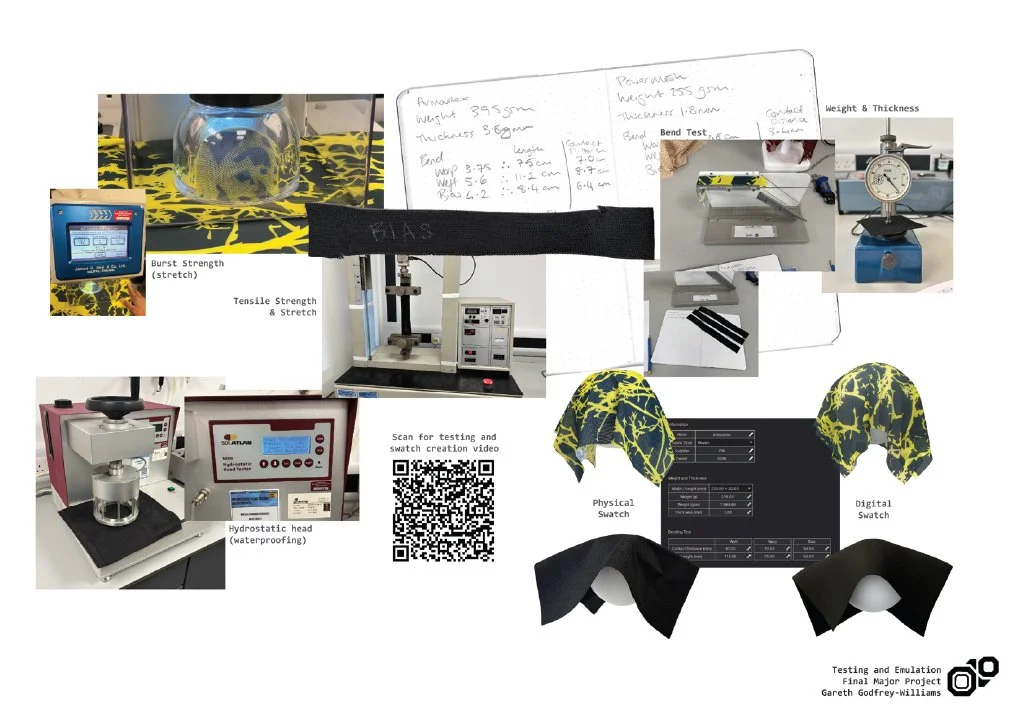
Gareth is a performance menswear designer and developer exploring how fashion can support survival in a changing climate. He loves working digitally and has heavily integrated this mode of working into his process. He began by envisioning future environments after they have been destroyed by climate change, and considering the risks posed to humans in those places. This led him to question how garments could be designed to support survival in dangerous environments, using these factors to inform a highly functional approach to designing. All of his patterns were developed digitally, by emulating fabrics and fitting them around mannequins to ensure effective fit and movement in the most extreme circumstances.
What unexpected source influenced your final outcome?
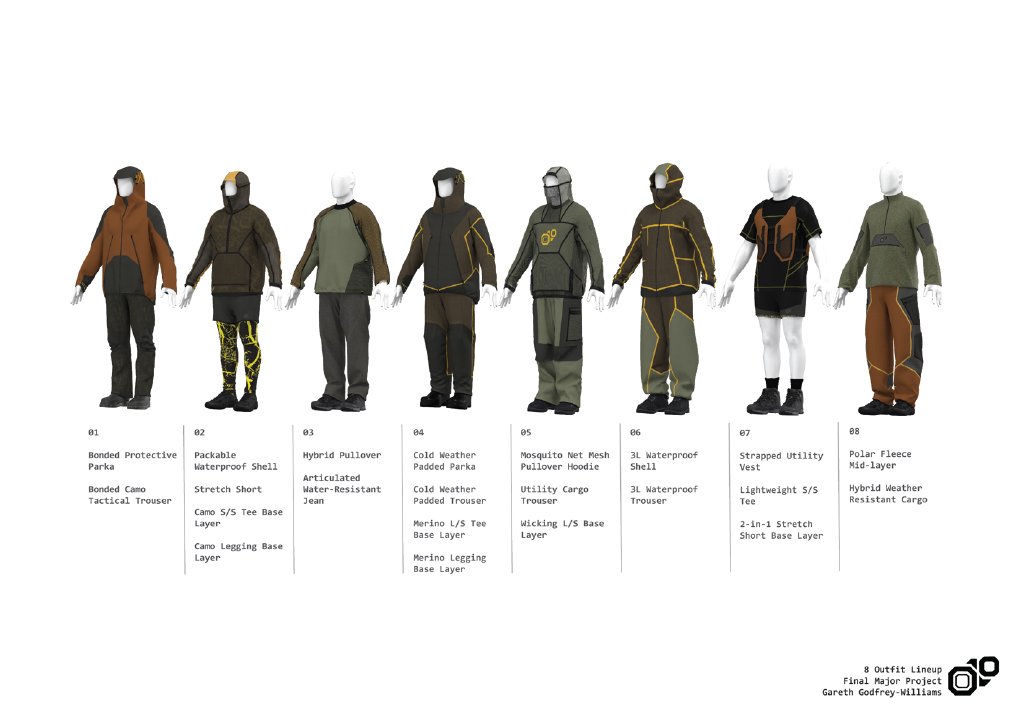
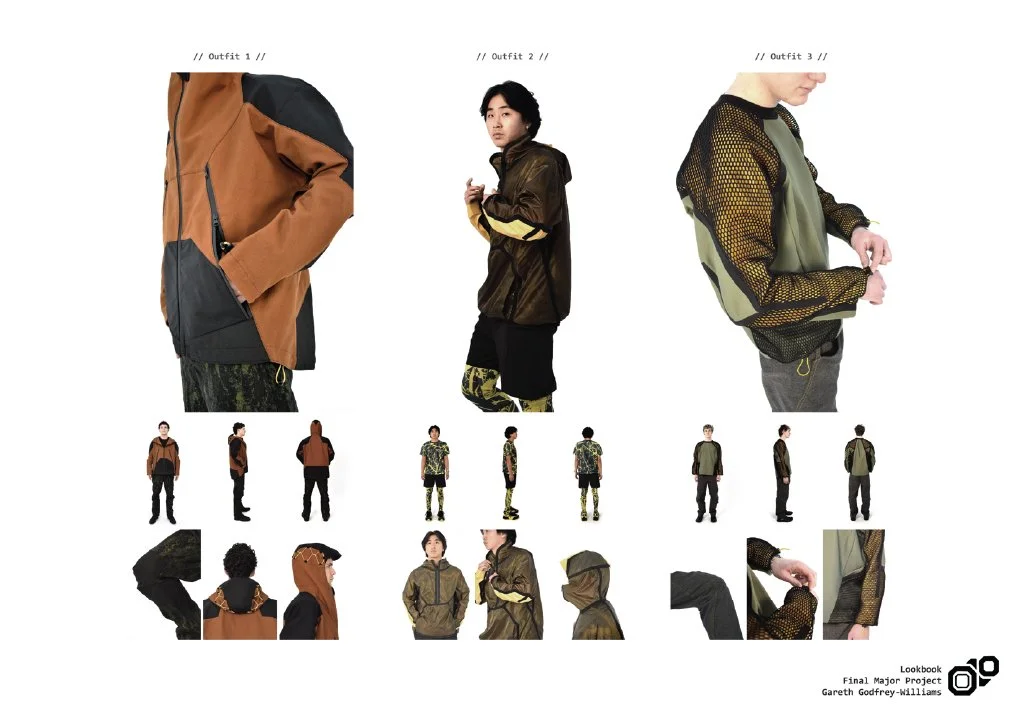
“Initially I wanted to design pieces that were fully future-focused. But through the development I decided that for them to be truly practical and usable they should still be functional pieces in the modern world too. So for example, a set could work as a modern-day gym kit but also as protective layers in a scorched wasteland.”
What’s the best piece of creative advice you’ve ever received?
“You know yourself best. Ask for other opinions, they are very valuable, but when it’s your project your creative voice is the one that needs to be heard. Be confident and show those ideas!”
How would you describe your creative voice in three words?
“Technical, Survivalist, Ergonomic”
What kind of impact do you hope your work has beyond aesthetics?
“It’s meant to provide protection from the elements, and highlight how essential performance is in modern sportswear. I think pieces need to be designed as a functional product first, and a fashion item second.”
Which designer, artist or creative would you most like to show your work to?
“I think I’d have to say Aitor Throup. One of the influences on his work is anatomy, and designing around the human body to make a functional product. I used CLO3D to design and make patterns digitally in a 3D space, on mannequins posed as if they were climbing, crouched, etc. His work with Stone Island and CP Company really fascinates me and are projects I could have seen myself working on!”
What advice would you give to a student currently starting their final collection or portfolio?
“Focus on something you are truly interested in. That will fuel the project. If you are fascinated with it, you will want to keep exploring and developing your ideas as far as you can. It’ll push the final outcome to be as strong as it can be, you’ll love what you do and that passion will create something of real quality.”
What conversations do you hope your work starts?
“Almost all fashion brands are stuck in a very sample-heavy development process. I hope we can spark conversations that will push development to be more digital, and not just because it’s cool! It saves so much time and cost, but also allows you to create countless design iterations in a fraction of the time than it would physically. It leads to a better, more refined product. Fashion brands like to say they want to innovate but seem to be scared to change their ways!
Many brands seem stuck in their ways in this aspect, but for the future they must innovate - not just with the product, but with the development process too.”
So what’s next for you after graduating?
“I want to push my career in performance wear and digital development. As I mentioned before, I don’t think digital is being used to its full potential in the industry so I’m hoping I can show what an asset the digital world can be to fashion.”
