
The Value of Craft in Contemporary Fashion: Inside Millie Watkins’ Award Winning Collection
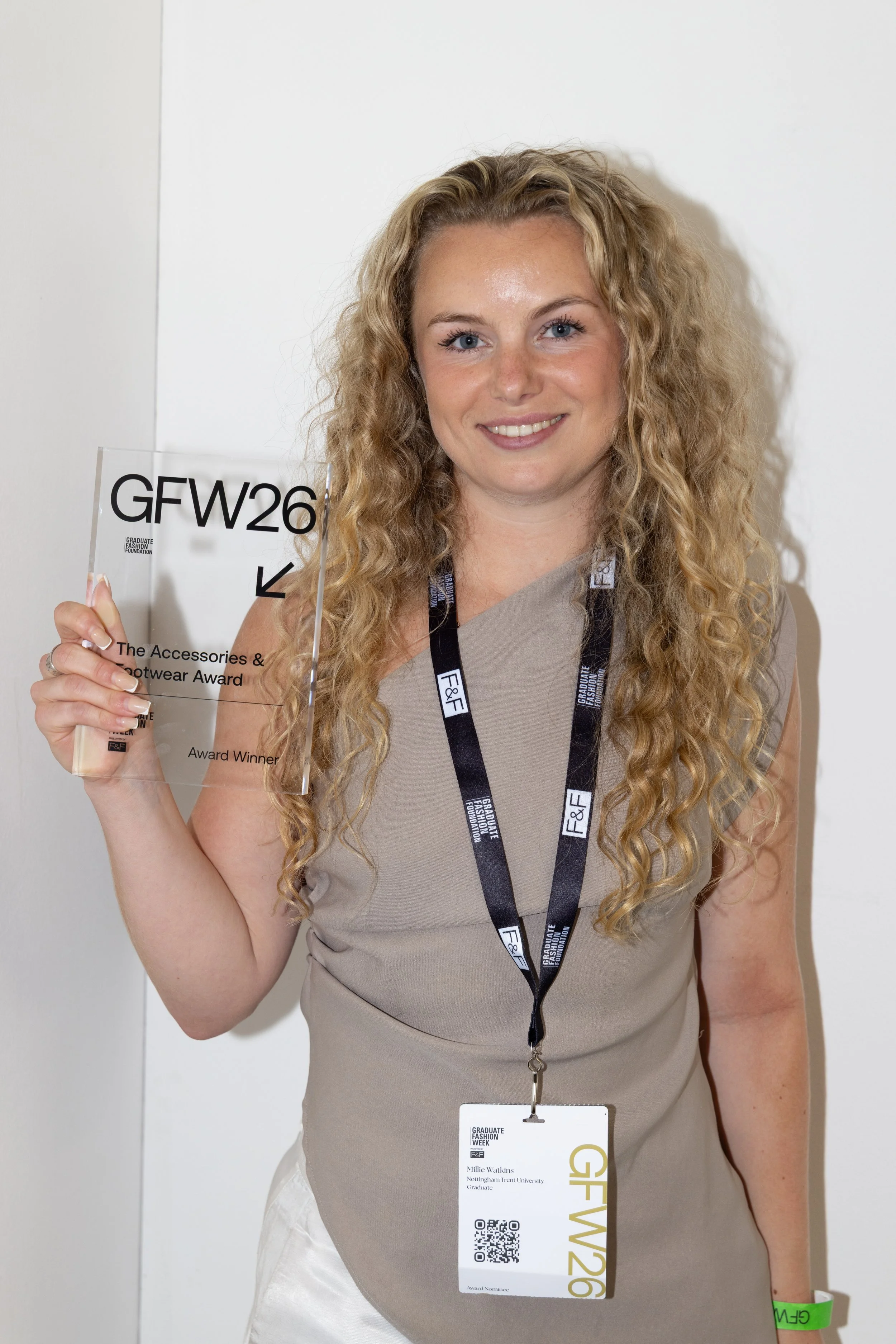
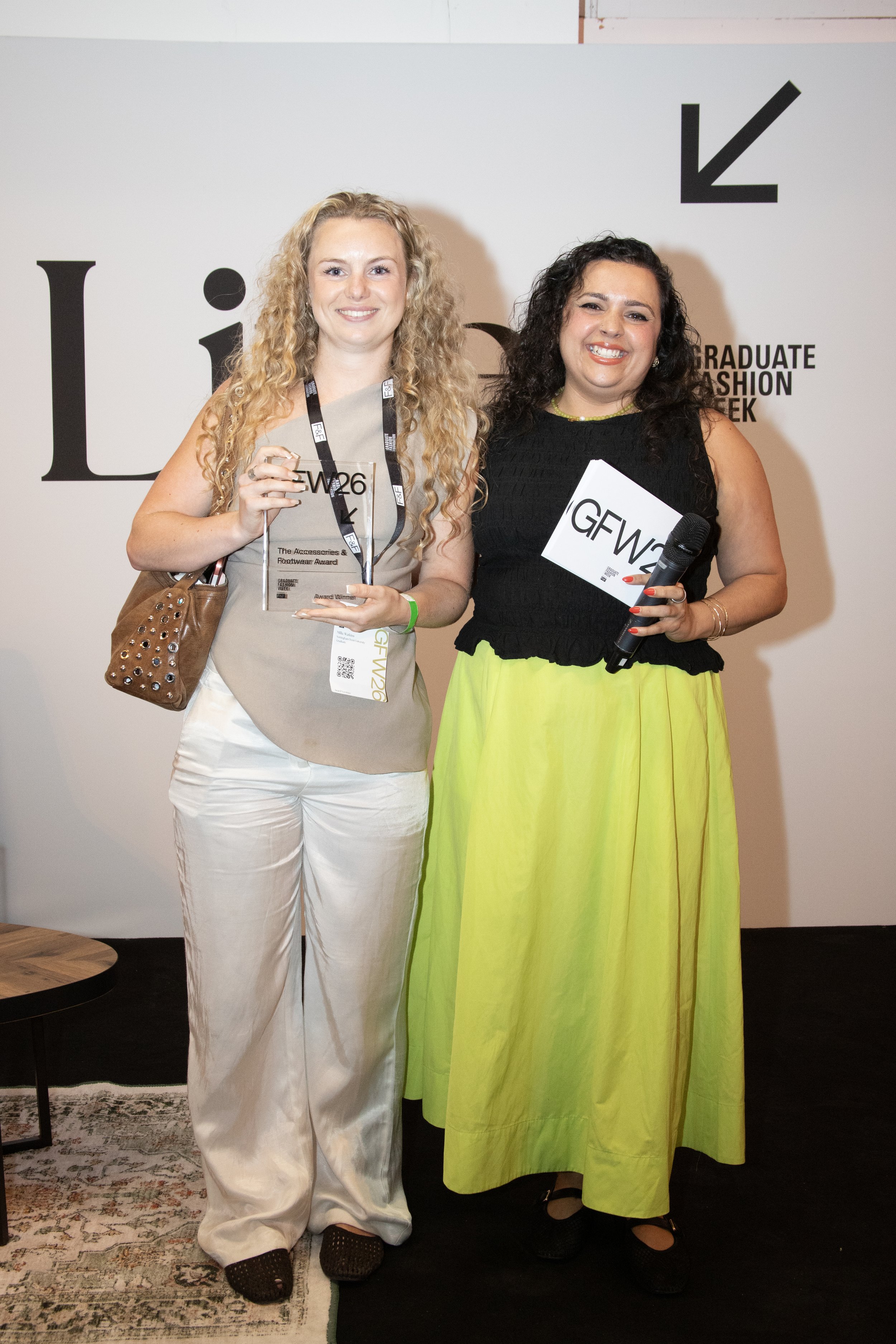
An Interview with the winner of the Accessories & Footwear Award 2026: Millie Watkins from Nottingham Trent University
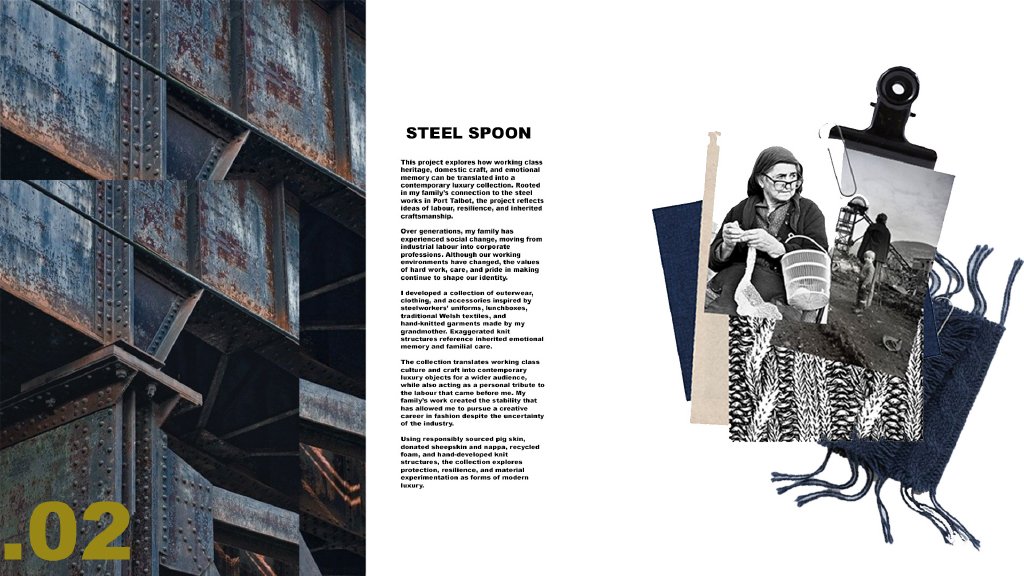
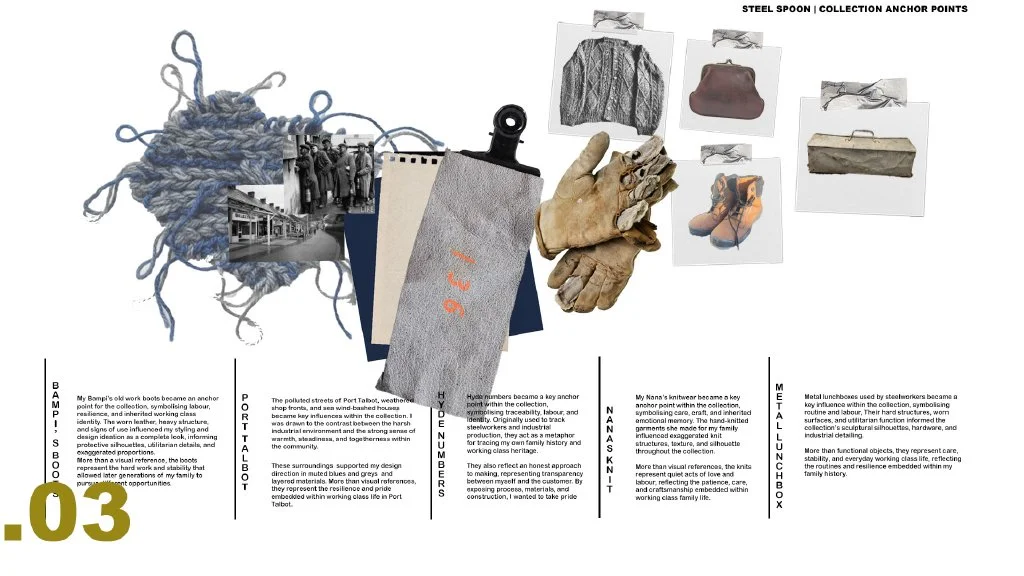
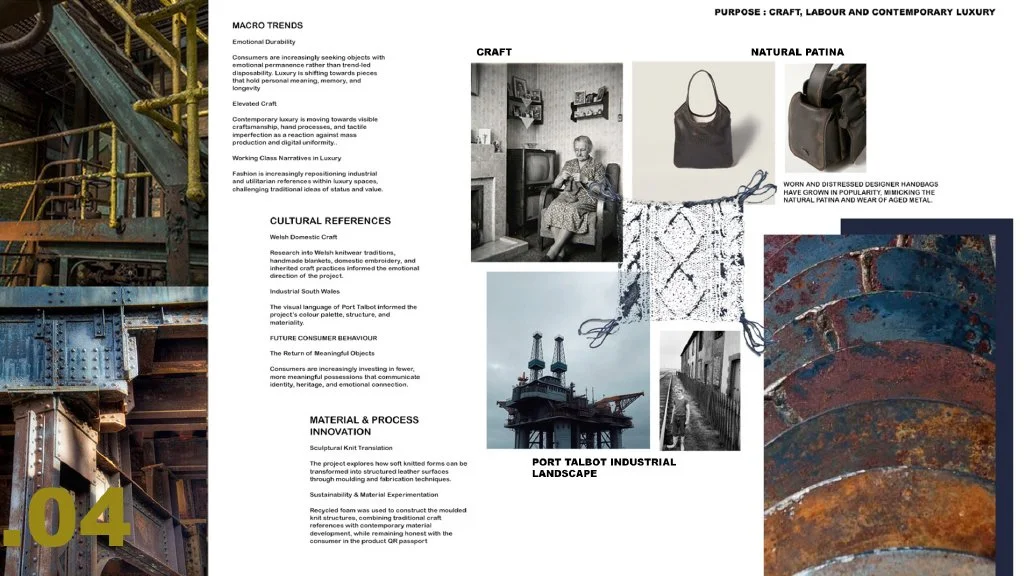
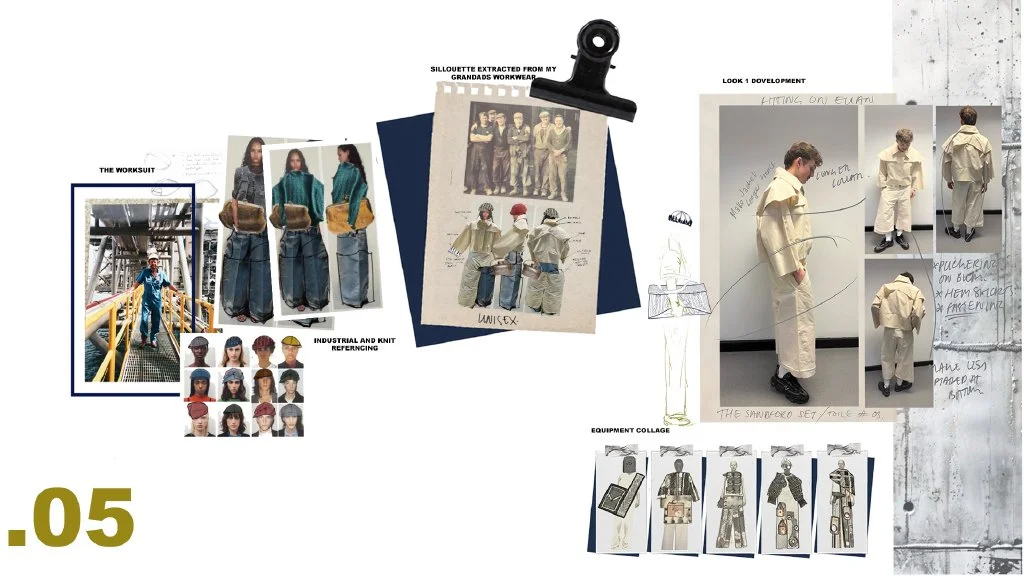
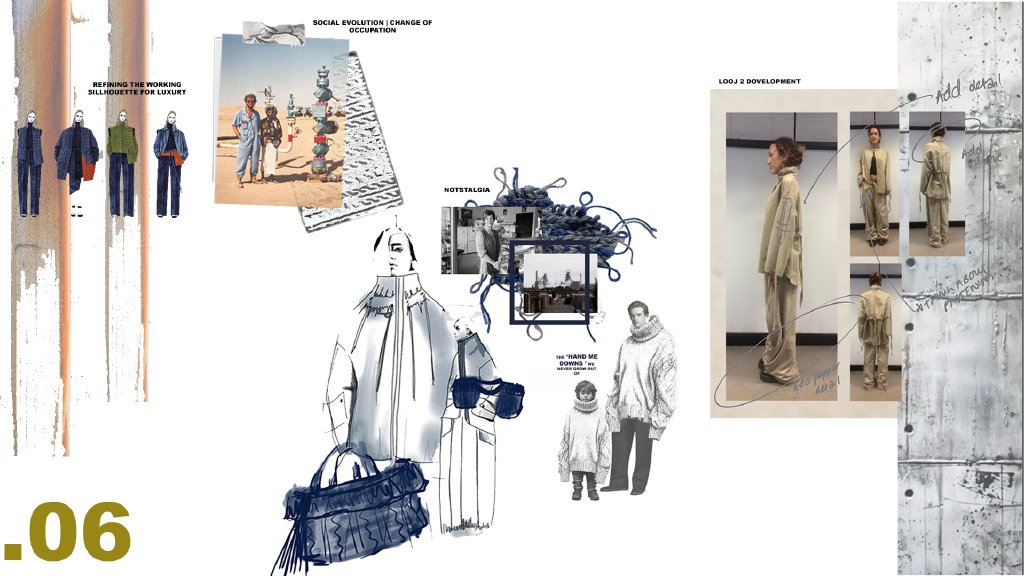
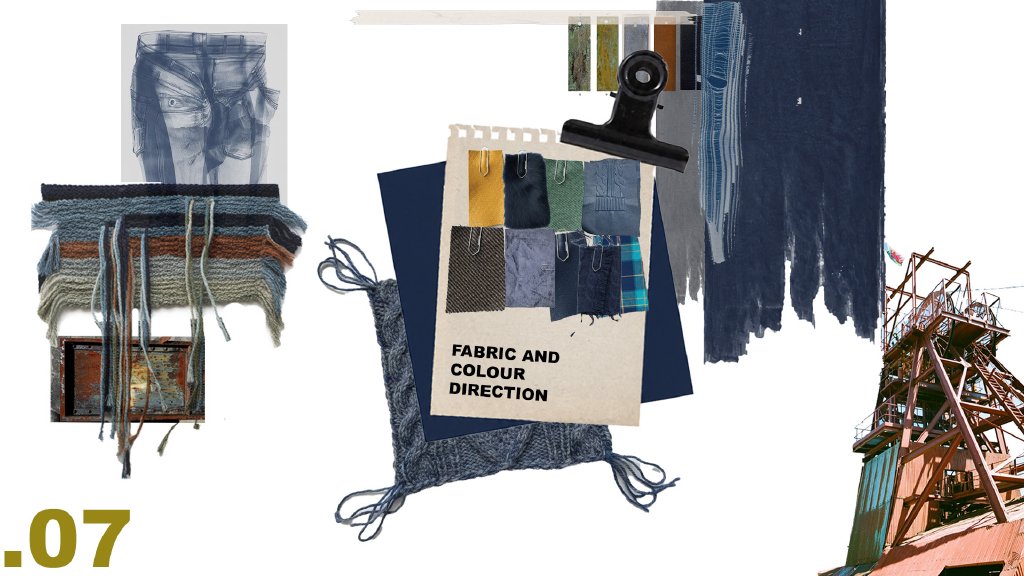
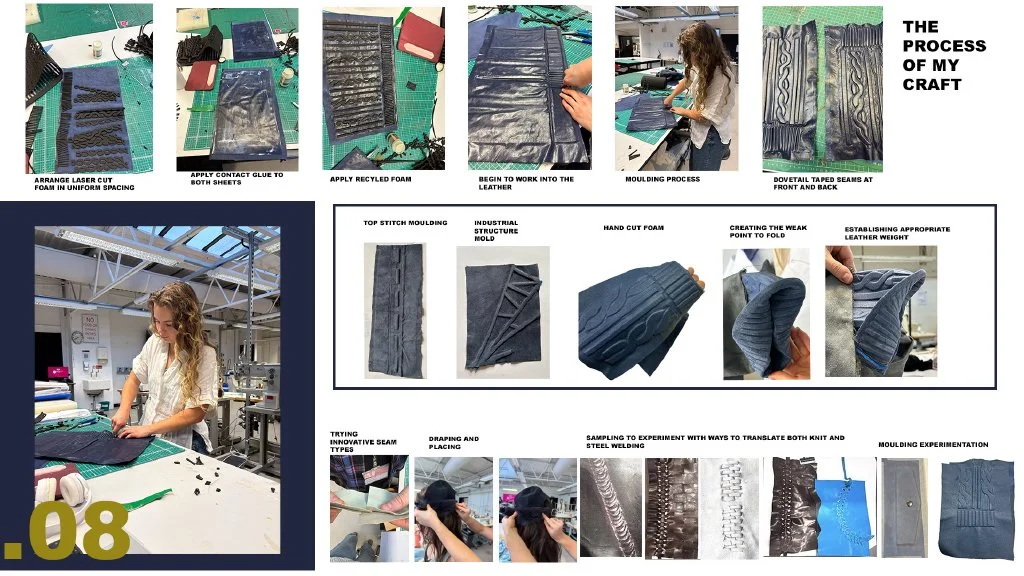
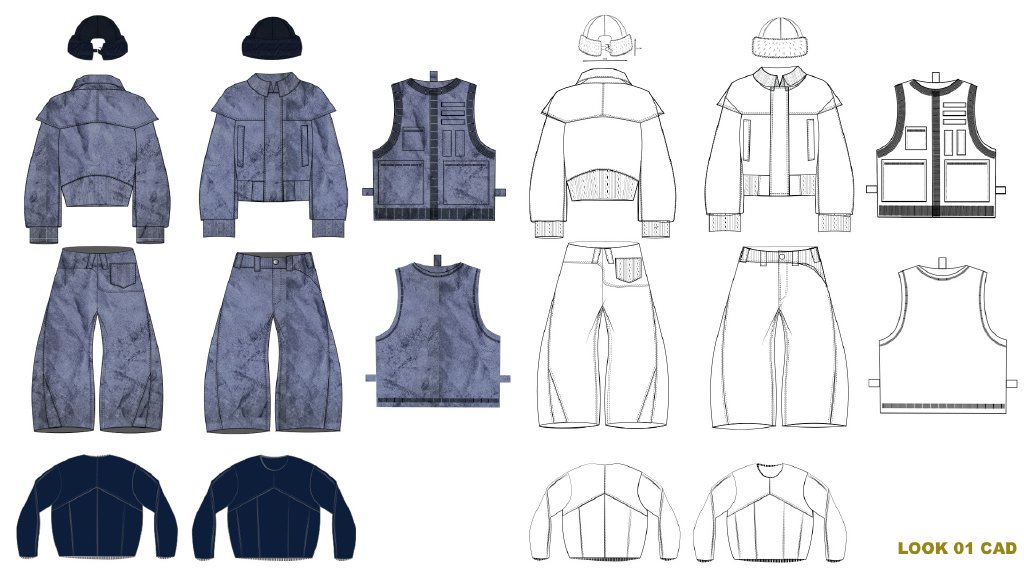
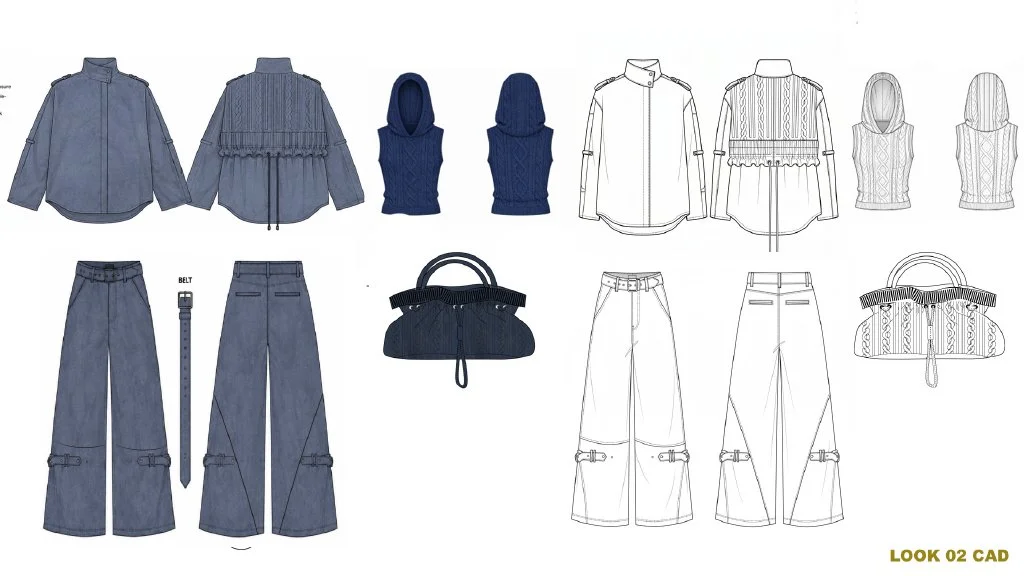
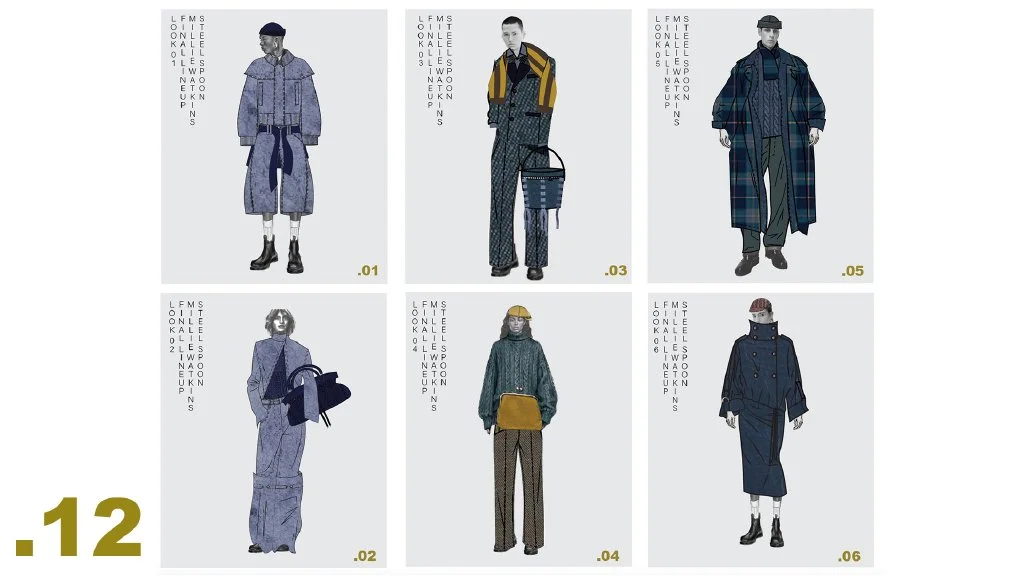
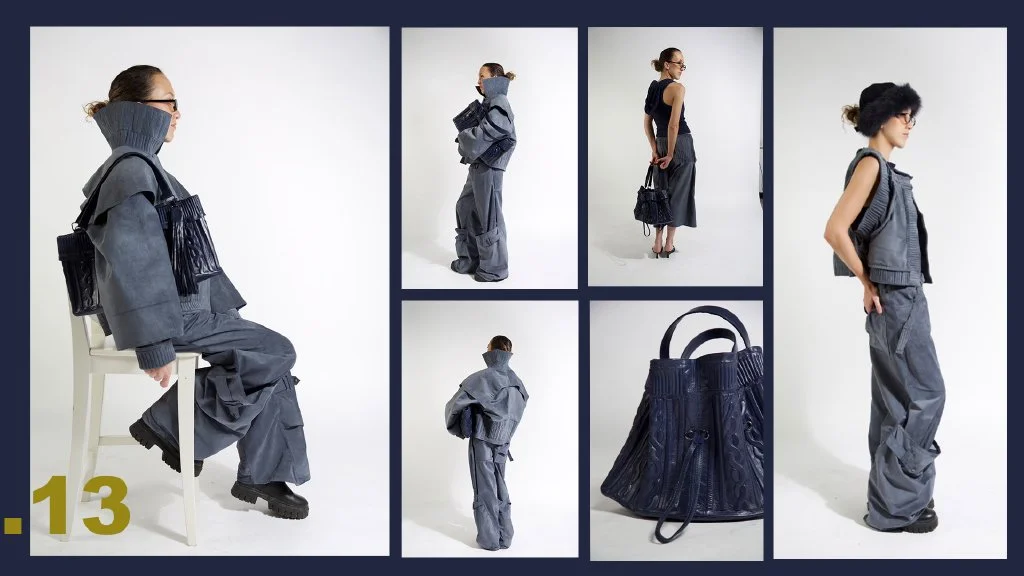
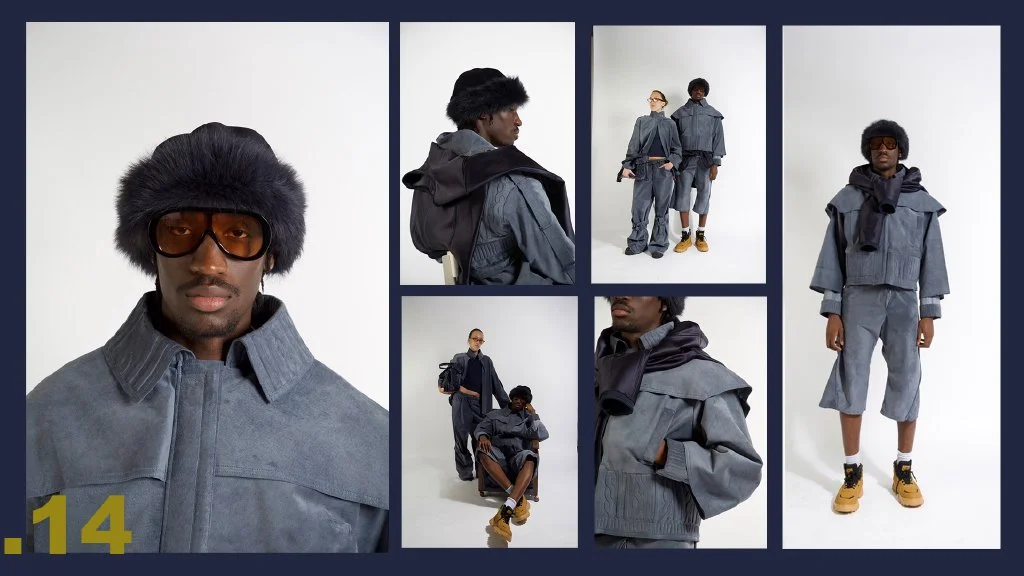
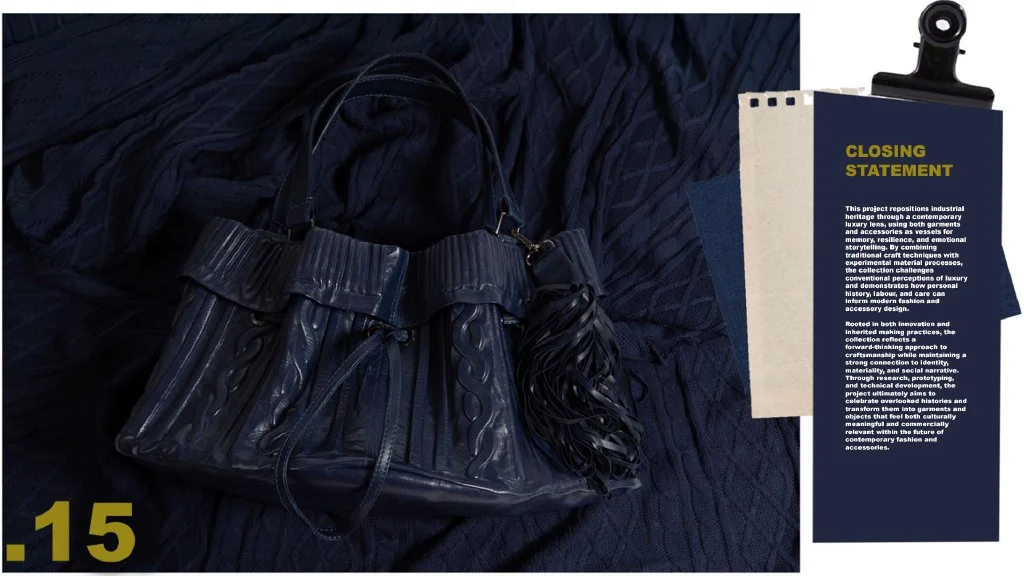
We sat down with award winner Millie Watkins, a designer whose practice is rooted in heritage, craft, and material storytelling. Her work is informed by her family’s history within the steel industry in Port Talbot and the domestic acts of care expressed through making, particularly knitting and handcraft. Her creative process begins with narrative and memory, which she translates into material exploration. She often combines traditional craft techniques with contemporary fabrication, developing ideas through sampling, prototyping, and hands-on experimentation to create work that balances emotional depth with technical precision.

What unexpected source influenced your final outcome?
“One of the most unexpected influences was the quiet language of care within my family, particularly the way love was communicated through objects rather than words. Hand knitted garments, blankets, and repaired items became a key reference point, informing the emotional direction of my work. This translated into the idea of inherited making, where objects carry memory, protection, and presence across generations.”
What’s the best piece of creative advice you’ve ever received?
“That good ideas are not always immediate, and that the strongest outcomes often come from patience, repetition, and refinement rather than first instincts. Allowing time for work to evolve rather than rushing decisions has had a major impact on how I develop ideas.”
How would you describe your creative voice in three words?
“Industrial. Emotional. Elevated.”
What kind of impact do you hope your work has beyond aesthetics?
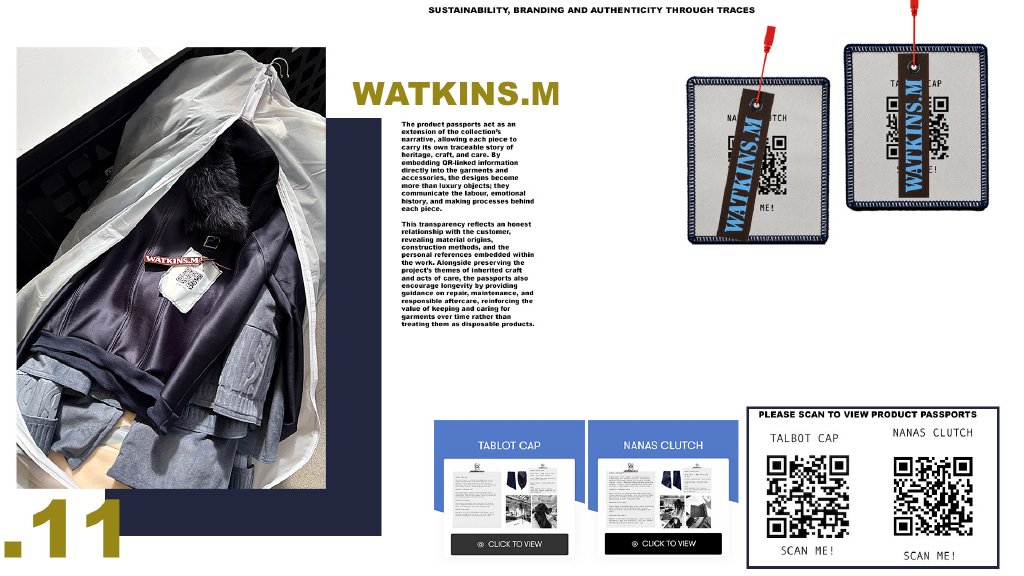
“I hope my work encourages a deeper appreciation for craft, memory, and the emotional value embedded in objects. Beyond aesthetics, I want it to highlight the importance of labour, care, and inherited skill, particularly within working class narratives that are often overlooked in luxury contexts. I aim for my work to create a dialogue between heritage and contemporary design, showing how personal and collective histories can be preserved through making.”
Which designer, artist or creative would you most like to show your work to?
“I would most like to show my work to Jonathan Anderson. His approach to craft, narrative, and material experimentation deeply resonates with my own interests, particularly the way he balances conceptual thinking with highly refined craftsmanship across both JW Anderson and Loewe.”
What conversations do you hope your work starts?
“I hope my work opens conversations around the value of craft in contemporary fashion, and how heritage and working class narratives can be translated into luxury contexts without losing authenticity. I am also interested in discussions around emotional durability in clothing, and how objects can carry memory, identity, and care across time.”
What advice would you give to a student currently starting their final collection or portfolio?
“Start with something personal and stay consistent with it. The strongest work comes from ideas that you genuinely care about, because they naturally carry depth and longevity. Also, don’t be afraid of technical challenges. Some of the most important growth happens when you step into unfamiliar processes and allow yourself to learn through making rather than perfection.”
So what’s next for you after graduating?
“After Graduate Fashion Week, I will be starting a graduate internship at Burberry. I am excited to continue developing my technical skills within a luxury British fashion house, while learning from highly experienced professionals. I am particularly looking forward to engaging with the brand’s heritage and craftsmanship, and building on the foundation I developed during my final year as I transition into industry.”
